

Oil, olive, extra light
Whole food · Fats and Oils
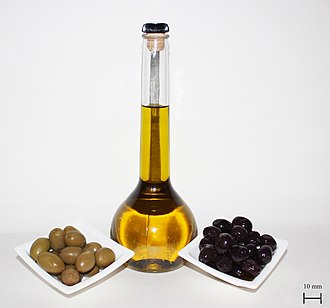
Photo: Wikipedia
Extra light olive oil is a highly refined version of olive oil, created by blending refined olive oils with a small amount of virgin olive oil. It has a very pale, almost colorless appearance, a neutral, mild flavor, and a light texture, making it a versatile cooking staple. Despite its name, it contains the same monounsaturated fats as other olive oils, though its processing reduces some of the stronger flavors and antioxidants.
💚 Why it's loved
People love it for its incredible versatility in the kitchen—it can be used for sautéing, frying, roasting, and baking without imparting a strong olive taste, making it a reliable, all-purpose cooking fat.
⚠️ Watch-outs & how to enjoy it better
The refining process strips away many of the polyphenols and antioxidants found in extra virgin olive oil, reducing its potential health benefits. Those seeking the full nutritional profile and robust flavor of olive oil should opt for extra virgin instead. To counteract this, use extra virgin olive oil for dressings and low-heat cooking where its flavor and nutrients can shine.
Key benefits
- High in heart-healthy monounsaturated fats (oleic acid)
- Neutral flavor doesn't overpower other ingredients
- High smoke point (around 465°F/240°C), ideal for high-heat cooking
- Less expensive than extra virgin olive oil
- Long shelf life due to refined processing
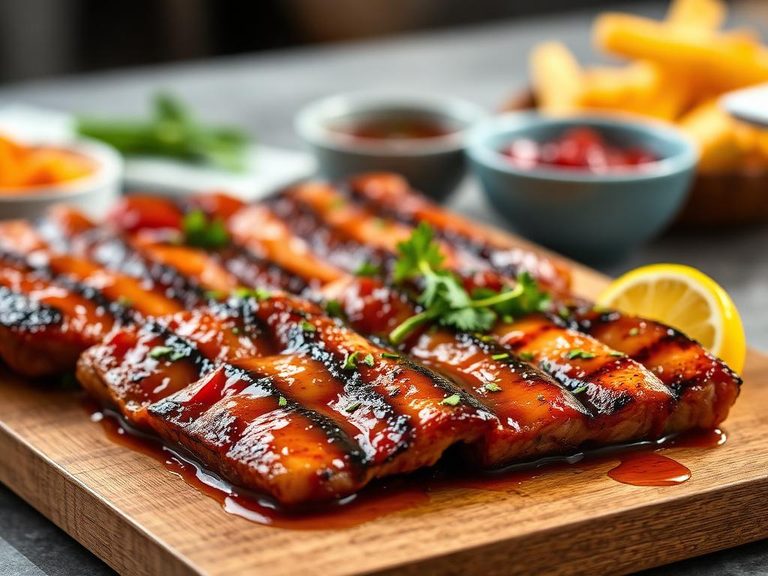
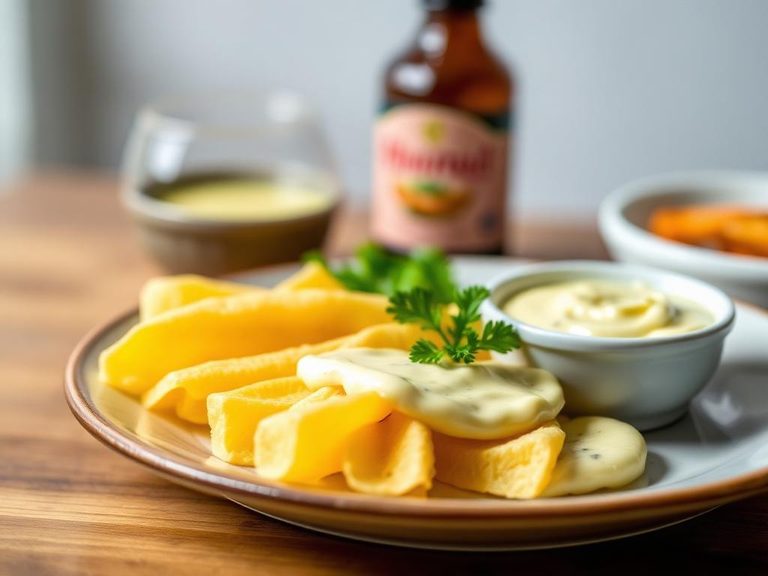
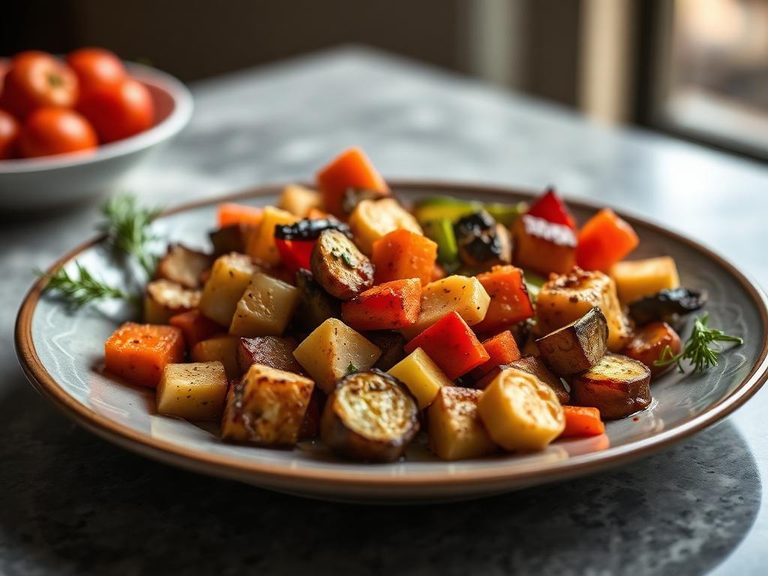
🍽️ Popular dishes
🌍 Where it's eaten
💡 Did you know?
The term 'extra light' refers to its light flavor and color, not its calorie or fat content—it has the same number of calories and grams of fat per tablespoon as extra virgin olive oil.
Full nutrition (USDA data · scales with serving)
| Total fat (NLEA) | 92.9 g |
| Vitamin E (alpha-tocopherol) | 20.9 mg |
| Tocopherol, beta | 0.00 mg |
| Tocopherol, gamma | 1.8 mg |
| Tocopherol, delta | 0.00 mg |
| Tocotrienol, alpha | 0.00 mg |
| Tocotrienol, beta | 0.00 mg |
| Tocotrienol, gamma | 0.00 mg |
| Tocotrienol, delta | 0.00 mg |
| Vitamin K (phylloquinone) | 26.0 ug |
| Vitamin K (Dihydrophylloquinone) | 0.00 ug |
| Vitamin K (Menaquinone-4) | 0.00 ug |
| Stigmastadiene | 0.00 mg |
| Delta-7-Stigmastenol | 22.4 mg |
Fat & fatty acid profile (per 100g)
| Fatty acids, total saturated | 15.8 g |
| SFA 4:0 | 0.00 g |
| SFA 5:0 | 0.00 g |
| SFA 6:0 | 0.00 g |
| SFA 7:0 | 0.00 g |
| SFA 8:0 | 0.00 g |
| SFA 9:0 | 0.00 g |
| SFA 10:0 | 0.00 g |
| SFA 11:0 | 0.00 g |
| SFA 12:0 | 0.00 g |
| SFA 14:0 | 0.01 g |
| SFA 15:0 | 0.01 g |
| SFA 16:0 | 12.4 g |
| SFA 17:0 | 0.07 g |
| SFA 18:0 | 2.7 g |
| SFA 20:0 | 0.40 g |
| SFA 21:0 | 0.02 g |
| SFA 22:0 | 0.12 g |
| SFA 23:0 | 0.00 g |
| SFA 24:0 | 0.06 g |
| Fatty acids, total monounsaturated | 66.6 g |
| MUFA 12:1 | 0.00 g |
| MUFA 14:1 c | 0.00 g |
| MUFA 15:1 | 0.00 g |
| MUFA 16:1 c | 1.2 g |
| MUFA 17:1 | 0.13 g |
| MUFA 17:1 c | 0.13 g |
| MUFA 18:1 c | 65.0 g |
| MUFA 20:1 c | 0.30 g |
| MUFA 22:1 c | 0.00 g |
| MUFA 22:1 n-9 | 0.00 g |
| MUFA 22:1 n-11 | 0.00 g |
| MUFA 24:1 c | 0.00 g |
| Fatty acids, total polyunsaturated | 10.4 g |
| PUFA 18:2 c | 9.7 g |
| PUFA 18:2 n-6 c,c | 9.7 g |
| PUFA 18:2 CLAs | 0.03 g |
| PUFA 18:3 c | 0.61 g |
| PUFA 18:3 n-3 c,c,c (ALA) | 0.61 g |
| PUFA 18:3 n-6 c,c,c | 0.00 g |
| PUFA 18:4 | 0.00 g |
| PUFA 20:2 c | 0.00 g |
| PUFA 20:2 n-6 c,c | 0.00 g |
| PUFA 20:3 c | 0.00 g |
| PUFA 20:3 n-3 | 0.00 g |
| PUFA 20:3 n-6 | 0.00 g |
| PUFA 20:3 n-9 | 0.00 g |
| PUFA 22:3 | 0.00 g |
| PUFA 20:4 | 0.04 g |
| PUFA 20:4c | 0.04 g |
| PUFA 20:5c | 0.00 g |
| PUFA 20:5 n-3 (EPA) | 0.00 g |
| PUFA 22:2 | 0.00 g |
| PUFA 22:5 c | 0.00 g |
| PUFA 22:4 | 0.00 g |
| PUFA 22:5 n-3 (DPA) | 0.00 g |
| PUFA 22:6 c | 0.00 g |
| PUFA 22:6 n-3 (DHA) | 0.00 g |
| Fatty acids, total trans | 0.12 g |
| Fatty acids, total trans-monoenoic | 0.07 g |
| TFA 14:1 t | 0.00 g |
| TFA 16:1 t | 0.00 g |
| TFA 18:1 t | 0.07 g |
| TFA 20:1 t | 0.00 g |
| TFA 22:1 t | 0.00 g |
| TFA 18:2 t not further defined | 0.05 g |
| TFA 18:2 t | 0.05 g |
| Fatty acids, total trans-polyenoic | 0.00 g |
| TFA 18:3 t | 0.00 g |
| Stigmasterol | 1.4 mg |
| Campesterol | 5.3 mg |
| Brassicasterol | 0.00 mg |
| Beta-sitosterol | 128 mg |
| Campestanol | 0.00 mg |
| Beta-sitostanol | 3.3 mg |
| Delta-5-avenasterol | 12.1 mg |
Amino acid profile (per 100g)
Estimated from Oil, safflower, salad or cooking, high oleic (primary safflower oil of commerce) — USDA does not publish this profile for Oil.
| Tryptophan | 0.00 g |
| Threonine | 0.00 g |
| Isoleucine | 0.00 g |
| Leucine | 0.00 g |
| Lysine | 0.00 g |
| Methionine | 0.00 g |
| Cystine | 0.00 g |
| Phenylalanine | 0.00 g |
| Tyrosine | 0.00 g |
| Valine | 0.00 g |
| Arginine | 0.00 g |
| Histidine | 0.00 g |
| Alanine | 0.00 g |
| Aspartic acid | 0.00 g |
| Glutamic acid | 0.00 g |
| Glycine | 0.00 g |
| Proline | 0.00 g |
| Serine | 0.00 g |
FAQ
What is the difference between extra light and extra virgin olive oil?
Extra light olive oil is refined, giving it a neutral flavor and higher smoke point. Extra virgin is unrefined, made from the first pressing of olives, and has a stronger, fruitier flavor and more antioxidants.
Can I use extra light olive oil for deep-frying?
Yes, its high smoke point (around 465°F/240°C) and neutral flavor make it an excellent and stable choice for deep-frying.
Is extra light olive oil healthier than vegetable oil?
It is generally considered a healthier option than many refined vegetable oils (like soybean or corn oil) because it is high in monounsaturated fats and lower in polyunsaturated fats, which can be less stable when heated.