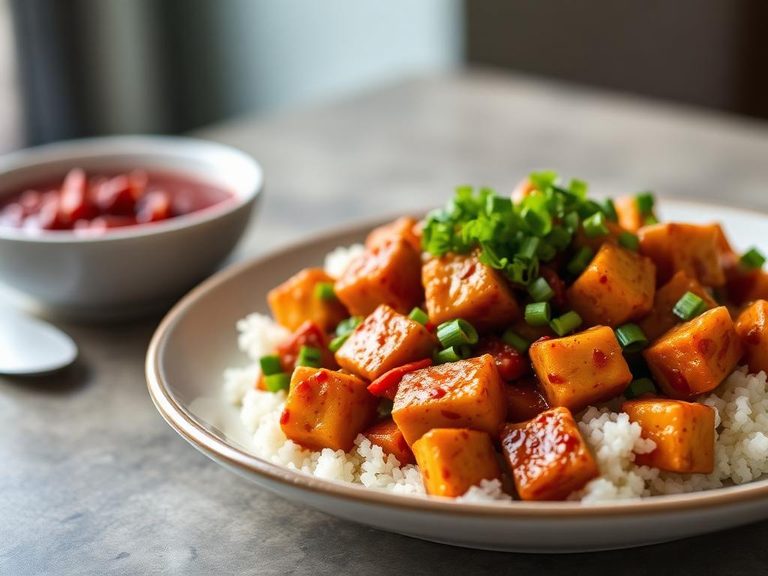
General-purpose sautéing and stir-fries
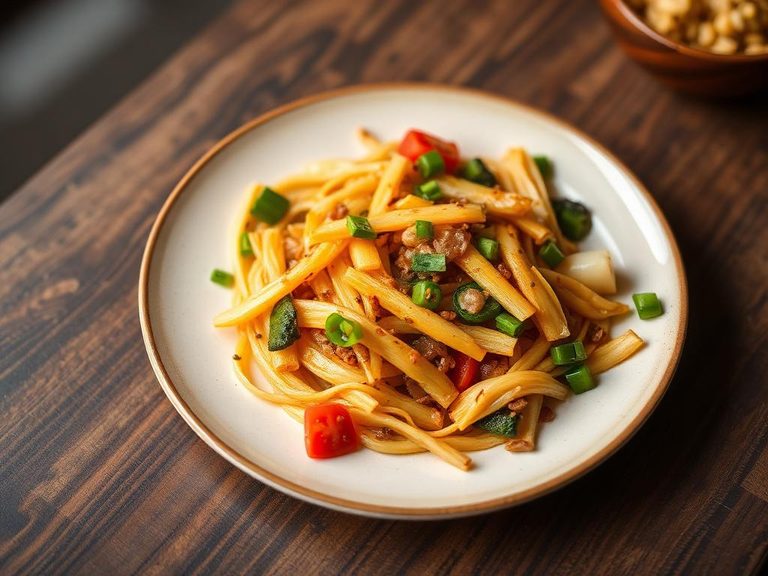
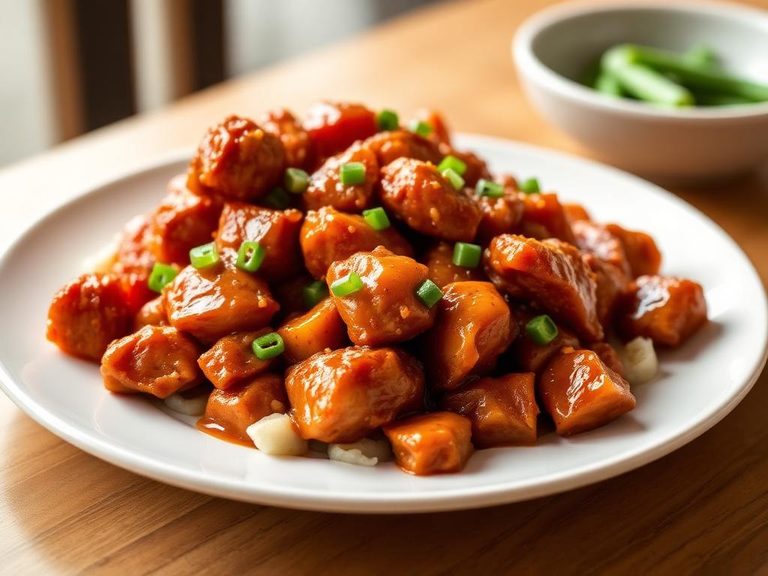
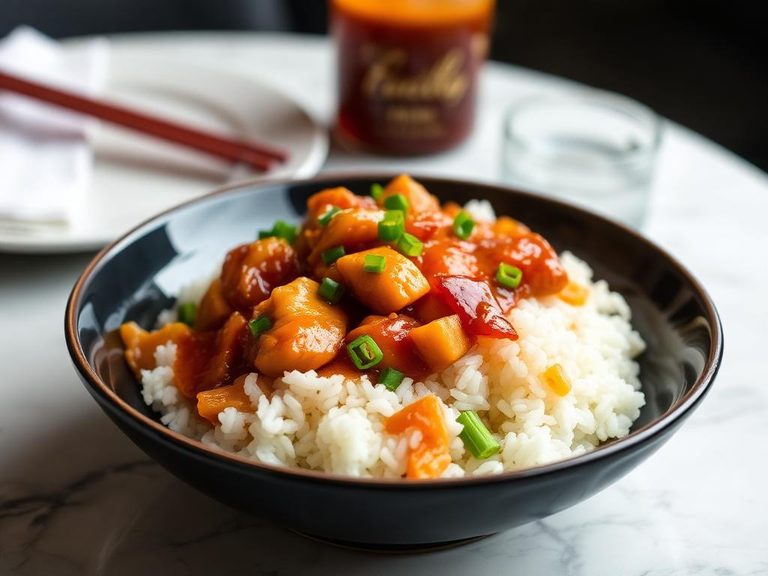
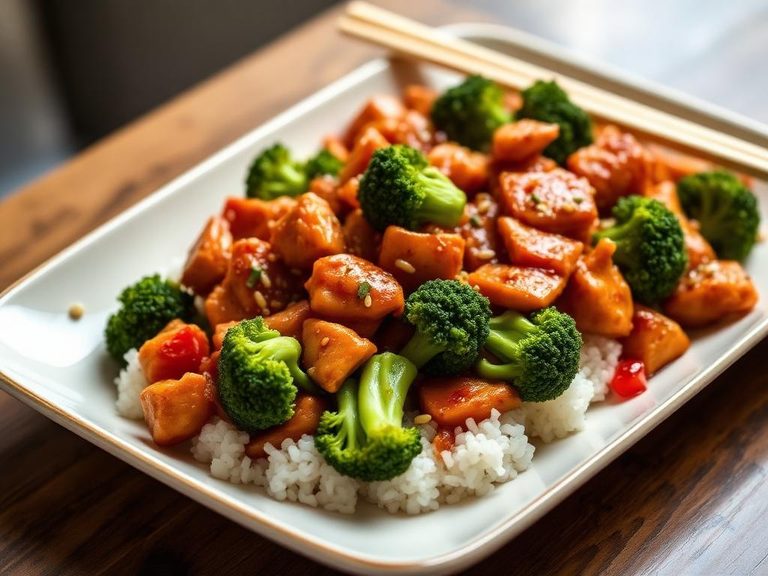
General-purpose sautéing and stir-fries are versatile cooking techniques, not a single dish, where ingredients are cooked quickly in a small amount of oil over high heat. They are foundational methods in many cuisines, especially East Asian, and can feature any combination of vegetables, meats, tofu, or noodles. The key is the rapid, high-heat cooking that preserves texture and flavor.
🍽️ Nutrition at a glance
The nutritional profile varies widely based on ingredients, but it is typically a balanced meal providing protein, healthy fats, and a mix of vitamins from vegetables. A standard serving can range from 300 to 500 calories, depending on the oil, protein, and carbohydrate content (like rice or noodles).
Nutrition breakdown
| Calories | 220 kcal |
| Protein | 12 g |
| Carbs | 15 g |
| Fat | 13 g |
| Fiber | 3 g |
| Sugar | 4 g |
| Sodium | 680 mg |
| Potassium | 350 mg |
| Vitamin C | 15 mg |
| Vitamin A | 120 mcg RAE |
| Iron | 2.5 mg |
| Calcium | 60 mg |
| Magnesium | 45 mg |
| Phosphorus | 180 mg |
| Vitamin B6 | 0.3 mg |
Per 1 cup (240 g) · estimated, varies by recipe
💡 What's interesting
The technique of stir-frying is a cornerstone of Chinese culinary philosophy, emphasizing the balance of color, aroma, taste, and texture. Nutritionally, the quick cooking method helps retain more heat-sensitive vitamins in vegetables compared to longer cooking processes.