All-purpose pastry crust
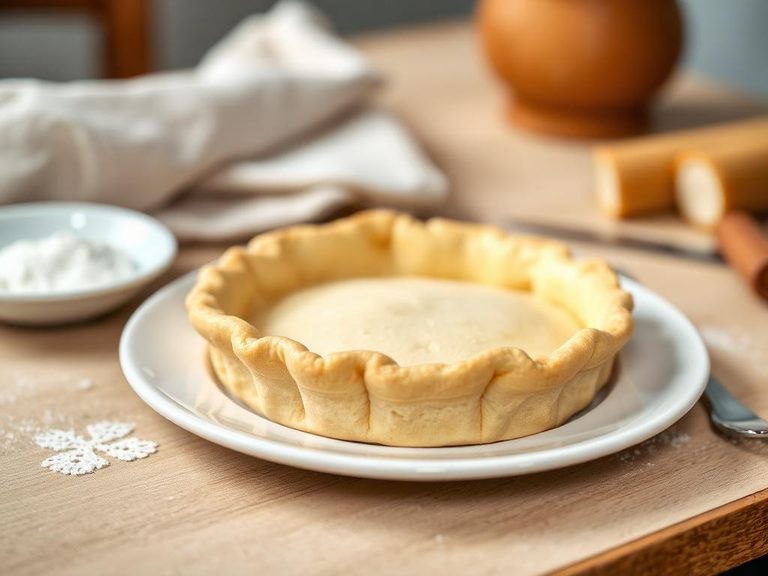
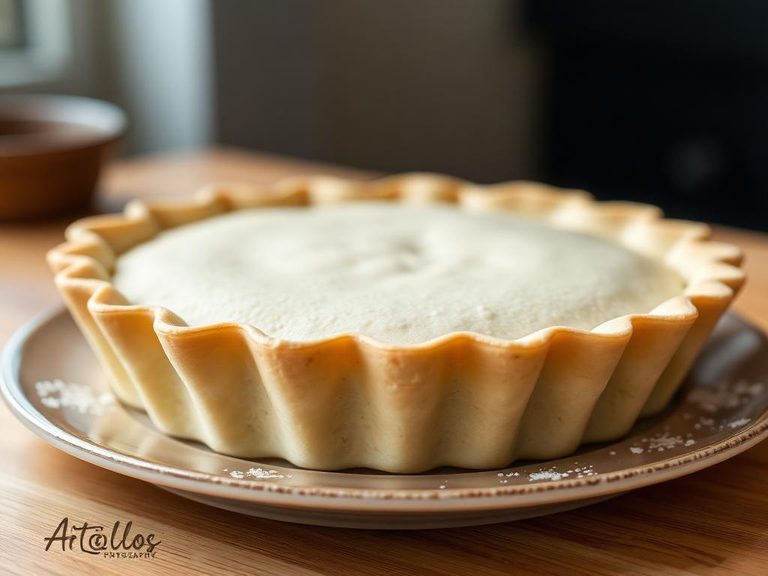
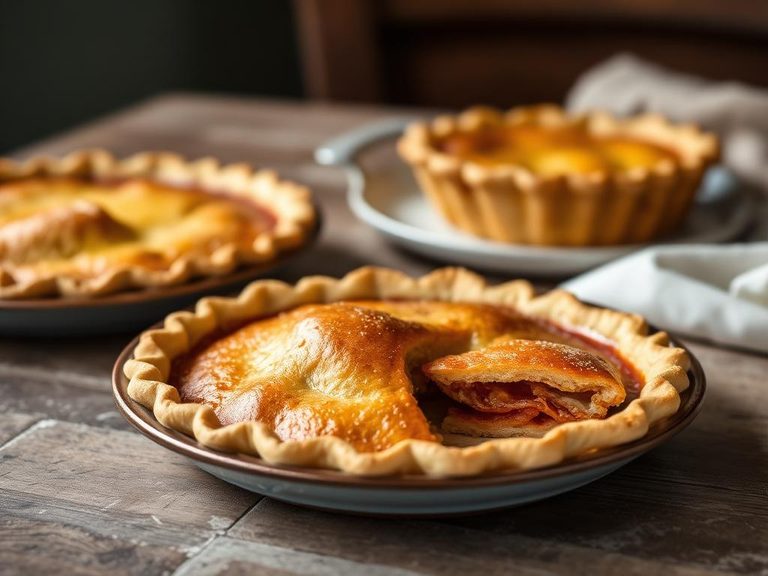
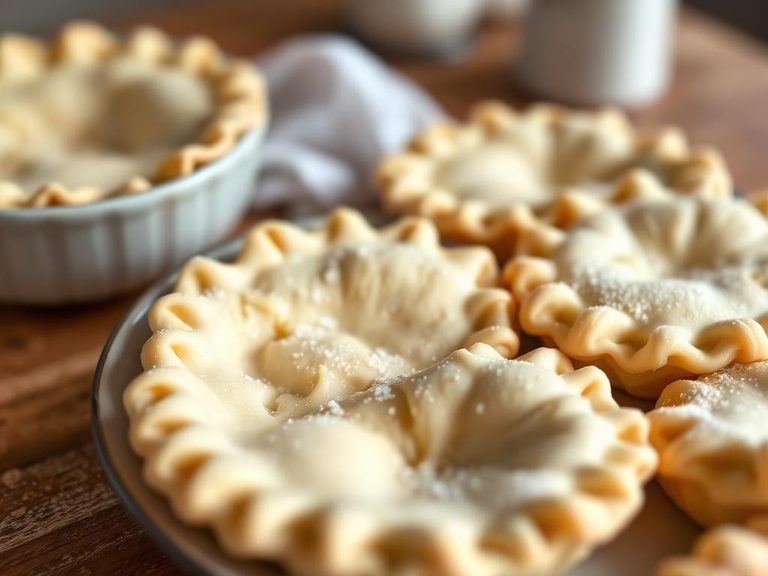
All-purpose pastry crust, often called pâte brisée, is a versatile, savory dough used as the base for tarts, quiches, and pies. It is typically made from flour, cold butter, a pinch of salt, and just enough ice water to bind it together. This foundational recipe is a cornerstone of French cuisine and has been adopted worldwide for both sweet and savory baking.
🍽️ Nutrition at a glance
This crust is high in carbohydrates and fat, primarily from refined flour and butter. It provides a significant amount of energy (calories) and some B vitamins and iron from the flour, but is generally low in protein and fiber.
Nutrition breakdown
| Calories | 650 kcal |
| Protein | 8 g |
| Carbs | 55 g |
| Fat | 44 g |
| Fiber | 2 g |
| Sugar | 1 g |
| Sodium | 450 mg |
| Iron | 3.5 mg |
| Thiamin (B1) | 0.4 mg |
| Niacin (B3) | 4.2 mg |
| Folate | 80 mcg |
| Selenium | 18 mcg |
| Phosphorus | 95 mg |
| Manganese | 0.6 mg |
| Vitamin A | 120 mcg RAE |
Per 1 single-crust pie shell (about 150 g) · estimated, varies by recipe
💡 What's interesting
Culturally, mastering this simple crust is considered a fundamental skill in classical French pastry training. Nutritionally, its high fat content from butter creates the characteristic flaky, tender texture through a process called lamination, where layers of fat separate the dough.