All-purpose flour for bread
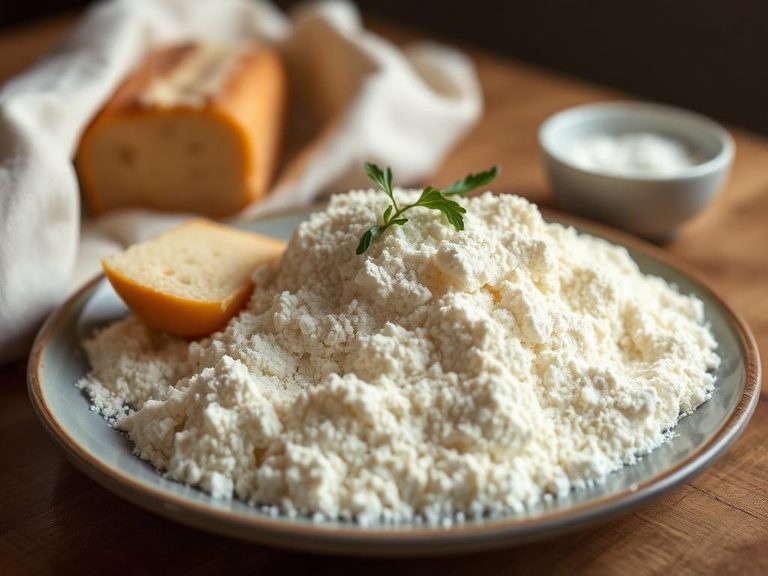
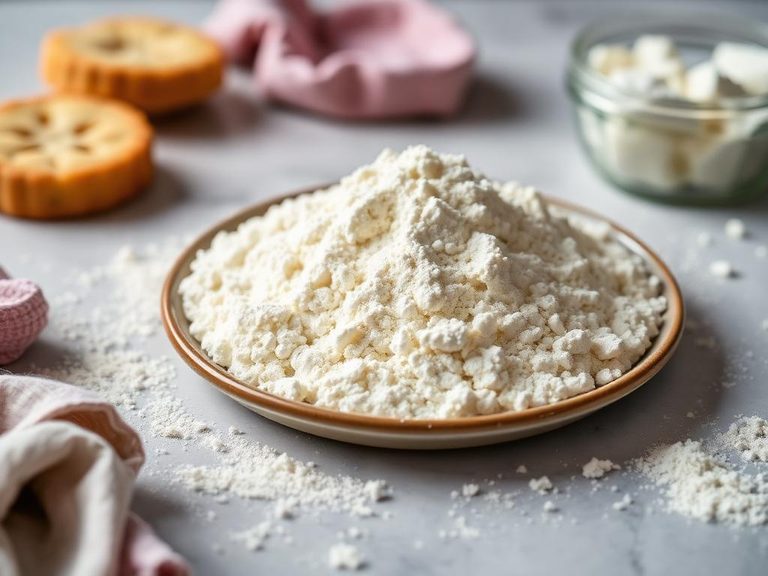
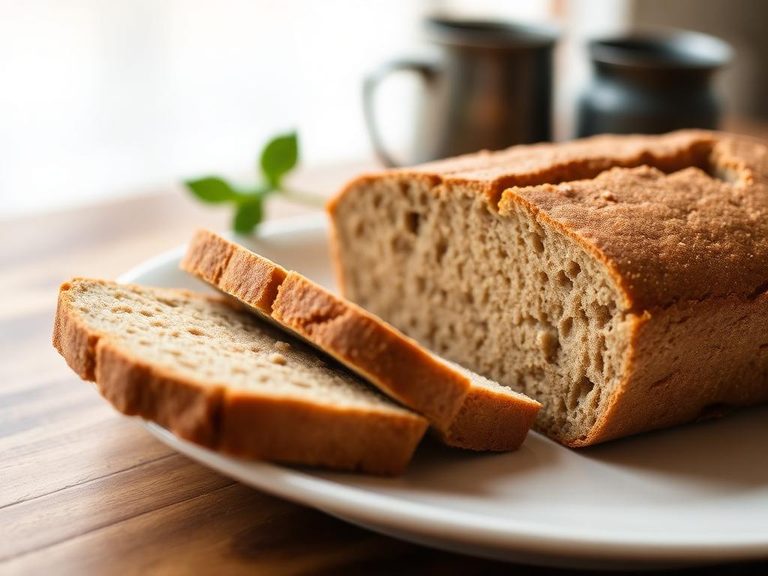
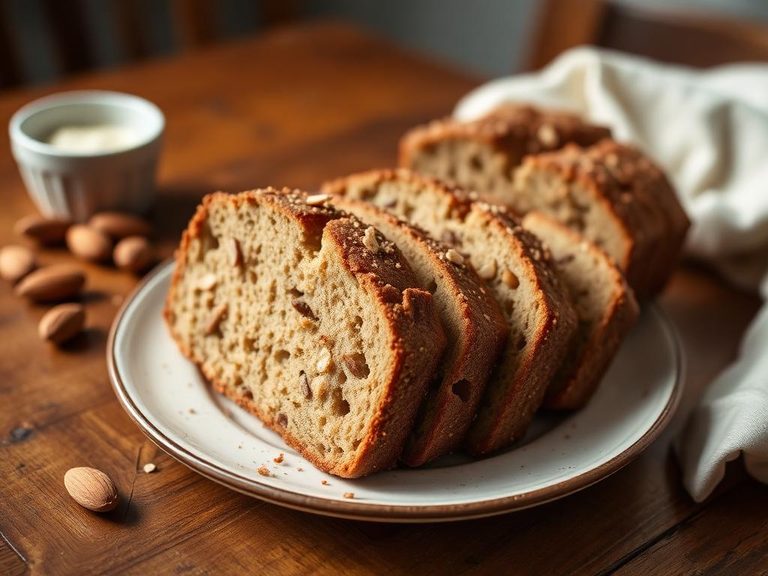
All-purpose flour for bread is a versatile, finely milled wheat flour used as the foundational ingredient in countless bread recipes worldwide. It is typically made from a blend of hard and soft wheat varieties, providing a balanced protein content ideal for yeast-leavened loaves. While originating from ancient grain-processing techniques, it is now a global kitchen staple.
🍽️ Nutrition at a glance
This flour is primarily a high-carbohydrate food, providing a significant source of energy. It offers moderate protein and is often enriched with essential nutrients like iron and B vitamins, with a typical serving containing around 450-500 calories.
Nutrition breakdown
| Calories | 455 kcal |
| Protein | 12.9 g |
| Carbs | 95.4 g |
| Fat | 1.2 g |
| Fiber | 3.4 g |
| Sugar | 0.3 g |
| Sodium | 2 mg |
| Iron | 5.8 mg |
| Thiamin (B1) | 0.8 mg |
| Niacin (B3) | 7.8 mg |
| Folate | 183 µg |
| Manganese | 0.7 mg |
| Selenium | 41.8 µg |
| Phosphorus | 135 mg |
| Magnesium | 35 mg |
Per 1 cup (120 g) · estimated, varies by recipe
💡 What's interesting
Nutritionally, it's a blank canvas—its neutral flavor and consistent gluten-forming potential make it the workhorse for everything from fluffy sandwich loaves to dense artisan breads. Culturally, the shift to refined white flour in the 19th century democratized bread-making, making soft, white loaves accessible to the masses.