

Milk, buttermilk, dried
Whole food · Dairy and Egg Products

Photo: Wikipedia
Dried buttermilk is a tangy, fine powder with a creamy, slightly acidic flavor and a smooth, dissolvable texture. It's a nutritional powerhouse, packing over 34 grams of protein and 49 grams of carbs per 100 grams, making it a concentrated source of energy and muscle-building nutrients.
Calorie split: 36% protein · 51% carbs · 14% fat
↓ Full nutrition💚 Why it's loved
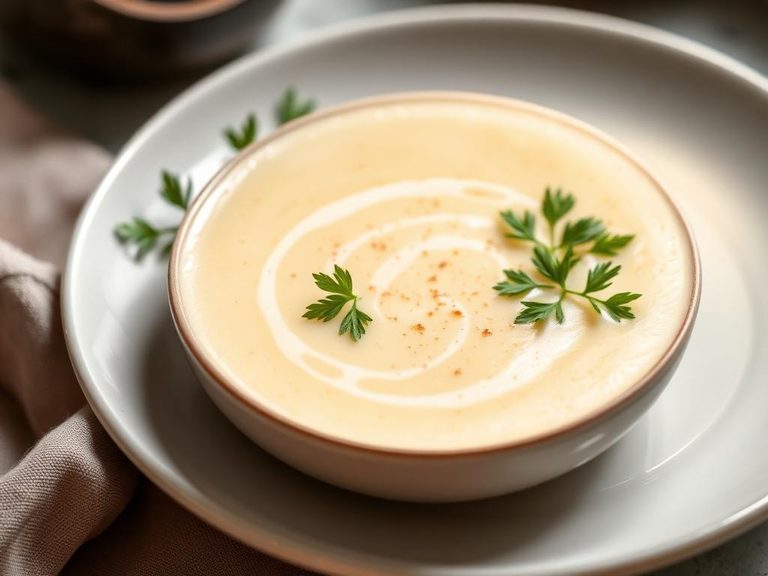
People love it for its unique, tangy flavor that adds depth to pancakes, biscuits, and dressings, and its incredible versatility as both a baking ingredient and a nutritional supplement.
⚠️ Watch-outs & how to enjoy it better
The high carbohydrate and sugar content (49g each per 100g) can cause blood-sugar spikes if consumed in large amounts. It's also a common dairy allergen. To counteract this, pair it with a source of fat or fiber (like nuts or berries) and practice portion control.
Key benefits
- Excellent source of high-quality protein for muscle repair
- Rich in calcium for bone health
- Provides probiotics for gut health (in some forms)
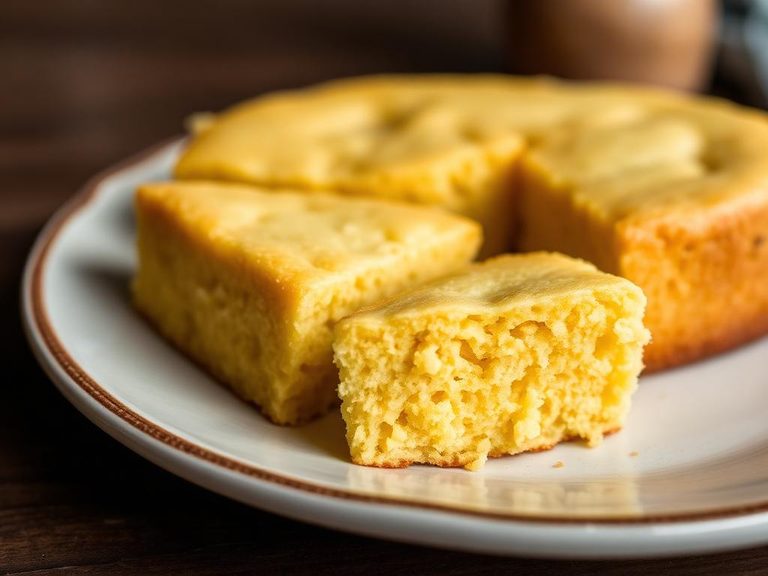
- Adds tang and moisture to baked goods
- Long shelf life for convenient storage
🍽️ Popular dishes
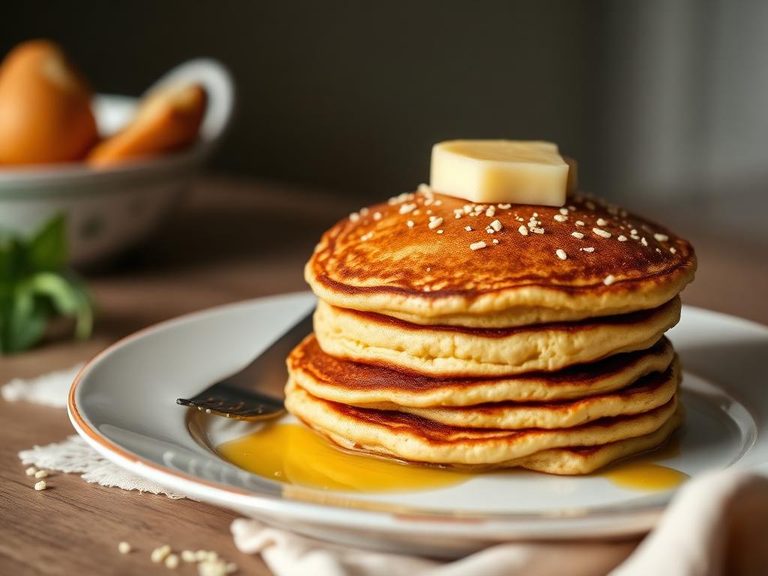
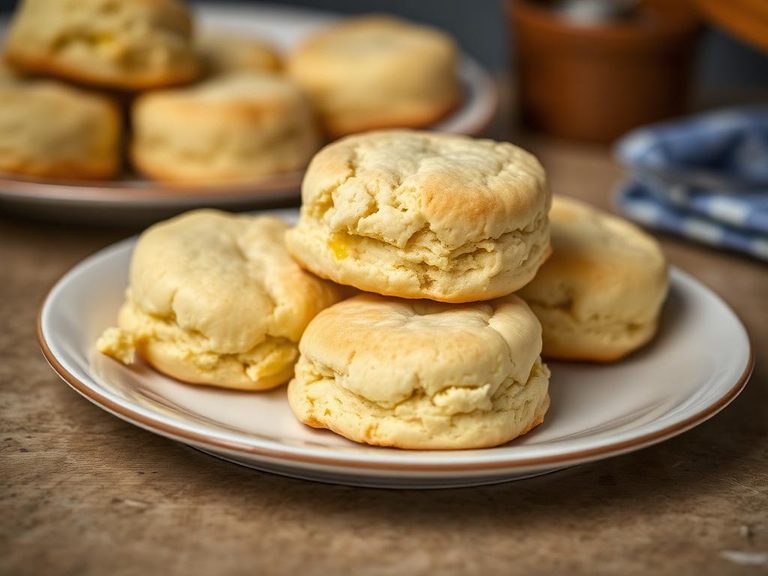
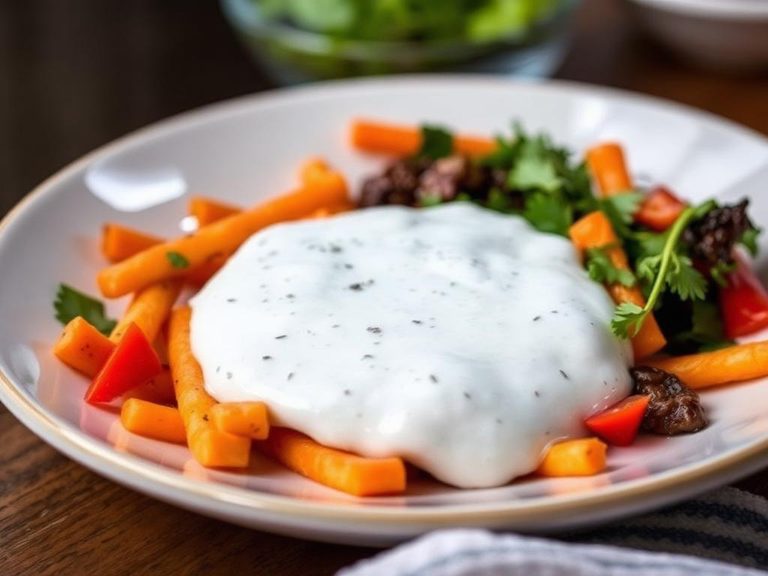
🌍 Where it's eaten
💡 Did you know?
The 'buttermilk' in dried buttermilk is traditionally the liquid left over after churning butter from cream, but modern dried buttermilk is often made from cultured skim milk for consistency.
Full nutrition (USDA data · scales with serving)
| Water | 3.0 g |
| Energy | 387 kcal |
| Energy | 1619 kj |
| Protein | 34.3 g |
| Total lipid (fat) | 5.8 g |
| Ash | 8.0 g |
| Carbohydrate, by difference | 49.0 g |
| Fiber, total dietary | 0.00 g |
| Total Sugars | 49.0 g |
| Calcium, Ca | 1184 mg |
| Iron, Fe | 0.30 mg |
| Magnesium, Mg | 110 mg |
| Phosphorus, P | 933 mg |
| Potassium, K | 1592 mg |
| Sodium, Na | 517 mg |
| Zinc, Zn | 4.0 mg |
| Copper, Cu | 0.11 mg |
| Manganese, Mn | 0.02 mg |
| Selenium, Se | 20.3 ug |
| Vitamin C, total ascorbic acid | 5.7 mg |
| Thiamin | 0.39 mg |
| Riboflavin | 1.6 mg |
| Niacin | 0.88 mg |
| Pantothenic acid | 3.2 mg |
| Vitamin B-6 | 0.34 mg |
| Folate, total | 47.0 ug |
| Folic acid | 0.00 ug |
| Folate, food | 47.0 ug |
| Folate, DFE | 47.0 ug |
| Choline, total | 119 mg |
| Vitamin B-12 | 3.8 ug |
| Vitamin B-12, added | 0.00 ug |
| Vitamin A, RAE | 49.0 ug |
| Retinol | 48.0 ug |
| Carotene, beta | 9.0 ug |
| Carotene, alpha | 0.00 ug |
| Cryptoxanthin, beta | 0.00 ug |
| Vitamin A, IU | 175 iu |
| Lycopene | 0.00 ug |
| Lutein + zeaxanthin | 0.00 ug |
| Vitamin E (alpha-tocopherol) | 0.10 mg |
| Vitamin E, added | 0.00 mg |
| Vitamin D (D2 + D3), International Units | 20.0 iu |
| Vitamin D (D2 + D3) | 0.50 ug |
| Vitamin D3 (cholecalciferol) | 0.50 ug |
| Vitamin K (phylloquinone) | 0.40 ug |
| Alcohol, ethyl | 0.00 g |
| Caffeine | 0.00 mg |
| Theobromine | 0.00 mg |
Fat & fatty acid profile (per 100g)
| Fatty acids, total saturated | 3.6 g |
| SFA 4:0 | 0.19 g |
| SFA 6:0 | 0.11 g |
| SFA 8:0 | 0.07 g |
| SFA 10:0 | 0.14 g |
| SFA 12:0 | 0.16 g |
| SFA 14:0 | 0.58 g |
| SFA 16:0 | 1.5 g |
| SFA 18:0 | 0.70 g |
| Fatty acids, total monounsaturated | 1.7 g |
| MUFA 16:1 | 0.13 g |
| MUFA 18:1 | 1.5 g |
| MUFA 20:1 | 0.00 g |
| MUFA 22:1 | 0.00 g |
| Fatty acids, total polyunsaturated | 0.21 g |
| PUFA 18:2 | 0.13 g |
| PUFA 18:3 | 0.08 g |
| PUFA 18:4 | 0.00 g |
| PUFA 20:4 | 0.00 g |
| PUFA 20:5 n-3 (EPA) | 0.00 g |
| PUFA 22:5 n-3 (DPA) | 0.00 g |
| PUFA 22:6 n-3 (DHA) | 0.00 g |
| Cholesterol | 69.0 mg |
Amino acid profile (per 100g)
| Tryptophan | 0.48 g |
| Threonine | 1.5 g |
| Isoleucine | 2.1 g |
| Leucine | 3.4 g |
| Lysine | 2.7 g |
| Methionine | 0.86 g |
| Cystine | 0.32 g |
| Phenylalanine | 1.7 g |
| Tyrosine | 1.7 g |
| Valine | 2.3 g |
| Arginine | 1.2 g |
| Histidine | 0.93 g |
| Alanine | 1.2 g |
| Aspartic acid | 2.6 g |
| Glutamic acid | 7.2 g |
| Glycine | 0.73 g |
| Proline | 3.3 g |
| Serine | 1.9 g |
FAQ
How do I reconstitute dried buttermilk?
Mix 1 part dried buttermilk with 4 parts water. For example, 1/4 cup powder to 1 cup water. Let it sit for a few minutes to thicken.
Can I use it as a substitute for regular buttermilk in recipes?
Yes, but you need to reconstitute it first. The ratio is typically 1 cup reconstituted buttermilk for 1 cup regular buttermilk.
Is dried buttermilk the same as powdered milk?
No. Dried buttermilk is tangier and has a different protein and fat profile, giving it a distinct flavor and function in recipes, especially for baking.
Nutrient density (calculated · NRF9.3)
Nutrient Rich Foods index: beneficial nutrients (protein, fiber, vitamins, minerals) minus saturated fat, added sugar & sodium, per 100 kcal.
NRF9.3 index — Fulgoni, Keast & Drewnowski, 2009. Computed from USDA nutrients.
Weight-loss friendliness (composite index)
Energy density 3.87 kcal/g · 35% calories from protein · 0.0 g fiber · 49.0 g sugar per 100 g.
Composite of energy density (Rolls et al., 1999), protein & fiber satiety, minus sugar. A calculated heuristic — ranks satiety-per-calorie, not a clinical measure.
Dietary load (calculated from USDA values)
Potential renal acid load. Positive = acid-forming, negative = alkaline-forming.
Sodium-to-potassium ratio: 0.32 (lower is better — aim for ≤ 1)
Sodium:potassium per WHO potassium guidance. Computed from USDA nutrients.