

Mayonnaise dressing, no cholesterol
Whole food · Fats and Oils

Photo: Wikipedia
This is a rich, creamy emulsion of oil, egg yolk, and acid, with a smooth, velvety texture and a tangy, savory flavor. Nutritionally, it is almost pure fat, providing a high-energy density of 688 kcal per 100g with negligible protein or carbohydrates. It's a classic condiment known for its ability to bind and enrich dishes.
Calorie split: 0% protein · 0% carbs · 100% fat
↓ Full nutrition💚 Why it's loved
People love it for its luxurious, creamy texture and its incredible versatility as a base for countless dressings, dips, and spreads. It's a cultural staple in everything from classic sandwiches to potato salad, valued for its ability to instantly elevate a dish's richness.
⚠️ Watch-outs & how to enjoy it better
Its very high fat and calorie content can be a concern for those monitoring energy intake or following a low-fat diet. To counteract this, practice strict portion control (e.g., using a measured tablespoon) and pair it with high-fiber vegetables or lean proteins to create a more balanced meal.
Key benefits
- Provides a concentrated source of dietary fat for energy.
- Acts as an effective emulsifier and thickener in sauces and dressings.
- Adds a rich, creamy mouthfeel and savory depth to dishes.
- Offers a cholesterol-free alternative to traditional mayonnaise.
- Enhances the palatability of vegetables and proteins.
🍽️ Popular dishes
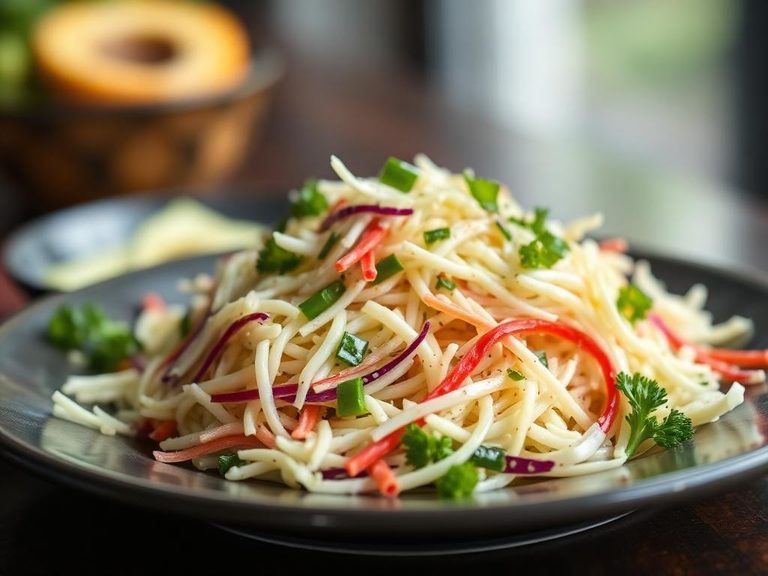
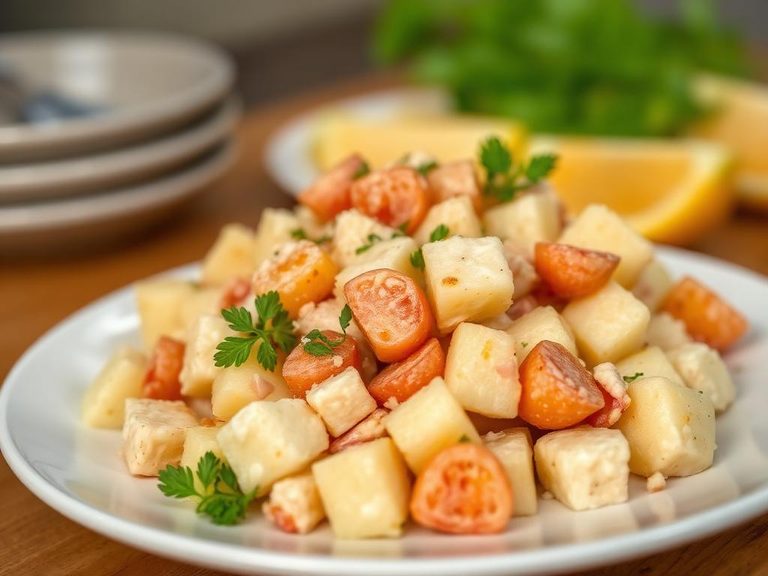
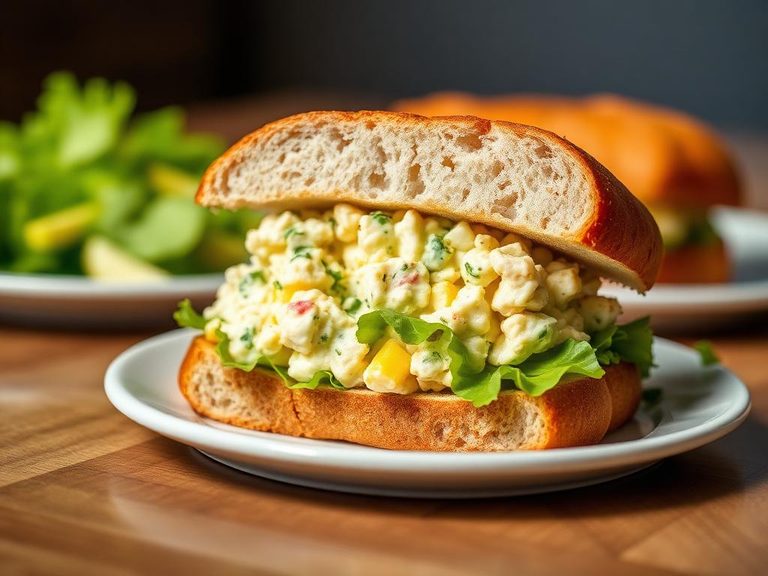
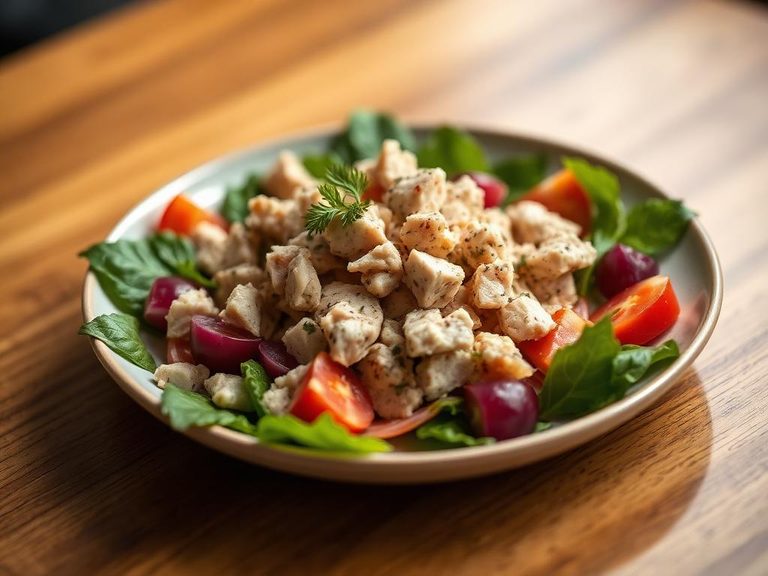
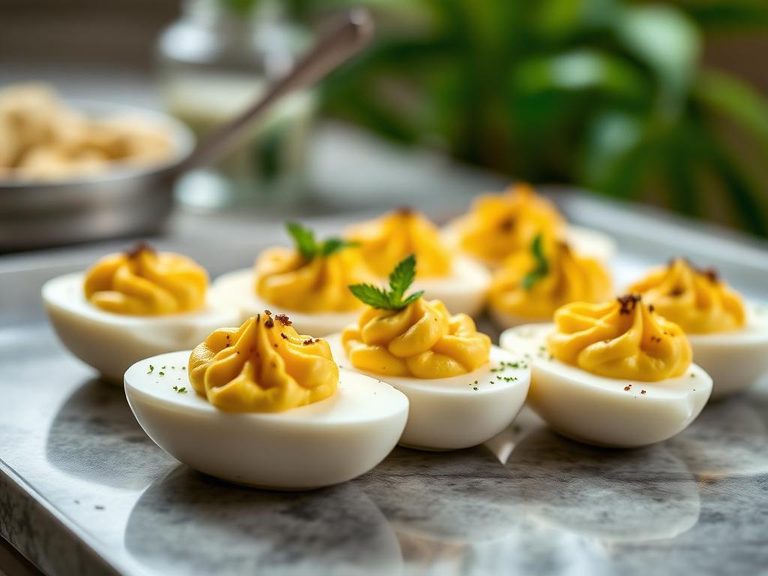
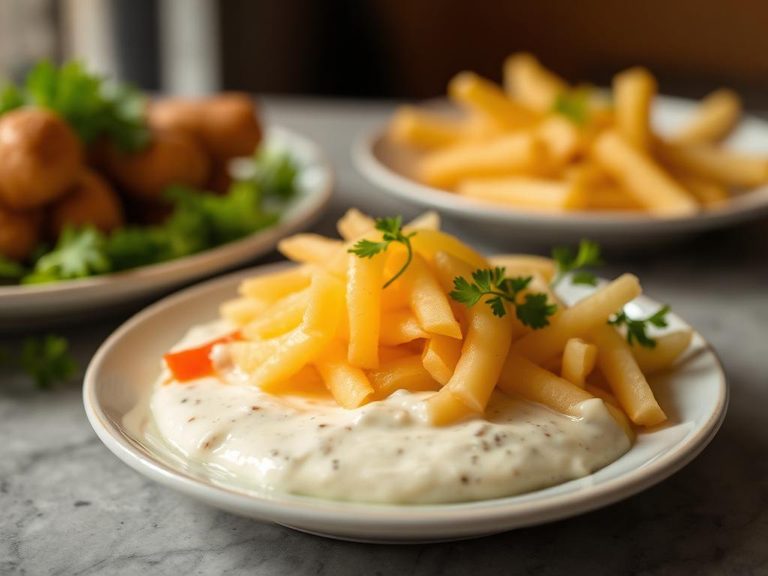
🌍 Where it's eaten
💡 Did you know?
Traditional mayonnaise is a notoriously unstable emulsion that can 'break' or separate if the ingredients aren't at the right temperature or aren't whisked properly; commercial versions often contain added stabilizers like lecithin to prevent this.
Full nutrition (USDA data · scales with serving)
| Water | 21.7 g |
| Energy | 688 kcal |
| Energy | 2879 kj |
| Protein | 0.00 g |
| Total lipid (fat) | 77.8 g |
| Ash | 0.40 g |
| Carbohydrate, by difference | 0.30 g |
| Fiber, total dietary | 0.00 g |
| Total Sugars | 0.30 g |
| Calcium, Ca | 7.0 mg |
| Iron, Fe | 0.23 mg |
| Magnesium, Mg | 1.0 mg |
| Phosphorus, P | 25.0 mg |
| Potassium, K | 14.0 mg |
| Sodium, Na | 486 mg |
| Zinc, Zn | 0.13 mg |
| Copper, Cu | 0.00 mg |
| Selenium, Se | 1.6 ug |
| Vitamin C, total ascorbic acid | 0.00 mg |
| Thiamin | 0.01 mg |
| Riboflavin | 0.06 mg |
| Niacin | 0.01 mg |
| Vitamin B-6 | 0.01 mg |
| Folate, total | 0.00 ug |
| Folic acid | 0.00 ug |
| Folate, food | 0.00 ug |
| Folate, DFE | 0.00 ug |
| Choline, total | 0.70 mg |
| Vitamin B-12 | 0.00 ug |
| Vitamin B-12, added | 0.00 ug |
| Vitamin A, RAE | 0.00 ug |
| Retinol | 0.00 ug |
| Carotene, beta | 0.00 ug |
| Carotene, alpha | 0.00 ug |
| Cryptoxanthin, beta | 0.00 ug |
| Vitamin A, IU | 0.00 iu |
| Lycopene | 0.00 ug |
| Lutein + zeaxanthin | 0.00 ug |
| Vitamin E (alpha-tocopherol) | 11.8 mg |
| Vitamin E, added | 0.00 mg |
| Vitamin D (D2 + D3), International Units | 0.00 iu |
| Vitamin D (D2 + D3) | 0.00 ug |
| Vitamin K (phylloquinone) | 24.7 ug |
| Alcohol, ethyl | 0.00 g |
| Caffeine | 0.00 mg |
| Theobromine | 0.00 mg |
Fat & fatty acid profile (per 100g)
| Fatty acids, total saturated | 10.8 g |
| SFA 4:0 | 0.00 g |
| SFA 6:0 | 0.00 g |
| SFA 8:0 | 0.00 g |
| SFA 10:0 | 0.00 g |
| SFA 12:0 | 0.00 g |
| SFA 14:0 | 0.00 g |
| SFA 16:0 | 7.4 g |
| SFA 18:0 | 3.0 g |
| Fatty acids, total monounsaturated | 18.0 g |
| MUFA 16:1 | 0.00 g |
| MUFA 18:1 | 18.0 g |
| MUFA 20:1 | 0.00 g |
| MUFA 22:1 | 0.00 g |
| Fatty acids, total polyunsaturated | 45.5 g |
| PUFA 18:2 | 40.6 g |
| PUFA 18:3 | 5.0 g |
| PUFA 18:4 | 0.00 g |
| PUFA 20:4 | 0.00 g |
| PUFA 20:5 n-3 (EPA) | 0.00 g |
| PUFA 22:5 n-3 (DPA) | 0.00 g |
| PUFA 22:6 n-3 (DHA) | 0.00 g |
| Cholesterol | 0.00 mg |
Amino acid profile (per 100g)
Estimated from Salad dressing, mayonnaise, light — USDA does not publish this profile for Mayonnaise dressing.
| Tryptophan | 0.01 g |
| Threonine | 0.02 g |
| Isoleucine | 0.02 g |
| Leucine | 0.03 g |
| Lysine | 0.03 g |
| Methionine | 0.01 g |
| Cystine | 0.01 g |
| Phenylalanine | 0.02 g |
| Tyrosine | 0.01 g |
| Valine | 0.03 g |
| Arginine | 0.02 g |
| Histidine | 0.01 g |
| Alanine | 0.02 g |
| Aspartic acid | 0.04 g |
| Glutamic acid | 0.05 g |
| Glycine | 0.01 g |
| Proline | 0.01 g |
| Serine | 0.03 g |
FAQ
Why is this mayonnaise labeled 'no cholesterol'?
Cholesterol is found in animal products. Traditional mayonnaise contains egg yolks, which have cholesterol. This version likely uses an egg-free formula or plant-based emulsifiers, eliminating dietary cholesterol.
What is it mostly made of?
Based on the nutrition facts (77.8g fat per 100g), this is primarily a blend of vegetable oils, water, and emulsifiers like mustard or soy lecithin, with vinegar or lemon juice for tang.
Can I use this for cooking and baking?
Yes, it's excellent for pan-frying (it browns well due to the oil content) and can add moisture and richness to baked goods like cakes or cornbread, though its flavor will be present.
Nutrient density (calculated · NRF9.3)
Nutrient Rich Foods index: beneficial nutrients (protein, fiber, vitamins, minerals) minus saturated fat, added sugar & sodium, per 100 kcal.
NRF9.3 index — Fulgoni, Keast & Drewnowski, 2009. Computed from USDA nutrients.
Weight-loss friendliness (composite index)
Energy density 6.88 kcal/g · 0% calories from protein · 0.0 g fiber · 0.3 g sugar per 100 g.
Composite of energy density (Rolls et al., 1999), protein & fiber satiety, minus sugar. A calculated heuristic — ranks satiety-per-calorie, not a clinical measure.
Dietary load (calculated from USDA values)
Potential renal acid load. Positive = acid-forming, negative = alkaline-forming.
Sodium-to-potassium ratio: 34.71 (lower is better — aim for ≤ 1)
Sodium:potassium per WHO potassium guidance. Computed from USDA nutrients.