

Margarine, 80% fat, tub, CANOLA HARVEST Soft Spread (canola, palm and palm kernel oils)
Whole food · Fats and Oils

Photo: Wikipedia
Canola Harvest Soft Spread is a smooth, plant-based tub margarine made from a blend of canola, palm, and palm kernel oils, designed for easy spreading straight from the fridge. It delivers a mild, creamy flavor with a soft, non-greasy texture that melts effortlessly on warm bread. With 80% fat and 730 kcal per 100g, it is a calorie-dense, cholesterol-free alternative to butter.
Calorie split: 0% protein · 1% carbs · 99% fat
↓ Full nutrition💚 Why it's loved
People love it for its convenient, spreadable texture right out of the refrigerator and its mild, buttery taste that complements rather than overpowers foods. It's a versatile staple for quick sandwiches, baking substitutions, and adding richness to cooked vegetables.
⚠️ Watch-outs & how to enjoy it better
As a highly processed food with 80% fat (including saturated fats from palm oil), it is very calorie-dense and should be used in moderation. Those monitoring saturated fat intake or preferring whole foods may opt for alternatives. To balance, use thin layers and pair with fiber-rich foods like whole-grain toast or fresh vegetables.
Key benefits
- Cholesterol-free plant-based spread
- Good source of monounsaturated fats from canola oil
- Provides essential fatty acids like omega-3 (ALA)
- Contains added vitamins A and D for nutrition
- Soft texture for easy spreading without tearing bread
🍽️ Popular dishes
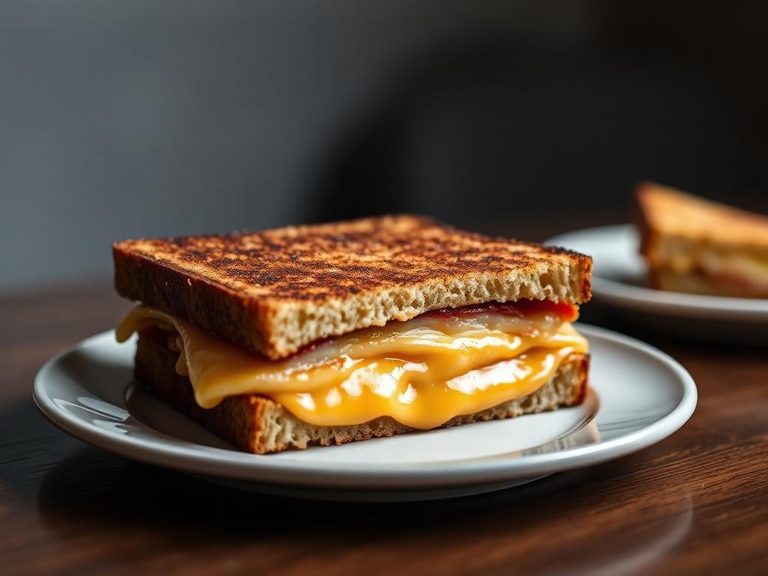
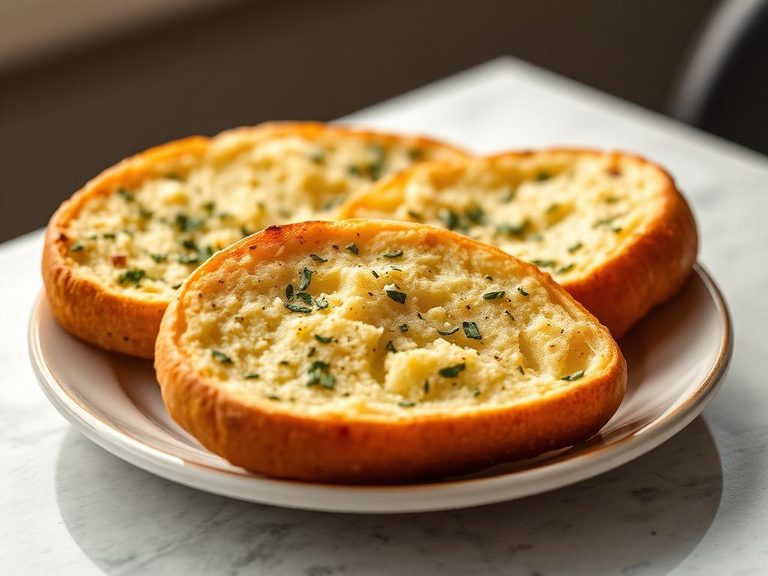
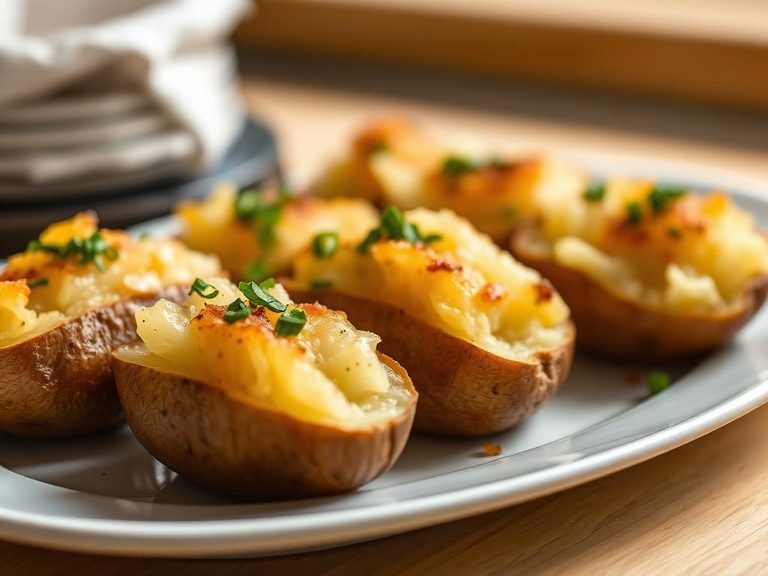

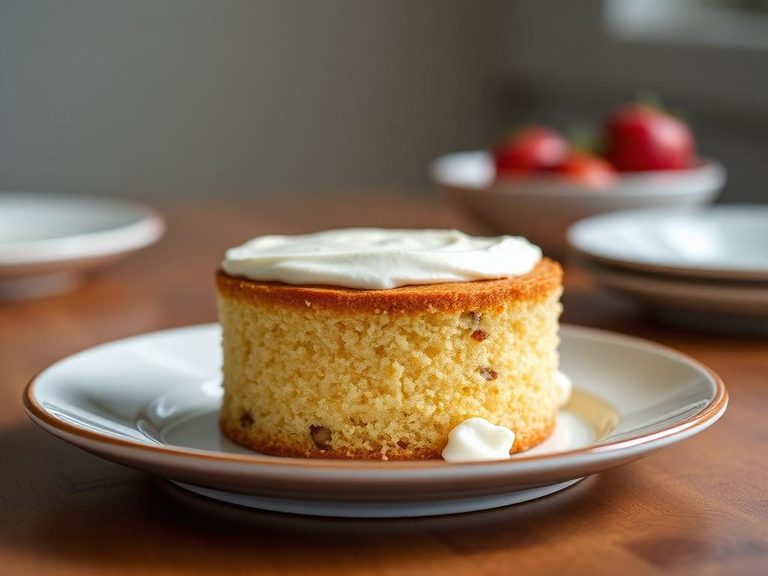
🌍 Where it's eaten
💡 Did you know?
The 'soft spread' formulation uses a process called interesterification to modify the melting point of palm oil, allowing the margarine to stay spreadable at fridge temperatures without hydrogenation.
Full nutrition (USDA data · scales with serving)
| Water | 16.1 g |
| Energy | 730 kcal |
| Energy | 3055 kj |
| Protein | 0.41 g |
| Total lipid (fat) | 80.3 g |
| Ash | 1.8 g |
| Carbohydrate, by difference | 1.4 g |
| Sodium, Na | 714 mg |
| Vitamin E (alpha-tocopherol) | 26.6 mg |
| Tocopherol, beta | 0.02 mg |
| Tocopherol, gamma | 19.6 mg |
| Tocopherol, delta | 0.68 mg |
| Tocotrienol, alpha | 0.08 mg |
| Tocotrienol, beta | 0.00 mg |
| Tocotrienol, gamma | 0.09 mg |
| Tocotrienol, delta | 0.00 mg |
Fat & fatty acid profile (per 100g)
| Fatty acids, total saturated | 11.6 g |
| SFA 4:0 | 0.00 g |
| SFA 6:0 | 0.00 g |
| SFA 8:0 | 0.01 g |
| SFA 10:0 | 0.05 g |
| SFA 12:0 | 1.2 g |
| SFA 14:0 | 0.57 g |
| SFA 15:0 | 0.02 g |
| SFA 16:0 | 7.4 g |
| SFA 17:0 | 0.05 g |
| SFA 18:0 | 1.8 g |
| SFA 20:0 | 0.43 g |
| SFA 22:0 | 0.06 g |
| SFA 24:0 | 0.10 g |
| Fatty acids, total monounsaturated | 45.3 g |
| MUFA 14:1 | 0.00 g |
| MUFA 15:1 | 0.00 g |
| MUFA 16:1 | 0.14 g |
| MUFA 16:1 c | 0.14 g |
| MUFA 17:1 | 0.05 g |
| MUFA 18:1 | 43.6 g |
| MUFA 18:1 c | 43.6 g |
| MUFA 20:1 | 1.3 g |
| MUFA 22:1 | 0.03 g |
| MUFA 22:1 c | 0.03 g |
| MUFA 24:1 c | 0.13 g |
| Fatty acids, total polyunsaturated | 21.3 g |
| PUFA 18:2 | 14.5 g |
| PUFA 18:2 n-6 c,c | 14.2 g |
| PUFA 18:2 CLAs | 0.04 g |
| PUFA 18:3 | 6.8 g |
| PUFA 18:3 n-3 c,c,c (ALA) | 6.2 g |
| PUFA 18:3 n-6 c,c,c | 0.59 g |
| PUFA 18:4 | 0.00 g |
| PUFA 20:2 n-6 c,c | 0.04 g |
| PUFA 20:3 | 0.04 g |
| PUFA 20:3 n-3 | 0.00 g |
| PUFA 20:3 n-6 | 0.04 g |
| PUFA 20:4 | 0.00 g |
| PUFA 20:5 n-3 (EPA) | 0.00 g |
| PUFA 22:4 | 0.00 g |
| PUFA 22:5 n-3 (DPA) | 0.01 g |
| PUFA 22:6 n-3 (DHA) | 0.00 g |
| Fatty acids, total trans | 0.30 g |
| Fatty acids, total trans-monoenoic | 0.09 g |
| TFA 16:1 t | 0.00 g |
| TFA 18:1 t | 0.09 g |
| TFA 22:1 t | 0.00 g |
| TFA 18:2 t not further defined | 0.22 g |
| Fatty acids, total trans-polyenoic | 0.22 g |
Amino acid profile (per 100g)
Estimated from Margarine, regular, hard, soybean (hydrogenated) — USDA does not publish this profile for Margarine.
| Tryptophan | 0.01 g |
| Threonine | 0.04 g |
| Isoleucine | 0.05 g |
| Leucine | 0.08 g |
| Lysine | 0.07 g |
| Methionine | 0.02 g |
| Cystine | 0.01 g |
| Phenylalanine | 0.04 g |
| Tyrosine | 0.04 g |
| Valine | 0.06 g |
| Arginine | 0.03 g |
| Histidine | 0.02 g |
| Alanine | 0.03 g |
| Aspartic acid | 0.07 g |
| Glutamic acid | 0.18 g |
| Glycine | 0.02 g |
| Proline | 0.08 g |
| Serine | 0.05 g |
FAQ
Is this margarine trans fat free?
Modern tub margarines like this are typically made without partially hydrogenated oils, so they contain negligible or zero industrial trans fats. Always check the nutrition label for 'trans fat' to confirm.
Can I use this for baking?
Yes, it can substitute for butter in many recipes like cookies, cakes, and muffins. However, it has a higher water content than butter, which can affect texture and rise. For flaky pastries, butter is often preferred.
Why is it made with palm oil?
Palm oil is solid at room temperature, which helps give the margarine a firm, spreadable structure without hydrogenation. It's a common ingredient in vegetable oil spreads for texture and shelf stability.
Weight-loss friendliness (composite index)
Energy density 7.30 kcal/g · 0% calories from protein · 0.0 g fiber · 0.0 g sugar per 100 g.
Composite of energy density (Rolls et al., 1999), protein & fiber satiety, minus sugar. A calculated heuristic — ranks satiety-per-calorie, not a clinical measure.