

Cake frosting base
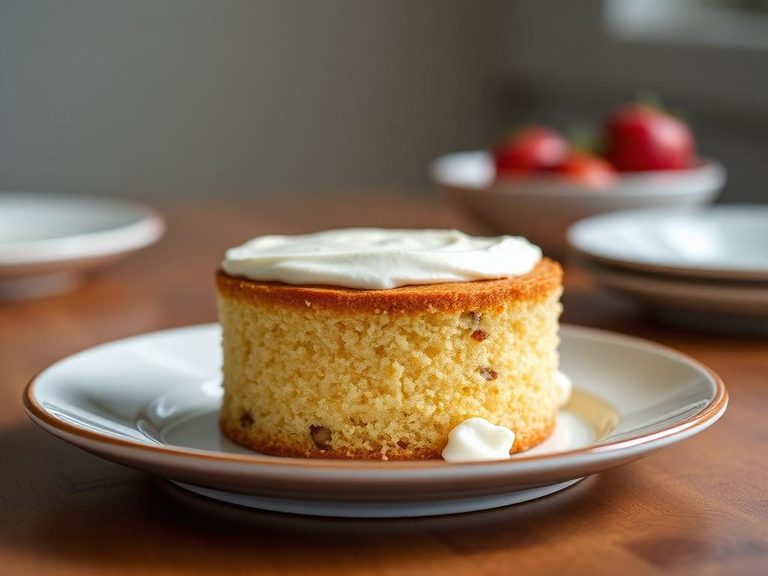
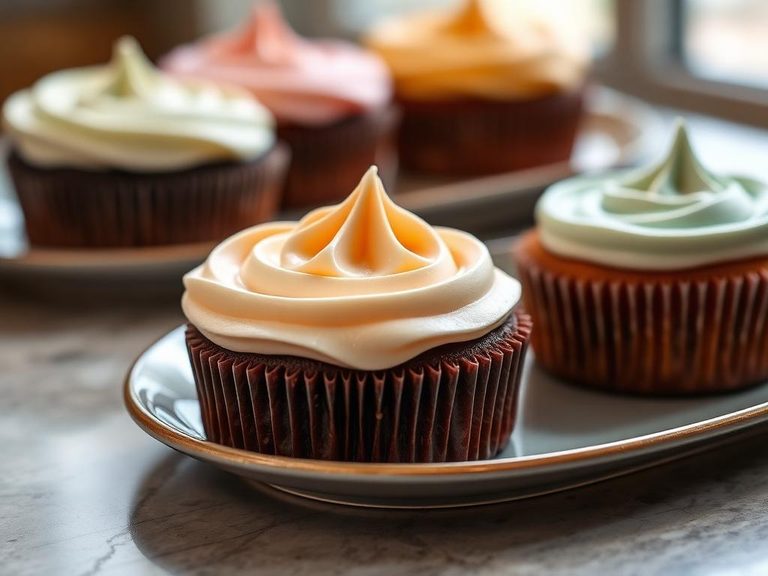
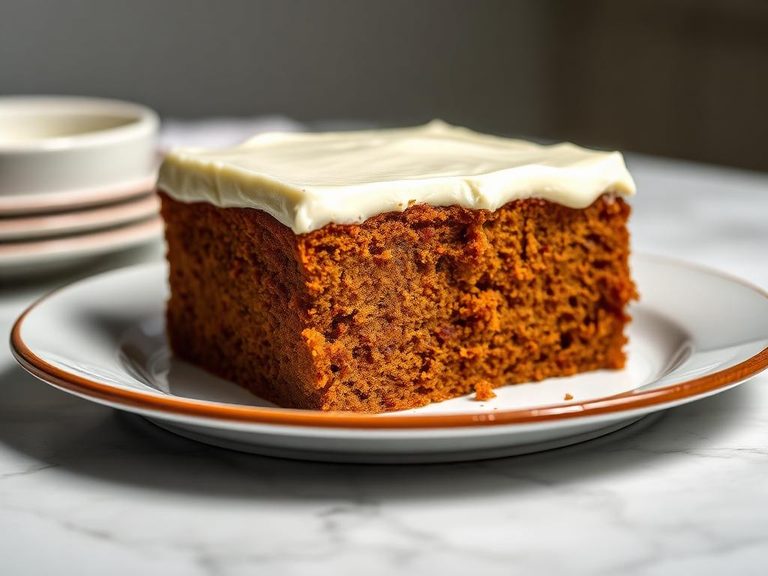
Cake frosting base, often called buttercream, is a smooth, spreadable mixture primarily made from fat (like butter or shortening), powdered sugar, and a liquid such as milk or cream. It originates from European and American baking traditions, serving as the foundational element for countless decorative and flavored frostings on cakes and cupcakes.
🍳 View the full Cake frosting base recipe →
🍽️ Nutrition at a glance
This base is very high in carbohydrates and fat, with minimal protein. A typical two-tablespoon serving provides roughly 100-150 calories, offering quick energy from sugar and some fat-soluble vitamins from the butter.
Nutrition breakdown
| Calories | 230 kcal |
| Protein | 0.5 g |
| Carbs | 30 g |
| Fat | 13 g |
| Fiber | 0 g |
| Sugar | 29 g |
| Sodium | 55 mg |
| Calcium | 10 mg |
| Iron | 0.1 mg |
| Vitamin A | 150 IU |
| Vitamin D | 0.2 mcg |
| Vitamin E | 0.5 mg |
| Vitamin K | 2 mcg |
| Phosphorus | 15 mg |
| Choline | 5 mg |
Per 1/4 cup (60 g) · estimated, varies by recipe
💡 What's interesting
Culturally, frosting is a defining feature of celebratory cakes, symbolizing festivity and craftsmanship in baking. Nutritionally, it's a concentrated source of energy, though its high sugar and fat content means it's meant for enjoyment in small, decorative portions rather than as a staple food.
🍽️ Related dishes
AI estimate may be inaccurate · Terms