

Luncheon meat, pork, ham, and chicken, minced, canned, reduced sodium, added ascorbic acid, includes SPAM, 25% less sodium
Whole food · Sausages and Luncheon Meats

Photo: Wikipedia
This is a leaner, lower-sodium take on the classic canned pork luncheon meat, often associated with the SPAM brand. It has a finely minced, uniform texture that becomes savory and slightly salty when fried, with a satisfying crisp edge. Nutritionally, it's a dense source of protein and fat, with the added ascorbic acid (Vitamin C) helping to preserve color and add a minor nutritional boost.
Calorie split: 17% protein · 5% carbs · 78% fat
↓ Full nutrition💚 Why it's loved
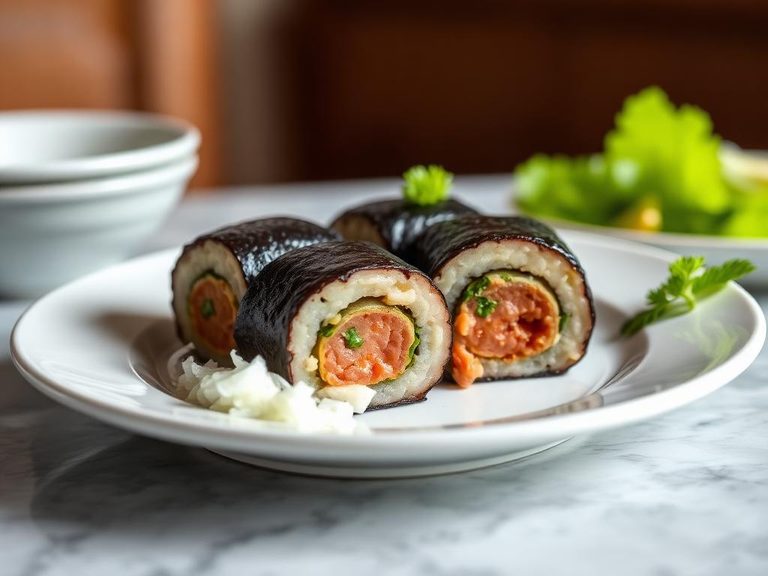
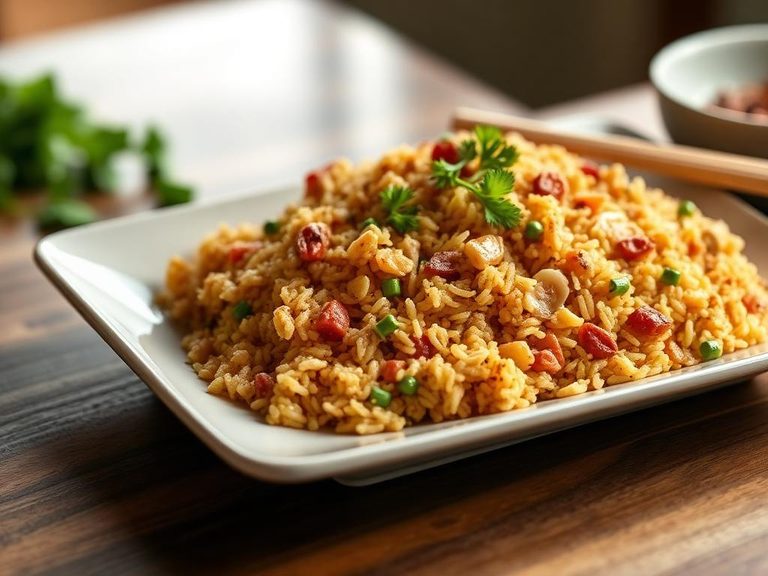
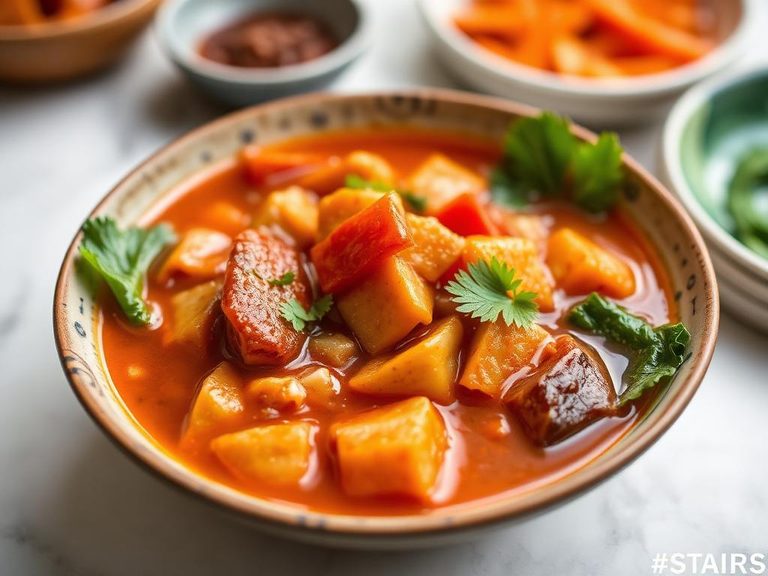
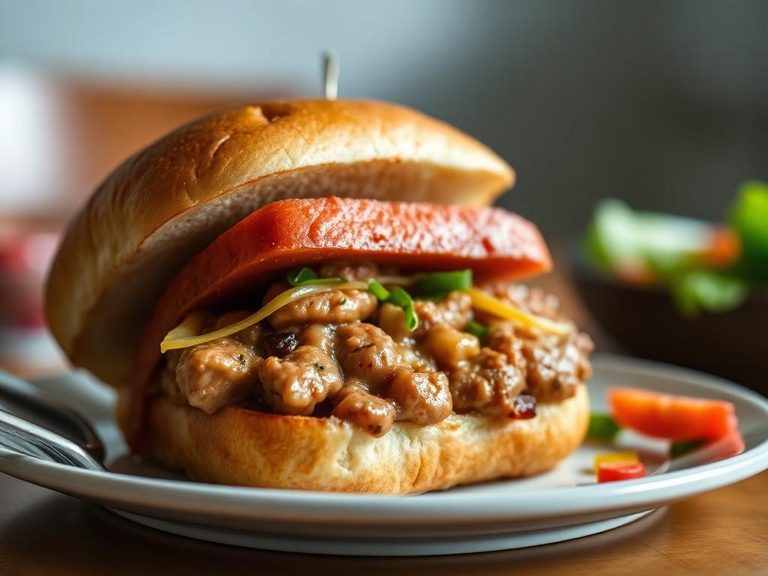
People love it for its iconic, savory umami flavor and the satisfying textural contrast when pan-fried to a crisp. It's a beloved, versatile staple in many cultures, from American breakfasts to Pacific Island feasts and Korean stews.
⚠️ Watch-outs & how to enjoy it better
Despite being reduced sodium, it is still a processed meat product and can be high in saturated fat. Those monitoring sodium intake or avoiding processed meats should exercise caution. Tip: Pair it with fiber-rich vegetables like steamed broccoli or a fresh salad to balance the meal and aid digestion.
Key benefits
- Excellent source of high-quality protein (25g per 100g).
- 25% less sodium than standard versions, supporting heart health.
- Contains added ascorbic acid (Vitamin C) for antioxidant benefits.
- Long shelf life and ready-to-eat convenience.
- Provides a quick, calorie-dense energy source.
🍽️ Popular dishes

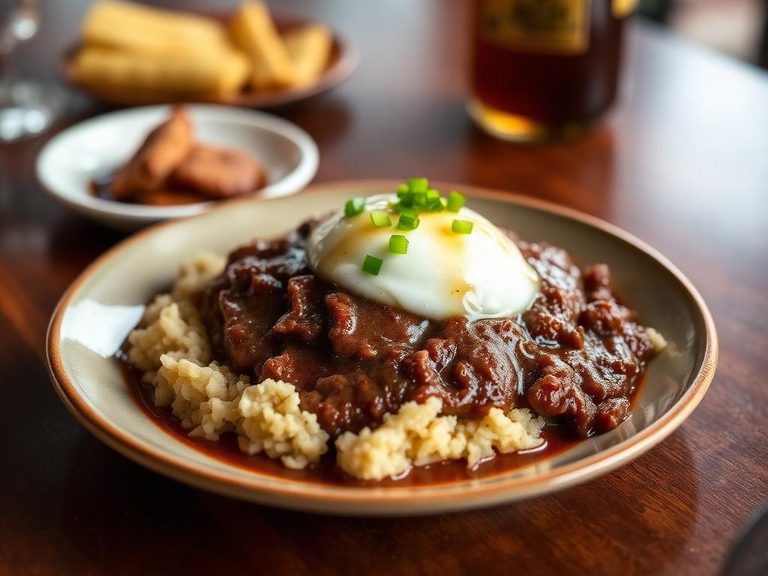
🌍 Where it's eaten
💡 Did you know?
During World War II, SPAM became so synonymous with the U.S. military's presence in the Pacific that the term 'SPAM' was sometimes used locally to refer to any canned meat or even American soldiers.
Full nutrition (USDA data · scales with serving)
| Water | 55.5 g |
| Energy | 293 kcal |
| Energy | 1226 kj |
| Protein | 12.5 g |
| Total lipid (fat) | 25.1 g |
| Ash | 3.5 g |
| Carbohydrate, by difference | 3.4 g |
| Fiber, total dietary | 0.00 g |
| Total Sugars | 0.00 g |
| Calcium, Ca | 0.00 mg |
| Iron, Fe | 0.64 mg |
| Magnesium, Mg | 14.0 mg |
| Phosphorus, P | 109 mg |
| Potassium, K | 564 mg |
| Sodium, Na | 1036 mg |
| Zinc, Zn | 2.1 mg |
| Copper, Cu | 0.05 mg |
| Selenium, Se | 25.0 ug |
| Vitamin C, total ascorbic acid | 43.0 mg |
| Thiamin | 0.26 mg |
| Riboflavin | 0.18 mg |
| Niacin | 3.2 mg |
| Vitamin B-6 | 0.28 mg |
| Folate, total | 4.0 ug |
| Folic acid | 0.00 ug |
| Folate, food | 4.0 ug |
| Folate, DFE | 4.0 ug |
| Choline, total | 61.2 mg |
| Betaine | 6.0 mg |
| Vitamin B-12 | 0.61 ug |
| Vitamin B-12, added | 0.00 ug |
| Vitamin A, RAE | 0.00 ug |
| Retinol | 0.00 ug |
| Carotene, beta | 0.00 ug |
| Carotene, alpha | 0.00 ug |
| Cryptoxanthin, beta | 0.00 ug |
| Vitamin A, IU | 0.00 iu |
| Lycopene | 0.00 ug |
| Lutein + zeaxanthin | 0.00 ug |
| Vitamin E (alpha-tocopherol) | 0.24 mg |
| Vitamin E, added | 0.00 mg |
| Vitamin D (D2 + D3), International Units | 23.0 iu |
| Vitamin D (D2 + D3) | 0.60 ug |
| Vitamin D3 (cholecalciferol) | 0.60 ug |
| Vitamin K (phylloquinone) | 0.00 ug |
| Alcohol, ethyl | 0.00 g |
| Caffeine | 0.00 mg |
| Theobromine | 0.00 mg |
Fat & fatty acid profile (per 100g)
| Fatty acids, total saturated | 8.9 g |
| SFA 4:0 | 0.00 g |
| SFA 6:0 | 0.00 g |
| SFA 8:0 | 0.00 g |
| SFA 10:0 | 0.04 g |
| SFA 12:0 | 0.05 g |
| SFA 14:0 | 0.31 g |
| SFA 16:0 | 5.8 g |
| SFA 18:0 | 2.6 g |
| Fatty acids, total monounsaturated | 12.3 g |
| MUFA 16:1 | 1.2 g |
| MUFA 18:1 | 11.2 g |
| MUFA 20:1 | 0.00 g |
| MUFA 22:1 | 0.00 g |
| Fatty acids, total polyunsaturated | 2.7 g |
| PUFA 18:2 | 2.4 g |
| PUFA 18:3 | 0.23 g |
| PUFA 18:4 | 0.00 g |
| PUFA 20:4 | 0.00 g |
| PUFA 20:5 n-3 (EPA) | 0.00 g |
| PUFA 22:5 n-3 (DPA) | 0.00 g |
| PUFA 22:6 n-3 (DHA) | 0.00 g |
| Cholesterol | 76.0 mg |
Amino acid profile (per 100g)
Estimated from Beef, cured, luncheon meat, jellied — USDA does not publish this profile for Luncheon meat.
| Tryptophan | 0.14 g |
| Threonine | 0.74 g |
| Isoleucine | 0.71 g |
| Leucine | 1.3 g |
| Lysine | 1.5 g |
| Methionine | 0.42 g |
| Cystine | 0.20 g |
| Phenylalanine | 0.67 g |
| Tyrosine | 0.51 g |
| Valine | 0.82 g |
| Arginine | 1.3 g |
| Histidine | 0.50 g |
| Alanine | 1.3 g |
| Aspartic acid | 1.6 g |
| Glutamic acid | 2.6 g |
| Glycine | 1.8 g |
| Proline | 1.2 g |
| Serine | 0.76 g |
FAQ
Is this healthier than regular SPAM?
It's a better choice for those watching sodium, with 25% less than the original. However, it remains a processed meat with significant fat and calories, so it should still be enjoyed in moderation as part of a balanced diet.
What does 'added ascorbic acid' mean?
Ascorbic acid is Vitamin C. It's added as a preservative to maintain color and freshness, and it provides a small nutritional benefit, though it's not a significant source in a typical serving.
How should I cook it for the best texture?
Pan-frying slices over medium heat until golden brown and crispy on the edges is the classic method. This renders some fat and creates a delightful contrast between the crisp exterior and soft interior.
Nutrient density (calculated · NRF9.3)
Nutrient Rich Foods index: beneficial nutrients (protein, fiber, vitamins, minerals) minus saturated fat, added sugar & sodium, per 100 kcal.
NRF9.3 index — Fulgoni, Keast & Drewnowski, 2009. Computed from USDA nutrients.
Weight-loss friendliness (composite index)
Energy density 2.93 kcal/g · 17% calories from protein · 0.0 g fiber · 0.0 g sugar per 100 g.
Composite of energy density (Rolls et al., 1999), protein & fiber satiety, minus sugar. A calculated heuristic — ranks satiety-per-calorie, not a clinical measure.
Dietary load (calculated from USDA values)
Potential renal acid load. Positive = acid-forming, negative = alkaline-forming.
Sodium-to-potassium ratio: 1.84 (lower is better — aim for ≤ 1)
Sodium:potassium per WHO potassium guidance. Computed from USDA nutrients.