

Ice creams, chocolate, light
Whole food · Sweets
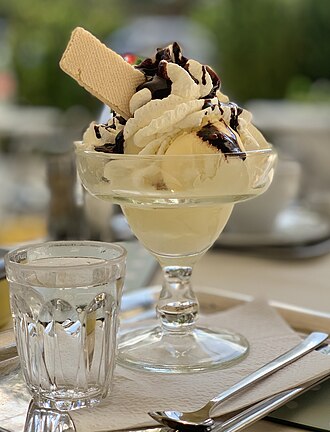
Photo: Wikipedia
Light chocolate ice cream is a reduced-fat, reduced-calorie version of the classic frozen dessert, offering a creamy, chocolatey experience with a lighter mouthfeel. It delivers a satisfying cocoa flavor and smooth texture, but with significantly less fat and fewer calories than premium varieties. Nutritionally, it provides a treat-like indulgence with a moderate sugar content for its category.
Calorie split: 11% protein · 55% carbs · 35% fat
↓ Full nutrition💚 Why it's loved
People love it for delivering the nostalgic, comforting flavor of chocolate ice cream with a lighter, less guilt-inducing profile. Its versatility makes it a simple standalone dessert or a pairing partner for fruits and warm baked goods.
⚠️ Watch-outs & how to enjoy it better
The lower fat content can sometimes lead to a less creamy, icier texture, and the significant sugar load (24.71g per 100g) can cause blood-sugar spikes, especially for those with insulin resistance. To counteract this, practice strict portion control and pair it with a source of protein or healthy fat (like a handful of nuts) to slow sugar absorption.
Key benefits
- Lower in calories and fat than standard chocolate ice cream.
- Provides a small amount of protein from milk solids.
- Can be a portion-controlled way to satisfy a sweet craving.
- Often fortified with calcium from its dairy base.
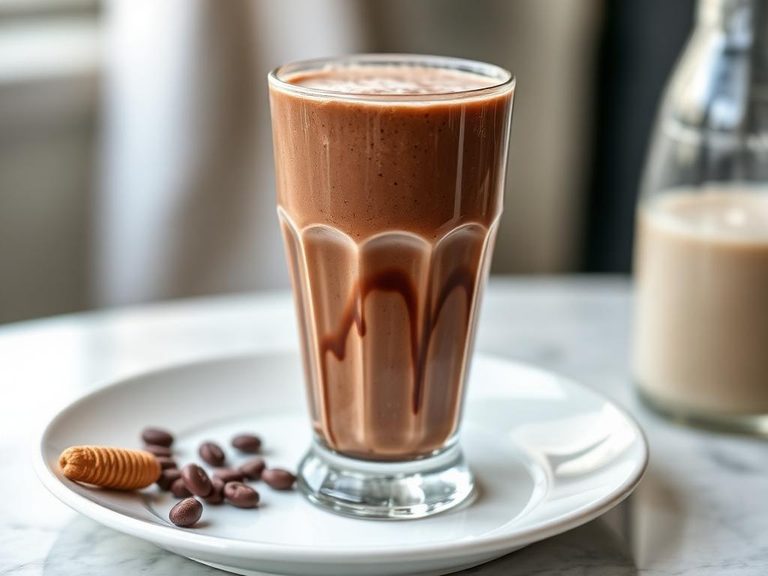
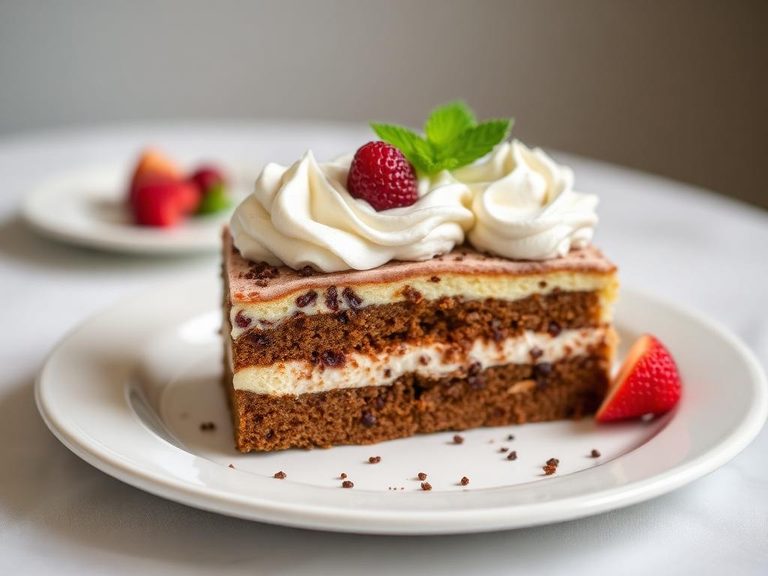
🍽️ Popular dishes
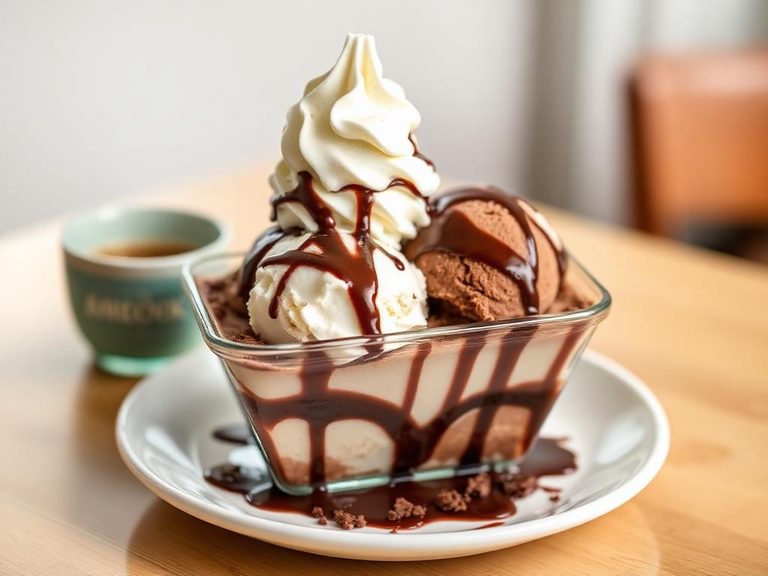
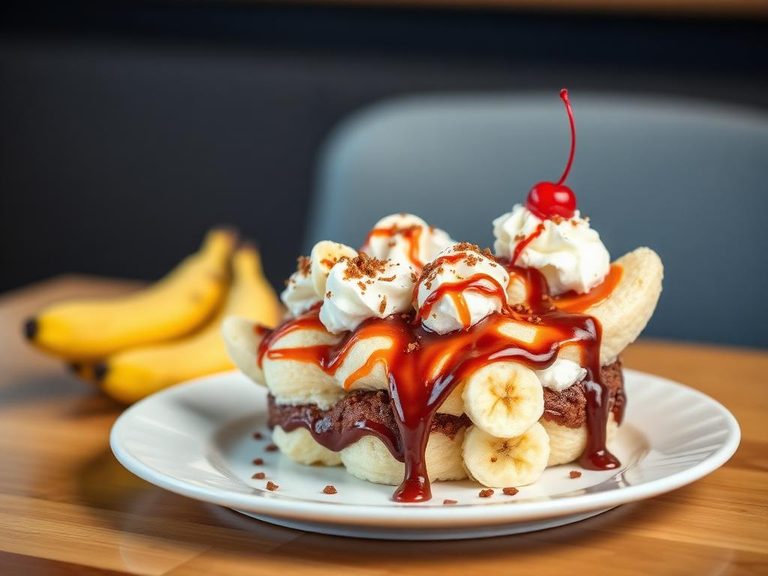
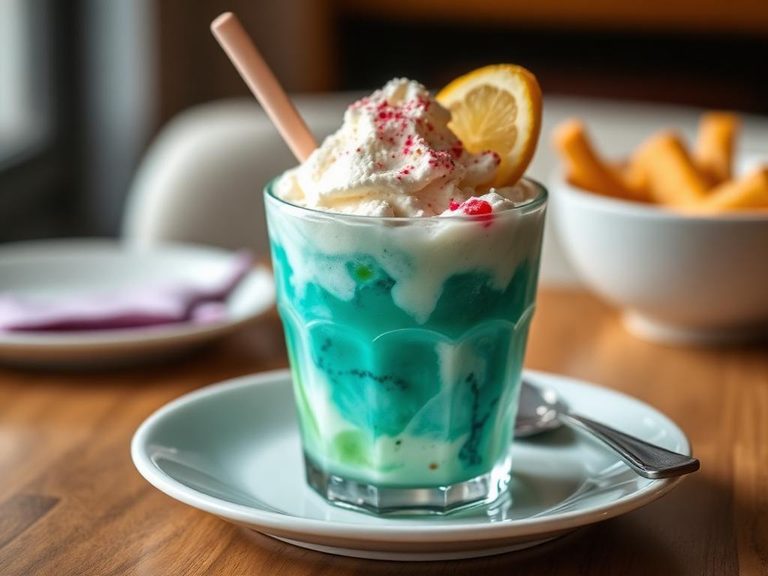

🌍 Where it's eaten
💡 Did you know?
The term 'light' for ice cream in the U.S. is regulated by the FDA and must contain at least 50% less fat or 33% fewer calories than the regular product it's compared to.
Full nutrition (USDA data · scales with serving)
| Water | 61.4 g |
| Energy | 187 kcal |
| Energy | 784 kj |
| Protein | 5.0 g |
| Total lipid (fat) | 7.2 g |
| Ash | 0.69 g |
| Carbohydrate, by difference | 25.7 g |
| Fiber, total dietary | 0.80 g |
| Total Sugars | 24.7 g |
| Calcium, Ca | 159 mg |
| Iron, Fe | 0.69 mg |
| Magnesium, Mg | 20.0 mg |
| Phosphorus, P | 83.0 mg |
| Potassium, K | 170 mg |
| Sodium, Na | 71.0 mg |
| Zinc, Zn | 0.43 mg |
| Copper, Cu | 0.10 mg |
| Manganese, Mn | 0.10 mg |
| Selenium, Se | 2.2 ug |
| Vitamin C, total ascorbic acid | 1.2 mg |
| Thiamin | 0.02 mg |
| Riboflavin | 0.13 mg |
| Niacin | 0.13 mg |
| Pantothenic acid | 0.25 mg |
| Vitamin B-6 | 0.02 mg |
| Folate, total | 4.0 ug |
| Folic acid | 0.00 ug |
| Folate, food | 4.0 ug |
| Folate, DFE | 4.0 ug |
| Choline, total | 19.6 mg |
| Vitamin B-12 | 0.14 ug |
| Vitamin B-12, added | 0.00 ug |
| Vitamin A, RAE | 71.0 ug |
| Retinol | 60.0 ug |
| Carotene, beta | 135 ug |
| Carotene, alpha | 0.00 ug |
| Cryptoxanthin, beta | 0.00 ug |
| Vitamin A, IU | 424 iu |
| Lycopene | 0.00 ug |
| Lutein + zeaxanthin | 1.0 ug |
| Vitamin E (alpha-tocopherol) | 0.20 mg |
| Vitamin E, added | 0.00 mg |
| Vitamin D (D2 + D3), International Units | 5.0 iu |
| Vitamin D (D2 + D3) | 0.10 ug |
| Vitamin D3 (cholecalciferol) | 0.10 ug |
| Vitamin K (phylloquinone) | 0.60 ug |
| Alcohol, ethyl | 0.00 g |
| Caffeine | 2.0 mg |
| Theobromine | 69.0 mg |
Fat & fatty acid profile (per 100g)
| Fatty acids, total saturated | 4.4 g |
| SFA 4:0 | 0.23 g |
| SFA 6:0 | 0.08 g |
| SFA 8:0 | 0.08 g |
| SFA 10:0 | 0.14 g |
| SFA 12:0 | 0.09 g |
| SFA 13:0 | 0.00 g |
| SFA 14:0 | 0.70 g |
| SFA 15:0 | 0.00 g |
| SFA 16:0 | 2.0 g |
| SFA 17:0 | 0.00 g |
| SFA 18:0 | 0.85 g |
| SFA 20:0 | 0.00 g |
| SFA 22:0 | 0.00 g |
| SFA 24:0 | 0.00 g |
| Fatty acids, total monounsaturated | 2.1 g |
| MUFA 14:1 | 0.00 g |
| MUFA 16:1 | 0.20 g |
| MUFA 18:1 | 1.9 g |
| MUFA 20:1 | 0.00 g |
| MUFA 22:1 | 0.00 g |
| Fatty acids, total polyunsaturated | 0.24 g |
| PUFA 18:2 | 0.17 g |
| PUFA 18:3 | 0.07 g |
| PUFA 18:4 | 0.00 g |
| PUFA 20:4 | 0.00 g |
| PUFA 20:5 n-3 (EPA) | 0.00 g |
| PUFA 22:5 n-3 (DPA) | 0.00 g |
| PUFA 22:6 n-3 (DHA) | 0.00 g |
| Cholesterol | 28.0 mg |
Amino acid profile (per 100g)
Estimated from Ice creams, vanilla, rich — USDA does not publish this profile for Ice creams.
| Tryptophan | 0.04 g |
| Threonine | 0.14 g |
| Isoleucine | 0.18 g |
| Leucine | 0.30 g |
| Lysine | 0.25 g |
| Methionine | 0.08 g |
| Cystine | 0.03 g |
| Phenylalanine | 0.15 g |
| Tyrosine | 0.14 g |
| Valine | 0.20 g |
| Arginine | 0.14 g |
| Histidine | 0.08 g |
| Alanine | 0.14 g |
| Glutamic acid | 0.65 g |
| Glycine | 0.15 g |
| Proline | 0.34 g |
| Serine | 0.17 g |
FAQ
How does 'light' chocolate ice cream differ nutritionally from regular?
Per 100g, light versions typically have about half the fat and fewer calories. For example, this one has 7.19g fat vs. a regular premium's 15-25g, and 187 kcal vs. 250-300 kcal. Sugar content can be similar.
Is light chocolate ice cream a good source of protein?
It provides a modest amount (5g per 100g) from its dairy ingredients, but it's not considered a significant protein source. A cup would offer about 6-7g of protein.
Can I eat this if I'm lactose intolerant?
Most light ice creams contain dairy and lactose. Those with intolerance may experience discomfort. Look for specific 'lactose-free' labels or consider dairy-free alternatives made from coconut or almond milk.
Nutrient density (calculated · NRF9.3)
Nutrient Rich Foods index: beneficial nutrients (protein, fiber, vitamins, minerals) minus saturated fat, added sugar & sodium, per 100 kcal.
NRF9.3 index — Fulgoni, Keast & Drewnowski, 2009. Computed from USDA nutrients.
Weight-loss friendliness (composite index)
Energy density 1.87 kcal/g · 11% calories from protein · 0.8 g fiber · 24.7 g sugar per 100 g.
Composite of energy density (Rolls et al., 1999), protein & fiber satiety, minus sugar. A calculated heuristic — ranks satiety-per-calorie, not a clinical measure.
Dietary load (calculated from USDA values)
Potential renal acid load. Positive = acid-forming, negative = alkaline-forming.
Sodium-to-potassium ratio: 0.42 (lower is better — aim for ≤ 1)
Sodium:potassium per WHO potassium guidance. Computed from USDA nutrients.