

Grapefruit, sections, canned, water pack, solids and liquids
Whole food · Fruits and Fruit Juices
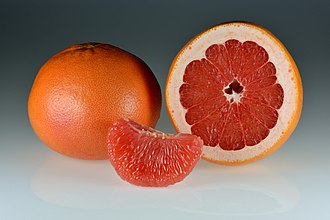
Photo: Wikipedia
These are pre-peeled, membrane-free grapefruit segments preserved in water, offering a clean, tart-sweet burst of citrus with a soft, juicy texture. Nutritionally, they are a low-calorie, virtually fat-free source of natural sugars and hydration, with a modest fiber content. The water pack ensures no added sugars, making them a straightforward, refreshing choice.
Calorie split: 6% protein · 92% carbs · 2% fat
↓ Full nutrition💚 Why it's loved
People love the convenience of ready-to-eat segments that deliver a bright, tangy flavor without the mess of peeling or removing membranes. They are a classic, versatile ingredient in salads, desserts, and breakfast bowls, cherished for their refreshing quality.
⚠️ Watch-outs & how to enjoy it better
The natural acidity can be harsh on sensitive stomachs or tooth enamel, and the sugar content, while natural, can affect blood sugar levels. To mitigate, pair with protein or healthy fats like yogurt or nuts to slow sugar absorption, and practice portion control if managing blood glucose.
Key benefits
- Low in calories and fat
- Good source of hydration
- Provides natural sugars for quick energy
- Contains vitamin C and antioxidants
- No added sugars in water pack
🍽️ Popular dishes
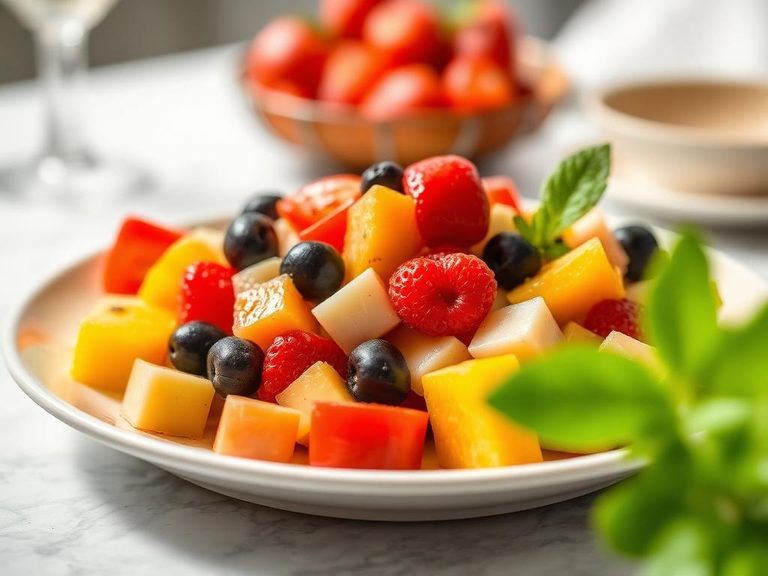
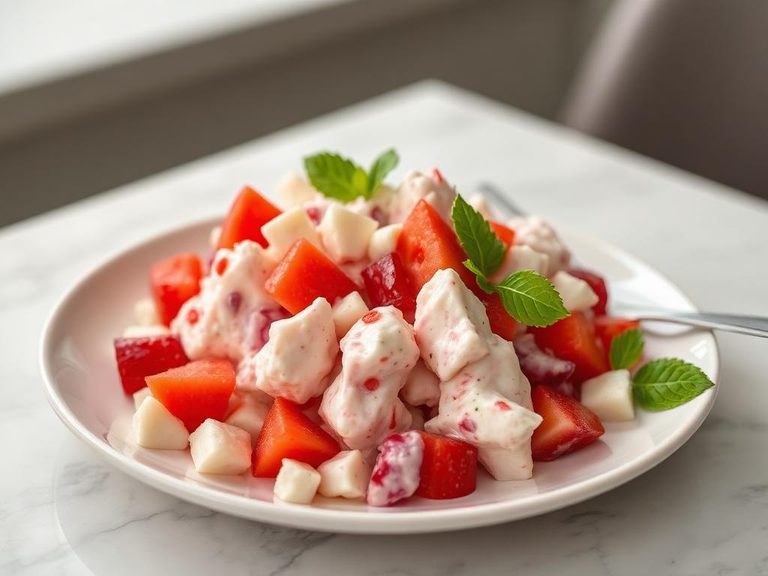
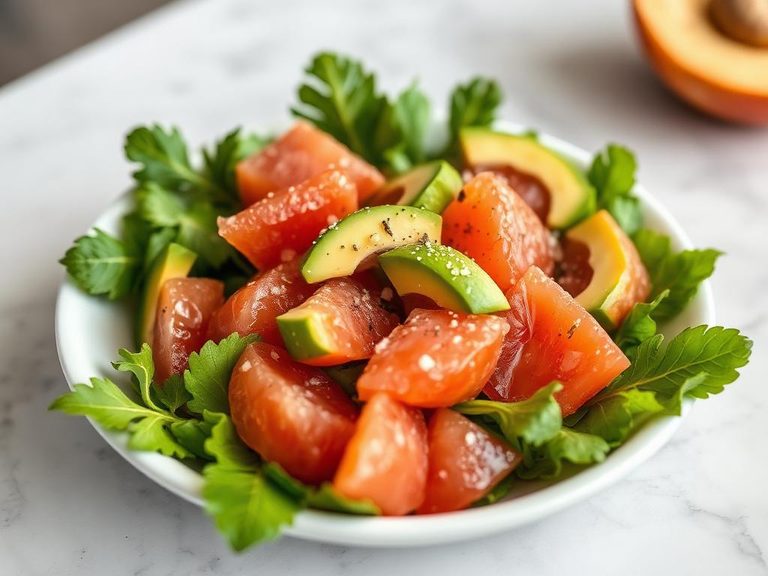
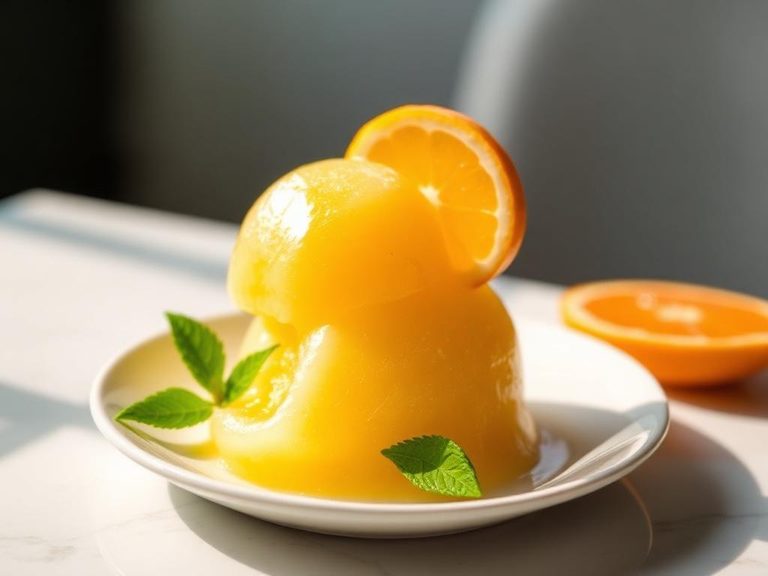
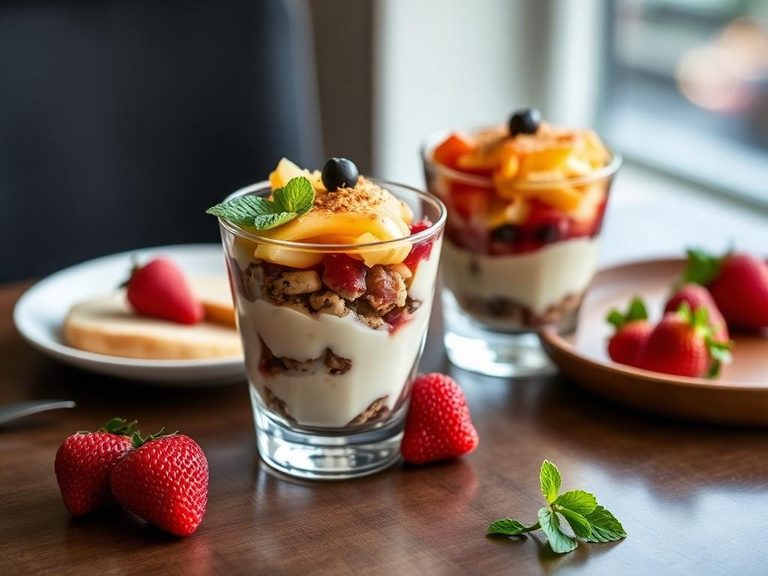
🌍 Where it's eaten
💡 Did you know?
Grapefruit was first documented in 1750 by a Welshman, Rev. Griffith Hughes, in Barbados, and was initially called the 'forbidden fruit' due to its resemblance to the pomelo.
Full nutrition (USDA data · scales with serving)
| Water | 89.8 g |
| Energy | 36.0 kcal |
| Energy | 151 kj |
| Protein | 0.58 g |
| Total lipid (fat) | 0.10 g |
| Ash | 0.32 g |
| Carbohydrate, by difference | 9.2 g |
| Fiber, total dietary | 0.40 g |
| Total Sugars | 8.8 g |
| Calcium, Ca | 15.0 mg |
| Iron, Fe | 0.41 mg |
| Magnesium, Mg | 10.0 mg |
| Phosphorus, P | 10.0 mg |
| Potassium, K | 132 mg |
| Sodium, Na | 2.0 mg |
| Zinc, Zn | 0.09 mg |
| Copper, Cu | 0.07 mg |
| Manganese, Mn | 0.01 mg |
| Selenium, Se | 0.90 ug |
| Vitamin C, total ascorbic acid | 21.8 mg |
| Thiamin | 0.04 mg |
| Riboflavin | 0.02 mg |
| Niacin | 0.25 mg |
| Pantothenic acid | 0.12 mg |
| Vitamin B-6 | 0.02 mg |
| Folate, total | 9.0 ug |
| Folic acid | 0.00 ug |
| Folate, food | 9.0 ug |
| Folate, DFE | 9.0 ug |
| Choline, total | 5.1 mg |
| Vitamin B-12 | 0.00 ug |
| Vitamin B-12, added | 0.00 ug |
| Vitamin A, RAE | 0.00 ug |
| Retinol | 0.00 ug |
| Carotene, beta | 0.00 ug |
| Carotene, alpha | 0.00 ug |
| Cryptoxanthin, beta | 0.00 ug |
| Vitamin A, IU | 0.00 iu |
| Lycopene | 0.00 ug |
| Lutein + zeaxanthin | 0.00 ug |
| Vitamin E (alpha-tocopherol) | 0.09 mg |
| Vitamin E, added | 0.00 mg |
| Vitamin D (D2 + D3), International Units | 0.00 iu |
| Vitamin D (D2 + D3) | 0.00 ug |
| Vitamin K (phylloquinone) | 0.00 ug |
| Alcohol, ethyl | 0.00 g |
| Caffeine | 0.00 mg |
| Theobromine | 0.00 mg |
Fat & fatty acid profile (per 100g)
| Fatty acids, total saturated | 0.01 g |
| SFA 4:0 | 0.00 g |
| SFA 6:0 | 0.00 g |
| SFA 8:0 | 0.00 g |
| SFA 10:0 | 0.00 g |
| SFA 12:0 | 0.00 g |
| SFA 14:0 | 0.00 g |
| SFA 16:0 | 0.01 g |
| SFA 18:0 | 0.00 g |
| Fatty acids, total monounsaturated | 0.01 g |
| MUFA 16:1 | 0.00 g |
| MUFA 18:1 | 0.01 g |
| MUFA 20:1 | 0.00 g |
| MUFA 22:1 | 0.00 g |
| Fatty acids, total polyunsaturated | 0.02 g |
| PUFA 18:2 | 0.02 g |
| PUFA 18:3 | 0.01 g |
| PUFA 18:4 | 0.00 g |
| PUFA 20:4 | 0.00 g |
| PUFA 20:5 n-3 (EPA) | 0.00 g |
| PUFA 22:5 n-3 (DPA) | 0.00 g |
| PUFA 22:6 n-3 (DHA) | 0.00 g |
| Fatty acids, total trans | 0.00 g |
| Cholesterol | 0.00 mg |
Amino acid profile (per 100g)
| Tryptophan | 0.01 g |
| Threonine | 0.01 g |
| Isoleucine | 0.01 g |
| Leucine | 0.01 g |
| Lysine | 0.01 g |
| Methionine | 0.01 g |
| Cystine | 0.01 g |
| Phenylalanine | 0.04 g |
| Tyrosine | 0.01 g |
| Valine | 0.01 g |
| Arginine | 0.07 g |
| Histidine | 0.01 g |
| Alanine | 0.02 g |
| Aspartic acid | 0.10 g |
| Glutamic acid | 0.15 g |
| Glycine | 0.01 g |
| Proline | 0.05 g |
| Serine | 0.02 g |
FAQ
Are canned grapefruit sections as nutritious as fresh?
Yes, they retain most vitamins and minerals, though the canning process may slightly reduce some heat-sensitive nutrients like vitamin C. The water pack adds no extra sugars, keeping them similar in calorie count.
Can I use canned grapefruit in cooking or baking?
Absolutely. They work well in desserts like sorbets, cakes, or as a topping for pancakes. Their soft texture also makes them suitable for smoothies or as a garnish for savory dishes.
Is there a risk of interaction with medications?
Yes, grapefruit can interact with certain medications by affecting liver enzymes. Consult a healthcare provider if you take medications like statins or blood pressure drugs.
Nutrient density (calculated · NRF9.3)
Nutrient Rich Foods index: beneficial nutrients (protein, fiber, vitamins, minerals) minus saturated fat, added sugar & sodium, per 100 kcal.
NRF9.3 index — Fulgoni, Keast & Drewnowski, 2009. Computed from USDA nutrients.
Weight-loss friendliness (composite index)
Energy density 0.36 kcal/g · 6% calories from protein · 0.4 g fiber · 8.8 g sugar per 100 g.
Composite of energy density (Rolls et al., 1999), protein & fiber satiety, minus sugar. A calculated heuristic — ranks satiety-per-calorie, not a clinical measure.
Dietary load (calculated from USDA values)
Potential renal acid load. Positive = acid-forming, negative = alkaline-forming.
Sodium-to-potassium ratio: 0.02 (lower is better — aim for ≤ 1)
Sodium:potassium per WHO potassium guidance. Computed from USDA nutrients.