

Game meat, elk, ground, cooked, pan-broiled
Whole food · Lamb, Veal, and Game Products

Photo: Wikipedia
Elk is a lean, nutrient-dense game meat with a rich, slightly sweet, and earthy flavor reminiscent of beef but without the heaviness. When ground and pan-broiled, it develops a satisfyingly crisp exterior while remaining tender and juicy inside, offering a deep, savory umami profile. With an impressive 26.64g of protein per 100g and virtually no carbohydrates, it's a powerhouse for muscle building and low-carb diets.
Calorie split: 58% protein · 0% carbs · 42% fat
↓ Full nutrition💚 Why it's loved
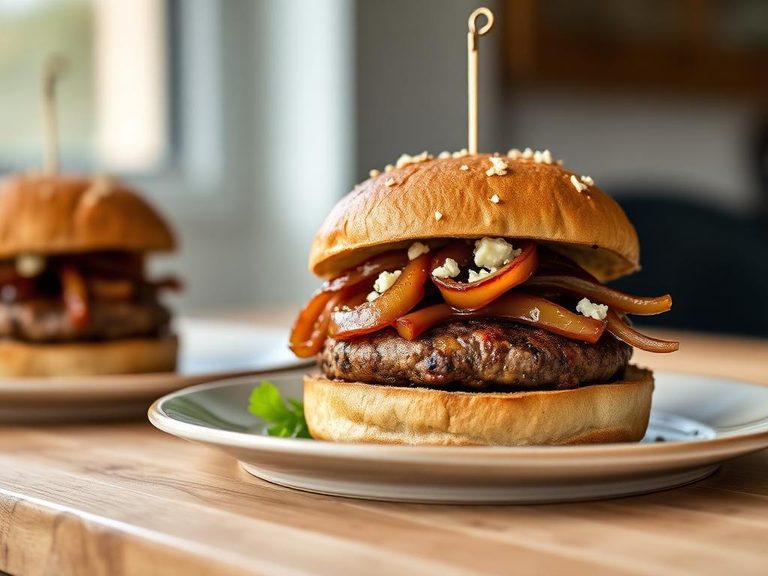
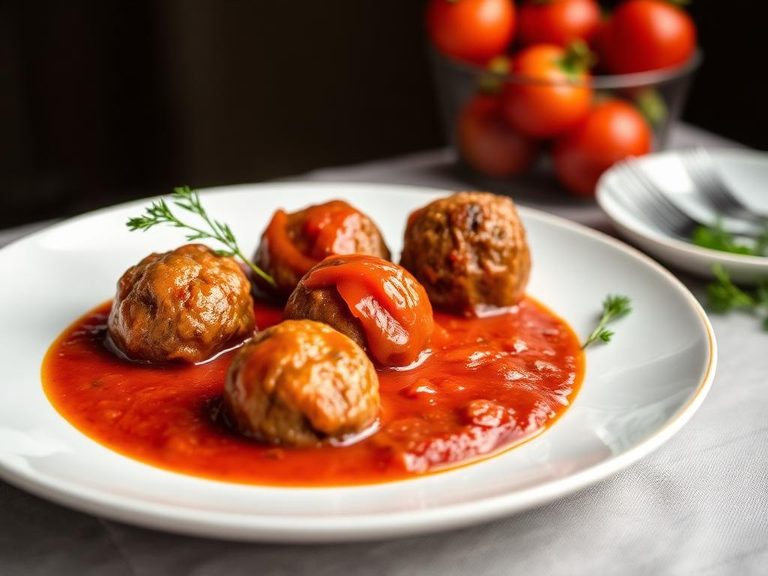
People love elk for its clean, robust flavor that feels indulgent yet guilt-free, often described as a 'better beef' with a hint of wildness. Its versatility makes it a favorite for everything from hearty burgers to elegant meatballs, appealing to both rustic and refined palates.
⚠️ Watch-outs & how to enjoy it better
Elk can be leaner than beef, which may lead to dryness if overcooked; to counteract this, cook to medium-rare or medium and rest the meat before serving. Its strong, gamey flavor can be off-putting to those accustomed to milder meats, so blending with a small amount of pork fat or using bold marinades can balance it. As with any red meat, portion control is wise for those monitoring cholesterol or saturated fat intake.
Key benefits
- Extremely high in lean protein for muscle repair and satiety
- Very low in fat compared to conventional beef, supporting heart health
- Rich in iron and B vitamins for energy metabolism
- Naturally free of carbohydrates and sugars, ideal for keto and paleo diets
- Sourced from free-range animals, often with fewer antibiotics than conventional livestock
🍽️ Popular dishes
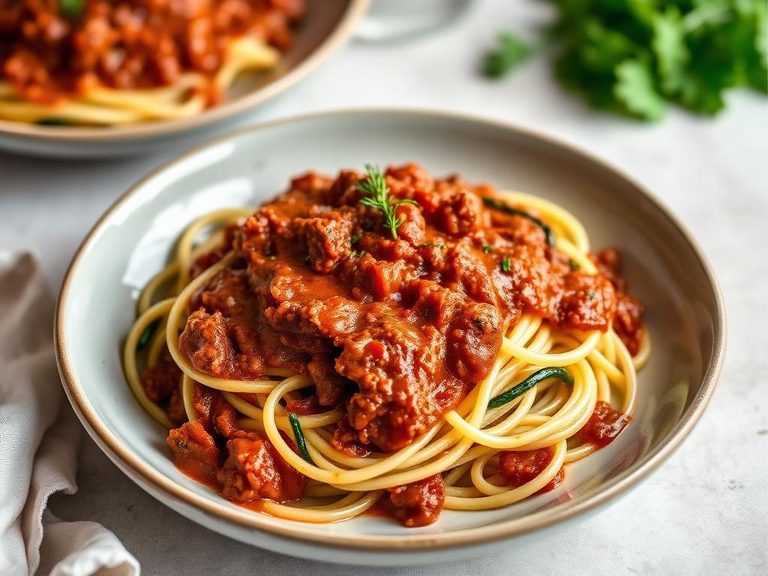
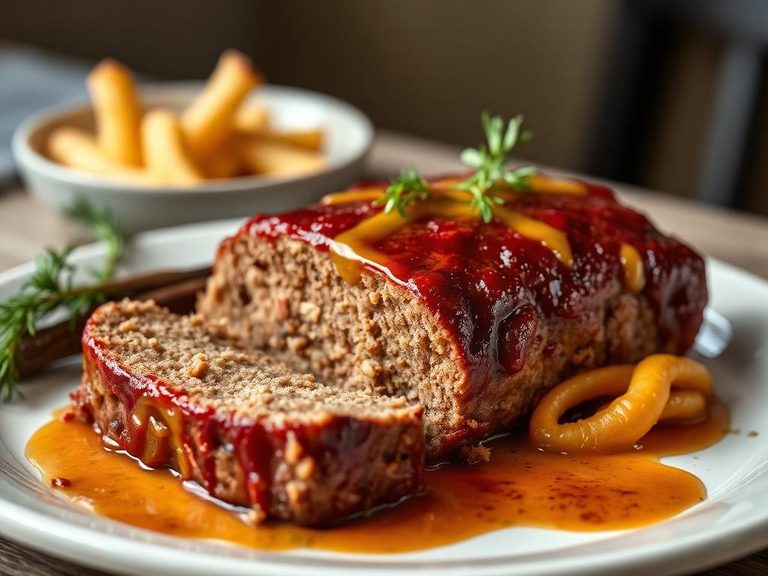
🌍 Where it's eaten
💡 Did you know?
Elk meat is so lean that it can cook up to 30% faster than beef, so it's easy to overcook if you're not careful—using a meat thermometer is a game-changer.
Full nutrition (USDA data · scales with serving)
| Water | 64.1 g |
| Energy | 193 kcal |
| Energy | 806 kj |
| Protein | 26.6 g |
| Total lipid (fat) | 8.7 g |
| Ash | 1.0 g |
| Carbohydrate, by difference | 0.00 g |
| Fiber, total dietary | 0.00 g |
| Total Sugars | 0.00 g |
| Calcium, Ca | 10.0 mg |
| Iron, Fe | 3.3 mg |
| Magnesium, Mg | 24.0 mg |
| Phosphorus, P | 221 mg |
| Potassium, K | 354 mg |
| Sodium, Na | 85.0 mg |
| Zinc, Zn | 6.6 mg |
| Copper, Cu | 0.14 mg |
| Manganese, Mn | 0.01 mg |
| Selenium, Se | 9.0 ug |
| Vitamin C, total ascorbic acid | 0.00 mg |
| Thiamin | 0.13 mg |
| Riboflavin | 0.32 mg |
| Niacin | 5.3 mg |
| Pantothenic acid | 1.1 mg |
| Vitamin B-6 | 0.42 mg |
| Folate, total | 8.0 ug |
| Folic acid | 0.00 ug |
| Folate, food | 8.0 ug |
| Folate, DFE | 8.0 ug |
| Vitamin B-12 | 2.6 ug |
| Vitamin A, RAE | 0.00 ug |
| Retinol | 0.00 ug |
| Carotene, beta | 0.00 ug |
| Carotene, alpha | 0.00 ug |
| Cryptoxanthin, beta | 0.00 ug |
| Vitamin A, IU | 0.00 iu |
| Lycopene | 0.00 ug |
| Lutein + zeaxanthin | 0.00 ug |
| Vitamin E (alpha-tocopherol) | 0.57 mg |
| Alcohol, ethyl | 0.00 g |
| Caffeine | 0.00 mg |
| Theobromine | 0.00 mg |
Fat & fatty acid profile (per 100g)
| Fatty acids, total saturated | 4.0 g |
| SFA 4:0 | 0.00 g |
| SFA 6:0 | 0.00 g |
| SFA 8:0 | 0.00 g |
| SFA 10:0 | 0.00 g |
| SFA 12:0 | 0.01 g |
| SFA 14:0 | 0.40 g |
| SFA 15:0 | 0.05 g |
| SFA 16:0 | 2.3 g |
| SFA 17:0 | 0.05 g |
| SFA 18:0 | 1.2 g |
| SFA 20:0 | 0.01 g |
| SFA 22:0 | 0.00 g |
| Fatty acids, total monounsaturated | 2.8 g |
| MUFA 14:1 | 0.13 g |
| MUFA 15:1 | 0.01 g |
| MUFA 16:1 | 0.78 g |
| MUFA 17:1 | 0.03 g |
| MUFA 18:1 | 1.8 g |
| MUFA 20:1 | 0.02 g |
| Fatty acids, total polyunsaturated | 0.41 g |
| PUFA 18:2 | 0.25 g |
| PUFA 18:3 | 0.07 g |
| PUFA 18:3 n-6 c,c,c | 0.00 g |
| PUFA 20:2 n-6 c,c | 0.00 g |
| PUFA 20:3 | 0.00 g |
| PUFA 20:4 | 0.08 g |
| Cholesterol | 78.0 mg |
Amino acid profile (per 100g)
| Tryptophan | 0.24 g |
| Threonine | 1.1 g |
| Isoleucine | 1.1 g |
| Leucine | 2.0 g |
| Lysine | 2.2 g |
| Methionine | 0.65 g |
| Cystine | 0.26 g |
| Phenylalanine | 0.97 g |
| Tyrosine | 0.83 g |
| Valine | 1.2 g |
| Arginine | 1.6 g |
| Histidine | 0.82 g |
| Alanine | 1.5 g |
| Aspartic acid | 2.2 g |
| Glutamic acid | 3.8 g |
| Glycine | 1.4 g |
| Proline | 1.1 g |
| Serine | 0.95 g |
| Hydroxyproline | 0.25 g |
FAQ
Is elk meat healthier than beef?
Yes, elk is typically leaner with less saturated fat and fewer calories per gram, while offering similar or higher protein and iron content. It's a great alternative for those seeking a more nutrient-dense red meat.
How should I cook ground elk to keep it juicy?
Since elk is very lean, avoid overcooking. Pan-broil over medium-high heat for 3-4 minutes per side for a patty, or cook until just browned in a skillet for crumbles. Adding a small amount of oil or butter can help retain moisture.
Can I substitute elk for ground beef in recipes?
Absolutely, but due to its leanness, you may want to add a bit of fat (like olive oil or butter) to prevent dryness. Elk's flavor is richer, so it pairs well with bold seasonings like garlic, rosemary, or smoked paprika.
Nutrient density (calculated · NRF9.3)
Nutrient Rich Foods index: beneficial nutrients (protein, fiber, vitamins, minerals) minus saturated fat, added sugar & sodium, per 100 kcal.
NRF9.3 index — Fulgoni, Keast & Drewnowski, 2009. Computed from USDA nutrients.
Weight-loss friendliness (composite index)
Energy density 1.93 kcal/g · 55% calories from protein · 0.0 g fiber · 0.0 g sugar per 100 g.
Composite of energy density (Rolls et al., 1999), protein & fiber satiety, minus sugar. A calculated heuristic — ranks satiety-per-calorie, not a clinical measure.
Dietary load (calculated from USDA values)
Potential renal acid load. Positive = acid-forming, negative = alkaline-forming.
Sodium-to-potassium ratio: 0.24 (lower is better — aim for ≤ 1)
Sodium:potassium per WHO potassium guidance. Computed from USDA nutrients.