

Fish, roe, mixed species, raw
Whole food · Finfish and Shellfish Products

Photo: Wikipedia
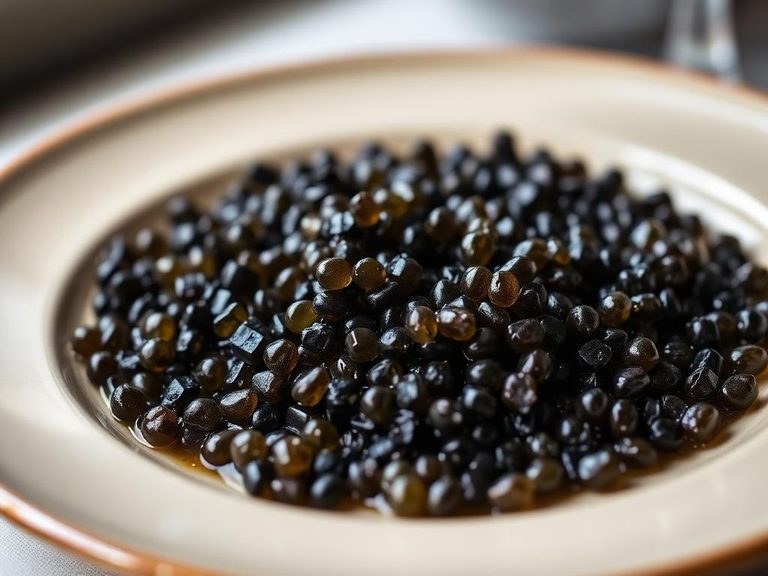
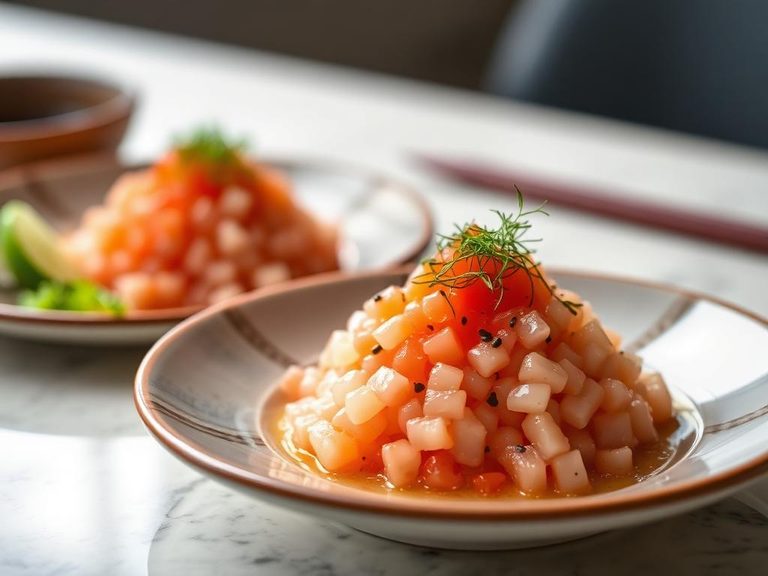
Mixed fish roe is a collection of tiny, jewel-like eggs from various species, offering a burst of oceanic brine and a distinctive 'pop' texture. Nutritionally, it is a concentrated source of high-quality protein and healthy fats, including omega-3s, with minimal carbohydrates.
Calorie split: 58% protein · 4% carbs · 38% fat
↓ Full nutrition💚 Why it's loved
People cherish it for its luxurious, salty umami flavor and the satisfying textural contrast it adds to dishes. It's a versatile ingredient that can elevate simple foods like toast, pasta, or rice with a touch of elegance.
⚠️ Watch-outs & how to enjoy it better
The very high sodium content can be a concern for those managing blood pressure, and its strong, briny taste isn't for everyone. To counteract sodium, pair it with unsalted, potassium-rich foods like avocado or steamed vegetables, and practice strict portion control.
Key benefits
- Excellent source of complete protein for muscle maintenance.
- Rich in omega-3 fatty acids (EPA & DHA) for heart and brain health.
- Provides essential nutrients like vitamin B12, selenium, and choline.
- Naturally low in carbohydrates and sugar.
🍽️ Popular dishes
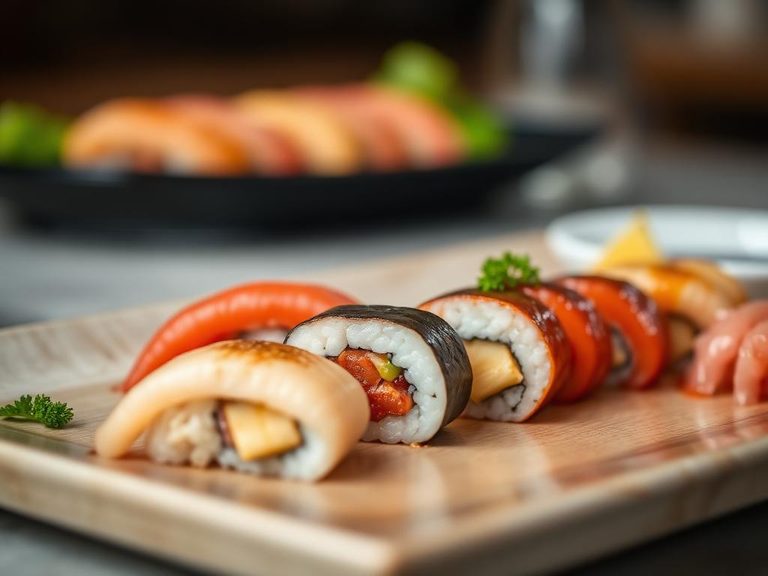
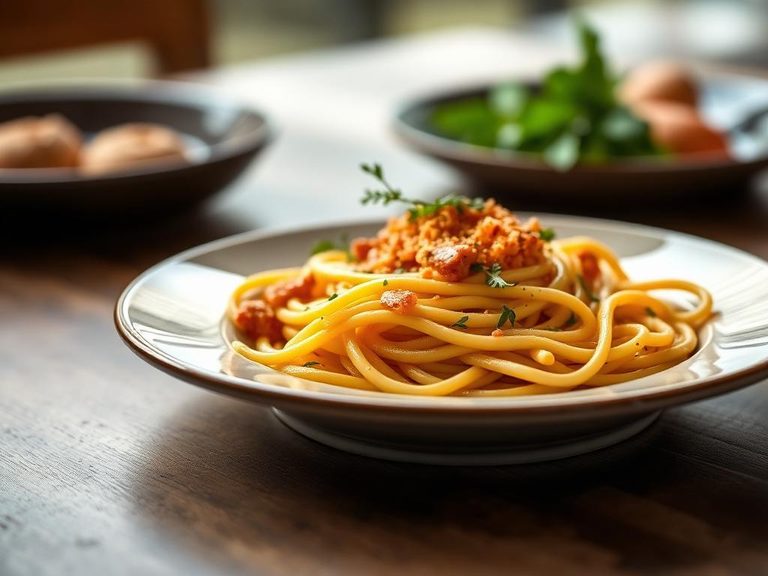
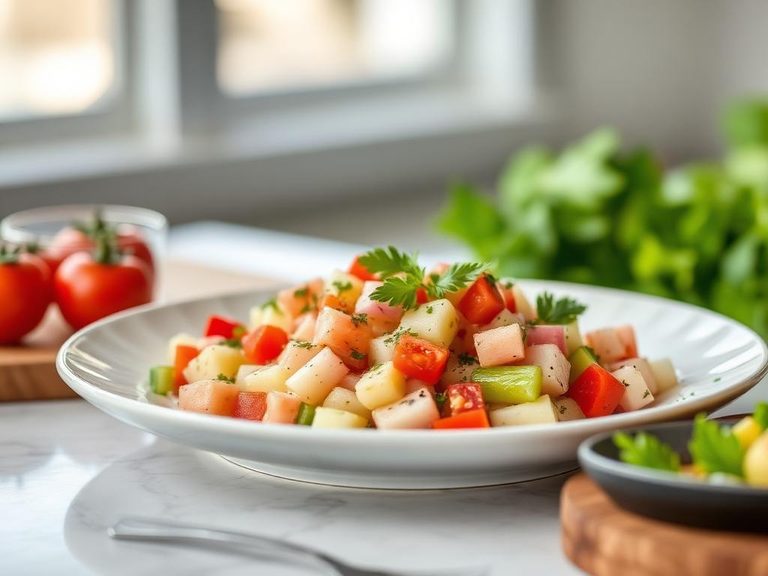
🌍 Where it's eaten
💡 Did you know?
The color of fish roe, ranging from pale gold to deep red, is determined by the diet of the parent fish, specifically from carotenoid pigments found in crustaceans they eat.
Full nutrition (USDA data · scales with serving)
| Water | 67.7 g |
| Energy | 143 kcal |
| Energy | 599 kj |
| Protein | 22.3 g |
| Total lipid (fat) | 6.4 g |
| Ash | 1.4 g |
| Carbohydrate, by difference | 1.5 g |
| Fiber, total dietary | 0.00 g |
| Total Sugars | 0.00 g |
| Calcium, Ca | 22.0 mg |
| Iron, Fe | 0.60 mg |
| Magnesium, Mg | 20.0 mg |
| Phosphorus, P | 402 mg |
| Potassium, K | 221 mg |
| Sodium, Na | 91.0 mg |
| Zinc, Zn | 1.0 mg |
| Copper, Cu | 0.10 mg |
| Manganese, Mn | 0.01 mg |
| Selenium, Se | 40.3 ug |
| Vitamin C, total ascorbic acid | 16.0 mg |
| Thiamin | 0.24 mg |
| Riboflavin | 0.74 mg |
| Niacin | 1.8 mg |
| Pantothenic acid | 1.0 mg |
| Vitamin B-6 | 0.16 mg |
| Folate, total | 80.0 ug |
| Folic acid | 0.00 ug |
| Folate, food | 80.0 ug |
| Folate, DFE | 80.0 ug |
| Choline, total | 335 mg |
| Vitamin B-12 | 10.0 ug |
| Vitamin B-12, added | 0.00 ug |
| Vitamin A, RAE | 90.0 ug |
| Retinol | 90.0 ug |
| Carotene, beta | 0.00 ug |
| Carotene, alpha | 0.00 ug |
| Cryptoxanthin, beta | 0.00 ug |
| Vitamin A, IU | 299 iu |
| Lycopene | 0.00 ug |
| Lutein + zeaxanthin | 214 ug |
| Vitamin E (alpha-tocopherol) | 7.0 mg |
| Vitamin E, added | 0.00 mg |
| Vitamin D (D2 + D3), International Units | 484 iu |
| Vitamin D (D2 + D3) | 12.1 ug |
| Vitamin D3 (cholecalciferol) | 12.1 ug |
| Vitamin K (phylloquinone) | 0.20 ug |
| Alcohol, ethyl | 0.00 g |
| Caffeine | 0.00 mg |
| Theobromine | 0.00 mg |
Fat & fatty acid profile (per 100g)
| Fatty acids, total saturated | 1.5 g |
| SFA 4:0 | 0.00 g |
| SFA 6:0 | 0.00 g |
| SFA 8:0 | 0.00 g |
| SFA 10:0 | 0.00 g |
| SFA 12:0 | 0.00 g |
| SFA 14:0 | 0.08 g |
| SFA 16:0 | 1.3 g |
| SFA 18:0 | 0.10 g |
| Fatty acids, total monounsaturated | 1.7 g |
| MUFA 16:1 | 0.37 g |
| MUFA 18:1 | 1.1 g |
| MUFA 20:1 | 0.11 g |
| MUFA 22:1 | 0.04 g |
| Fatty acids, total polyunsaturated | 2.7 g |
| PUFA 18:2 | 0.03 g |
| PUFA 18:3 | 0.01 g |
| PUFA 18:4 | 0.01 g |
| PUFA 20:4 | 0.18 g |
| PUFA 20:5 n-3 (EPA) | 0.98 g |
| PUFA 22:5 n-3 (DPA) | 0.08 g |
| PUFA 22:6 n-3 (DHA) | 1.4 g |
| Cholesterol | 374 mg |
Amino acid profile (per 100g)
| Tryptophan | 0.29 g |
| Threonine | 1.0 g |
| Isoleucine | 1.1 g |
| Leucine | 2.0 g |
| Lysine | 1.7 g |
| Methionine | 0.55 g |
| Cystine | 0.39 g |
| Phenylalanine | 1.1 g |
| Tyrosine | 1.1 g |
| Valine | 1.3 g |
| Arginine | 1.3 g |
| Histidine | 0.61 g |
| Alanine | 1.4 g |
| Aspartic acid | 1.8 g |
| Glutamic acid | 2.7 g |
| Glycine | 0.65 g |
| Proline | 1.2 g |
| Serine | 0.97 g |
FAQ
Is fish roe the same as caviar?
Technically, 'caviar' refers specifically to the roe of sturgeon. Fish roe from other species (like salmon, lumpfish, or capelin) is often called 'roe' or by its specific name (e.g., 'ikura' for salmon).
How should I store fresh fish roe?
Keep it refrigerated at 32-38°F (0-3°C) in its original sealed container, ideally on a bed of ice, and consume it within 1-2 days of purchase for optimal freshness and safety.
Can I eat fish roe if I'm pregnant?
Pasteurized fish roe is generally considered safe during pregnancy. However, raw or fresh roe should be avoided due to the risk of bacterial or parasitic contamination. Always consult your healthcare provider.
Nutrient density (calculated · NRF9.3)
Nutrient Rich Foods index: beneficial nutrients (protein, fiber, vitamins, minerals) minus saturated fat, added sugar & sodium, per 100 kcal.
NRF9.3 index — Fulgoni, Keast & Drewnowski, 2009. Computed from USDA nutrients.
Weight-loss friendliness (composite index)
Energy density 1.43 kcal/g · 62% calories from protein · 0.0 g fiber · 0.0 g sugar per 100 g.
Composite of energy density (Rolls et al., 1999), protein & fiber satiety, minus sugar. A calculated heuristic — ranks satiety-per-calorie, not a clinical measure.
Dietary load (calculated from USDA values)
Potential renal acid load. Positive = acid-forming, negative = alkaline-forming.
Sodium-to-potassium ratio: 0.41 (lower is better — aim for ≤ 1)
Sodium:potassium per WHO potassium guidance. Computed from USDA nutrients.