

Fish, pompano, florida, raw
Whole food · Finfish and Shellfish Products

Photo: Wikipedia
Florida pompano is a prized, silver-skinned saltwater fish with a rich, buttery flavor and a firm, flaky texture that holds up beautifully to various cooking methods. Nutritionally, it's a lean powerhouse, delivering a substantial 18.48g of high-quality protein per 100g with virtually no carbohydrates, making it ideal for low-carb and high-protein diets. Its natural fat content, while present, is predominantly heart-healthy unsaturated fat.
Calorie split: 46% protein · 0% carbs · 54% fat
↓ Full nutrition💚 Why it's loved
People adore pompano for its clean, sweet, and distinctly buttery taste that doesn't require heavy sauces to shine. Its versatility allows it to be grilled whole, pan-seared, or baked, making it a favorite in coastal cuisines from the Gulf of Mexico to the Mediterranean.
⚠️ Watch-outs & how to enjoy it better
As a common finfish, pompano is a major allergen and should be avoided by those with fish allergies. Its rich flavor can be lost if overcooked, leading to a dry texture; counter this by using quick, high-heat methods like grilling or broiling and monitoring internal temperature closely. For those monitoring sodium intake, be mindful of added salt in marinades or seasonings.
Key benefits
- Excellent source of complete, high-quality protein for muscle maintenance.
- Virtually zero carbohydrates and sugars, suitable for ketogenic diets.
- Contains beneficial unsaturated fats, including omega-3 fatty acids.
- Provides essential nutrients like selenium, vitamin B12, and phosphorus.
- Naturally low in calories, supporting weight management goals.
🍽️ Popular dishes
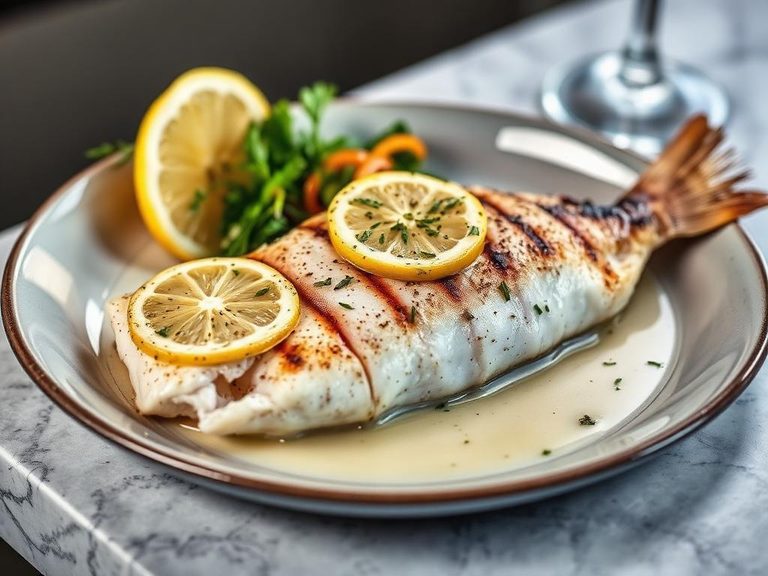
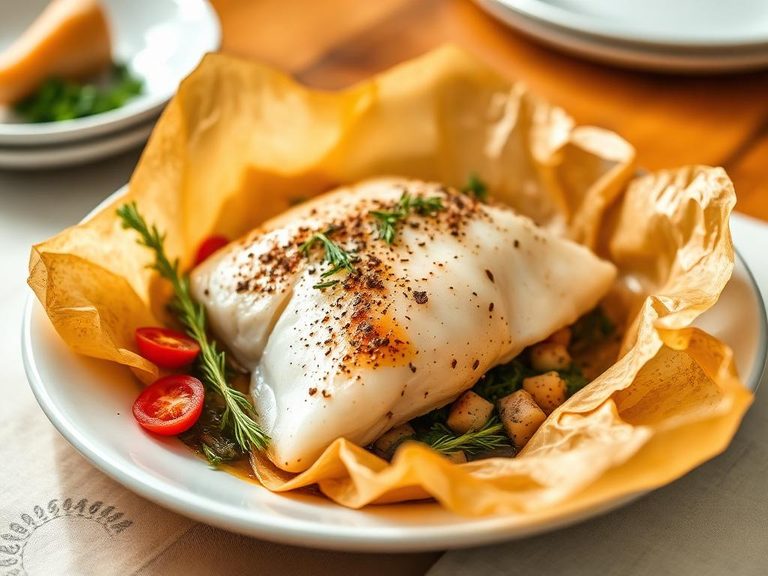
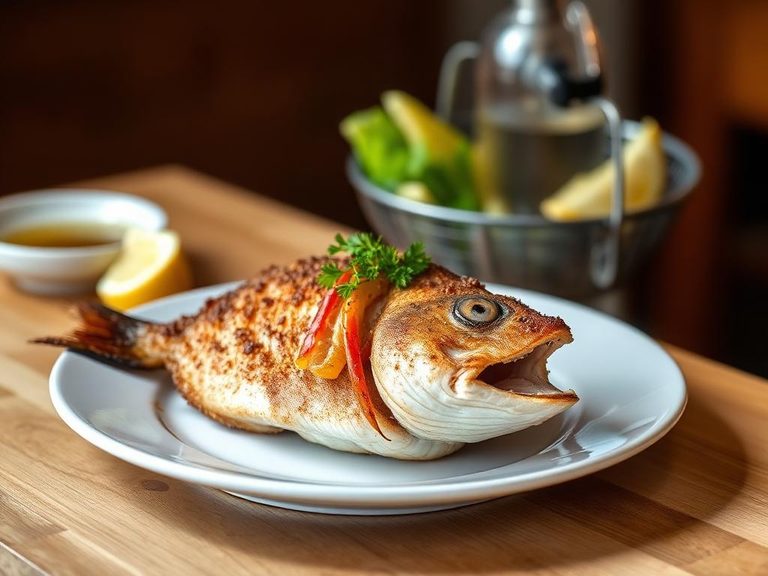
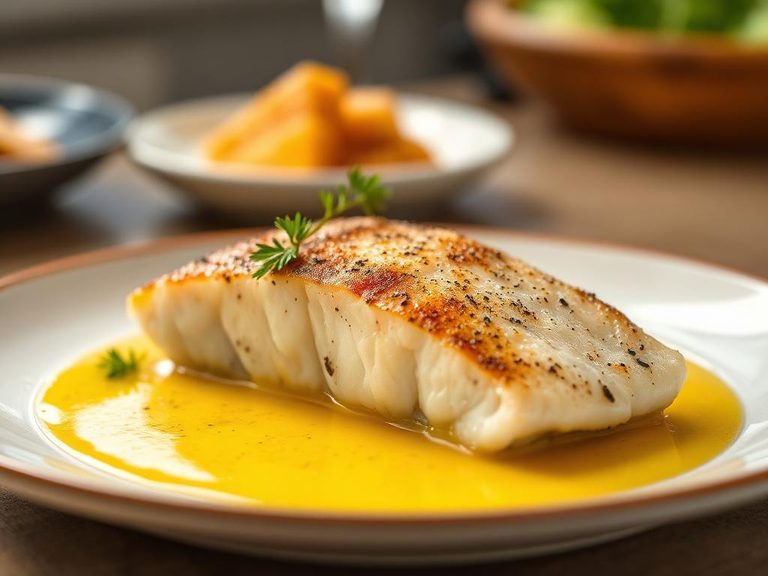
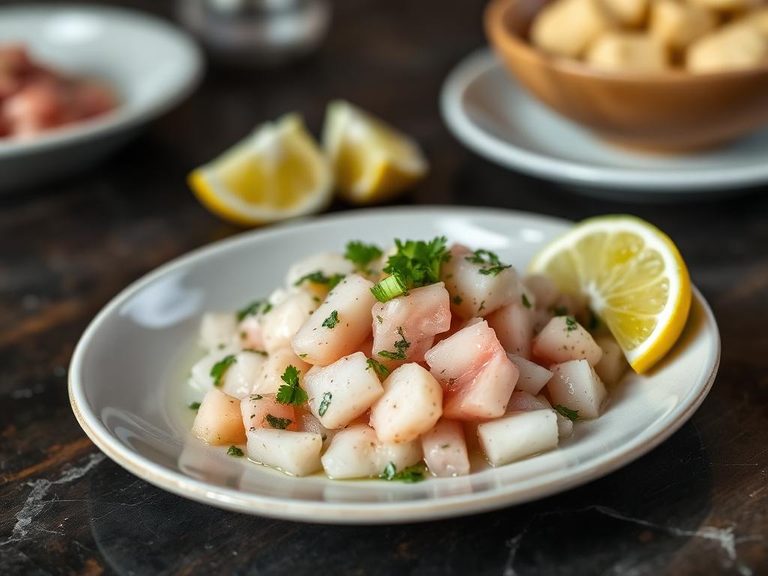
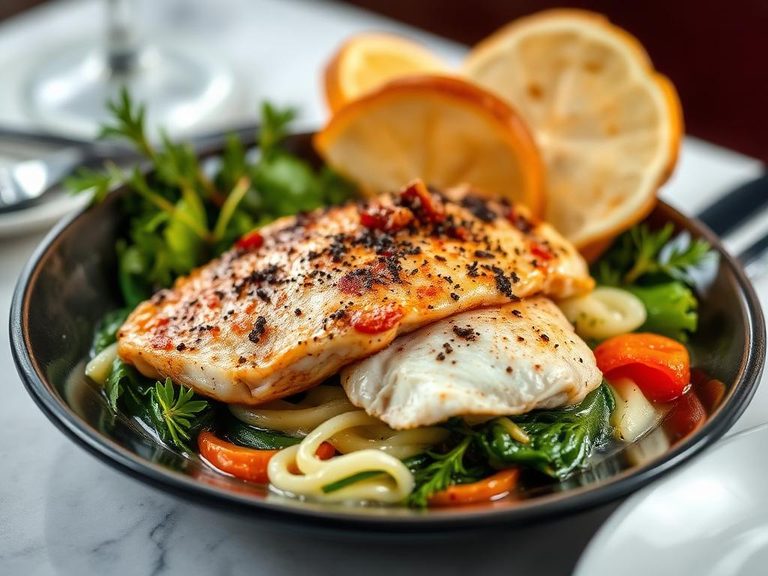
🌍 Where it's eaten
💡 Did you know?
Florida pompano is so revered in the state that it has its own official state saltwater fish designation, and a single, large specimen can command a premium price at dockside auctions, sometimes exceeding $50 per pound.
Full nutrition (USDA data · scales with serving)
| Water | 71.1 g |
| Energy | 164 kcal |
| Energy | 686 kj |
| Protein | 18.5 g |
| Total lipid (fat) | 9.5 g |
| Ash | 1.1 g |
| Carbohydrate, by difference | 0.00 g |
| Fiber, total dietary | 0.00 g |
| Total Sugars | 0.00 g |
| Calcium, Ca | 22.0 mg |
| Iron, Fe | 0.60 mg |
| Magnesium, Mg | 27.0 mg |
| Phosphorus, P | 195 mg |
| Potassium, K | 381 mg |
| Sodium, Na | 65.0 mg |
| Zinc, Zn | 0.72 mg |
| Copper, Cu | 0.04 mg |
| Manganese, Mn | 0.01 mg |
| Selenium, Se | 36.5 ug |
| Vitamin C, total ascorbic acid | 0.00 mg |
| Thiamin | 0.56 mg |
| Riboflavin | 0.12 mg |
| Niacin | 3.0 mg |
| Pantothenic acid | 0.75 mg |
| Vitamin B-6 | 0.20 mg |
| Folate, total | 15.0 ug |
| Folic acid | 0.00 ug |
| Folate, food | 15.0 ug |
| Folate, DFE | 15.0 ug |
| Choline, total | 51.5 mg |
| Vitamin B-12 | 1.3 ug |
| Vitamin B-12, added | 0.00 ug |
| Vitamin A, RAE | 40.0 ug |
| Retinol | 40.0 ug |
| Carotene, beta | 0.00 ug |
| Carotene, alpha | 0.00 ug |
| Cryptoxanthin, beta | 0.00 ug |
| Vitamin A, IU | 132 iu |
| Lycopene | 0.00 ug |
| Lutein + zeaxanthin | 0.00 ug |
| Vitamin E (alpha-tocopherol) | 0.18 mg |
| Vitamin E, added | 0.00 mg |
| Vitamin D (D2 + D3), International Units | 439 iu |
| Vitamin D (D2 + D3) | 11.0 ug |
| Vitamin D3 (cholecalciferol) | 11.0 ug |
| Vitamin K (phylloquinone) | 0.10 ug |
| Alcohol, ethyl | 0.00 g |
| Caffeine | 0.00 mg |
| Theobromine | 0.00 mg |
Fat & fatty acid profile (per 100g)
| Fatty acids, total saturated | 3.5 g |
| SFA 4:0 | 0.00 g |
| SFA 6:0 | 0.00 g |
| SFA 8:0 | 0.00 g |
| SFA 10:0 | 0.00 g |
| SFA 12:0 | 0.00 g |
| SFA 14:0 | 0.41 g |
| SFA 16:0 | 2.2 g |
| SFA 18:0 | 0.82 g |
| Fatty acids, total monounsaturated | 2.6 g |
| MUFA 16:1 | 0.56 g |
| MUFA 18:1 | 2.0 g |
| MUFA 20:1 | 0.00 g |
| MUFA 22:1 | 0.00 g |
| Fatty acids, total polyunsaturated | 1.1 g |
| PUFA 18:2 | 0.12 g |
| PUFA 18:3 | 0.00 g |
| PUFA 18:4 | 0.00 g |
| PUFA 20:4 | 0.25 g |
| PUFA 20:5 n-3 (EPA) | 0.17 g |
| PUFA 22:5 n-3 (DPA) | 0.20 g |
| PUFA 22:6 n-3 (DHA) | 0.39 g |
| Cholesterol | 50.0 mg |
Amino acid profile (per 100g)
| Tryptophan | 0.21 g |
| Threonine | 0.81 g |
| Isoleucine | 0.85 g |
| Leucine | 1.5 g |
| Lysine | 1.7 g |
| Methionine | 0.55 g |
| Cystine | 0.20 g |
| Phenylalanine | 0.72 g |
| Tyrosine | 0.62 g |
| Valine | 0.95 g |
| Arginine | 1.1 g |
| Histidine | 0.54 g |
| Alanine | 1.1 g |
| Aspartic acid | 1.9 g |
| Glutamic acid | 2.8 g |
| Glycine | 0.89 g |
| Proline | 0.65 g |
| Serine | 0.75 g |
FAQ
How does pompano taste compared to other fish?
Pompano has a milder, sweeter, and more buttery flavor than oily fish like mackerel but is richer and more flavorful than very lean fish like cod or sole. Its texture is firm and flaky, not mushy.
What is the best way to cook pompano?
Quick, high-heat methods are ideal. Grilling, broiling, or pan-searing with the skin on helps retain moisture and highlights its natural flavor. It's also excellent when baked en papillote (in parchment) with vegetables.
Is pompano a sustainable seafood choice?
Sustainability varies by source. Wild-caught Florida pompano from the U.S. Gulf is generally considered well-managed. For other sources, look for certifications like MSC (Marine Stewardship Council) or consult guides from the Monterey Bay Aquarium Seafood Watch.
Nutrient density (calculated · NRF9.3)
Nutrient Rich Foods index: beneficial nutrients (protein, fiber, vitamins, minerals) minus saturated fat, added sugar & sodium, per 100 kcal.
NRF9.3 index — Fulgoni, Keast & Drewnowski, 2009. Computed from USDA nutrients.
Weight-loss friendliness (composite index)
Energy density 1.64 kcal/g · 45% calories from protein · 0.0 g fiber · 0.0 g sugar per 100 g.
Composite of energy density (Rolls et al., 1999), protein & fiber satiety, minus sugar. A calculated heuristic — ranks satiety-per-calorie, not a clinical measure.
Dietary load (calculated from USDA values)
Potential renal acid load. Positive = acid-forming, negative = alkaline-forming.
Sodium-to-potassium ratio: 0.17 (lower is better — aim for ≤ 1)
Sodium:potassium per WHO potassium guidance. Computed from USDA nutrients.