

Fish, mackerel, Pacific and jack, mixed species, raw
Whole food · Finfish and Shellfish Products

Photo: Wikipedia
Pacific mackerel and jack are robust, oily fish with a deep, savory flavor and a firm, meaty texture that holds up beautifully to grilling or broiling. Their rich, dark flesh is packed with protein and heart-healthy fats, making them a nutritional powerhouse for a relatively low calorie count. This is a fish that delivers a satisfying, substantial bite with every mouthful.
Calorie split: 53% protein · 0% carbs · 47% fat
↓ Full nutrition💚 Why it's loved
People love it for its bold, umami-rich flavor that stands up to strong seasonings and marinades, making it a staple in many coastal cuisines. Its versatility allows it to be grilled, smoked, or canned, offering a deep, satisfying taste that's far from bland.
⚠️ Watch-outs & how to enjoy it better
The strong, oily flavor can be too intense for those who prefer milder fish, and it's a common allergen. To counteract the richness, pair it with bright, acidic sides like a vinegar-based slaw or a citrus salad, and use a moderate portion size (around 100-120g) to balance the meal.
Key benefits
- Excellent source of high-quality protein (20g per 100g)
- Rich in omega-3 fatty acids for heart and brain health
- Very low in carbohydrates and sugar
- Provides essential vitamins like B12 and selenium
- Naturally low in calories for a protein-dense food
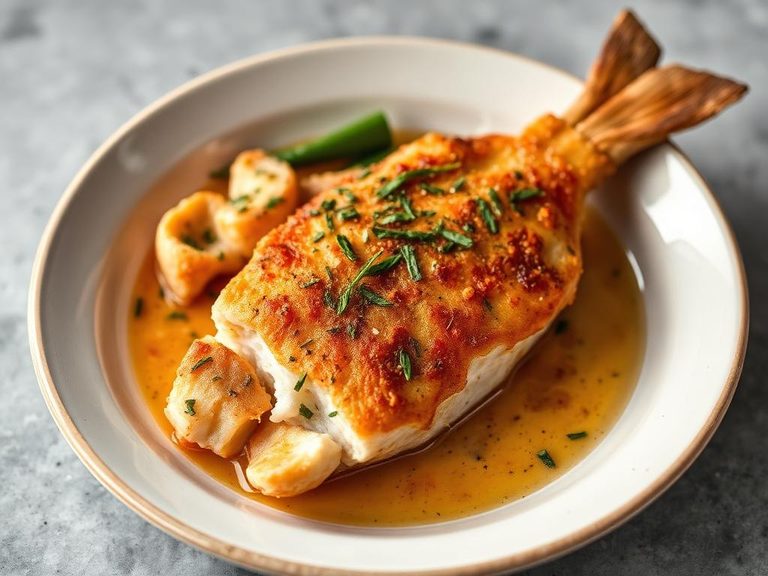
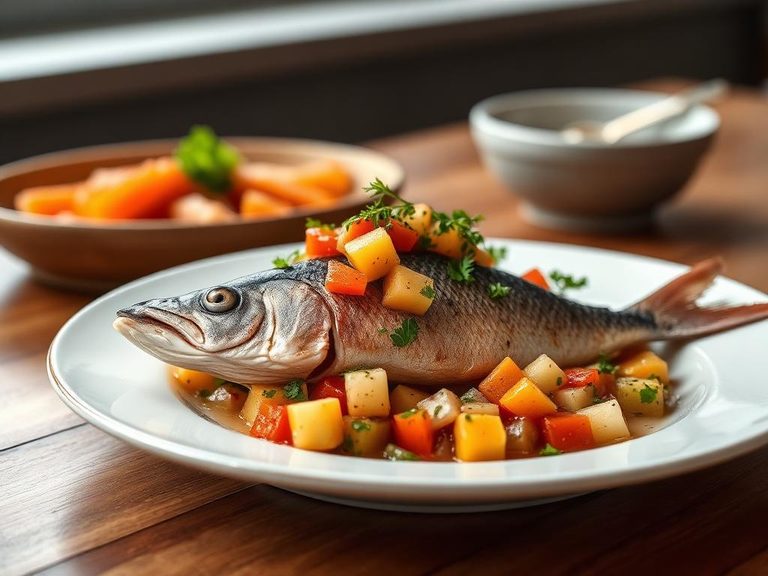
🍽️ Popular dishes
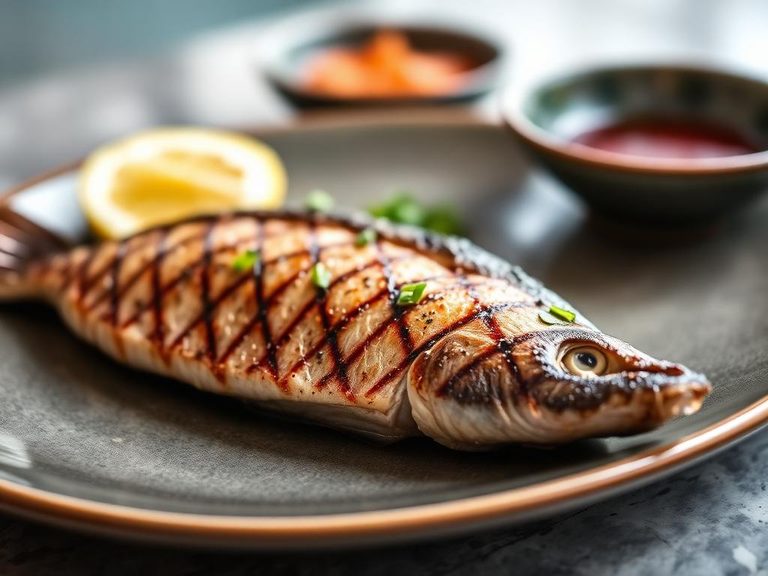
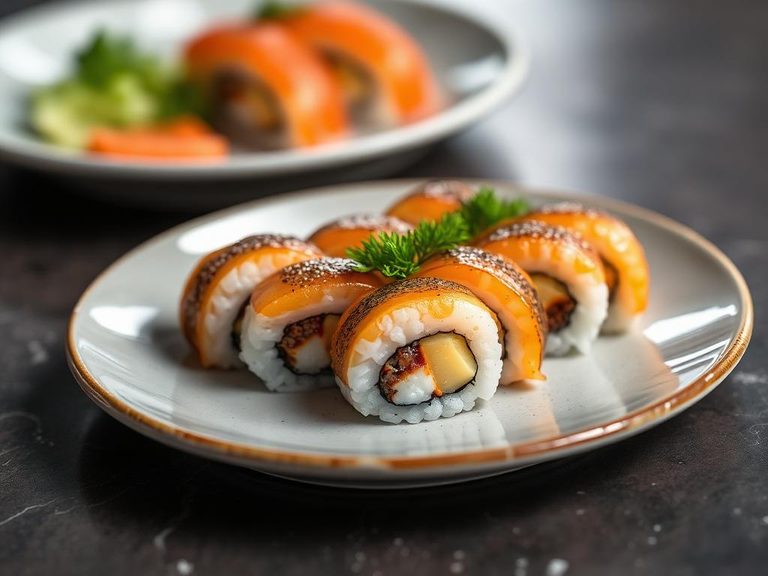
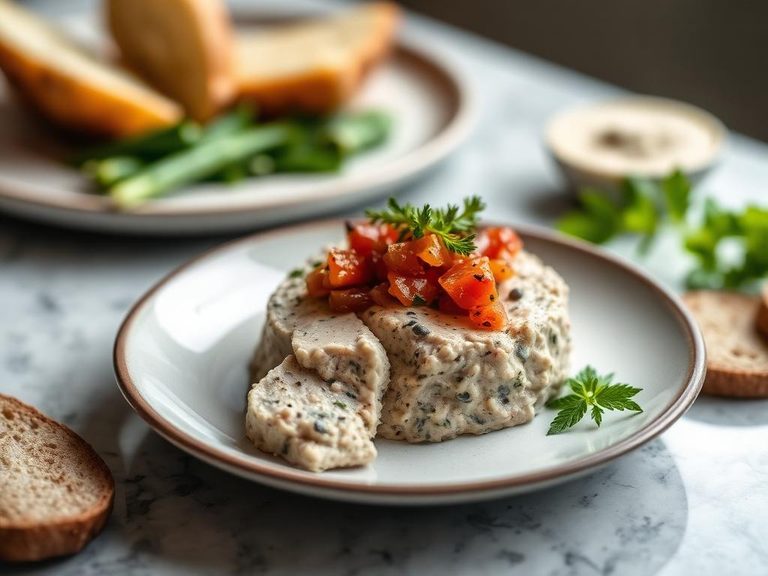
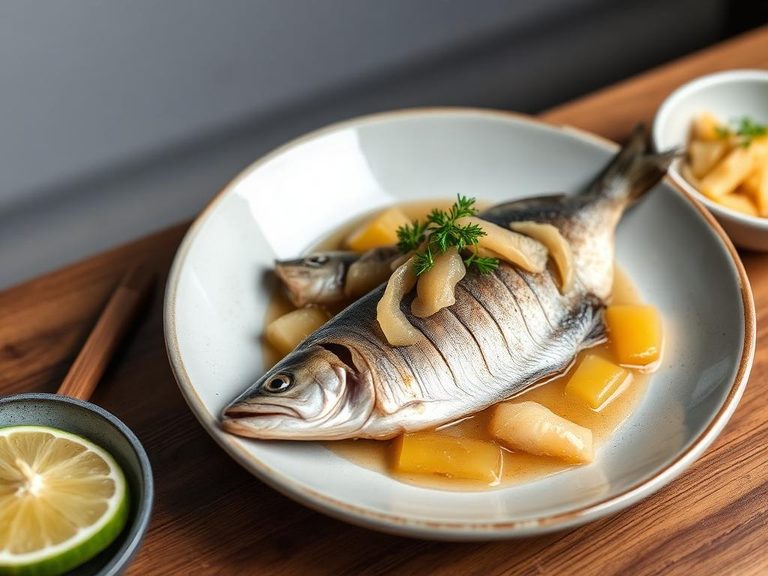
🌍 Where it's eaten
💡 Did you know?
Mackerel is one of the few fish that can be eaten raw and is often considered 'saba' in Japanese cuisine, where it's traditionally cured with vinegar and salt to balance its natural oils.
Full nutrition (USDA data · scales with serving)
| Water | 70.2 g |
| Energy | 158 kcal |
| Energy | 661 kj |
| Protein | 20.1 g |
| Total lipid (fat) | 7.9 g |
| Ash | 1.6 g |
| Carbohydrate, by difference | 0.00 g |
| Fiber, total dietary | 0.00 g |
| Total Sugars | 0.00 g |
| Calcium, Ca | 23.0 mg |
| Iron, Fe | 1.2 mg |
| Magnesium, Mg | 28.0 mg |
| Phosphorus, P | 125 mg |
| Potassium, K | 406 mg |
| Sodium, Na | 86.0 mg |
| Zinc, Zn | 0.67 mg |
| Copper, Cu | 0.09 mg |
| Manganese, Mn | 0.01 mg |
| Selenium, Se | 36.5 ug |
| Vitamin C, total ascorbic acid | 2.0 mg |
| Thiamin | 0.11 mg |
| Riboflavin | 0.42 mg |
| Niacin | 8.3 mg |
| Pantothenic acid | 0.32 mg |
| Vitamin B-6 | 0.33 mg |
| Folate, total | 2.0 ug |
| Folic acid | 0.00 ug |
| Folate, food | 2.0 ug |
| Folate, DFE | 2.0 ug |
| Choline, total | 66.9 mg |
| Vitamin B-12 | 4.4 ug |
| Vitamin B-12, added | 0.00 ug |
| Vitamin A, RAE | 19.0 ug |
| Retinol | 19.0 ug |
| Carotene, beta | 0.00 ug |
| Carotene, alpha | 0.00 ug |
| Cryptoxanthin, beta | 0.00 ug |
| Vitamin A, IU | 62.0 iu |
| Lycopene | 0.00 ug |
| Lutein + zeaxanthin | 0.00 ug |
| Vitamin E (alpha-tocopherol) | 1.0 mg |
| Vitamin E, added | 0.00 mg |
| Vitamin D (D2 + D3), International Units | 366 iu |
| Vitamin D (D2 + D3) | 9.1 ug |
| Vitamin D3 (cholecalciferol) | 9.1 ug |
| Vitamin K (phylloquinone) | 0.10 ug |
| Alcohol, ethyl | 0.00 g |
| Caffeine | 0.00 mg |
| Theobromine | 0.00 mg |
Fat & fatty acid profile (per 100g)
| Fatty acids, total saturated | 2.2 g |
| SFA 4:0 | 0.00 g |
| SFA 6:0 | 0.00 g |
| SFA 8:0 | 0.00 g |
| SFA 10:0 | 0.00 g |
| SFA 12:0 | 0.01 g |
| SFA 14:0 | 0.34 g |
| SFA 16:0 | 1.4 g |
| SFA 18:0 | 0.44 g |
| Fatty acids, total monounsaturated | 2.6 g |
| MUFA 16:1 | 0.47 g |
| MUFA 18:1 | 1.3 g |
| MUFA 20:1 | 0.33 g |
| MUFA 22:1 | 0.48 g |
| Fatty acids, total polyunsaturated | 1.9 g |
| PUFA 18:2 | 0.12 g |
| PUFA 18:3 | 0.05 g |
| PUFA 18:4 | 0.13 g |
| PUFA 20:4 | 0.08 g |
| PUFA 20:5 n-3 (EPA) | 0.51 g |
| PUFA 22:5 n-3 (DPA) | 0.12 g |
| PUFA 22:6 n-3 (DHA) | 0.93 g |
| Cholesterol | 47.0 mg |
Amino acid profile (per 100g)
| Tryptophan | 0.23 g |
| Threonine | 0.88 g |
| Isoleucine | 0.93 g |
| Leucine | 1.6 g |
| Lysine | 1.8 g |
| Methionine | 0.59 g |
| Cystine | 0.21 g |
| Phenylalanine | 0.78 g |
| Tyrosine | 0.68 g |
| Valine | 1.0 g |
| Arginine | 1.2 g |
| Histidine | 0.59 g |
| Alanine | 1.2 g |
| Aspartic acid | 2.1 g |
| Glutamic acid | 3.0 g |
| Glycine | 0.96 g |
| Proline | 0.71 g |
| Serine | 0.82 g |
FAQ
Is mackerel high in mercury?
Pacific mackerel is generally lower in mercury than larger species like king mackerel, making it a safer choice for regular consumption.
Can I eat mackerel raw?
Yes, when properly handled and sourced, it's commonly used in sushi and sashimi, but always ensure it's fresh and from a reputable supplier.
How should I store mackerel?
Keep it refrigerated at 40°F (4°C) or below and use within 1-2 days, or freeze it for longer storage.
Nutrient density (calculated · NRF9.3)
Nutrient Rich Foods index: beneficial nutrients (protein, fiber, vitamins, minerals) minus saturated fat, added sugar & sodium, per 100 kcal.
NRF9.3 index — Fulgoni, Keast & Drewnowski, 2009. Computed from USDA nutrients.
Weight-loss friendliness (composite index)
Energy density 1.58 kcal/g · 51% calories from protein · 0.0 g fiber · 0.0 g sugar per 100 g.
Composite of energy density (Rolls et al., 1999), protein & fiber satiety, minus sugar. A calculated heuristic — ranks satiety-per-calorie, not a clinical measure.
Dietary load (calculated from USDA values)
Potential renal acid load. Positive = acid-forming, negative = alkaline-forming.
Sodium-to-potassium ratio: 0.21 (lower is better — aim for ≤ 1)
Sodium:potassium per WHO potassium guidance. Computed from USDA nutrients.