

Fish, mackerel, jack, canned, drained solids
Whole food · Finfish and Shellfish Products

Photo: Wikipedia
This is jack mackerel, a firm-fleshed, oily fish preserved in a can and drained of its liquid. The taste is robust and savory, with a meaty, slightly chewy texture that holds up well in salads or sandwiches. Nutritionally, it's a powerhouse of high-quality protein and heart-healthy fats, with virtually no carbohydrates.
Calorie split: 62% protein · 0% carbs · 38% fat
↓ Full nutrition💚 Why it's loved
People love it for its deep, oceanic flavor and satisfying, meaty bite that adds substance to simple meals. It's a beloved staple in pantries worldwide for its incredible versatility in quick salads, pastas, and savory spreads.
⚠️ Watch-outs & how to enjoy it better
The strong, distinct flavor can be overpowering for those who prefer milder fish, and it may have a higher sodium content depending on the brine. To counteract this, rinse the drained solids under cold water to reduce sodium, and pair it with acidic ingredients like lemon juice or vinegar to brighten and balance its rich taste.
Key benefits
- Excellent source of complete protein (23g per 100g)
- Rich in omega-3 fatty acids for heart and brain health
- Provides significant amounts of vitamin B12 and selenium
- Zero carbohydrates, making it ideal for low-carb diets
- Convenient, shelf-stable, and ready-to-eat protein source
🍽️ Popular dishes
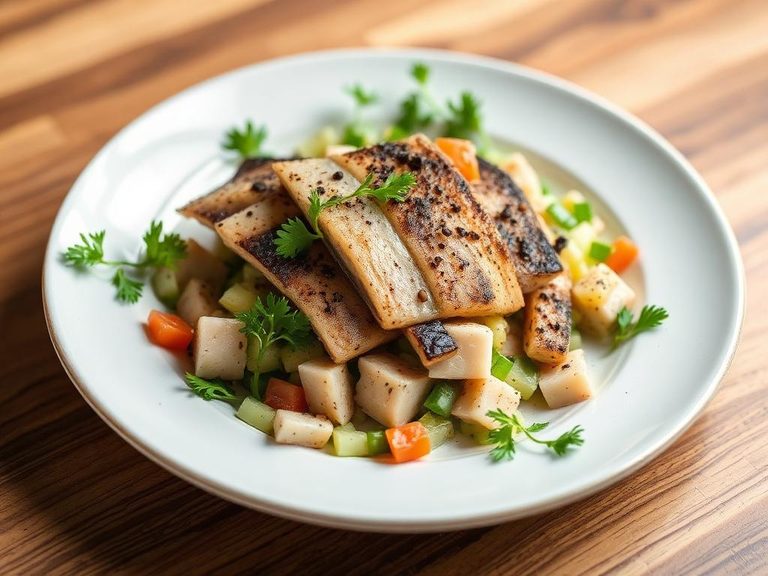
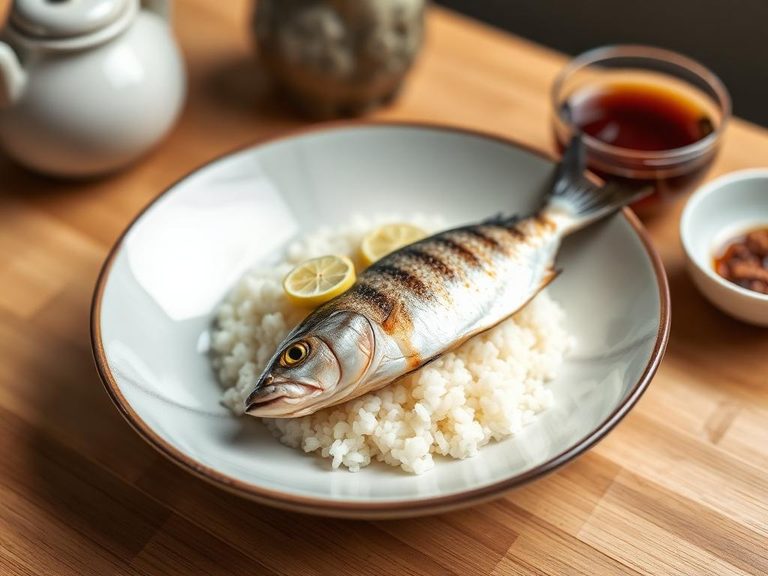

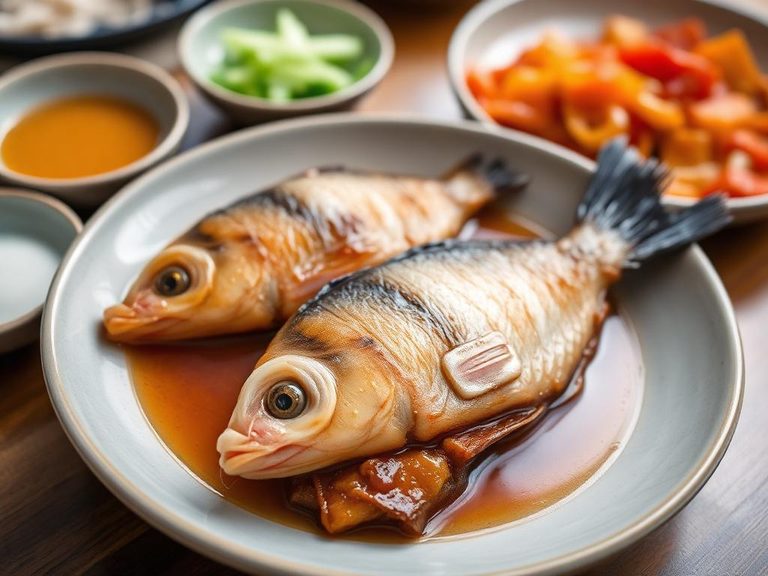
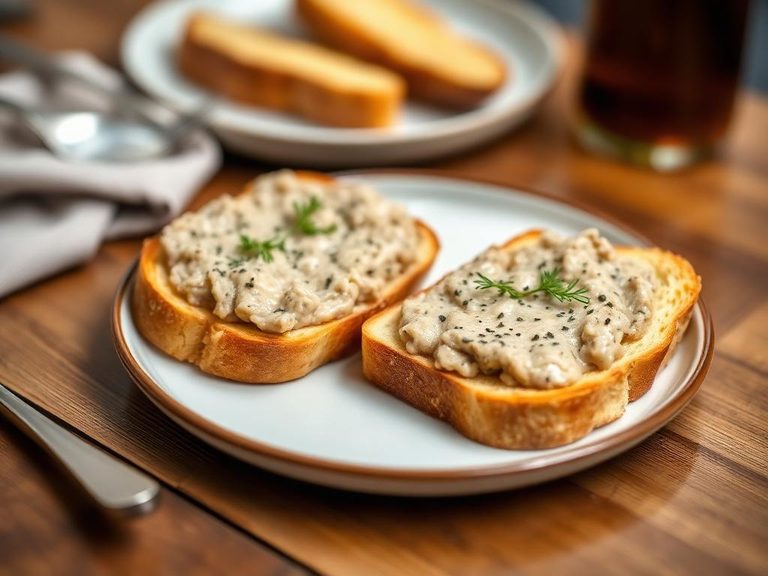
🌍 Where it's eaten
💡 Did you know?
Jack mackerel is not a true mackerel but belongs to the jack family (Carangidae), making it more closely related to pompano and amberjack.
Full nutrition (USDA data · scales with serving)
| Water | 69.2 g |
| Energy | 156 kcal |
| Energy | 653 kj |
| Protein | 23.2 g |
| Total lipid (fat) | 6.3 g |
| Ash | 1.7 g |
| Carbohydrate, by difference | 0.00 g |
| Fiber, total dietary | 0.00 g |
| Total Sugars | 0.00 g |
| Calcium, Ca | 241 mg |
| Iron, Fe | 2.0 mg |
| Magnesium, Mg | 37.0 mg |
| Phosphorus, P | 301 mg |
| Potassium, K | 194 mg |
| Sodium, Na | 379 mg |
| Zinc, Zn | 1.0 mg |
| Copper, Cu | 0.15 mg |
| Manganese, Mn | 0.04 mg |
| Selenium, Se | 37.7 ug |
| Vitamin C, total ascorbic acid | 0.90 mg |
| Thiamin | 0.04 mg |
| Riboflavin | 0.21 mg |
| Niacin | 6.2 mg |
| Pantothenic acid | 0.30 mg |
| Vitamin B-6 | 0.21 mg |
| Folate, total | 5.0 ug |
| Folic acid | 0.00 ug |
| Folate, food | 5.0 ug |
| Folate, DFE | 5.0 ug |
| Choline, total | 85.0 mg |
| Vitamin B-12 | 6.9 ug |
| Vitamin B-12, added | 0.00 ug |
| Vitamin A, RAE | 130 ug |
| Retinol | 130 ug |
| Carotene, beta | 0.00 ug |
| Carotene, alpha | 0.00 ug |
| Cryptoxanthin, beta | 0.00 ug |
| Vitamin A, IU | 433 iu |
| Lycopene | 0.00 ug |
| Lutein + zeaxanthin | 0.00 ug |
| Vitamin E (alpha-tocopherol) | 1.0 mg |
| Vitamin E, added | 0.00 mg |
| Vitamin D (D2 + D3), International Units | 292 iu |
| Vitamin D (D2 + D3) | 7.3 ug |
| Vitamin D3 (cholecalciferol) | 7.3 ug |
| Vitamin K (phylloquinone) | 0.10 ug |
| Alcohol, ethyl | 0.00 g |
| Caffeine | 0.00 mg |
| Theobromine | 0.00 mg |
Fat & fatty acid profile (per 100g)
| Fatty acids, total saturated | 1.9 g |
| SFA 4:0 | 0.00 g |
| SFA 6:0 | 0.00 g |
| SFA 8:0 | 0.00 g |
| SFA 10:0 | 0.00 g |
| SFA 12:0 | 0.01 g |
| SFA 14:0 | 0.29 g |
| SFA 16:0 | 1.2 g |
| SFA 18:0 | 0.38 g |
| Fatty acids, total monounsaturated | 2.2 g |
| MUFA 16:1 | 0.40 g |
| MUFA 18:1 | 1.1 g |
| MUFA 20:1 | 0.28 g |
| MUFA 22:1 | 0.41 g |
| Fatty acids, total polyunsaturated | 1.7 g |
| PUFA 18:2 | 0.10 g |
| PUFA 18:3 | 0.04 g |
| PUFA 18:4 | 0.11 g |
| PUFA 20:4 | 0.07 g |
| PUFA 20:5 n-3 (EPA) | 0.43 g |
| PUFA 22:5 n-3 (DPA) | 0.10 g |
| PUFA 22:6 n-3 (DHA) | 0.80 g |
| Cholesterol | 79.0 mg |
Amino acid profile (per 100g)
| Tryptophan | 0.26 g |
| Threonine | 1.0 g |
| Isoleucine | 1.1 g |
| Leucine | 1.9 g |
| Lysine | 2.1 g |
| Methionine | 0.69 g |
| Cystine | 0.25 g |
| Phenylalanine | 0.91 g |
| Tyrosine | 0.78 g |
| Valine | 1.2 g |
| Arginine | 1.4 g |
| Histidine | 0.68 g |
| Alanine | 1.4 g |
| Aspartic acid | 2.4 g |
| Glutamic acid | 3.5 g |
| Glycine | 1.1 g |
| Proline | 0.82 g |
| Serine | 0.95 g |
FAQ
Is canned mackerel healthy?
Yes, it's highly nutritious, packed with protein, omega-3s, and vitamins. Choose varieties packed in water or olive oil and rinse to manage sodium.
How is it different from canned tuna?
Mackerel has a stronger, more pronounced fish flavor, a firmer texture, and typically contains more omega-3 fatty acids than most canned tuna varieties.
Can I eat the liquid in the can?
The liquid is typically a brine or oil. It's safe to consume but can be high in sodium or fat. Most recipes call for draining and rinsing the solids.
Nutrient density (calculated · NRF9.3)
Nutrient Rich Foods index: beneficial nutrients (protein, fiber, vitamins, minerals) minus saturated fat, added sugar & sodium, per 100 kcal.
NRF9.3 index — Fulgoni, Keast & Drewnowski, 2009. Computed from USDA nutrients.
Weight-loss friendliness (composite index)
Energy density 1.56 kcal/g · 59% calories from protein · 0.0 g fiber · 0.0 g sugar per 100 g.
Composite of energy density (Rolls et al., 1999), protein & fiber satiety, minus sugar. A calculated heuristic — ranks satiety-per-calorie, not a clinical measure.
Dietary load (calculated from USDA values)
Potential renal acid load. Positive = acid-forming, negative = alkaline-forming.
Sodium-to-potassium ratio: 1.95 (lower is better — aim for ≤ 1)
Sodium:potassium per WHO potassium guidance. Computed from USDA nutrients.