Portuguese 'Pastéis de Atum'

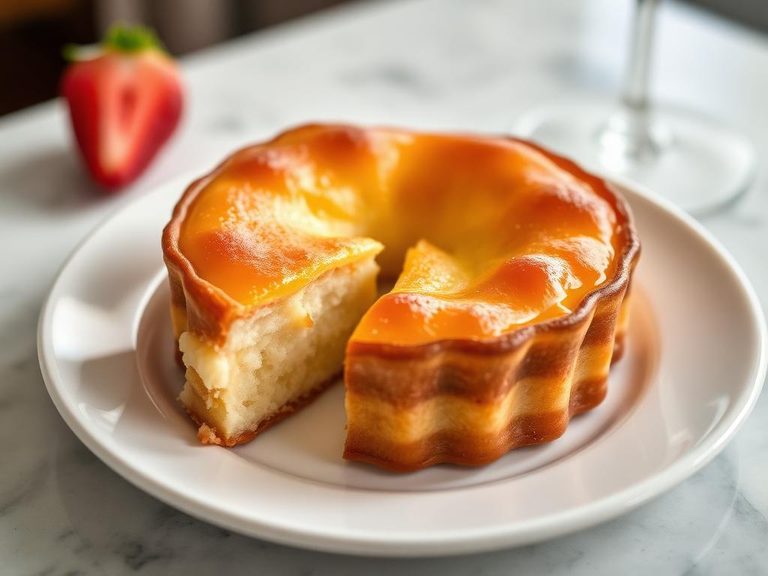
Pastéis de Atum are savory Portuguese pastries typically filled with tuna, onions, and hard-boiled eggs, encased in a flaky, buttery crust. This version uses canned mackerel as a flavorful and sustainable substitute for tuna, maintaining the dish's coastal roots. It's a beloved snack or appetizer found in bakeries and homes throughout Portugal.
🍽️ Nutrition at a glance
This dish is a good source of protein and healthy fats from the oily fish, with carbohydrates coming from the pastry dough. A single pastel provides a balanced mix of nutrients, including omega-3s, with a rough ballpark of 200-250 calories per serving.
Nutrition breakdown
| Calories | 210 kcal |
| Protein | 10 g |
| Carbs | 18 g |
| Fat | 10 g |
| Fiber | 1.5 g |
| Sugar | 2 g |
| Sodium | 480 mg |
| Potassium | 220 mg |
| Phosphorus | 150 mg |
| Vitamin B12 | 2.5 mcg |
| Selenium | 30 mcg |
| Niacin (B3) | 4 mg |
| Vitamin D | 3 mcg |
| Iron | 1.2 mg |
| Magnesium | 25 mg |
Per 1 pastry (about 80 g) · estimated, varies by recipe
💡 What's interesting
Pastéis de Atum showcase Portugal's deep connection to the sea and its culture of preserving fish, with canned tuna (or mackerel) being a pantry staple. Nutritionally, using mackerel boosts the omega-3 fatty acid content, offering a heart-healthy twist on a traditional comfort food.