Portuguese Pastel de Nata
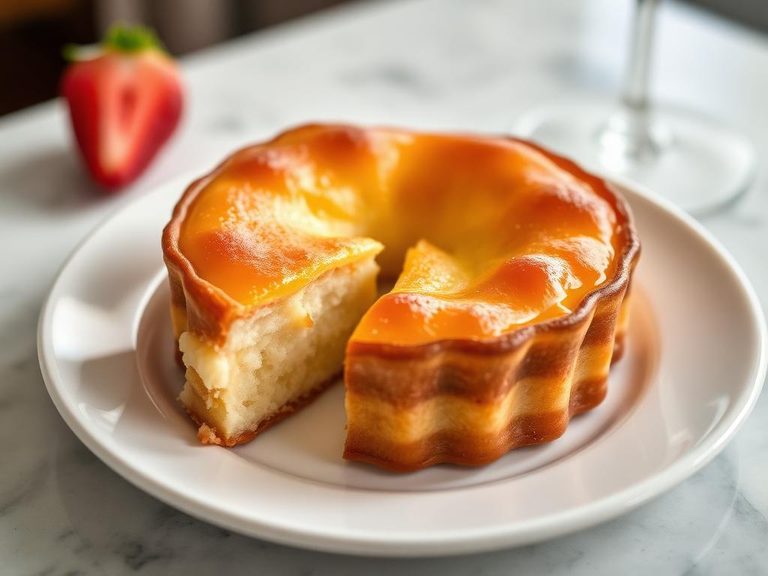
Pastel de Nata is a traditional Portuguese egg custard tart with a flaky, caramelized crust, originating from Lisbon's Jerónimos Monastery. The filling is made from egg yolks, sugar, flour, and cinnamon, while the pastry is a layered, buttery dough. It's a beloved national pastry often enjoyed with a sprinkle of cinnamon or powdered sugar.
🍽️ Nutrition at a glance
This pastry is high in carbohydrates and fat, with a moderate amount of protein from the eggs. A single tart provides a quick energy boost, along with some calcium and iron, and typically contains around 200-250 calories.
Nutrition breakdown
| Calories | 180 kcal |
| Protein | 2.5 g |
| Carbs | 22 g |
| Fat | 10 g |
| Fiber | 0.5 g |
| Sugar | 12 g |
| Sodium | 85 mg |
| Calcium | 25 mg |
| Iron | 0.8 mg |
| Potassium | 50 mg |
| Vitamin A | 60 µg |
| Vitamin D | 0.2 µg |
| Vitamin B12 | 0.1 µg |
| Phosphorus | 30 mg |
| Selenium | 4 µg |
Per 1 pastry (50 g) · estimated, varies by recipe
💡 What's interesting
Pastéis de nata are famously linked to the 18th-century monks of the Jerónimos Monastery, who used egg whites to starch their clothes, creating a surplus of yolks. The tarts are baked at extremely high temperatures (over 400°C/750°F) to achieve their signature blistered, caramelized tops.