Portuguese Feijoada
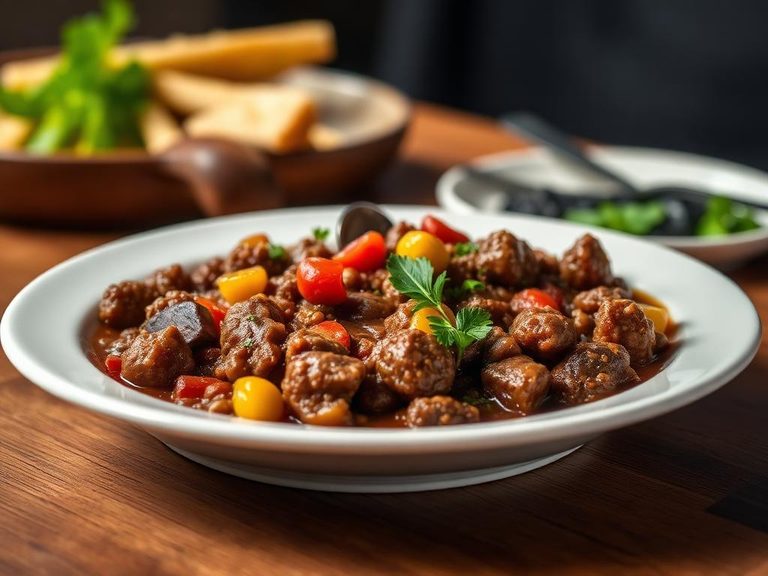
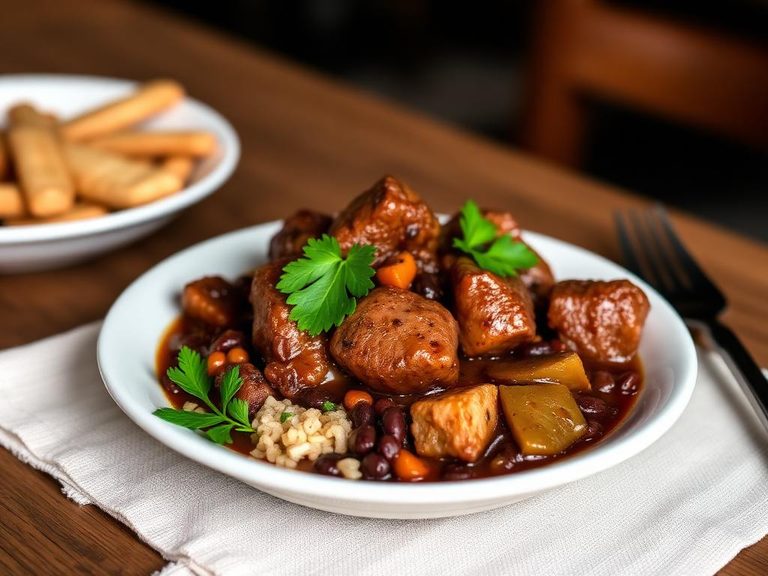
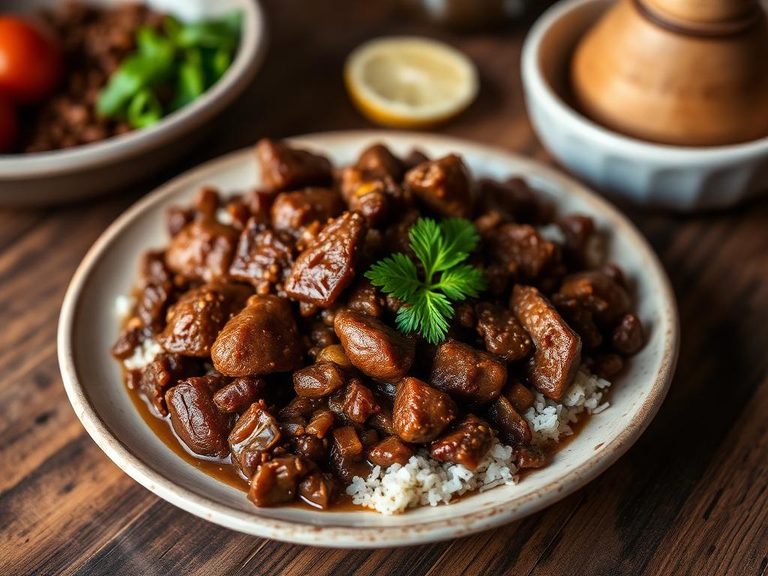
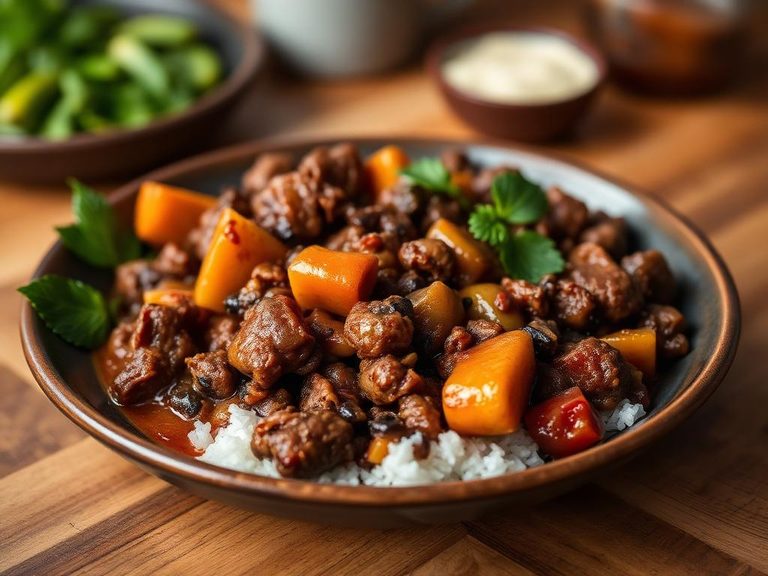
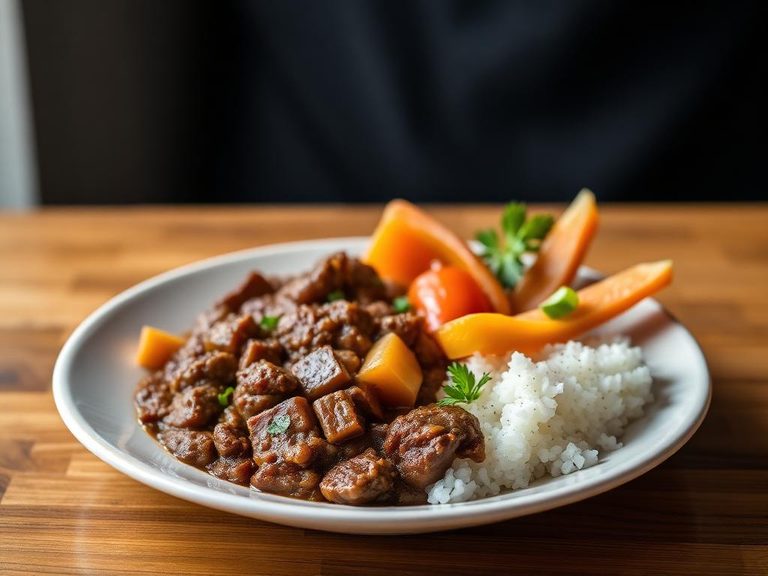
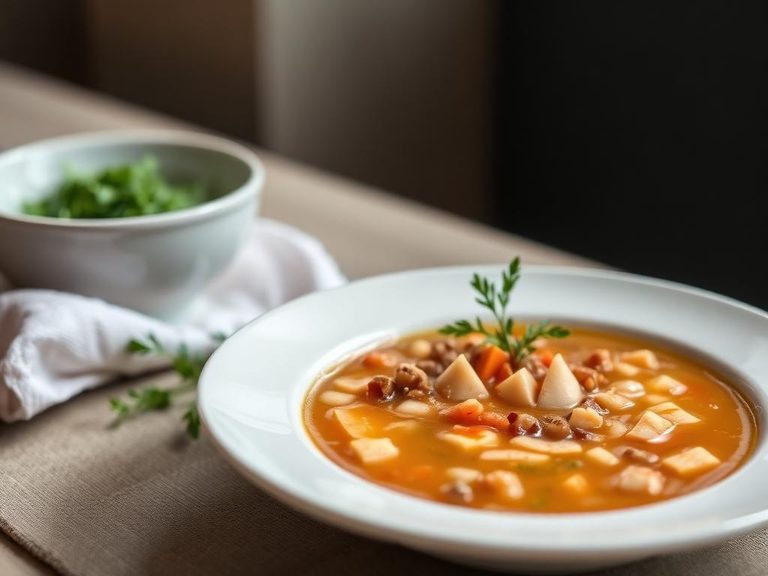
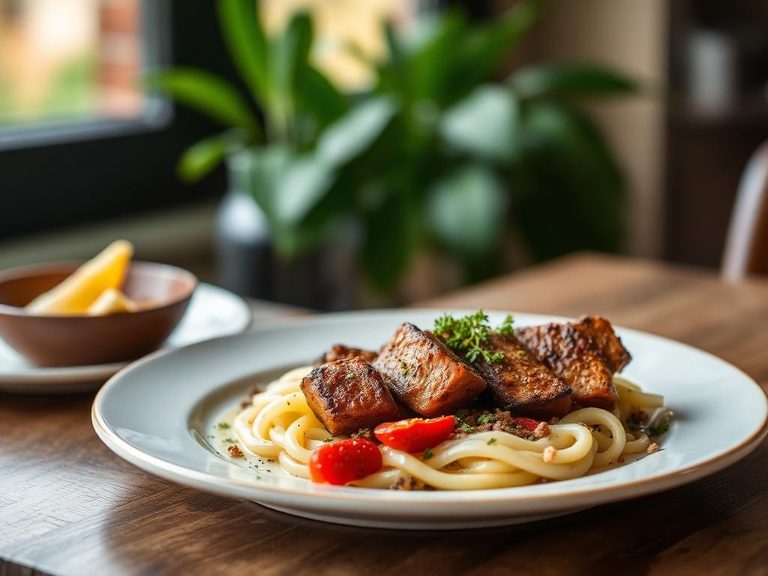
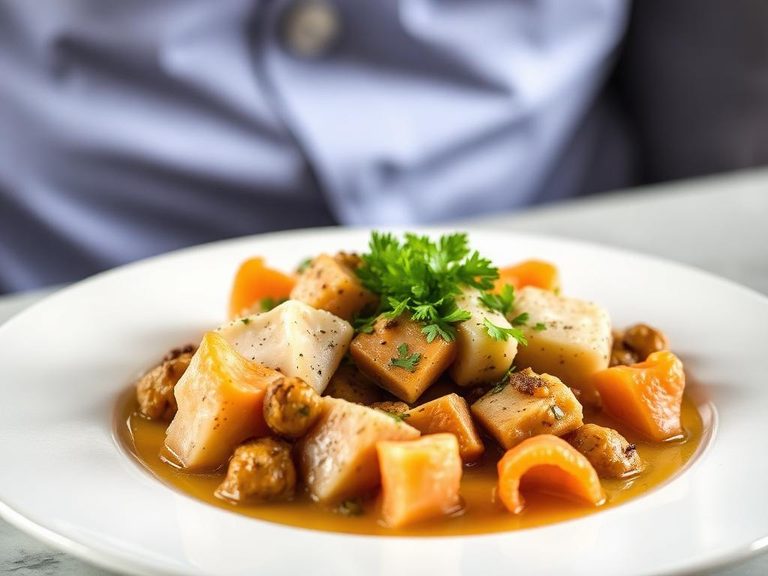
Portuguese Feijoada is a hearty, traditional stew primarily made with black beans, various cuts of pork (like sausage, ribs, and ears), and often beef, slow-cooked together. It is a cornerstone of Portuguese cuisine, particularly associated with the northern regions, and is typically served with rice, orange slices, and crusty bread.
🍽️ Nutrition at a glance
This dish is a powerhouse of protein and fat, with a moderate amount of carbohydrates from the beans. It provides significant iron, B vitamins, and fiber, with a typical serving ranging from 500 to 700 calories depending on the meat cuts and portion size.
Nutrition breakdown
| Calories | 450 kcal |
| Protein | 35 g |
| Carbs | 25 g |
| Fat | 22 g |
| Fiber | 8 g |
| Sugar | 3 g |
| Sodium | 900 mg |
| Potassium | 800 mg |
| Iron | 6 mg |
| Zinc | 5 mg |
| Vitamin B12 | 2.5 mcg |
| Phosphorus | 300 mg |
| Magnesium | 60 mg |
| Selenium | 25 mcg |
| Niacin (B3) | 8 mg |
Per 1 cup (240 g) · estimated, varies by recipe
💡 What's interesting
Culturally, Feijoada is a communal dish often enjoyed on Sundays or special occasions, symbolizing family gatherings. Nutritionally, the combination of beans and meat creates a complete protein profile, and the slow cooking process helps break down tough cuts of meat, making nutrients more bioavailable.