

Egg, quail, whole, fresh, raw
Whole food · Dairy and Egg Products

Photo: Wikipedia
The quail egg is a miniature marvel, a speckled jewel about one-third the size of a chicken egg. It boasts a rich, creamy yolk with a slightly more intense, nutty flavor than its larger counterpart, and a tender, delicate white. Despite its small size, it is a nutritional powerhouse, packing a high concentration of protein and healthy fats into each bite.
Calorie split: 34% protein · 1% carbs · 65% fat
↓ Full nutrition💚 Why it's loved
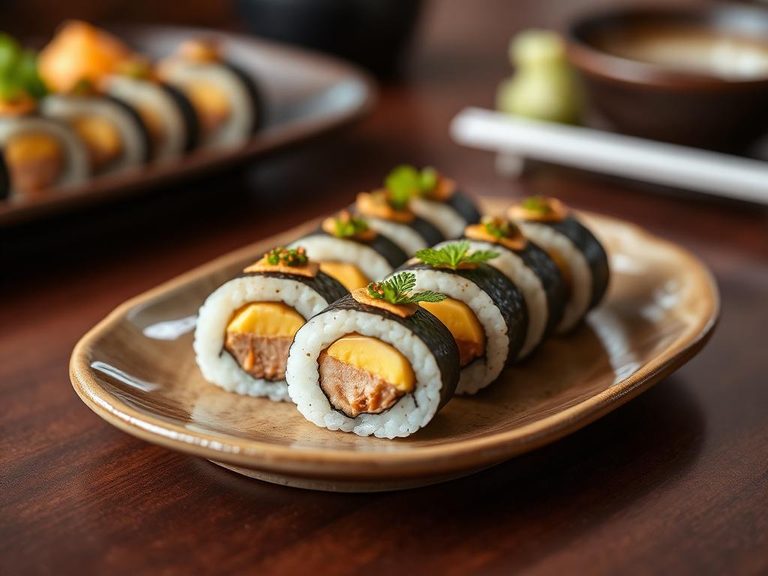
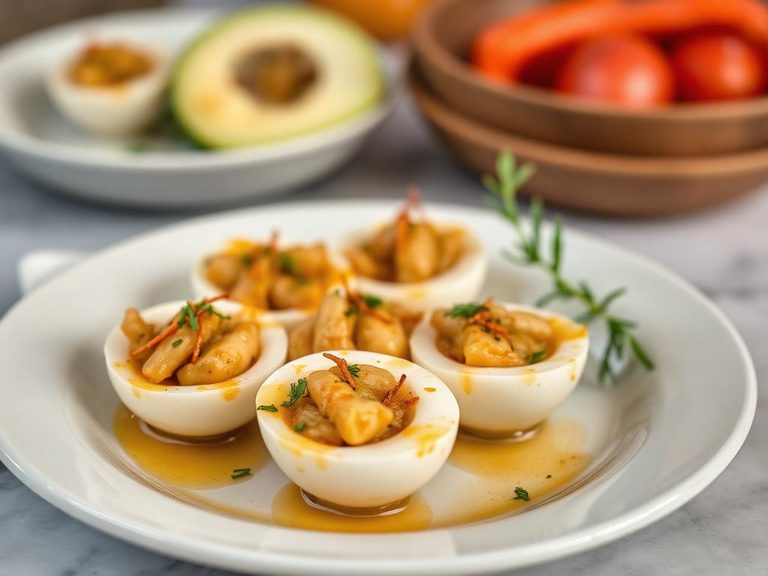
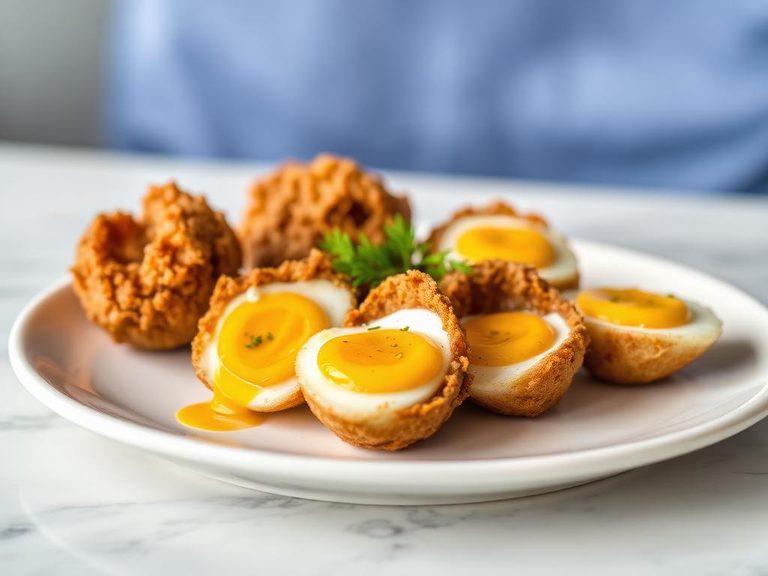
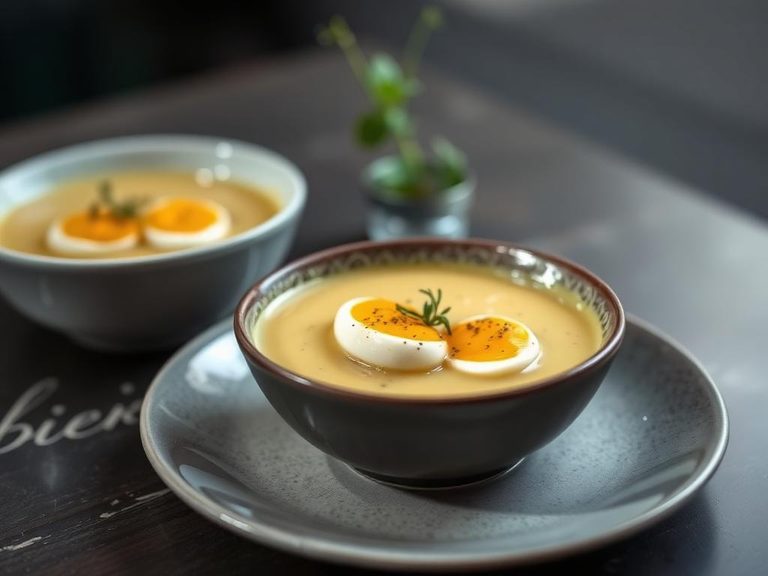
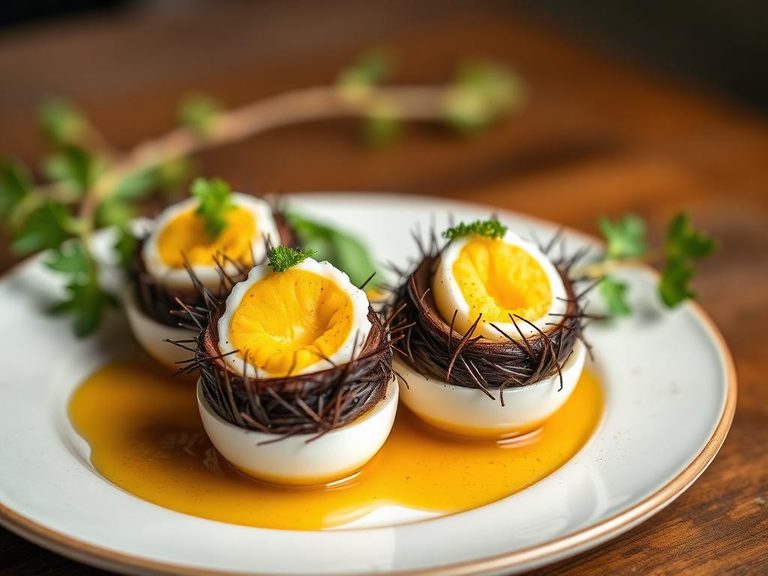
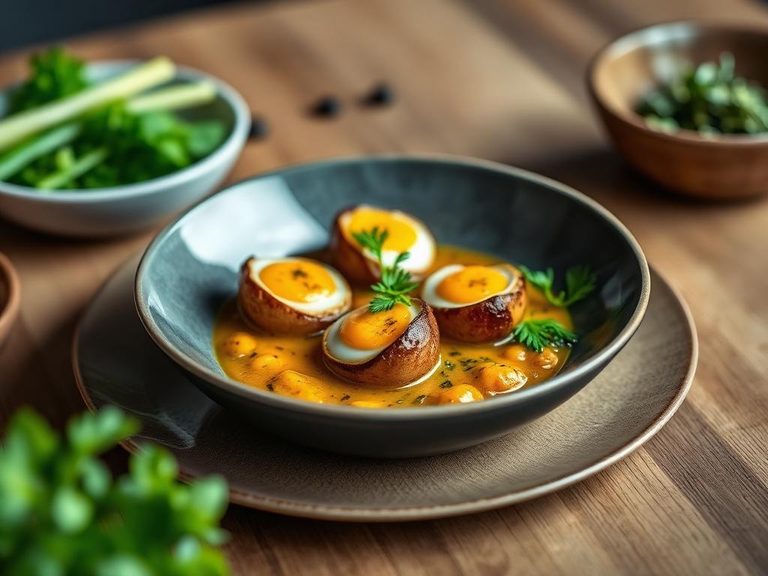
People adore quail eggs for their unique, robust flavor and the fun, elegant presentation they bring to dishes. Their versatility allows them to be pickled, fried, or used as a gourmet garnish, making them a favorite in both home cooking and fine dining.
⚠️ Watch-outs & how to enjoy it better
As with all eggs, quail eggs are a common allergen. They are also high in cholesterol, so those monitoring their intake should practice portion control. To counteract this, pair them with fiber-rich vegetables in a salad or stir-fry to balance the meal and promote satiety.
Key benefits
- Excellent source of high-quality protein for muscle maintenance.
- Rich in B vitamins like riboflavin (B2) and pantothenic acid (B5) for energy metabolism.
- Contains selenium, an antioxidant that supports thyroid function and immune health.
- Provides healthy monounsaturated fats and omega-3 fatty acids.
- A good source of choline, essential for brain and liver health.
🍽️ Popular dishes
🌍 Where it's eaten
💡 Did you know?
A single quail egg contains about 5% of a person's daily recommended intake of vitamin B12, which is essential for nerve function and DNA synthesis.
Full nutrition (USDA data · scales with serving)
| Water | 74.3 g |
| Energy | 158 kcal |
| Energy | 663 kj |
| Protein | 13.1 g |
| Total lipid (fat) | 11.1 g |
| Ash | 1.1 g |
| Carbohydrate, by difference | 0.41 g |
| Fiber, total dietary | 0.00 g |
| Total Sugars | 0.40 g |
| Calcium, Ca | 64.0 mg |
| Iron, Fe | 3.6 mg |
| Magnesium, Mg | 13.0 mg |
| Phosphorus, P | 226 mg |
| Potassium, K | 132 mg |
| Sodium, Na | 141 mg |
| Zinc, Zn | 1.5 mg |
| Copper, Cu | 0.06 mg |
| Manganese, Mn | 0.04 mg |
| Selenium, Se | 32.0 ug |
| Vitamin C, total ascorbic acid | 0.00 mg |
| Thiamin | 0.13 mg |
| Riboflavin | 0.79 mg |
| Niacin | 0.15 mg |
| Pantothenic acid | 1.8 mg |
| Vitamin B-6 | 0.15 mg |
| Folate, total | 66.0 ug |
| Folic acid | 0.00 ug |
| Folate, food | 66.0 ug |
| Folate, DFE | 66.0 ug |
| Choline, total | 263 mg |
| Vitamin B-12 | 1.6 ug |
| Vitamin B-12, added | 0.00 ug |
| Vitamin A, RAE | 156 ug |
| Retinol | 155 ug |
| Carotene, beta | 11.0 ug |
| Carotene, alpha | 0.00 ug |
| Cryptoxanthin, beta | 10.0 ug |
| Vitamin A, IU | 543 iu |
| Lycopene | 0.00 ug |
| Lutein + zeaxanthin | 369 ug |
| Vitamin E (alpha-tocopherol) | 1.1 mg |
| Vitamin E, added | 0.00 mg |
| Vitamin D (D2 + D3), International Units | 55.0 iu |
| Vitamin D (D2 + D3) | 1.4 ug |
| Vitamin D3 (cholecalciferol) | 1.4 ug |
| Vitamin K (phylloquinone) | 0.30 ug |
| Alcohol, ethyl | 0.00 g |
| Caffeine | 0.00 mg |
| Theobromine | 0.00 mg |
Fat & fatty acid profile (per 100g)
| Fatty acids, total saturated | 3.6 g |
| SFA 4:0 | 0.00 g |
| SFA 6:0 | 0.00 g |
| SFA 8:0 | 0.00 g |
| SFA 10:0 | 0.00 g |
| SFA 12:0 | 0.00 g |
| SFA 14:0 | 0.05 g |
| SFA 16:0 | 2.7 g |
| SFA 18:0 | 0.84 g |
| Fatty acids, total monounsaturated | 4.3 g |
| MUFA 16:1 | 0.47 g |
| MUFA 18:1 | 3.9 g |
| MUFA 20:1 | 0.00 g |
| MUFA 22:1 | 0.00 g |
| Fatty acids, total polyunsaturated | 1.3 g |
| PUFA 18:2 | 0.94 g |
| PUFA 18:3 | 0.04 g |
| PUFA 18:4 | 0.00 g |
| PUFA 20:4 | 0.12 g |
| PUFA 20:5 n-3 (EPA) | 0.00 g |
| PUFA 22:5 n-3 (DPA) | 0.00 g |
| PUFA 22:6 n-3 (DHA) | 0.00 g |
| Cholesterol | 844 mg |
Amino acid profile (per 100g)
| Tryptophan | 0.21 g |
| Threonine | 0.64 g |
| Isoleucine | 0.82 g |
| Leucine | 1.1 g |
| Lysine | 0.88 g |
| Methionine | 0.42 g |
| Cystine | 0.31 g |
| Phenylalanine | 0.74 g |
| Tyrosine | 0.54 g |
| Valine | 0.94 g |
| Arginine | 0.83 g |
| Histidine | 0.32 g |
| Alanine | 0.76 g |
| Aspartic acid | 1.3 g |
| Glutamic acid | 1.7 g |
| Glycine | 0.43 g |
| Proline | 0.52 g |
| Serine | 0.99 g |
FAQ
How do you hard-boil quail eggs?
Bring a pot of water to a boil, gently add the eggs, and boil for 2-3 minutes. Immediately transfer them to an ice bath to stop the cooking process and make peeling easier.
Are quail eggs more nutritious than chicken eggs?
Per gram, quail eggs are slightly higher in fat, protein, and certain vitamins like B2 and B12. However, due to their small size, the absolute nutrient amount per egg is lower than a chicken egg.
What do quail eggs taste like?
They have a richer, creamier, and slightly more gamey or nutty flavor compared to chicken eggs, with a more pronounced yolk.
Nutrient density (calculated · NRF9.3)
Nutrient Rich Foods index: beneficial nutrients (protein, fiber, vitamins, minerals) minus saturated fat, added sugar & sodium, per 100 kcal.
NRF9.3 index — Fulgoni, Keast & Drewnowski, 2009. Computed from USDA nutrients.
Weight-loss friendliness (composite index)
Energy density 1.58 kcal/g · 33% calories from protein · 0.0 g fiber · 0.4 g sugar per 100 g.
Composite of energy density (Rolls et al., 1999), protein & fiber satiety, minus sugar. A calculated heuristic — ranks satiety-per-calorie, not a clinical measure.
Dietary load (calculated from USDA values)
Potential renal acid load. Positive = acid-forming, negative = alkaline-forming.
Sodium-to-potassium ratio: 1.07 (lower is better — aim for ≤ 1)
Sodium:potassium per WHO potassium guidance. Computed from USDA nutrients.