Quail Egg Soup
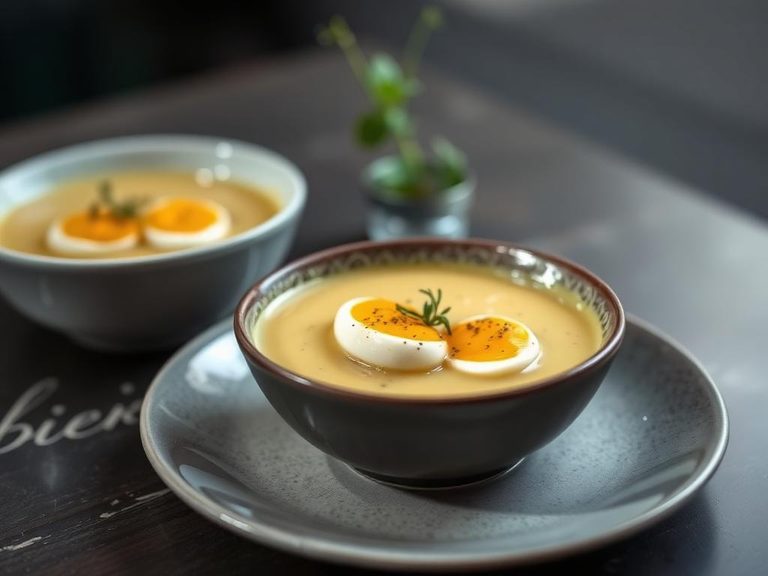
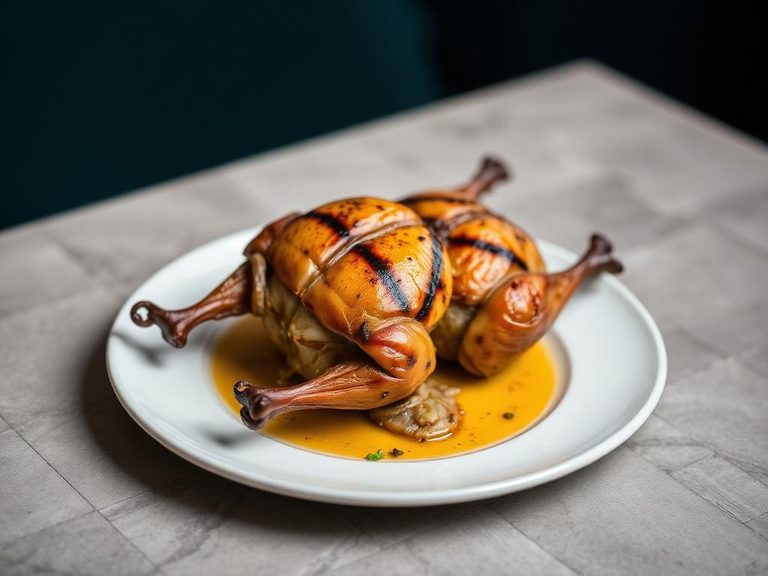
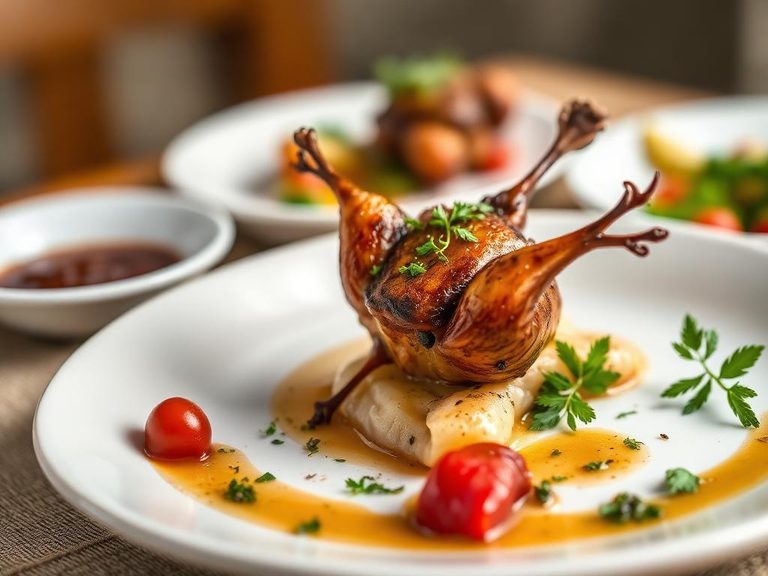
Quail Egg Soup is a light, savory broth-based dish featuring small, delicate quail eggs as the star ingredient. It typically includes a clear broth (often chicken or vegetable), aromatic vegetables like ginger and scallions, and sometimes herbs or mushrooms. This comforting soup is popular across many Asian cuisines, including Chinese, Japanese, and Korean, where it is valued for its simplicity and nourishing qualities.
🍽️ Nutrition at a glance
The soup is generally low in carbohydrates and fat, with a moderate amount of high-quality protein from the quail eggs. It provides essential nutrients like vitamin B12, selenium, and phosphorus, and a typical serving (1 cup) contains roughly 120-150 calories.
Nutrition breakdown
| Calories | 135 kcal |
| Protein | 10 g |
| Carbs | 4 g |
| Fat | 8 g |
| Fiber | 1 g |
| Sugar | 2 g |
| Sodium | 480 mg |
| Vitamin B12 | 1.2 mcg |
| Selenium | 15 mcg |
| Phosphorus | 120 mg |
| Riboflavin (B2) | 0.3 mg |
| Iron | 1.5 mg |
| Zinc | 1.2 mg |
| Choline | 50 mg |
| Vitamin D | 0.5 mcg |
Per 1 cup (240 g) · estimated, varies by recipe
💡 What's interesting
Culturally, quail eggs are often considered a delicacy or a symbol of prosperity in some Asian traditions. Nutritionally, they are remarkably nutrient-dense, offering more protein, vitamin B12, and iron per gram than chicken eggs, while being lower in calories.