

Cream substitute, flavored, powdered
Whole food · Dairy and Egg Products

Photo: Wikipedia
This is a shelf-stable, dehydrated powder designed to mimic the rich creaminess of dairy cream when mixed with water. It has a smooth, velvety texture and a sweet, often vanilla-forward flavor profile. Nutritionally, it is a concentrated source of carbohydrates, primarily from added sugars.
Calorie split: 1% protein · 61% carbs · 39% fat
↓ Full nutrition💚 Why it's loved
People love its instant convenience and ability to add a sweet, creamy richness to coffee, desserts, and sauces without the fuss of measuring or whipping heavy cream. Its nostalgic, comforting flavor is a staple in many home kitchens and diners.
⚠️ Watch-outs & how to enjoy it better
Its very high sugar content (over 58g per 100g) can cause rapid blood-sugar spikes, making it unsuitable for diabetics or those monitoring sugar intake. It also lacks the nutritional profile of real cream, offering minimal protein and fiber. To counteract, use sparingly as a flavor accent, pair it with protein-rich foods like nuts or eggs, or opt for unsweetened versions if available.
Key benefits
- Long shelf life without refrigeration
- Convenient and lightweight for storage
- Provides a quick source of energy
- Adds creamy texture without dairy fat
- Consistent flavor and performance in recipes
🍽️ Popular dishes
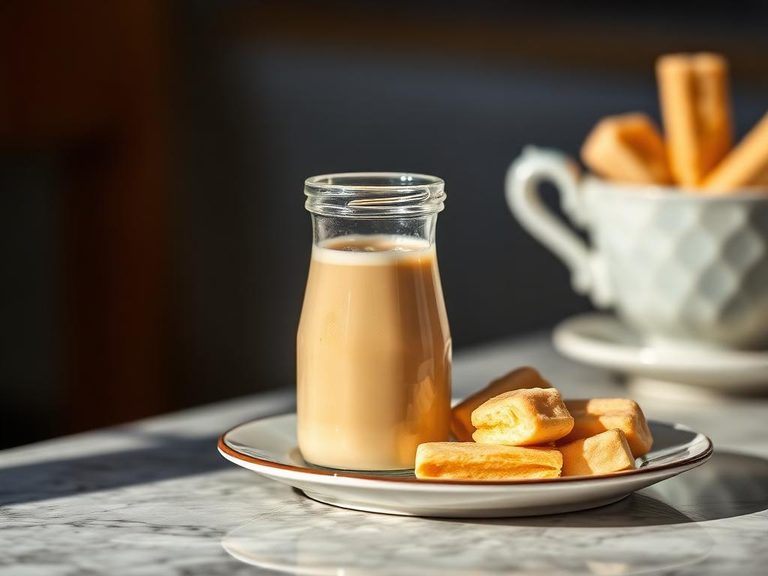
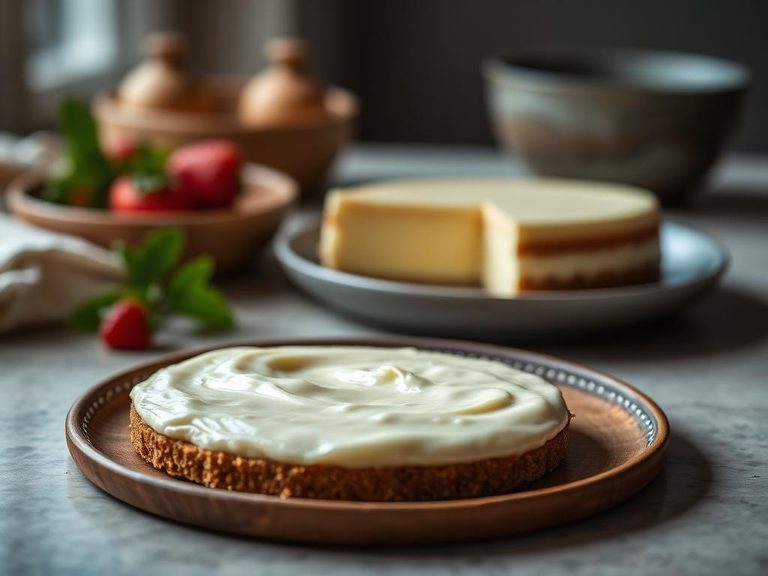
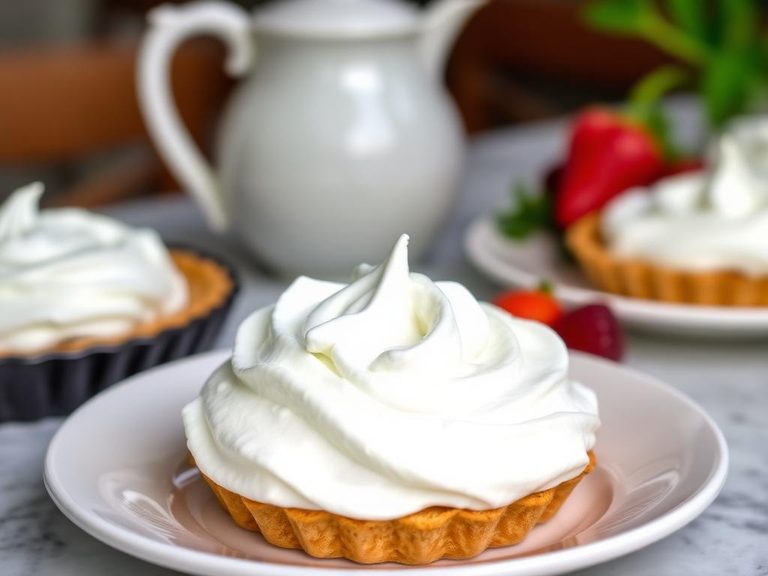
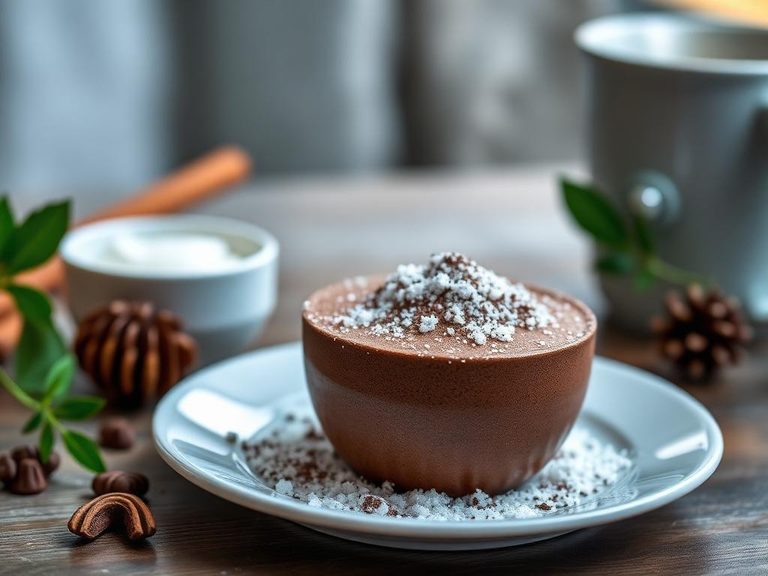
🌍 Where it's eaten
💡 Did you know?
The first powdered coffee creamer, Coffee-mate, was introduced by Nestlé in 1961 after a 7-year development period to create a non-dairy alternative.
Full nutrition (USDA data · scales with serving)
| Water | 1.5 g |
| Energy | 482 kcal |
| Energy | 2018 kj |
| Protein | 0.68 g |
| Total lipid (fat) | 21.5 g |
| Ash | 0.79 g |
| Carbohydrate, by difference | 75.4 g |
| Fiber, total dietary | 1.2 g |
| Total Sugars | 58.0 g |
| Calcium, Ca | 5.0 mg |
| Iron, Fe | 0.63 mg |
| Magnesium, Mg | 17.0 mg |
| Phosphorus, P | 28.0 mg |
| Potassium, K | 90.0 mg |
| Sodium, Na | 123 mg |
| Zinc, Zn | 0.23 mg |
| Copper, Cu | 0.14 mg |
| Manganese, Mn | 0.14 mg |
| Selenium, Se | 1.3 ug |
| Fluoride, F | 0.60 ug |
| Vitamin C, total ascorbic acid | 0.00 mg |
| Thiamin | 0.00 mg |
| Riboflavin | 0.03 mg |
| Niacin | 0.08 mg |
| Pantothenic acid | 0.01 mg |
| Vitamin B-6 | 0.00 mg |
| Folate, total | 1.0 ug |
| Folic acid | 0.00 ug |
| Folate, food | 1.0 ug |
| Folate, DFE | 1.0 ug |
| Choline, total | 0.50 mg |
| Betaine | 0.00 mg |
| Vitamin B-12 | 0.00 ug |
| Vitamin B-12, added | 0.00 ug |
| Vitamin A, RAE | 0.00 ug |
| Retinol | 0.00 ug |
| Carotene, beta | 0.00 ug |
| Carotene, alpha | 0.00 ug |
| Cryptoxanthin, beta | 0.00 ug |
| Vitamin A, IU | 0.00 iu |
| Lycopene | 0.00 ug |
| Lutein + zeaxanthin | 1.0 ug |
| Vitamin E (alpha-tocopherol) | 0.41 mg |
| Vitamin E, added | 0.00 mg |
| Vitamin D (D2 + D3), International Units | 0.00 iu |
| Vitamin D (D2 + D3) | 0.00 ug |
| Vitamin D3 (cholecalciferol) | 0.00 ug |
| Vitamin K (phylloquinone) | 9.1 ug |
| Alcohol, ethyl | 0.00 g |
| Caffeine | 3.0 mg |
| Theobromine | 92.0 mg |
Fat & fatty acid profile (per 100g)
| Fatty acids, total saturated | 19.4 g |
| SFA 4:0 | 0.00 g |
| SFA 6:0 | 0.00 g |
| SFA 8:0 | 0.90 g |
| SFA 10:0 | 0.90 g |
| SFA 12:0 | 7.5 g |
| SFA 14:0 | 3.0 g |
| SFA 16:0 | 2.4 g |
| SFA 18:0 | 4.7 g |
| Fatty acids, total monounsaturated | 0.62 g |
| MUFA 16:1 | 0.00 g |
| MUFA 18:1 | 0.62 g |
| MUFA 20:1 | 0.00 g |
| MUFA 22:1 | 0.00 g |
| Fatty acids, total polyunsaturated | 0.23 g |
| PUFA 18:2 | 0.23 g |
| PUFA 18:3 | 0.00 g |
| PUFA 18:4 | 0.00 g |
| PUFA 20:4 | 0.00 g |
| PUFA 20:5 n-3 (EPA) | 0.00 g |
| PUFA 22:5 n-3 (DPA) | 0.00 g |
| PUFA 22:6 n-3 (DHA) | 0.00 g |
| Cholesterol | 0.00 mg |
| Phytosterols | 18.0 mg |
Amino acid profile (per 100g)
| Tryptophan | 0.01 g |
| Threonine | 0.03 g |
| Isoleucine | 0.03 g |
| Leucine | 0.04 g |
| Lysine | 0.03 g |
| Methionine | 0.01 g |
| Cystine | 0.01 g |
| Phenylalanine | 0.03 g |
| Tyrosine | 0.03 g |
| Valine | 0.04 g |
| Arginine | 0.04 g |
| Histidine | 0.01 g |
| Alanine | 0.03 g |
| Aspartic acid | 0.07 g |
| Glutamic acid | 0.10 g |
| Glycine | 0.03 g |
| Proline | 0.03 g |
| Serine | 0.03 g |
FAQ
What is it made of?
Typically a blend of corn syrup solids, hydrogenated vegetable oil (like coconut or palm kernel), and sodium caseinate (a milk derivative), along with emulsifiers, stabilizers, and flavorings.
Is it the same as powdered milk?
No. Powdered milk is made from dehydrated milk and contains dairy protein. Most flavored cream substitutes are non-dairy, using vegetable oils and milk derivatives like sodium caseinate.
Can I use it in baking?
Yes, it's often used to add creaminess and sweetness to cakes, cookies, and frostings. However, it won't behave exactly like fresh cream or milk due to its high sugar and fat content.
Nutrient density (calculated · NRF9.3)
Nutrient Rich Foods index: beneficial nutrients (protein, fiber, vitamins, minerals) minus saturated fat, added sugar & sodium, per 100 kcal.
NRF9.3 index — Fulgoni, Keast & Drewnowski, 2009. Computed from USDA nutrients.
Weight-loss friendliness (composite index)
Energy density 4.82 kcal/g · 1% calories from protein · 1.2 g fiber · 58.0 g sugar per 100 g.
Composite of energy density (Rolls et al., 1999), protein & fiber satiety, minus sugar. A calculated heuristic — ranks satiety-per-calorie, not a clinical measure.
Dietary load (calculated from USDA values)
Potential renal acid load. Positive = acid-forming, negative = alkaline-forming.
Sodium-to-potassium ratio: 1.37 (lower is better — aim for ≤ 1)
Sodium:potassium per WHO potassium guidance. Computed from USDA nutrients.