

Cream, sour, reduced fat, cultured
Whole food · Dairy and Egg Products

Photo: Wikipedia
This is a cultured dairy product with a thick, creamy texture and a distinct, tangy flavor from lactic acid fermentation. Nutritionally, it's a moderate-fat source (12g per 100g) with a modest protein content (2.94g), offering a richer mouthfeel than full-fat milk while being lower in fat than traditional sour cream. Its reduced fat content makes it a lighter option for adding richness and a probiotic tang to dishes.
Calorie split: 9% protein · 12% carbs · 79% fat
↓ Full nutrition💚 Why it's loved
People love it for its signature tangy flavor and luxurious, creamy texture that elevates both savory and sweet dishes. Its versatility as a topping, dip, or ingredient makes it a staple in many kitchens for adding a cool, rich contrast.
⚠️ Watch-outs & how to enjoy it better
Those with lactose intolerance or a dairy allergy should avoid it, as it contains milk. The reduced fat version, while lighter, still contains significant fat and calories, so portion control is key for those monitoring intake. To mitigate digestive issues, it can be paired with fiber-rich foods or used in cooked dishes where some lactose may break down.
Key benefits
- Provides probiotics from live active cultures.
- Good source of calcium for bone health.
- Lower in fat than traditional sour cream.
- Adds creamy texture and tangy flavor without heavy cooking.
- Contains some protein and B vitamins.
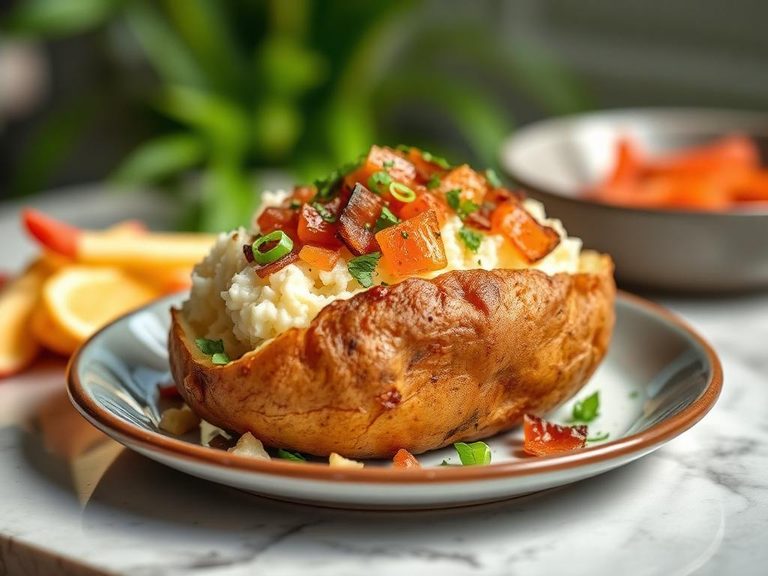
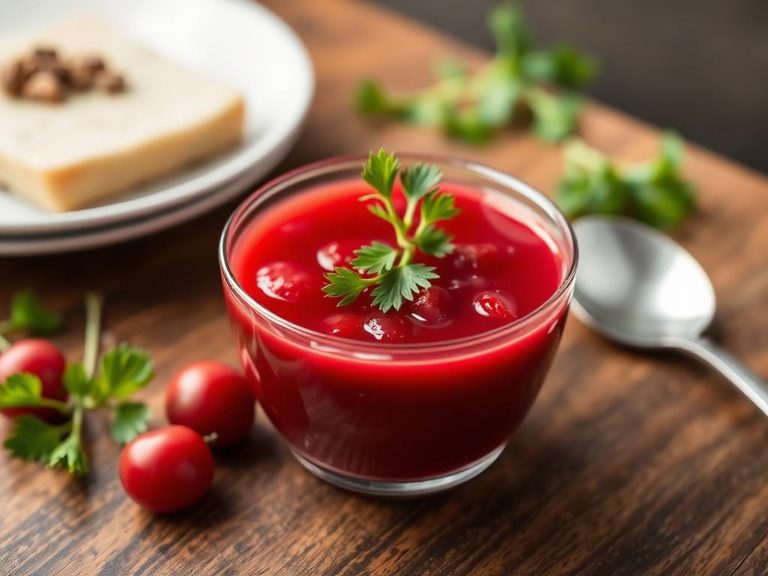
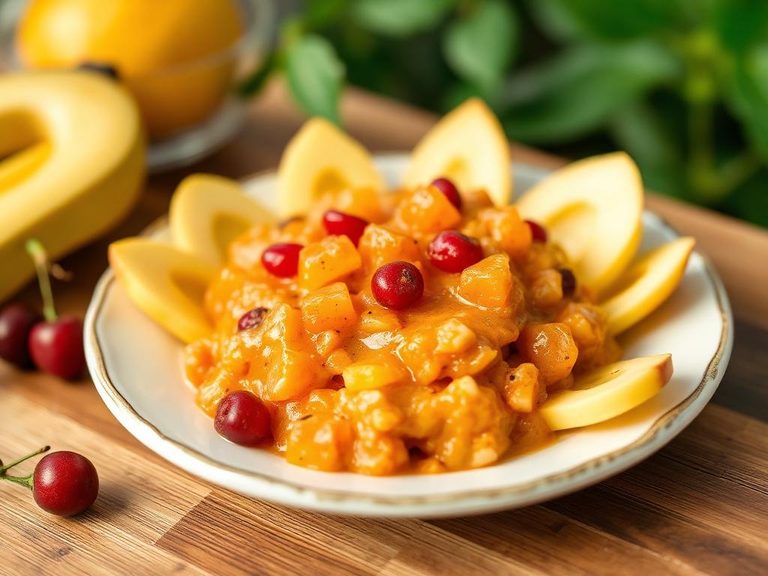
🍽️ Popular dishes
🌍 Where it's eaten
💡 Did you know?
The 'cultured' in its name refers to the addition of specific bacterial strains (like Lactococcus and Lactobacillus) that ferment the cream, producing lactic acid which thickens it and gives it its characteristic sour taste.
Full nutrition (USDA data · scales with serving)
| Water | 80.1 g |
| Energy | 135 kcal |
| Energy | 563 kj |
| Protein | 2.9 g |
| Total lipid (fat) | 12.0 g |
| Ash | 0.66 g |
| Carbohydrate, by difference | 4.3 g |
| Fiber, total dietary | 0.00 g |
| Total Sugars | 0.16 g |
| Calcium, Ca | 104 mg |
| Iron, Fe | 0.07 mg |
| Magnesium, Mg | 10.0 mg |
| Phosphorus, P | 95.0 mg |
| Potassium, K | 129 mg |
| Sodium, Na | 89.0 mg |
| Zinc, Zn | 0.50 mg |
| Copper, Cu | 0.02 mg |
| Manganese, Mn | 0.00 mg |
| Selenium, Se | 2.1 ug |
| Vitamin C, total ascorbic acid | 0.90 mg |
| Thiamin | 0.04 mg |
| Riboflavin | 0.15 mg |
| Niacin | 0.07 mg |
| Pantothenic acid | 0.36 mg |
| Vitamin B-6 | 0.02 mg |
| Folate, total | 11.0 ug |
| Folic acid | 0.00 ug |
| Folate, food | 11.0 ug |
| Folate, DFE | 11.0 ug |
| Choline, total | 19.2 mg |
| Vitamin B-12 | 0.30 ug |
| Vitamin B-12, added | 0.00 ug |
| Vitamin A, RAE | 102 ug |
| Retinol | 100 ug |
| Carotene, beta | 23.0 ug |
| Carotene, alpha | 0.00 ug |
| Cryptoxanthin, beta | 0.00 ug |
| Vitamin A, IU | 372 iu |
| Lycopene | 0.00 ug |
| Lutein + zeaxanthin | 0.00 ug |
| Vitamin E (alpha-tocopherol) | 0.34 mg |
| Vitamin E, added | 0.00 mg |
| Vitamin D (D2 + D3), International Units | 9.0 iu |
| Vitamin D (D2 + D3) | 0.20 ug |
| Vitamin D3 (cholecalciferol) | 0.20 ug |
| Vitamin K (phylloquinone) | 0.60 ug |
| Alcohol, ethyl | 0.00 g |
| Caffeine | 0.00 mg |
| Theobromine | 0.00 mg |
Fat & fatty acid profile (per 100g)
| Fatty acids, total saturated | 7.5 g |
| SFA 4:0 | 0.39 g |
| SFA 6:0 | 0.23 g |
| SFA 8:0 | 0.13 g |
| SFA 10:0 | 0.30 g |
| SFA 12:0 | 0.34 g |
| SFA 14:0 | 1.2 g |
| SFA 16:0 | 3.2 g |
| SFA 18:0 | 1.5 g |
| Fatty acids, total monounsaturated | 3.5 g |
| MUFA 16:1 | 0.27 g |
| MUFA 18:1 | 3.0 g |
| MUFA 20:1 | 0.00 g |
| MUFA 22:1 | 0.00 g |
| Fatty acids, total polyunsaturated | 0.45 g |
| PUFA 18:2 | 0.27 g |
| PUFA 18:3 | 0.17 g |
| PUFA 18:4 | 0.00 g |
| PUFA 20:4 | 0.00 g |
| PUFA 20:5 n-3 (EPA) | 0.00 g |
| PUFA 22:5 n-3 (DPA) | 0.00 g |
| PUFA 22:6 n-3 (DHA) | 0.00 g |
| Cholesterol | 39.0 mg |
Amino acid profile (per 100g)
| Tryptophan | 0.04 g |
| Threonine | 0.13 g |
| Isoleucine | 0.18 g |
| Leucine | 0.29 g |
| Lysine | 0.23 g |
| Methionine | 0.07 g |
| Cystine | 0.03 g |
| Phenylalanine | 0.14 g |
| Tyrosine | 0.14 g |
| Valine | 0.20 g |
| Arginine | 0.11 g |
| Histidine | 0.08 g |
| Alanine | 0.10 g |
| Aspartic acid | 0.22 g |
| Glutamic acid | 0.62 g |
| Glycine | 0.06 g |
| Proline | 0.28 g |
| Serine | 0.16 g |
FAQ
How is reduced-fat cultured sour cream different from regular sour cream?
Reduced-fat versions have some of the milkfat removed before culturing, resulting in a lower fat content (typically 12g per 100g vs. 20g+ for full-fat) and fewer calories, while still maintaining a creamy texture and tangy flavor from the live cultures.
Can I use it in cooking and baking?
Yes, but it's best added to hot dishes at the end of cooking or stirred in off-heat to prevent curdling. It's excellent in batters for cakes and muffins to add moisture and tenderness.
Is it a good source of probiotics?
Yes, if it contains 'live and active cultures' on the label. The fermentation process introduces beneficial bacteria that can support gut health, though the specific strains and counts vary by brand.
Nutrient density (calculated · NRF9.3)
Nutrient Rich Foods index: beneficial nutrients (protein, fiber, vitamins, minerals) minus saturated fat, added sugar & sodium, per 100 kcal.
NRF9.3 index — Fulgoni, Keast & Drewnowski, 2009. Computed from USDA nutrients.
Weight-loss friendliness (composite index)
Energy density 1.35 kcal/g · 9% calories from protein · 0.0 g fiber · 0.2 g sugar per 100 g.
Composite of energy density (Rolls et al., 1999), protein & fiber satiety, minus sugar. A calculated heuristic — ranks satiety-per-calorie, not a clinical measure.
Dietary load (calculated from USDA values)
Potential renal acid load. Positive = acid-forming, negative = alkaline-forming.
Sodium-to-potassium ratio: 0.69 (lower is better — aim for ≤ 1)
Sodium:potassium per WHO potassium guidance. Computed from USDA nutrients.