

Chickpeas (garbanzo beans, bengal gram), mature seeds, canned, solids and liquids, low sodium
Whole food · Legumes and Legume Products
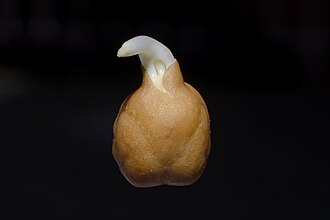
Photo: Wikipedia
These are mature chickpeas, gently simmered in their canning liquid, offering a tender, slightly nutty bite with a creamy interior. Their low-sodium profile lets their earthy, buttery flavor shine, making them a convenient, protein-rich staple with a satisfying, hearty texture.
Calorie split: 22% protein · 59% carbs · 19% fat
↓ Full nutrition💚 Why it's loved
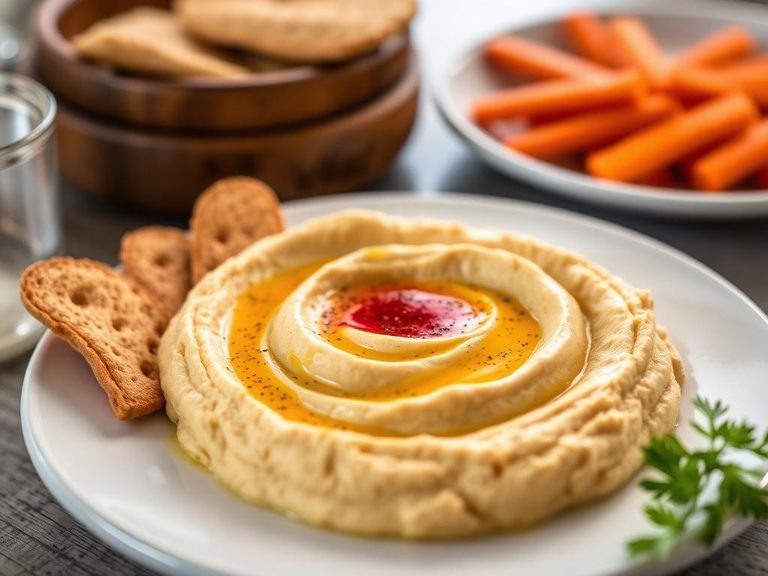
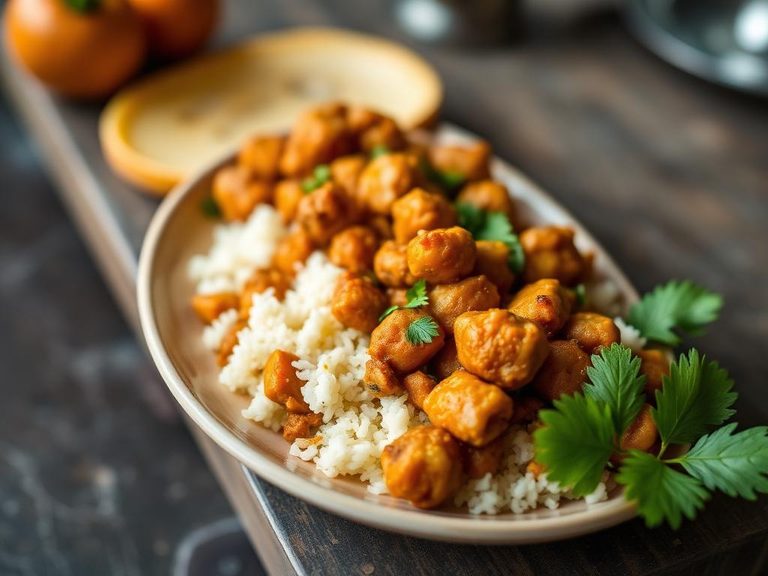
People love their incredible versatility—they absorb spices beautifully and add a satisfying, protein-packed element to everything from salads to stews. They are a beloved, affordable staple in countless global cuisines, forming the creamy base of hummus and the hearty core of curries.
⚠️ Watch-outs & how to enjoy it better
As a legume, they contain oligosaccharides that can cause gas or bloating in some individuals; starting with smaller portions and gradually increasing intake can help your digestive system adjust. The canning liquid, while low-sodium here, still contains some sodium; rinsing them under water can further reduce this. They are a common allergen, so those with legume allergies should avoid them.
Key benefits
- Excellent plant-based protein source for muscle maintenance.
- High in dietary fiber, promoting digestive health and satiety.
- Low in fat and naturally cholesterol-free.
- Provides essential minerals like iron and folate.
- Convenient, shelf-stable, and requires no soaking.
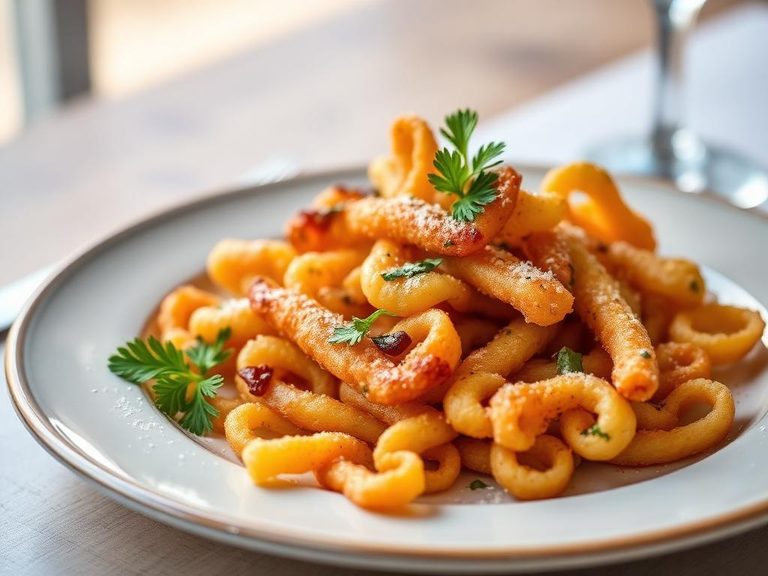
🍽️ Popular dishes


🌍 Where it's eaten
💡 Did you know?
Archaeological evidence suggests chickpeas were one of the earliest cultivated legumes, with remains found in the Middle East dating back over 7,000 years.
Full nutrition (USDA data · scales with serving)
| Water | 78.5 g |
| Energy | 88.0 kcal |
| Energy | 369 kj |
| Protein | 4.9 g |
| Total lipid (fat) | 1.9 g |
| Ash | 1.1 g |
| Carbohydrate, by difference | 13.5 g |
| Fiber, total dietary | 4.4 g |
| Total Sugars | 2.6 g |
| Calcium, Ca | 35.0 mg |
| Iron, Fe | 1.2 mg |
| Magnesium, Mg | 27.0 mg |
| Phosphorus, P | 80.0 mg |
| Potassium, K | 144 mg |
| Sodium, Na | 132 mg |
| Zinc, Zn | 0.69 mg |
| Copper, Cu | 0.15 mg |
| Manganese, Mn | 0.82 mg |
| Selenium, Se | 2.0 ug |
| Vitamin C, total ascorbic acid | 0.10 mg |
| Thiamin | 0.03 mg |
| Riboflavin | 0.01 mg |
| Niacin | 0.13 mg |
| Pantothenic acid | 0.30 mg |
| Vitamin B-6 | 0.47 mg |
| Folate, total | 25.0 ug |
| Folic acid | 0.00 ug |
| Folate, food | 25.0 ug |
| Folate, DFE | 25.0 ug |
| Choline, total | 23.1 mg |
| Vitamin B-12 | 0.00 ug |
| Vitamin B-12, added | 0.00 ug |
| Vitamin A, RAE | 1.0 ug |
| Retinol | 0.00 ug |
| Carotene, beta | 9.0 ug |
| Carotene, alpha | 0.00 ug |
| Cryptoxanthin, beta | 0.00 ug |
| Vitamin A, IU | 15.0 iu |
| Lycopene | 0.00 ug |
| Lutein + zeaxanthin | 0.00 ug |
| Vitamin E (alpha-tocopherol) | 0.19 mg |
| Vitamin E, added | 0.00 mg |
| Vitamin D (D2 + D3), International Units | 0.00 iu |
| Vitamin D (D2 + D3) | 0.00 ug |
| Vitamin K (phylloquinone) | 2.2 ug |
| Alcohol, ethyl | 0.00 g |
| Caffeine | 0.00 mg |
| Theobromine | 0.00 mg |
Fat & fatty acid profile (per 100g)
| Fatty acids, total saturated | 0.20 g |
| SFA 4:0 | 0.00 g |
| SFA 6:0 | 0.00 g |
| SFA 8:0 | 0.00 g |
| SFA 10:0 | 0.00 g |
| SFA 12:0 | 0.00 g |
| SFA 14:0 | 0.00 g |
| SFA 16:0 | 0.16 g |
| SFA 18:0 | 0.03 g |
| Fatty acids, total monounsaturated | 0.44 g |
| MUFA 16:1 | 0.00 g |
| MUFA 18:1 | 0.44 g |
| MUFA 20:1 | 0.00 g |
| MUFA 22:1 | 0.00 g |
| Fatty acids, total polyunsaturated | 0.88 g |
| PUFA 18:2 | 0.85 g |
| PUFA 18:3 | 0.03 g |
| PUFA 18:4 | 0.00 g |
| PUFA 20:4 | 0.00 g |
| PUFA 20:5 n-3 (EPA) | 0.00 g |
| PUFA 22:5 n-3 (DPA) | 0.00 g |
| PUFA 22:6 n-3 (DHA) | 0.00 g |
| Fatty acids, total trans | 0.00 g |
| Cholesterol | 0.00 mg |
Amino acid profile (per 100g)
| Tryptophan | 0.05 g |
| Threonine | 0.18 g |
| Isoleucine | 0.21 g |
| Leucine | 0.35 g |
| Lysine | 0.33 g |
| Methionine | 0.07 g |
| Cystine | 0.07 g |
| Phenylalanine | 0.27 g |
| Tyrosine | 0.12 g |
| Valine | 0.21 g |
| Arginine | 0.47 g |
| Histidine | 0.14 g |
| Alanine | 0.21 g |
| Aspartic acid | 0.58 g |
| Glutamic acid | 0.87 g |
| Glycine | 0.21 g |
| Proline | 0.20 g |
| Serine | 0.25 g |
FAQ
What's the difference between the canning liquid and just water?
The canning liquid (aquafaba) is starchy, slightly viscous water that the chickpeas were cooked in. It contains dissolved nutrients and proteins, and can be used as an egg substitute in some vegan baking.
Why choose low-sodium canned chickpeas?
Standard canned chickpeas can be very high in sodium for preservation and flavor. Choosing low-sodium gives you control over the salt in your final dish and is better for a heart-healthy diet.
Can I eat the liquid in the can?
Yes, the liquid is safe and edible. It adds body and flavor to soups and stews. You can also whip it into a foam (aquafaba) for cocktails or meringues.
Nutrient density (calculated · NRF9.3)
Nutrient Rich Foods index: beneficial nutrients (protein, fiber, vitamins, minerals) minus saturated fat, added sugar & sodium, per 100 kcal.
NRF9.3 index — Fulgoni, Keast & Drewnowski, 2009. Computed from USDA nutrients.
Weight-loss friendliness (composite index)
Energy density 0.88 kcal/g · 22% calories from protein · 4.4 g fiber · 2.6 g sugar per 100 g.
Composite of energy density (Rolls et al., 1999), protein & fiber satiety, minus sugar. A calculated heuristic — ranks satiety-per-calorie, not a clinical measure.
Dietary load (calculated from USDA values)
Potential renal acid load. Positive = acid-forming, negative = alkaline-forming.
Sodium-to-potassium ratio: 0.92 (lower is better — aim for ≤ 1)
Sodium:potassium per WHO potassium guidance. Computed from USDA nutrients.