

Cheese, pasteurized process, pimento
Whole food · Dairy and Egg Products

Photo: Wikipedia
Pasteurized process pimento cheese is a smooth, creamy, and mildly tangy cheese product, distinguished by its vibrant red pimento pepper flecks. Its texture is soft and easily sliceable or spreadable, offering a mild, salty, and slightly sweet dairy flavor. Nutritionally, it is a dense source of protein and fat, providing substantial calories with minimal carbohydrates.
Calorie split: 24% protein · 2% carbs · 75% fat
↓ Full nutrition💚 Why it's loved
People adore it for its comforting, nostalgic flavor and incredible versatility—it's the perfect melting cheese for a grilled sandwich or a creamy base for dips. Its mild taste and fun pimento specks make it a crowd-pleasing staple in American home cooking and delis.
⚠️ Watch-outs & how to enjoy it better
Its high fat and calorie density can be a concern for those monitoring intake, and as a processed cheese, it typically contains added sodium and emulsifying salts. To counteract this, practice strict portion control and pair it with fiber-rich vegetables or whole-grain crackers to add volume and slow digestion. Those with dairy sensitivities should avoid it entirely.
Key benefits
- Excellent source of complete protein for muscle maintenance.
- High in dietary fat, providing sustained energy.
- Contains calcium for bone health.
- Low in carbohydrates and sugar.
- Convenient, ready-to-eat format.
🍽️ Popular dishes

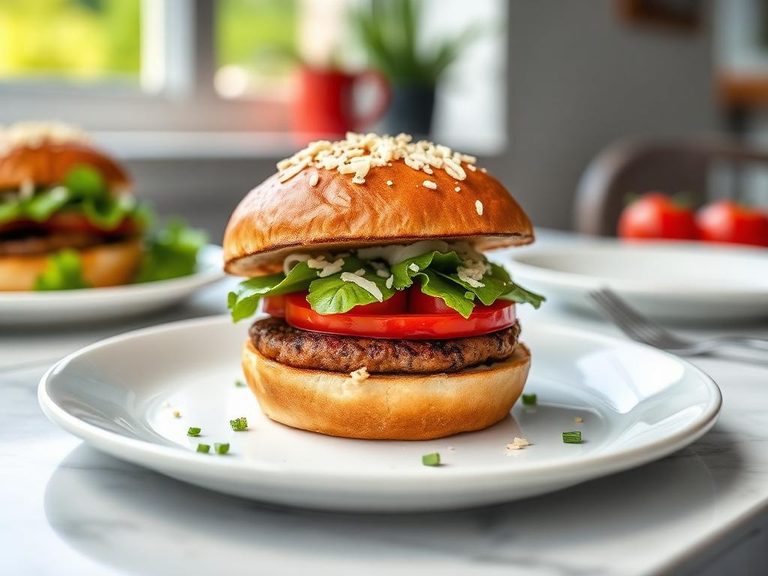
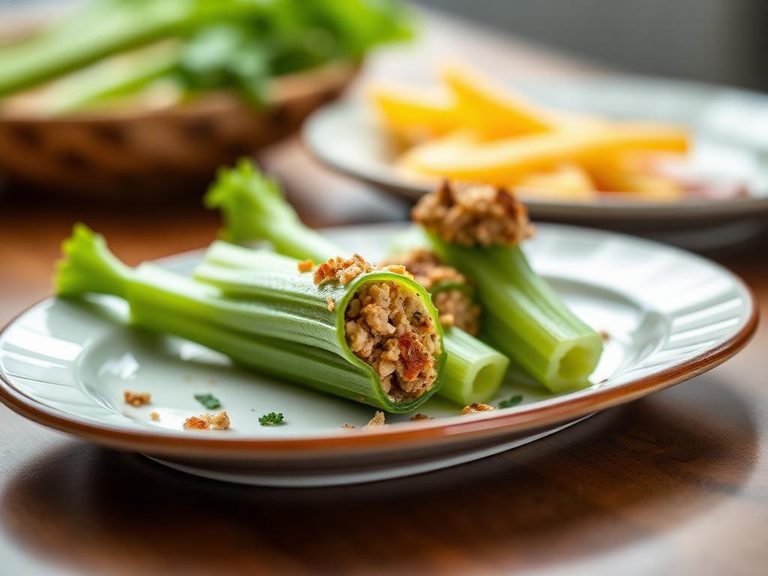
🌍 Where it's eaten
💡 Did you know?
Despite its name, the 'pimento' in pimento cheese refers to the small, sweet cherry pepper, not the bell pepper often used as a substitute in modern recipes.
Full nutrition (USDA data · scales with serving)
| Water | 39.1 g |
| Energy | 375 kcal |
| Energy | 1571 kj |
| Protein | 22.1 g |
| Total lipid (fat) | 31.2 g |
| Ash | 5.8 g |
| Carbohydrate, by difference | 1.7 g |
| Fiber, total dietary | 0.10 g |
| Total Sugars | 0.62 g |
| Calcium, Ca | 614 mg |
| Iron, Fe | 0.42 mg |
| Magnesium, Mg | 22.0 mg |
| Phosphorus, P | 744 mg |
| Potassium, K | 162 mg |
| Sodium, Na | 915 mg |
| Zinc, Zn | 3.0 mg |
| Copper, Cu | 0.03 mg |
| Manganese, Mn | 0.02 mg |
| Selenium, Se | 14.5 ug |
| Vitamin C, total ascorbic acid | 2.3 mg |
| Thiamin | 0.03 mg |
| Riboflavin | 0.35 mg |
| Niacin | 0.08 mg |
| Pantothenic acid | 0.48 mg |
| Vitamin B-6 | 0.07 mg |
| Folate, total | 8.0 ug |
| Folic acid | 0.00 ug |
| Folate, food | 8.0 ug |
| Folate, DFE | 8.0 ug |
| Choline, total | 34.7 mg |
| Vitamin B-12 | 0.70 ug |
| Vitamin B-12, added | 0.00 ug |
| Vitamin A, RAE | 244 ug |
| Retinol | 231 ug |
| Carotene, beta | 150 ug |
| Carotene, alpha | 12.0 ug |
| Cryptoxanthin, beta | 0.00 ug |
| Vitamin A, IU | 1030 iu |
| Lycopene | 0.00 ug |
| Lutein + zeaxanthin | 18.0 ug |
| Vitamin E (alpha-tocopherol) | 0.29 mg |
| Vitamin E, added | 0.00 mg |
| Vitamin D (D2 + D3), International Units | 22.0 iu |
| Vitamin D (D2 + D3) | 0.50 ug |
| Vitamin D3 (cholecalciferol) | 0.50 ug |
| Vitamin K (phylloquinone) | 2.9 ug |
| Alcohol, ethyl | 0.00 g |
| Caffeine | 0.00 mg |
| Theobromine | 0.00 mg |
Fat & fatty acid profile (per 100g)
| Fatty acids, total saturated | 19.7 g |
| SFA 4:0 | 1.0 g |
| SFA 6:0 | 0.35 g |
| SFA 8:0 | 0.37 g |
| SFA 10:0 | 0.64 g |
| SFA 12:0 | 0.48 g |
| SFA 14:0 | 3.2 g |
| SFA 16:0 | 9.1 g |
| SFA 18:0 | 3.8 g |
| Fatty acids, total monounsaturated | 8.9 g |
| MUFA 16:1 | 1.0 g |
| MUFA 18:1 | 7.5 g |
| MUFA 20:1 | 0.00 g |
| MUFA 22:1 | 0.00 g |
| Fatty acids, total polyunsaturated | 0.99 g |
| PUFA 18:2 | 0.61 g |
| PUFA 18:3 | 0.38 g |
| PUFA 18:4 | 0.00 g |
| PUFA 20:4 | 0.00 g |
| PUFA 20:5 n-3 (EPA) | 0.00 g |
| PUFA 22:5 n-3 (DPA) | 0.00 g |
| PUFA 22:6 n-3 (DHA) | 0.00 g |
| Cholesterol | 94.0 mg |
Amino acid profile (per 100g)
| Tryptophan | 0.32 g |
| Threonine | 0.72 g |
| Isoleucine | 1.0 g |
| Leucine | 2.0 g |
| Lysine | 2.2 g |
| Methionine | 0.57 g |
| Cystine | 0.14 g |
| Phenylalanine | 1.1 g |
| Tyrosine | 1.2 g |
| Valine | 1.3 g |
| Arginine | 0.93 g |
| Histidine | 0.90 g |
| Alanine | 0.56 g |
| Aspartic acid | 1.4 g |
| Glutamic acid | 4.6 g |
| Glycine | 0.36 g |
| Proline | 2.3 g |
| Serine | 1.1 g |
FAQ
Is pimento cheese the same as cheddar cheese?
No. Pimento cheese is a processed cheese product, typically made by blending cheddar cheese with mayonnaise, cream cheese, and pimentos. It has a softer, more spreadable texture and a milder flavor than pure cheddar.
Can I use pimento cheese for cooking?
Absolutely. It melts beautifully, making it ideal for grilled cheese sandwiches, cheeseburgers, or as a creamy sauce base. It's also excellent stirred into grits or macaroni and cheese for extra flavor.
How should I store leftover pimento cheese?
Keep it tightly sealed in the refrigerator. Due to its mayonnaise content, it should be consumed within a week. Freezing is not recommended as it can cause the texture to become grainy.
Nutrient density (calculated · NRF9.3)
Nutrient Rich Foods index: beneficial nutrients (protein, fiber, vitamins, minerals) minus saturated fat, added sugar & sodium, per 100 kcal.
NRF9.3 index — Fulgoni, Keast & Drewnowski, 2009. Computed from USDA nutrients.
Weight-loss friendliness (composite index)
Energy density 3.75 kcal/g · 24% calories from protein · 0.1 g fiber · 0.6 g sugar per 100 g.
Composite of energy density (Rolls et al., 1999), protein & fiber satiety, minus sugar. A calculated heuristic — ranks satiety-per-calorie, not a clinical measure.
Dietary load (calculated from USDA values)
Potential renal acid load. Positive = acid-forming, negative = alkaline-forming.
Sodium-to-potassium ratio: 5.65 (lower is better — aim for ≤ 1)
Sodium:potassium per WHO potassium guidance. Computed from USDA nutrients.