

Cheese, pasteurized process, cheddar or American, low sodium
Whole food · Dairy and Egg Products
This is a smooth, meltable cheese made by blending cheddar or American styles, with a creamy, mild flavor and a signature orange hue. Its low-sodium profile makes it a heart-smarter choice for classic comfort dishes without sacrificing that familiar, satisfying melt. It's a protein-packed, virtually carb-free staple that delivers rich dairy flavor with a fraction of the salt.
Calorie split: 24% protein · 2% carbs · 75% fat
↓ Full nutrition💚 Why it's loved
People adore it for its unparalleled melting ability and consistent, mild flavor that enhances without overpowering. It's the ultimate versatile ingredient, beloved in everything from grilled cheese sandwiches to sauces, making comfort food reliable and accessible.
⚠️ Watch-outs & how to enjoy it better
While lower in sodium, it is still a processed cheese product and may contain additives like emulsifiers or colorings. Those monitoring sodium intake or preferring whole, unprocessed foods should still use portion control. Pair it with fiber-rich vegetables or whole-grain bread to balance the meal.
Key benefits
- High-quality protein source (22g per 100g)
- Significantly lower in sodium than standard processed cheese
- Excellent source of calcium for bone health
- Provides essential vitamins A and B12
- Very low in carbohydrates and sugars
🍽️ Popular dishes
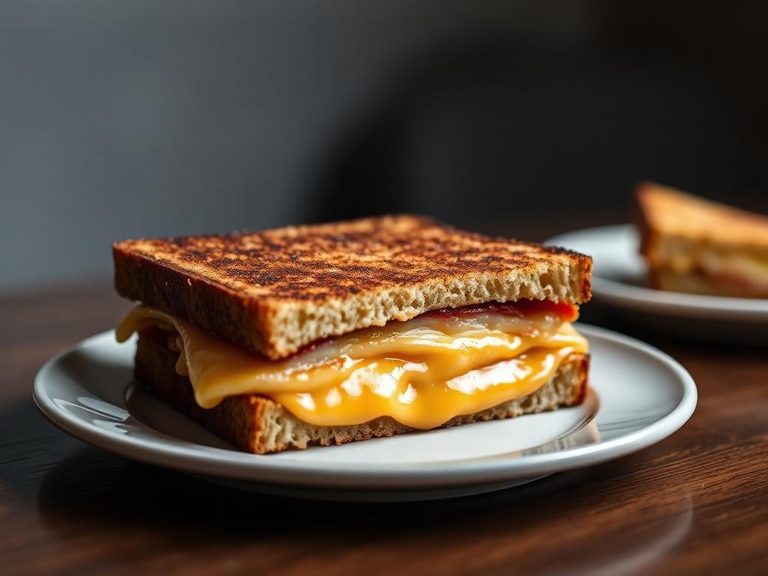
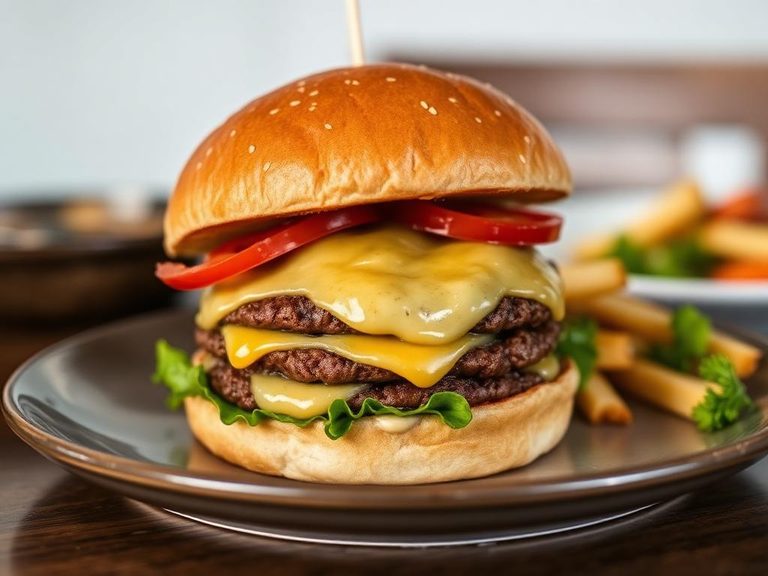
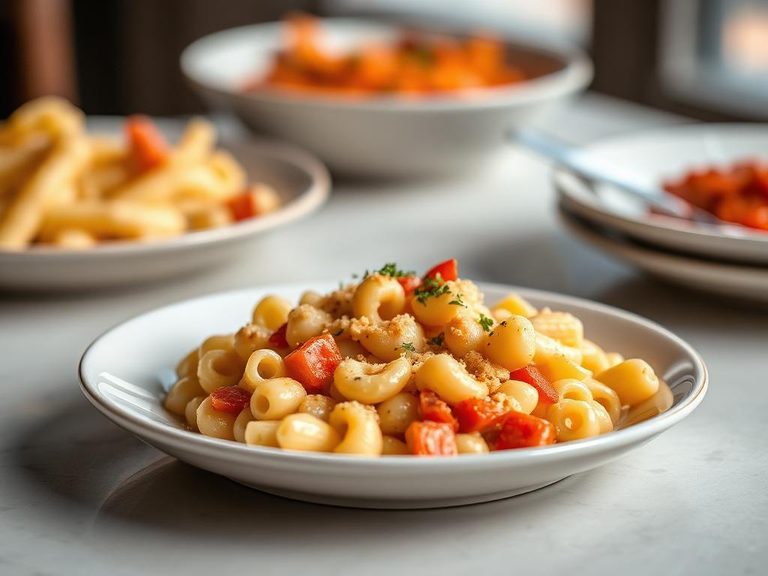
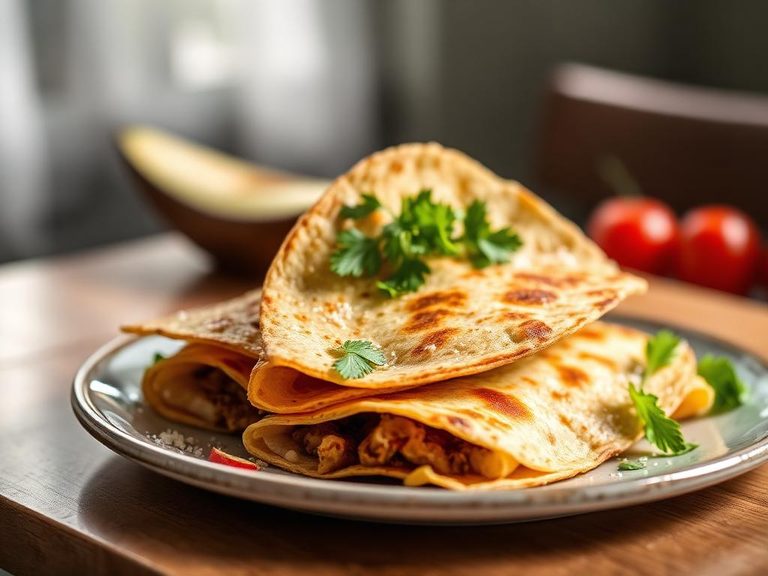
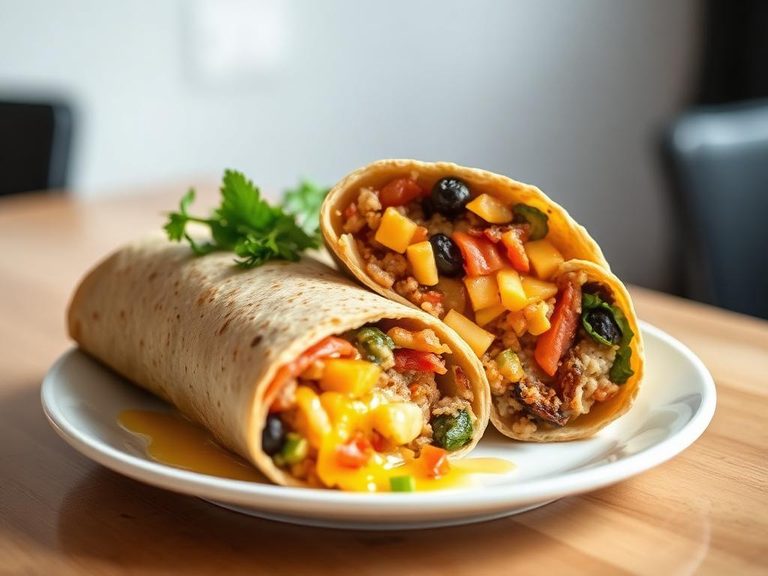
🌍 Where it's eaten
💡 Did you know?
The 'pasteurized process' label comes from the specific manufacturing method (USDA standard of identity) where cheese is melted and emulsified with salt and other ingredients, creating a product that resists separation when heated.
Full nutrition (USDA data · scales with serving)
| Water | 42.8 g |
| Energy | 376 kcal |
| Energy | 1573 kj |
| Protein | 22.2 g |
| Total lipid (fat) | 31.2 g |
| Ash | 2.2 g |
| Carbohydrate, by difference | 1.6 g |
| Fiber, total dietary | 0.00 g |
| Total Sugars | 0.45 g |
| Calcium, Ca | 616 mg |
| Iron, Fe | 0.39 mg |
| Magnesium, Mg | 22.0 mg |
| Phosphorus, P | 745 mg |
| Potassium, K | 162 mg |
| Sodium, Na | 7.0 mg |
| Zinc, Zn | 3.0 mg |
| Copper, Cu | 0.03 mg |
| Selenium, Se | 12.7 ug |
| Vitamin C, total ascorbic acid | 0.00 mg |
| Thiamin | 0.03 mg |
| Riboflavin | 0.35 mg |
| Niacin | 0.07 mg |
| Vitamin B-6 | 0.07 mg |
| Folate, total | 8.0 ug |
| Folic acid | 0.00 ug |
| Folate, food | 8.0 ug |
| Folate, DFE | 8.0 ug |
| Choline, total | 36.2 mg |
| Vitamin B-12 | 0.70 ug |
| Vitamin B-12, added | 0.00 ug |
| Vitamin A, RAE | 254 ug |
| Retinol | 247 ug |
| Carotene, beta | 81.0 ug |
| Carotene, alpha | 0.00 ug |
| Cryptoxanthin, beta | 0.00 ug |
| Vitamin A, IU | 959 iu |
| Lycopene | 0.00 ug |
| Lutein + zeaxanthin | 0.00 ug |
| Vitamin E (alpha-tocopherol) | 0.27 mg |
| Vitamin E, added | 0.00 mg |
| Vitamin D (D2 + D3), International Units | 23.0 iu |
| Vitamin D (D2 + D3) | 0.60 ug |
| Vitamin D3 (cholecalciferol) | 0.60 ug |
| Vitamin K (phylloquinone) | 2.6 ug |
| Alcohol, ethyl | 0.00 g |
| Caffeine | 0.00 mg |
| Theobromine | 0.00 mg |
Fat & fatty acid profile (per 100g)
| Fatty acids, total saturated | 19.7 g |
| SFA 4:0 | 1.0 g |
| SFA 6:0 | 0.36 g |
| SFA 8:0 | 0.38 g |
| SFA 10:0 | 0.64 g |
| SFA 12:0 | 0.48 g |
| SFA 14:0 | 3.2 g |
| SFA 16:0 | 9.1 g |
| SFA 18:0 | 3.8 g |
| Fatty acids, total monounsaturated | 8.9 g |
| MUFA 16:1 | 1.0 g |
| MUFA 18:1 | 7.5 g |
| MUFA 20:1 | 0.00 g |
| MUFA 22:1 | 0.00 g |
| Fatty acids, total polyunsaturated | 0.99 g |
| PUFA 18:2 | 0.61 g |
| PUFA 18:3 | 0.38 g |
| PUFA 18:4 | 0.00 g |
| PUFA 20:4 | 0.00 g |
| PUFA 20:5 n-3 (EPA) | 0.00 g |
| PUFA 22:5 n-3 (DPA) | 0.00 g |
| PUFA 22:6 n-3 (DHA) | 0.00 g |
| Cholesterol | 94.0 mg |
Amino acid profile (per 100g)
Estimated from Cheese, cottage, with vegetables — USDA does not publish this profile for Cheese.
| Tryptophan | 0.13 g |
| Threonine | 0.53 g |
| Isoleucine | 0.70 g |
| Leucine | 1.2 g |
| Lysine | 0.97 g |
| Methionine | 0.36 g |
| Cystine | 0.11 g |
| Phenylalanine | 0.65 g |
| Tyrosine | 0.64 g |
| Valine | 0.74 g |
| Arginine | 0.55 g |
| Histidine | 0.40 g |
| Alanine | 0.62 g |
| Aspartic acid | 0.82 g |
| Glutamic acid | 2.6 g |
| Glycine | 0.27 g |
| Proline | 1.4 g |
| Serine | 0.67 g |
FAQ
How is low-sodium processed cheese different from regular processed cheese?
It is made using the same pasteurized process but with significantly reduced salt content, often by 25-50%, while maintaining the same melting properties and texture.
Can I use this in any recipe that calls for cheddar or American cheese?
Yes, it's designed as a direct substitute in most cooked applications like sauces, casseroles, and sandwiches, though its flavor is milder than sharp cheddar.
Is this cheese considered 'real' cheese?
It is a dairy product made from real cheese (like cheddar) that has been melted and blended with other ingredients. It's classified as 'pasteurized process cheese' by food standards.
Nutrient density (calculated · NRF9.3)
Nutrient Rich Foods index: beneficial nutrients (protein, fiber, vitamins, minerals) minus saturated fat, added sugar & sodium, per 100 kcal.
NRF9.3 index — Fulgoni, Keast & Drewnowski, 2009. Computed from USDA nutrients.
Weight-loss friendliness (composite index)
Energy density 3.76 kcal/g · 24% calories from protein · 0.0 g fiber · 0.5 g sugar per 100 g.
Composite of energy density (Rolls et al., 1999), protein & fiber satiety, minus sugar. A calculated heuristic — ranks satiety-per-calorie, not a clinical measure.
Dietary load (calculated from USDA values)
Potential renal acid load. Positive = acid-forming, negative = alkaline-forming.
Sodium-to-potassium ratio: 0.04 (lower is better — aim for ≤ 1)
Sodium:potassium per WHO potassium guidance. Computed from USDA nutrients.