

Cheese, parmesan, low sodium
Whole food · Dairy and Egg Products

Photo: Wikipedia
Low-sodium Parmesan is a hard, granular Italian cheese with a rich, nutty, and savory flavor profile. Its texture is dry and crumbly, perfect for grating, and it delivers a powerful umami punch with significantly less salt than traditional Parmigiano-Reggiano. Nutritionally, it's a dense source of high-quality protein and calcium, with minimal carbohydrates.
Calorie split: 37% protein · 3% carbs · 60% fat
↓ Full nutrition💚 Why it's loved
People cherish it for its complex, savory depth that can elevate a simple dish into something special. Its versatility—from a finishing grate over pasta to a key ingredient in sauces and stuffings—makes it a beloved kitchen staple.
⚠️ Watch-outs & how to enjoy it better
As a dairy product, it's a common allergen and is high in saturated fat and calories, so portion control is key for some. While lower in sodium, it's still a cheese, so those on strict renal diets should consult a professional. To balance, pair small amounts with fiber-rich vegetables or whole grains to add volume and nutrients without excessive calories.
Key benefits
- Excellent source of complete protein (41.6g per 100g).
- Rich in bone-supporting calcium and phosphorus.
- Low in lactose, often tolerable for lactose-sensitive individuals.
- Provides a concentrated, savory umami flavor to reduce the need for added salt.
- High in fat-soluble vitamins like Vitamin A and K2.
🍽️ Popular dishes
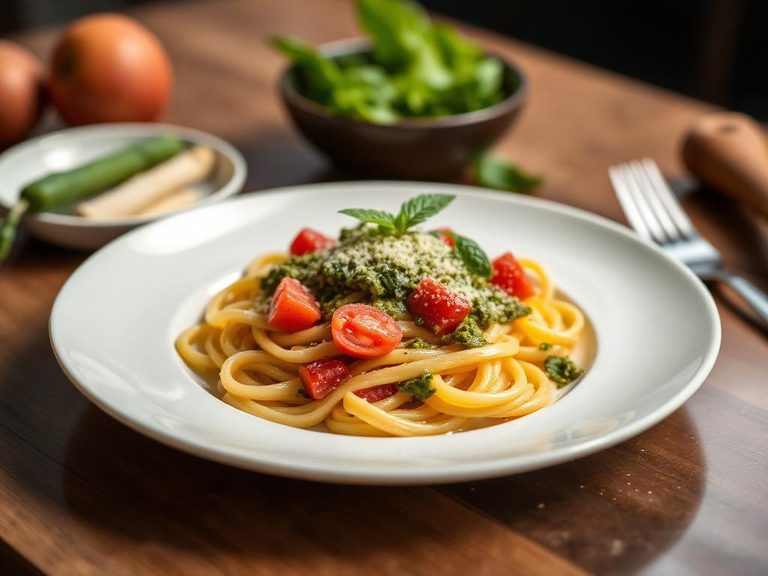
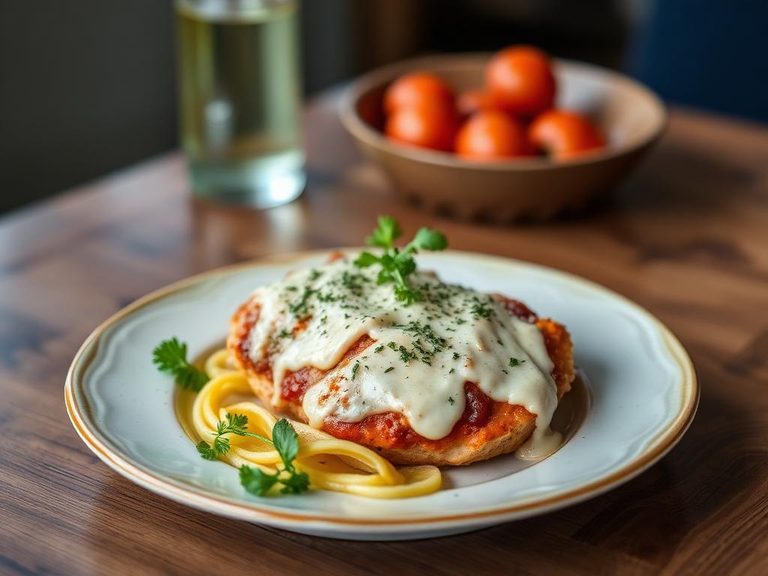
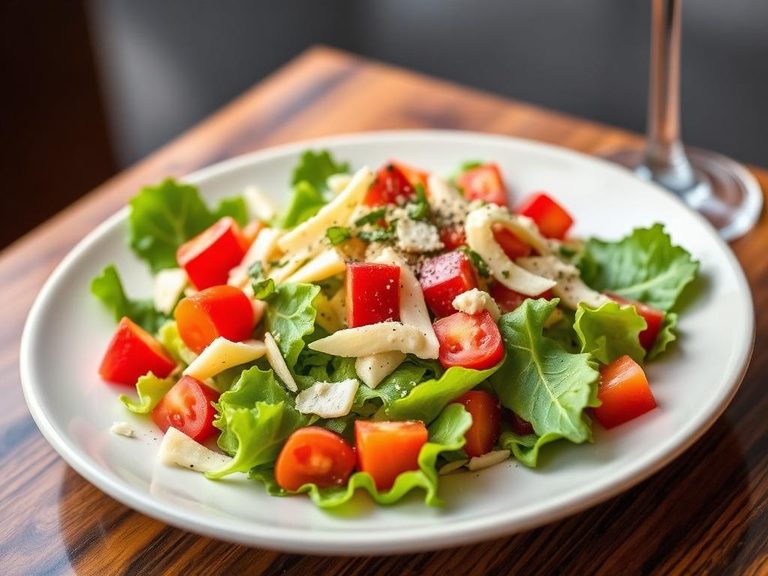
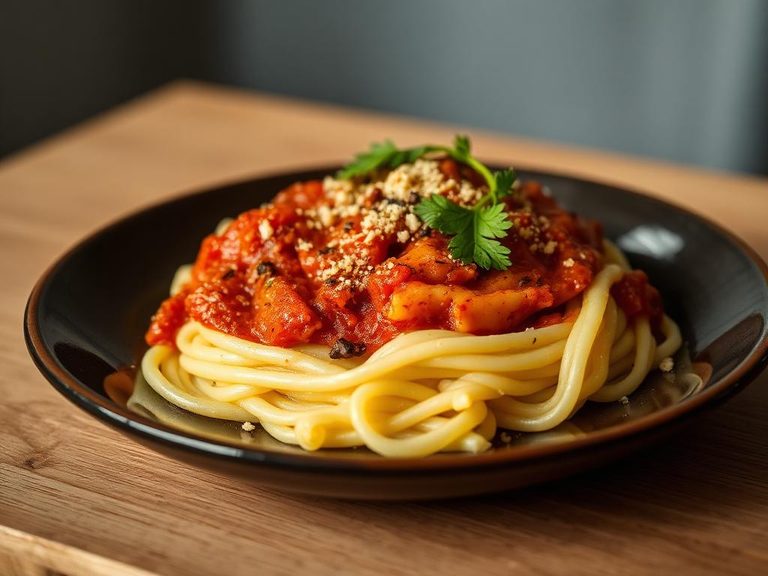
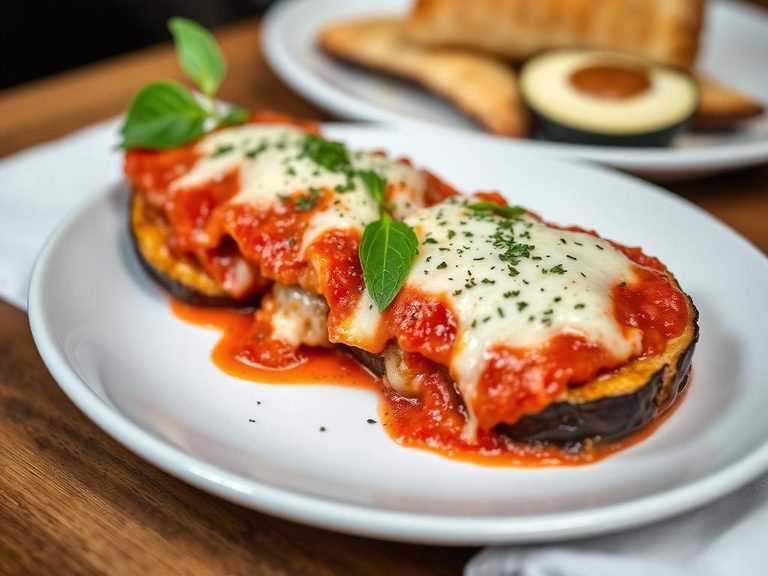
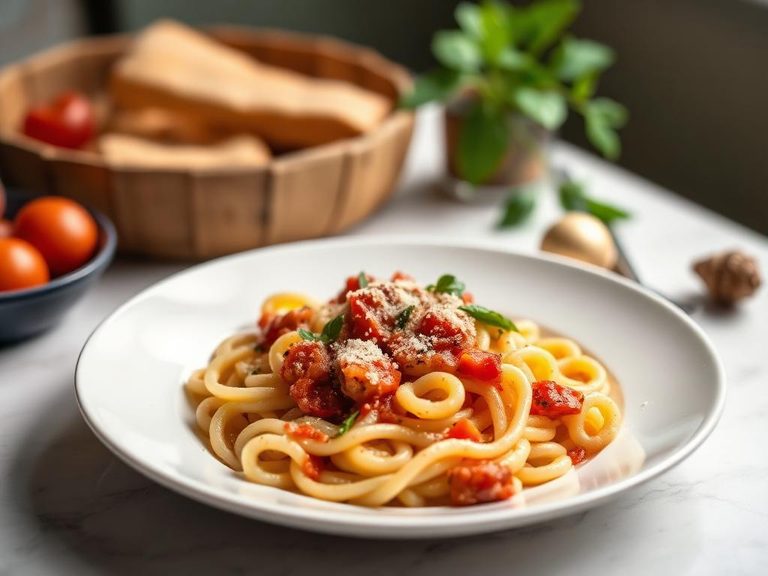
🌍 Where it's eaten
💡 Did you know?
Authentic Parmigiano-Reggiano has a protected designation of origin (PDO) and is aged for a minimum of 12 months, with some wheels aged for over 36 months, developing crunchy tyrosine crystals.
Full nutrition (USDA data · scales with serving)
| Water | 22.2 g |
| Energy | 451 kcal |
| Energy | 1887 kj |
| Protein | 41.6 g |
| Total lipid (fat) | 30.0 g |
| Ash | 2.5 g |
| Carbohydrate, by difference | 3.7 g |
| Fiber, total dietary | 0.00 g |
| Total Sugars | 0.85 g |
| Calcium, Ca | 800 mg |
| Iron, Fe | 0.95 mg |
| Magnesium, Mg | 51.0 mg |
| Phosphorus, P | 807 mg |
| Potassium, K | 107 mg |
| Sodium, Na | 63.0 mg |
| Zinc, Zn | 3.2 mg |
| Copper, Cu | 0.04 mg |
| Selenium, Se | 23.9 ug |
| Vitamin C, total ascorbic acid | 0.00 mg |
| Thiamin | 0.04 mg |
| Riboflavin | 0.39 mg |
| Niacin | 0.32 mg |
| Vitamin B-6 | 0.10 mg |
| Folate, total | 10.0 ug |
| Folic acid | 0.00 ug |
| Folate, food | 10.0 ug |
| Folate, DFE | 10.0 ug |
| Choline, total | 15.4 mg |
| Vitamin B-12 | 1.4 ug |
| Vitamin B-12, added | 0.00 ug |
| Vitamin A, RAE | 125 ug |
| Retinol | 123 ug |
| Carotene, beta | 32.0 ug |
| Carotene, alpha | 0.00 ug |
| Cryptoxanthin, beta | 0.00 ug |
| Vitamin A, IU | 463 iu |
| Lycopene | 0.00 ug |
| Lutein + zeaxanthin | 0.00 ug |
| Vitamin E (alpha-tocopherol) | 0.27 mg |
| Vitamin E, added | 0.00 mg |
| Vitamin D (D2 + D3), International Units | 22.0 iu |
| Vitamin D (D2 + D3) | 0.60 ug |
| Vitamin D3 (cholecalciferol) | 0.60 ug |
| Vitamin K (phylloquinone) | 2.0 ug |
| Alcohol, ethyl | 0.00 g |
| Caffeine | 0.00 mg |
| Theobromine | 0.00 mg |
Fat & fatty acid profile (per 100g)
| Fatty acids, total saturated | 19.1 g |
| SFA 4:0 | 1.5 g |
| SFA 6:0 | 0.56 g |
| SFA 8:0 | 0.30 g |
| SFA 10:0 | 0.75 g |
| SFA 12:0 | 1.0 g |
| SFA 14:0 | 3.4 g |
| SFA 16:0 | 8.1 g |
| SFA 18:0 | 2.7 g |
| Fatty acids, total monounsaturated | 8.7 g |
| MUFA 16:1 | 0.46 g |
| MUFA 18:1 | 7.7 g |
| MUFA 20:1 | 0.00 g |
| MUFA 22:1 | 0.00 g |
| Fatty acids, total polyunsaturated | 0.66 g |
| PUFA 18:2 | 0.32 g |
| PUFA 18:3 | 0.34 g |
| PUFA 18:4 | 0.00 g |
| PUFA 20:4 | 0.00 g |
| PUFA 20:5 n-3 (EPA) | 0.00 g |
| PUFA 22:5 n-3 (DPA) | 0.00 g |
| PUFA 22:6 n-3 (DHA) | 0.00 g |
| Cholesterol | 79.0 mg |
Amino acid profile (per 100g)
Estimated from Cheese, cottage, with vegetables — USDA does not publish this profile for Cheese.
| Tryptophan | 0.13 g |
| Threonine | 0.53 g |
| Isoleucine | 0.70 g |
| Leucine | 1.2 g |
| Lysine | 0.97 g |
| Methionine | 0.36 g |
| Cystine | 0.11 g |
| Phenylalanine | 0.65 g |
| Tyrosine | 0.64 g |
| Valine | 0.74 g |
| Arginine | 0.55 g |
| Histidine | 0.40 g |
| Alanine | 0.62 g |
| Aspartic acid | 0.82 g |
| Glutamic acid | 2.6 g |
| Glycine | 0.27 g |
| Proline | 1.4 g |
| Serine | 0.67 g |
FAQ
How does low-sodium Parmesan differ from regular Parmesan?
It is made with the same process but with significantly less salt added during production, reducing the sodium content by about 25-50% while preserving the characteristic flavor and texture.
Is it suitable for people with lactose intolerance?
Aged cheeses like Parmesan are very low in lactose. The aging process breaks down most of the lactose, making it often tolerable in moderate amounts for many lactose-sensitive individuals.
Can I use it 1:1 in recipes calling for regular Parmesan?
Yes, you can substitute it directly. Be aware that the final dish may taste slightly less salty, so you might want to adjust seasoning at the end of cooking.
Nutrient density (calculated · NRF9.3)
Nutrient Rich Foods index: beneficial nutrients (protein, fiber, vitamins, minerals) minus saturated fat, added sugar & sodium, per 100 kcal.
NRF9.3 index — Fulgoni, Keast & Drewnowski, 2009. Computed from USDA nutrients.
Weight-loss friendliness (composite index)
Energy density 4.51 kcal/g · 37% calories from protein · 0.0 g fiber · 0.8 g sugar per 100 g.
Composite of energy density (Rolls et al., 1999), protein & fiber satiety, minus sugar. A calculated heuristic — ranks satiety-per-calorie, not a clinical measure.
Dietary load (calculated from USDA values)
Potential renal acid load. Positive = acid-forming, negative = alkaline-forming.
Sodium-to-potassium ratio: 0.59 (lower is better — aim for ≤ 1)
Sodium:potassium per WHO potassium guidance. Computed from USDA nutrients.