

Cheese, monterey, low fat
Whole food · Dairy and Egg Products

Photo: Wikipedia
Low-fat Monterey Jack is a semi-soft, mild white cheese with a creamy, supple texture that melts beautifully. It delivers a rich, buttery flavor with a subtle tang, making it a versatile staple in many kitchens. Nutritionally, it's a protein powerhouse with a significant fat content, even in its reduced-fat form.
Calorie split: 36% protein · 1% carbs · 63% fat
↓ Full nutrition💚 Why it's loved
People adore it for its exceptional melting quality, which creates a smooth, creamy consistency perfect for sauces and toppings. Its mild, crowd-pleasing flavor makes it a go-to cheese for everything from sandwiches to Mexican-inspired dishes.
⚠️ Watch-outs & how to enjoy it better
Despite being 'low-fat,' it remains a high-fat, calorie-dense food, which may require portion control for those monitoring intake. It is also a common dairy allergen and contains lactose, though typically less than milk. Pair it with fiber-rich vegetables or whole-grain bread to balance the meal.
Key benefits
- Excellent source of complete protein for muscle maintenance.
- High in calcium for bone and dental health.
- Provides conjugated linoleic acid (CLA), a beneficial fatty acid.
- Naturally very low in carbohydrates and sugars.
🍽️ Popular dishes

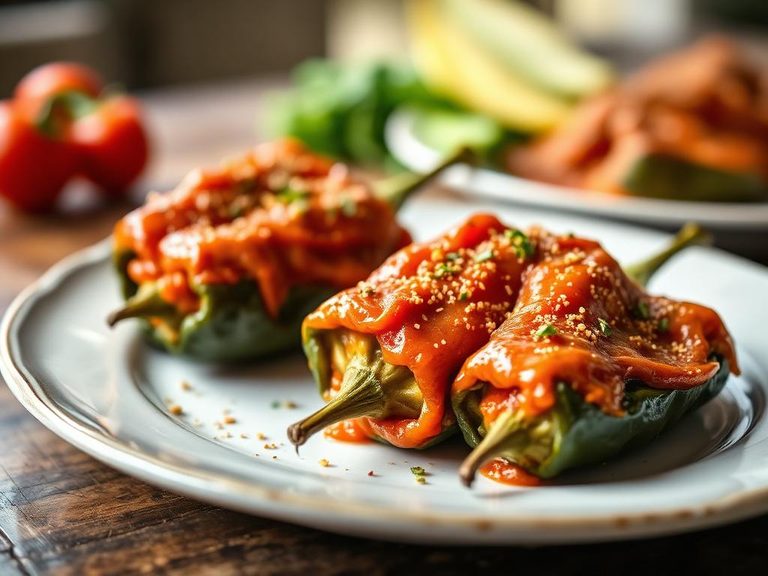
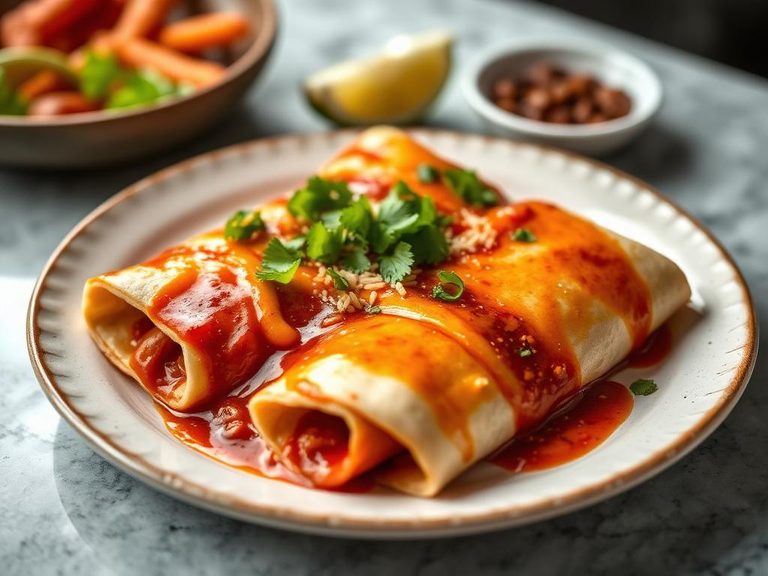
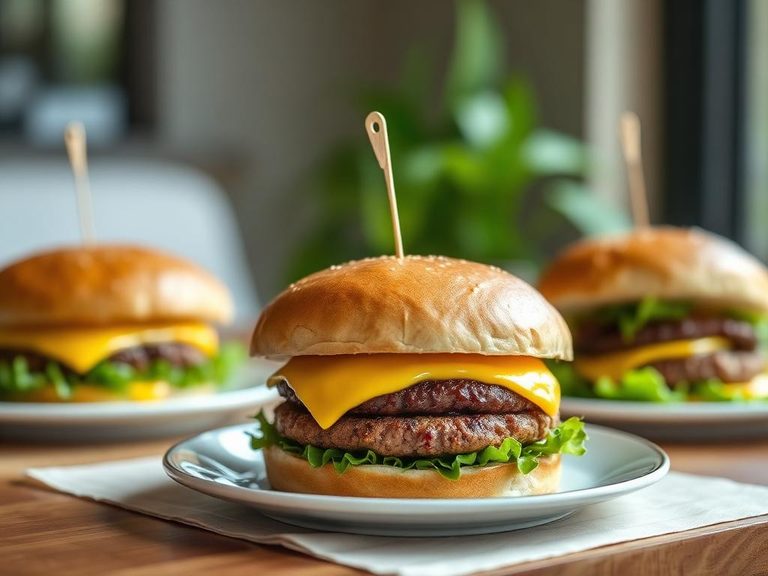
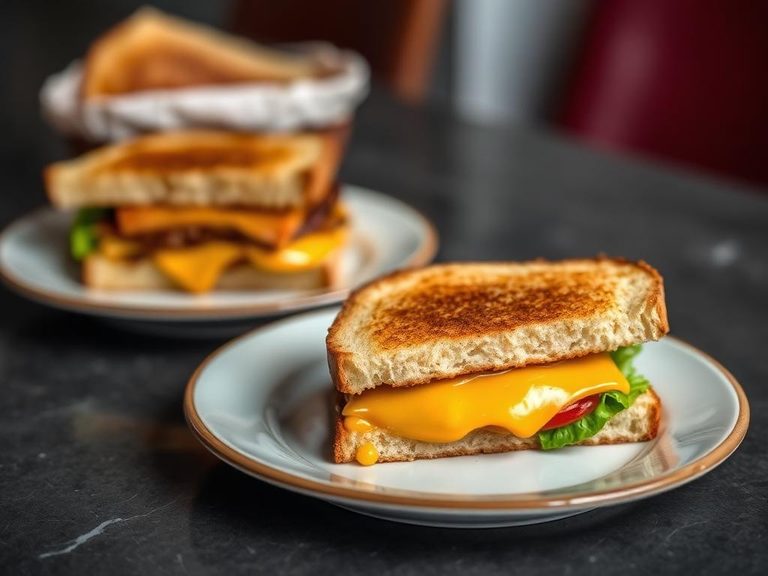
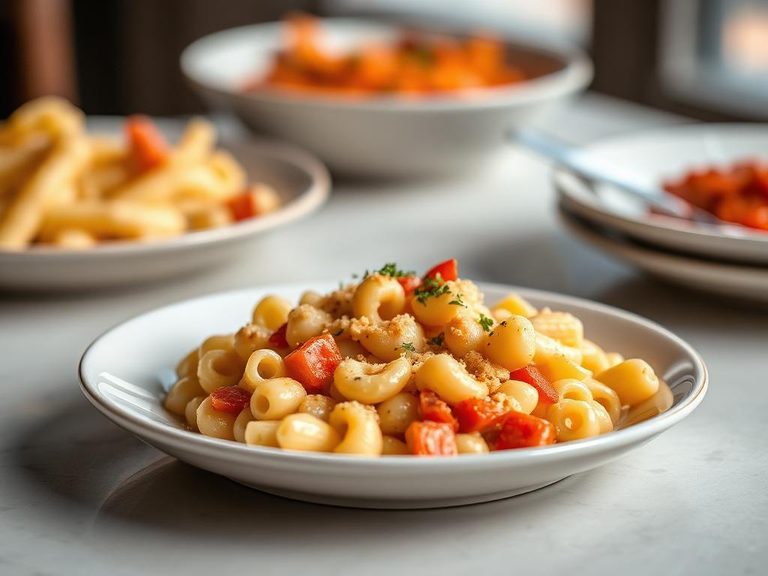
🌍 Where it's eaten
💡 Did you know?
Monterey Jack cheese originates from the Franciscan friars of Monterey, California, and was later popularized by a Scottish-American businessman named David Jack.
Full nutrition (USDA data · scales with serving)
| Water | 46.0 g |
| Energy | 313 kcal |
| Energy | 1310 kj |
| Protein | 28.2 g |
| Total lipid (fat) | 21.6 g |
| Ash | 3.5 g |
| Carbohydrate, by difference | 0.70 g |
| Fiber, total dietary | 0.00 g |
| Total Sugars | 0.56 g |
| Calcium, Ca | 705 mg |
| Iron, Fe | 0.72 mg |
| Magnesium, Mg | 27.0 mg |
| Phosphorus, P | 444 mg |
| Potassium, K | 81.0 mg |
| Sodium, Na | 781 mg |
| Zinc, Zn | 3.0 mg |
| Copper, Cu | 0.03 mg |
| Selenium, Se | 14.5 ug |
| Vitamin C, total ascorbic acid | 0.00 mg |
| Thiamin | 0.02 mg |
| Riboflavin | 0.36 mg |
| Niacin | 0.09 mg |
| Vitamin B-6 | 0.08 mg |
| Folate, total | 18.0 ug |
| Folic acid | 0.00 ug |
| Folate, food | 18.0 ug |
| Folate, DFE | 18.0 ug |
| Choline, total | 15.4 mg |
| Vitamin B-12 | 0.83 ug |
| Vitamin B-12, added | 0.00 ug |
| Vitamin A, RAE | 142 ug |
| Retinol | 137 ug |
| Carotene, beta | 55.0 ug |
| Carotene, alpha | 0.00 ug |
| Cryptoxanthin, beta | 0.00 ug |
| Vitamin A, IU | 549 iu |
| Lycopene | 0.00 ug |
| Lutein + zeaxanthin | 0.00 ug |
| Vitamin E (alpha-tocopherol) | 0.19 mg |
| Vitamin E, added | 0.00 mg |
| Vitamin D (D2 + D3), International Units | 16.0 iu |
| Vitamin D (D2 + D3) | 0.40 ug |
| Vitamin D3 (cholecalciferol) | 0.40 ug |
| Vitamin K (phylloquinone) | 1.8 ug |
| Alcohol, ethyl | 0.00 g |
| Caffeine | 0.00 mg |
| Theobromine | 0.00 mg |
Fat & fatty acid profile (per 100g)
| Fatty acids, total saturated | 14.0 g |
| SFA 4:0 | 1.1 g |
| SFA 6:0 | 0.12 g |
| SFA 8:0 | 0.24 g |
| SFA 10:0 | 0.48 g |
| SFA 12:0 | 0.36 g |
| SFA 14:0 | 2.0 g |
| SFA 16:0 | 6.4 g |
| SFA 18:0 | 2.3 g |
| Fatty acids, total monounsaturated | 5.6 g |
| MUFA 16:1 | 0.84 g |
| MUFA 18:1 | 4.6 g |
| MUFA 20:1 | 0.00 g |
| MUFA 22:1 | 0.00 g |
| Fatty acids, total polyunsaturated | 0.84 g |
| PUFA 18:2 | 0.60 g |
| PUFA 18:3 | 0.24 g |
| PUFA 18:4 | 0.00 g |
| PUFA 20:4 | 0.00 g |
| PUFA 20:5 n-3 (EPA) | 0.00 g |
| PUFA 22:5 n-3 (DPA) | 0.00 g |
| PUFA 22:6 n-3 (DHA) | 0.00 g |
| Cholesterol | 65.0 mg |
Amino acid profile (per 100g)
Estimated from Cheese, cottage, with vegetables — USDA does not publish this profile for Cheese.
| Tryptophan | 0.13 g |
| Threonine | 0.53 g |
| Isoleucine | 0.70 g |
| Leucine | 1.2 g |
| Lysine | 0.97 g |
| Methionine | 0.36 g |
| Cystine | 0.11 g |
| Phenylalanine | 0.65 g |
| Tyrosine | 0.64 g |
| Valine | 0.74 g |
| Arginine | 0.55 g |
| Histidine | 0.40 g |
| Alanine | 0.62 g |
| Aspartic acid | 0.82 g |
| Glutamic acid | 2.6 g |
| Glycine | 0.27 g |
| Proline | 1.4 g |
| Serine | 0.67 g |
FAQ
Is low-fat Monterey Jack the same as regular Monterey Jack?
No. Low-fat versions have some milkfat removed, resulting in fewer calories and less total fat per serving, but they retain a similar flavor and melting profile, though the texture may be slightly less creamy.
Can I use it in place of mozzarella?
Yes, it's an excellent substitute for mozzarella in many dishes like pizza, lasagna, or caprese salads, offering a similar melt but with a slightly tangier, buttery flavor.
How should I store it?
Keep it wrapped tightly in its original packaging or cheese paper in the refrigerator's vegetable drawer. For longer storage, it can be frozen, though the texture may become crumbly upon thawing.
Nutrient density (calculated · NRF9.3)
Nutrient Rich Foods index: beneficial nutrients (protein, fiber, vitamins, minerals) minus saturated fat, added sugar & sodium, per 100 kcal.
NRF9.3 index — Fulgoni, Keast & Drewnowski, 2009. Computed from USDA nutrients.
Weight-loss friendliness (composite index)
Energy density 3.13 kcal/g · 36% calories from protein · 0.0 g fiber · 0.6 g sugar per 100 g.
Composite of energy density (Rolls et al., 1999), protein & fiber satiety, minus sugar. A calculated heuristic — ranks satiety-per-calorie, not a clinical measure.
Dietary load (calculated from USDA values)
Potential renal acid load. Positive = acid-forming, negative = alkaline-forming.
Sodium-to-potassium ratio: 9.64 (lower is better — aim for ≤ 1)
Sodium:potassium per WHO potassium guidance. Computed from USDA nutrients.