

Cheese, mexican, queso chihuahua
Whole food · Dairy and Egg Products

Photo: Wikipedia
Queso Chihuahua, also known as Queso Menonita, is a semi-soft, pale yellow cow's milk cheese from the Mexican state of Chihuahua. It has a smooth, supple texture and a mild, buttery, slightly tangy flavor that becomes richer when melted. Nutritionally, it's a dense source of protein and fat, providing significant calories in a small serving.
Calorie split: 23% protein · 6% carbs · 71% fat
↓ Full nutrition💚 Why it's loved
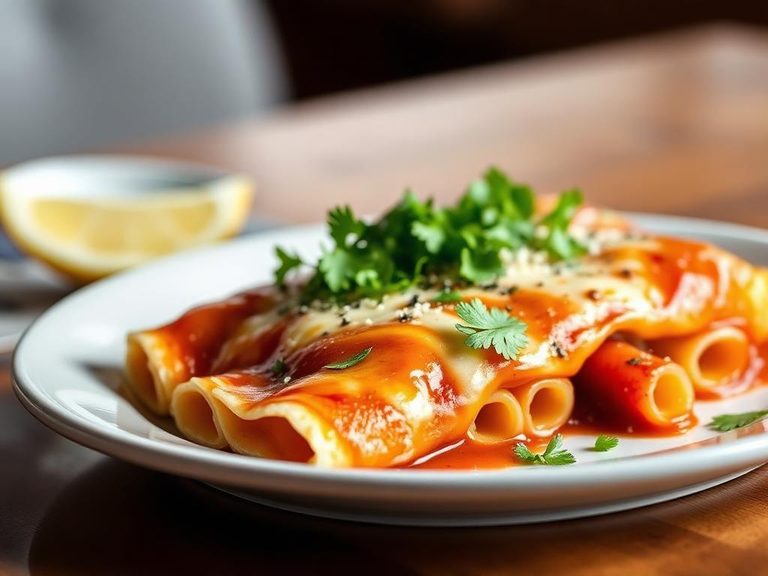
People love it for its exceptional melting quality, which creates a smooth, creamy, and non-greasy texture perfect for quesadillas, nachos, and sauces. Its mild, savory flavor complements spicy Mexican dishes without overpowering them, making it a versatile kitchen staple.
⚠️ Watch-outs & how to enjoy it better
Its high fat and calorie density can be a concern for those monitoring weight or heart health. As a dairy product, it contains lactose and milk proteins, making it unsuitable for people with lactose intolerance or dairy allergies. To enjoy it mindfully, practice portion control (e.g., use a tablespoon to grate over dishes) and pair it with high-fiber foods like beans or vegetables to balance the meal.
Key benefits
- Excellent source of complete protein for muscle maintenance.
- High in calcium for bone and dental health.
- Provides conjugated linoleic acid (CLA), a beneficial fatty acid.
- Naturally low in carbohydrates and sugars.
- A good source of fat-soluble vitamins like Vitamin A.
🍽️ Popular dishes
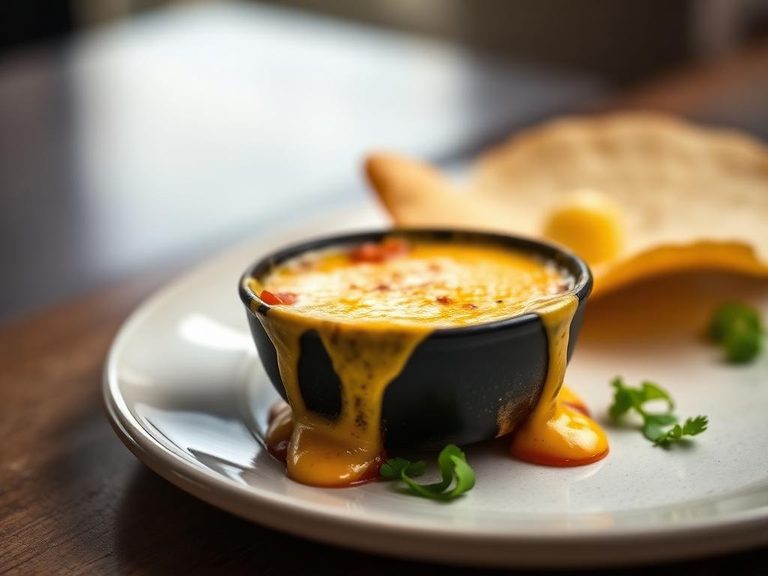
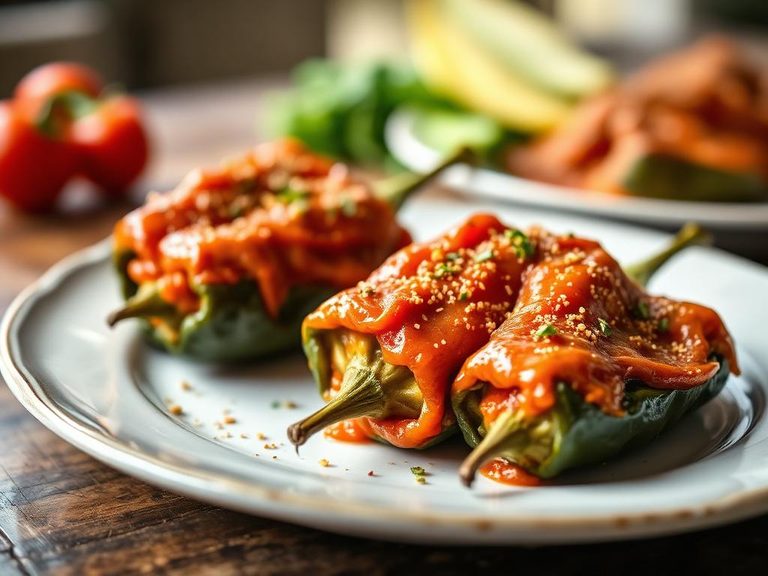
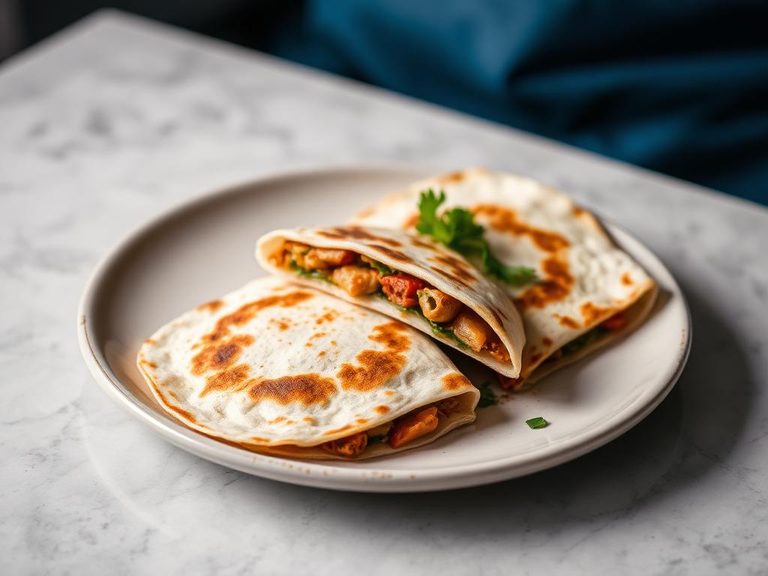

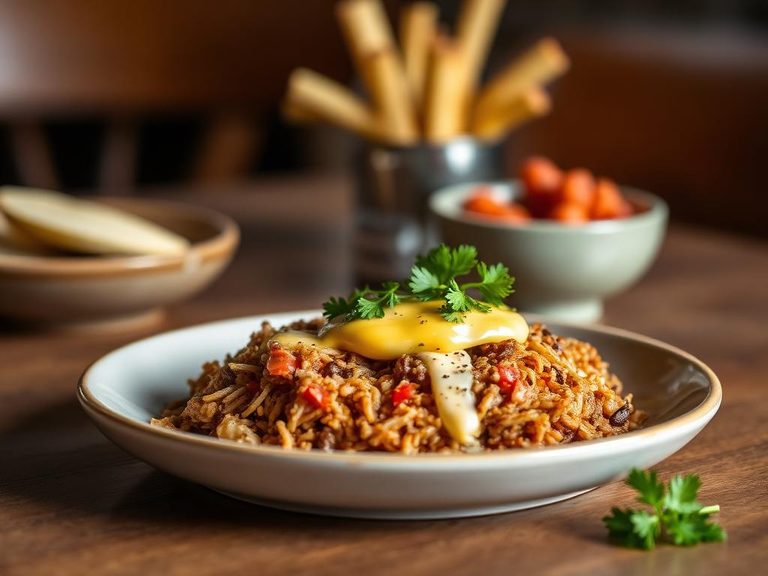
🌍 Where it's eaten
💡 Did you know?
The cheese is often called 'Queso Menonita' because it was originally made by Mennonite communities who settled in Chihuahua in the early 20th century, bringing their traditional cheesemaking techniques.
Full nutrition (USDA data · scales with serving)
| Water | 39.1 g |
| Energy | 374 kcal |
| Energy | 1567 kj |
| Protein | 21.6 g |
| Total lipid (fat) | 29.7 g |
| Ash | 4.1 g |
| Carbohydrate, by difference | 5.6 g |
| Fiber, total dietary | 0.00 g |
| Total Sugars | 5.6 g |
| Calcium, Ca | 651 mg |
| Iron, Fe | 0.47 mg |
| Magnesium, Mg | 23.0 mg |
| Phosphorus, P | 442 mg |
| Potassium, K | 52.0 mg |
| Sodium, Na | 617 mg |
| Zinc, Zn | 3.5 mg |
| Copper, Cu | 0.02 mg |
| Manganese, Mn | 0.07 mg |
| Selenium, Se | 14.5 ug |
| Vitamin C, total ascorbic acid | 0.00 mg |
| Thiamin | 0.02 mg |
| Riboflavin | 0.23 mg |
| Niacin | 0.15 mg |
| Pantothenic acid | 0.28 mg |
| Vitamin B-6 | 0.06 mg |
| Folate, total | 2.0 ug |
| Folic acid | 0.00 ug |
| Folate, food | 2.0 ug |
| Folate, DFE | 2.0 ug |
| Choline, total | 15.4 mg |
| Vitamin B-12 | 1.0 ug |
| Vitamin B-12, added | 0.00 ug |
| Vitamin A, RAE | 56.0 ug |
| Retinol | 56.0 ug |
| Carotene, beta | 4.0 ug |
| Carotene, alpha | 0.00 ug |
| Cryptoxanthin, beta | 0.00 ug |
| Vitamin A, IU | 193 iu |
| Lycopene | 0.00 ug |
| Lutein + zeaxanthin | 0.00 ug |
| Vitamin E (alpha-tocopherol) | 0.26 mg |
| Vitamin E, added | 0.00 mg |
| Vitamin D (D2 + D3), International Units | 22.0 iu |
| Vitamin D (D2 + D3) | 0.50 ug |
| Vitamin D3 (cholecalciferol) | 0.50 ug |
| Vitamin K (phylloquinone) | 2.5 ug |
| Alcohol, ethyl | 0.00 g |
| Caffeine | 0.00 mg |
| Theobromine | 0.00 mg |
Fat & fatty acid profile (per 100g)
| Fatty acids, total saturated | 18.8 g |
| SFA 4:0 | 0.90 g |
| SFA 6:0 | 0.47 g |
| SFA 8:0 | 0.25 g |
| SFA 10:0 | 0.55 g |
| SFA 12:0 | 0.50 g |
| SFA 14:0 | 3.1 g |
| SFA 16:0 | 9.2 g |
| SFA 18:0 | 3.8 g |
| Fatty acids, total monounsaturated | 8.4 g |
| MUFA 16:1 | 0.95 g |
| MUFA 18:1 | 7.5 g |
| MUFA 20:1 | 0.00 g |
| MUFA 22:1 | 0.00 g |
| Fatty acids, total polyunsaturated | 0.89 g |
| PUFA 18:2 | 0.55 g |
| PUFA 18:3 | 0.35 g |
| PUFA 18:4 | 0.00 g |
| PUFA 20:4 | 0.00 g |
| PUFA 20:5 n-3 (EPA) | 0.00 g |
| PUFA 22:5 n-3 (DPA) | 0.00 g |
| PUFA 22:6 n-3 (DHA) | 0.00 g |
| Cholesterol | 105 mg |
Amino acid profile (per 100g)
| Tryptophan | 0.20 g |
| Threonine | 0.82 g |
| Isoleucine | 1.1 g |
| Leucine | 2.0 g |
| Lysine | 1.5 g |
| Methionine | 0.61 g |
| Cystine | 0.14 g |
| Phenylalanine | 1.0 g |
| Tyrosine | 1.0 g |
| Valine | 1.3 g |
| Arginine | 0.78 g |
| Histidine | 0.60 g |
| Alanine | 0.82 g |
| Aspartic acid | 1.4 g |
| Glutamic acid | 4.5 g |
| Glycine | 0.38 g |
| Proline | 2.2 g |
| Serine | 1.1 g |
FAQ
What is the difference between Queso Chihuahua and Queso Oaxaca?
Queso Chihuahua is a semi-soft, smooth cheese with a mild, buttery flavor. Queso Oaxaca is a string-type, mozzarella-like cheese known for its excellent stretch and milder, more neutral taste. Chihuahua is often preferred for its richer flavor when melted.
Can I substitute Queso Chihuahua with another cheese?
Yes, good substitutes for melting include young Gouda, Monterey Jack, or mild white cheddar. For a similar texture but different flavor, Fontina or young Asiago can work. The key is to use a cheese that melts smoothly without becoming oily.
How should I store Queso Chihuahua?
Wrap it tightly in plastic wrap or place it in an airtight container in the refrigerator. It should keep well for 2-3 weeks. For longer storage, it can be grated and frozen for up to 3 months, though the texture may become slightly crumbly upon thawing.
Nutrient density (calculated · NRF9.3)
Nutrient Rich Foods index: beneficial nutrients (protein, fiber, vitamins, minerals) minus saturated fat, added sugar & sodium, per 100 kcal.
NRF9.3 index — Fulgoni, Keast & Drewnowski, 2009. Computed from USDA nutrients.
Weight-loss friendliness (composite index)
Energy density 3.74 kcal/g · 23% calories from protein · 0.0 g fiber · 5.6 g sugar per 100 g.
Composite of energy density (Rolls et al., 1999), protein & fiber satiety, minus sugar. A calculated heuristic — ranks satiety-per-calorie, not a clinical measure.
Dietary load (calculated from USDA values)
Potential renal acid load. Positive = acid-forming, negative = alkaline-forming.
Sodium-to-potassium ratio: 11.87 (lower is better — aim for ≤ 1)
Sodium:potassium per WHO potassium guidance. Computed from USDA nutrients.