

Bison, ground, grass-fed, raw
Whole food · Lamb, Veal, and Game Products

Photo: Wikipedia
Grass-fed ground bison is a lean, deeply savory red meat with a finer grain and slightly sweeter, less gamey flavor than beef. Its texture is tender yet firm, holding up well to high-heat cooking without becoming tough. With an exceptional protein-to-fat ratio, it's a powerhouse for muscle maintenance and a standout in nutrient density.
Calorie split: 55% protein · 0% carbs · 44% fat
↓ Full nutrition💚 Why it's loved
People love it for its robust, clean beef-like flavor that isn't overpowering, making it a versatile canvas for bold spices or simple seasoning. It's also prized in health-conscious and paleo communities as a sustainable, grass-fed protein alternative.
⚠️ Watch-outs & how to enjoy it better
Its very low fat content can lead to dry, crumbly results if overcooked, which is a common pitfall for those used to fattier ground beef. To counteract this, cook to medium doneness (160°F/71°C max), incorporate moisture-rich ingredients like diced onions or tomatoes, and avoid pressing the patties while cooking. Those on strict low-iron diets should monitor portions due to its high heme iron content.
Key benefits
- High-quality complete protein for muscle synthesis
- Rich in heme iron, more bioavailable than plant sources
- Excellent source of zinc for immune function
- Contains conjugated linoleic acid (CLA), a beneficial fatty acid
- Lower in total fat than conventional ground beef
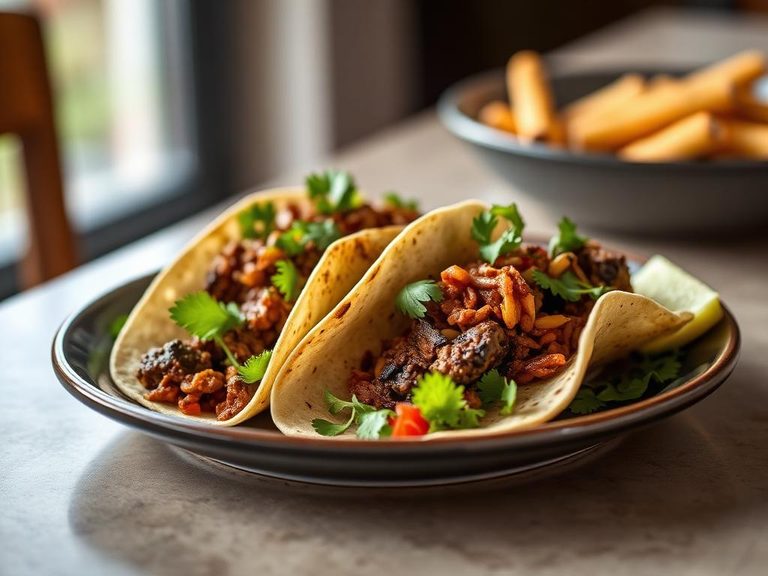
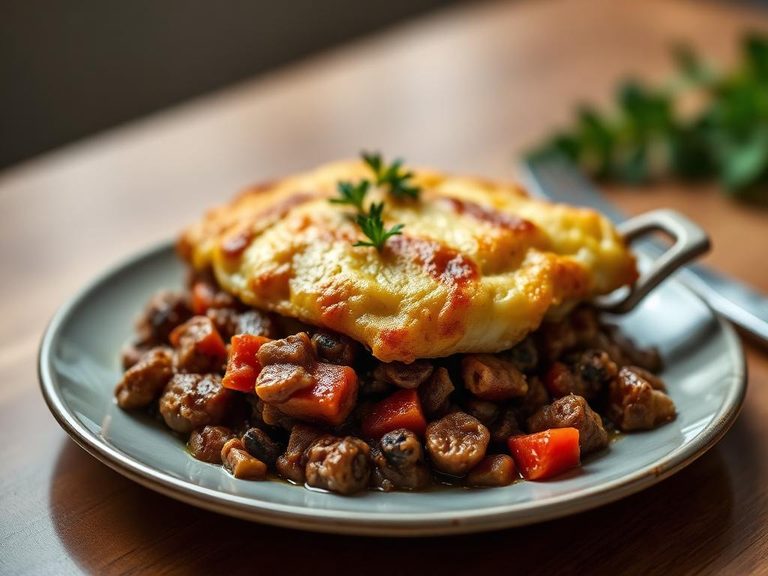
🍽️ Popular dishes
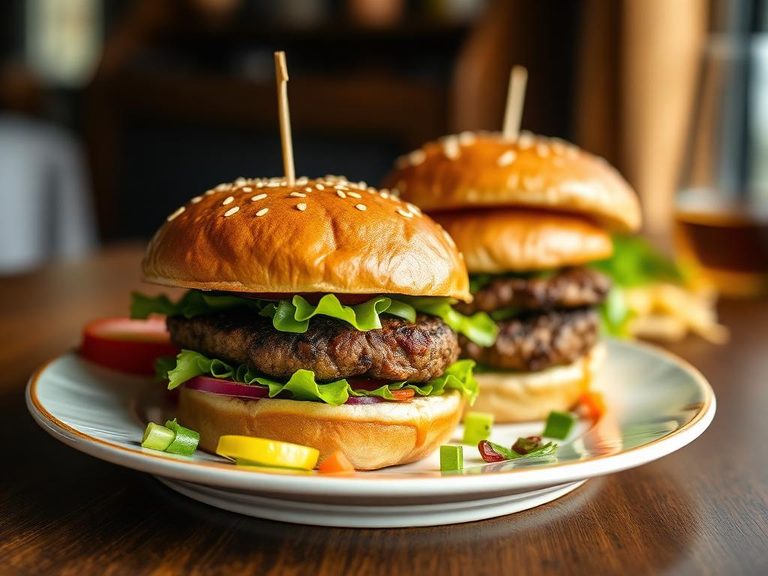
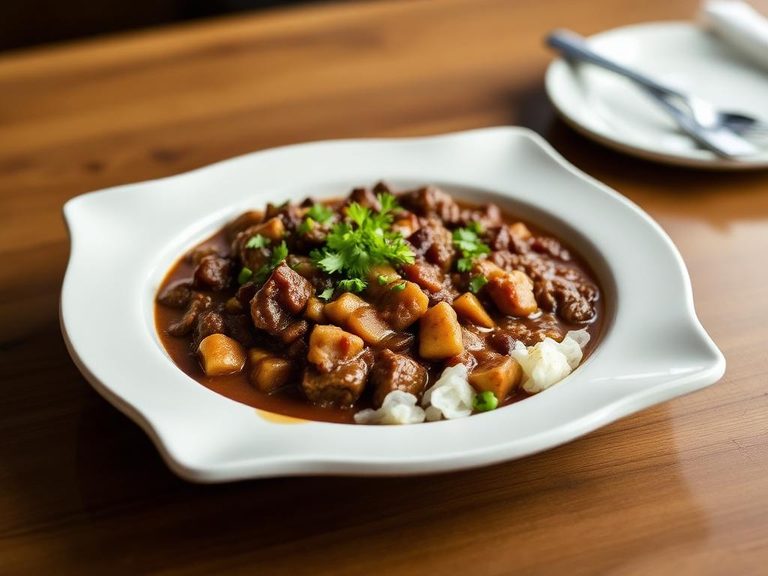
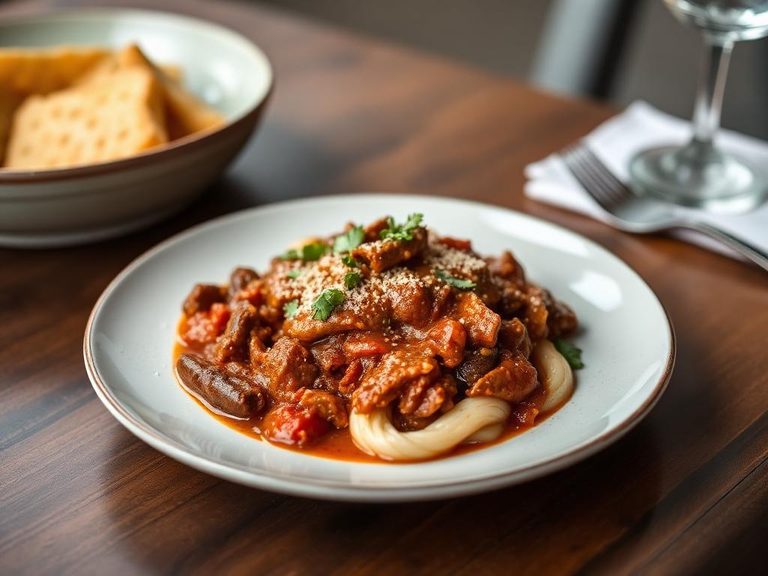
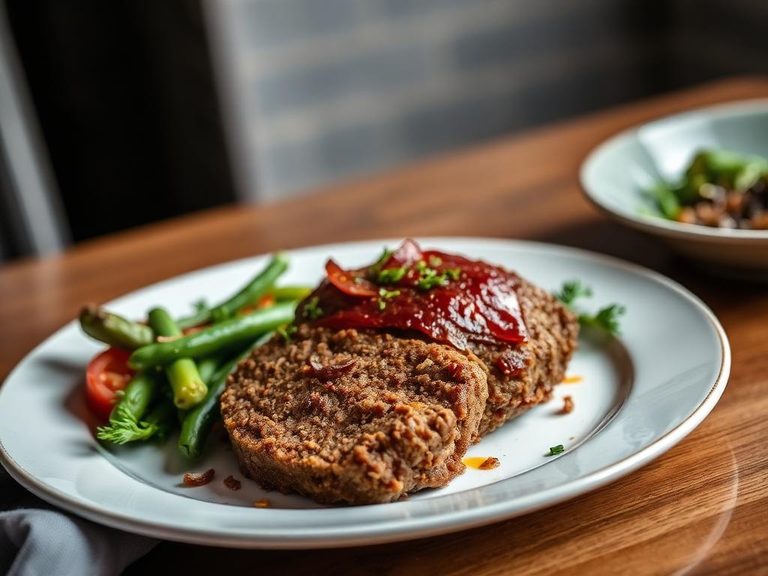
🌍 Where it's eaten
💡 Did you know?
A single adult bison can produce about 200 pounds of usable meat, but its heart is so large it would fill a standard 5-gallon bucket.
Full nutrition (USDA data · scales with serving)
| Water | 71.6 g |
| Energy | 146 kcal |
| Energy | 611 kj |
| Protein | 20.2 g |
| Total lipid (fat) | 7.2 g |
| Ash | 0.91 g |
| Carbohydrate, by difference | 0.05 g |
| Fiber, total dietary | 0.00 g |
| Total Sugars | 0.00 g |
| Calcium, Ca | 11.0 mg |
| Iron, Fe | 2.8 mg |
| Magnesium, Mg | 21.0 mg |
| Phosphorus, P | 194 mg |
| Potassium, K | 328 mg |
| Sodium, Na | 70.0 mg |
| Zinc, Zn | 4.6 mg |
| Copper, Cu | 0.14 mg |
| Selenium, Se | 20.0 ug |
| Vitamin C, total ascorbic acid | 0.00 mg |
| Thiamin | 0.14 mg |
| Riboflavin | 0.25 mg |
| Niacin | 5.3 mg |
| Vitamin B-6 | 0.38 mg |
| Folate, total | 12.0 ug |
| Folic acid | 0.00 ug |
| Folate, food | 12.0 ug |
| Folate, DFE | 12.0 ug |
| Choline, total | 85.8 mg |
| Betaine | 12.6 mg |
| Vitamin B-12 | 1.9 ug |
| Vitamin B-12, added | 0.00 ug |
| Vitamin A, RAE | 0.00 ug |
| Retinol | 0.00 ug |
| Carotene, beta | 0.00 ug |
| Carotene, alpha | 0.00 ug |
| Cryptoxanthin, beta | 0.00 ug |
| Vitamin A, IU | 0.00 iu |
| Lycopene | 0.00 ug |
| Lutein + zeaxanthin | 0.00 ug |
| Vitamin E (alpha-tocopherol) | 0.19 mg |
| Vitamin E, added | 0.00 mg |
| Vitamin D (D2 + D3), International Units | 0.00 iu |
| Vitamin D (D2 + D3) | 0.00 ug |
| Vitamin D3 (cholecalciferol) | 0.00 ug |
| Vitamin K (phylloquinone) | 1.2 ug |
| Alcohol, ethyl | 0.00 g |
| Caffeine | 0.00 mg |
| Theobromine | 0.00 mg |
Fat & fatty acid profile (per 100g)
| Fatty acids, total saturated | 2.9 g |
| SFA 4:0 | 0.00 g |
| SFA 6:0 | 0.00 g |
| SFA 8:0 | 0.00 g |
| SFA 10:0 | 0.00 g |
| SFA 12:0 | 0.00 g |
| SFA 14:0 | 0.13 g |
| SFA 16:0 | 1.3 g |
| SFA 18:0 | 1.5 g |
| Fatty acids, total monounsaturated | 2.8 g |
| MUFA 16:1 | 0.14 g |
| MUFA 18:1 | 2.6 g |
| MUFA 20:1 | 0.02 g |
| MUFA 22:1 | 0.00 g |
| Fatty acids, total polyunsaturated | 0.34 g |
| PUFA 18:2 | 0.26 g |
| PUFA 18:3 | 0.04 g |
| PUFA 18:4 | 0.00 g |
| PUFA 20:4 | 0.04 g |
| PUFA 20:5 n-3 (EPA) | 0.00 g |
| PUFA 22:5 n-3 (DPA) | 0.00 g |
| PUFA 22:6 n-3 (DHA) | 0.00 g |
| Cholesterol | 55.0 mg |
Amino acid profile (per 100g)
| Tryptophan | 0.15 g |
| Threonine | 0.92 g |
| Isoleucine | 0.98 g |
| Leucine | 1.7 g |
| Lysine | 1.9 g |
| Methionine | 0.55 g |
| Cystine | 0.24 g |
| Phenylalanine | 0.86 g |
| Tyrosine | 0.69 g |
| Valine | 1.1 g |
| Arginine | 1.4 g |
| Histidine | 0.74 g |
| Alanine | 1.3 g |
| Aspartic acid | 2.0 g |
| Glutamic acid | 3.3 g |
| Glycine | 1.3 g |
| Proline | 1.0 g |
| Serine | 0.84 g |
| Hydroxyproline | 0.25 g |
FAQ
How does ground bison taste different from ground beef?
Ground bison has a slightly sweeter, richer, and cleaner flavor than beef, with less of a 'gamey' taste. It's often described as more delicate and less greasy.
Why is my ground bison always dry?
Bison is extremely lean. Overcooking is the main culprit. Cook it just until no longer pink in the center, and consider adding a small amount of moisture (like broth or diced vegetables) to the mix for dishes like meatloaf or burgers.
Is grass-fed bison healthier than grass-fed beef?
Nutritionally, they are very similar, but bison is consistently leaner, meaning it has fewer calories and less fat per serving while providing comparable protein and micronutrients like iron and zinc.
Nutrient density (calculated · NRF9.3)
Nutrient Rich Foods index: beneficial nutrients (protein, fiber, vitamins, minerals) minus saturated fat, added sugar & sodium, per 100 kcal.
NRF9.3 index — Fulgoni, Keast & Drewnowski, 2009. Computed from USDA nutrients.
Weight-loss friendliness (composite index)
Energy density 1.46 kcal/g · 55% calories from protein · 0.0 g fiber · 0.0 g sugar per 100 g.
Composite of energy density (Rolls et al., 1999), protein & fiber satiety, minus sugar. A calculated heuristic — ranks satiety-per-calorie, not a clinical measure.
Dietary load (calculated from USDA values)
Potential renal acid load. Positive = acid-forming, negative = alkaline-forming.
Sodium-to-potassium ratio: 0.21 (lower is better — aim for ≤ 1)
Sodium:potassium per WHO potassium guidance. Computed from USDA nutrients.