

Apples, dehydrated (low moisture), sulfured, uncooked
Whole food · Fruits and Fruit Juices

Photo: Wikipedia
These are apple slices dried to a chewy, leathery texture with a concentrated, sweet-tart apple flavor. The sulfuring process preserves their pale golden color and prevents browning. Nutritionally, they are a dense source of carbohydrates and fiber, packing the equivalent of nearly two fresh apples into a 100g serving.
Calorie split: 1% protein · 97% carbs · 1% fat
↓ Full nutrition💚 Why it's loved
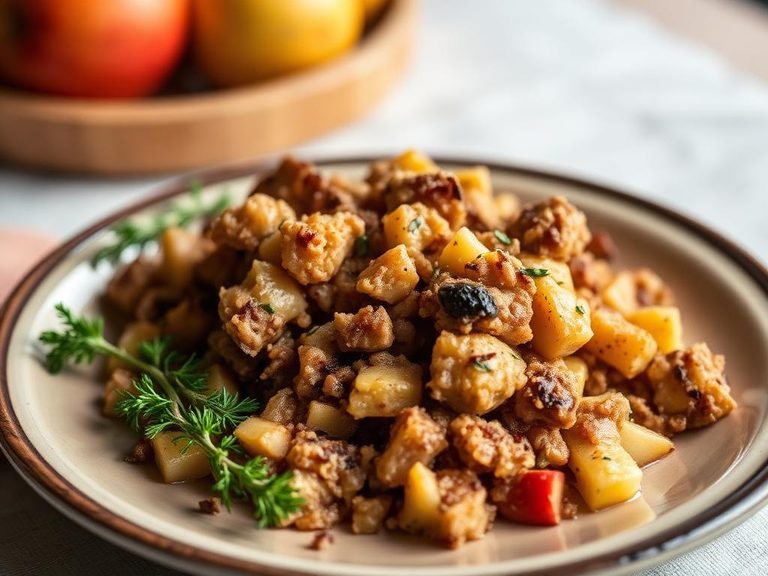
People love them for their intense, candy-like apple sweetness and satisfying chew, making them a beloved snack and baking ingredient. Their versatility shines in everything from trail mixes to stuffings and desserts.
⚠️ Watch-outs & how to enjoy it better
The high sugar content (81g per 100g) can cause rapid blood sugar spikes, especially when eaten alone. To counteract this, pair a small portion with a protein or fat source like nuts or cheese, or use them in savory dishes to balance sweetness. The sulfites used for preservation can trigger reactions in sensitive individuals, particularly those with asthma.
Key benefits
- Excellent source of dietary fiber (12.4g per 100g)
- Provides a quick, energy-dense carbohydrate source
- Retains some vitamins and antioxidants from fresh apples
- Long shelf life makes it a practical pantry staple
🍽️ Popular dishes
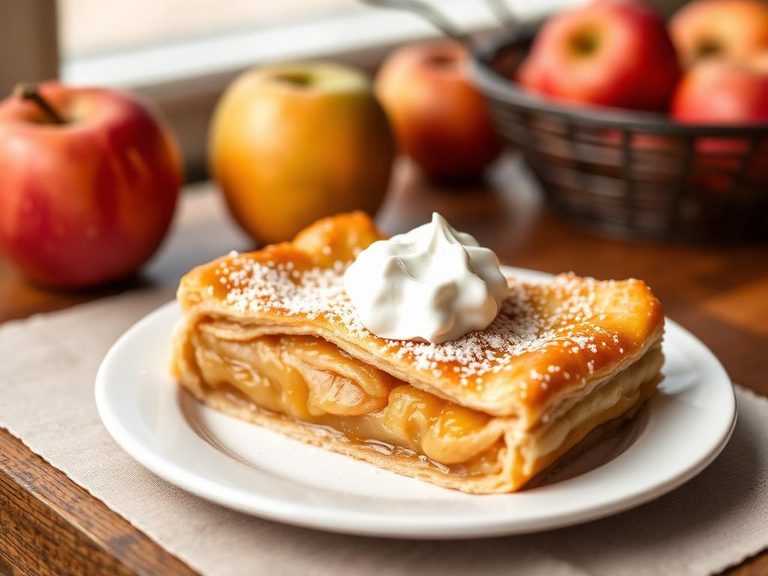
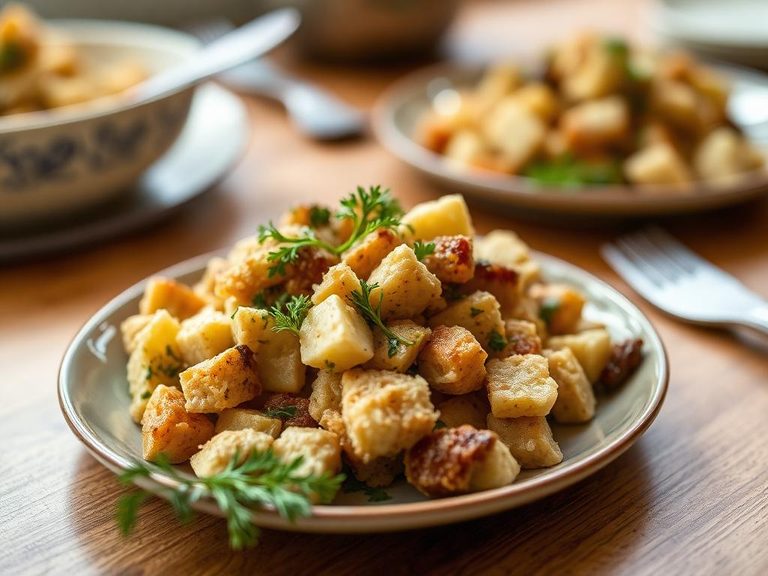
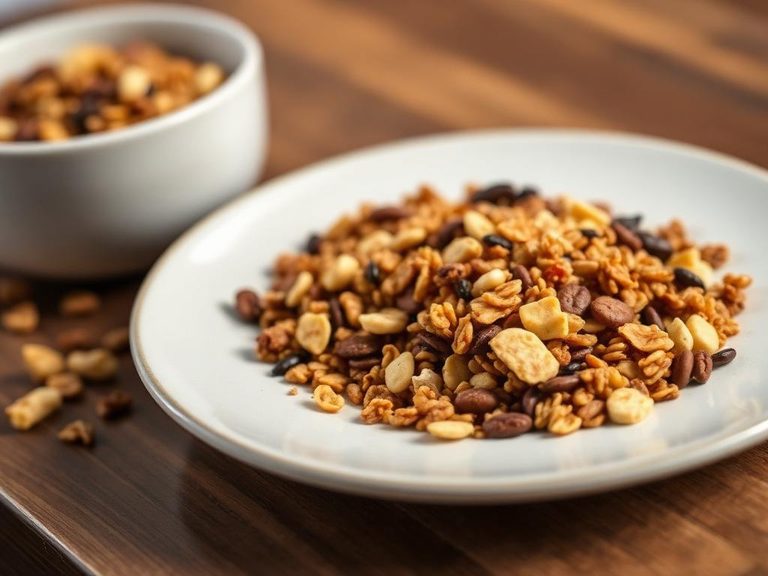
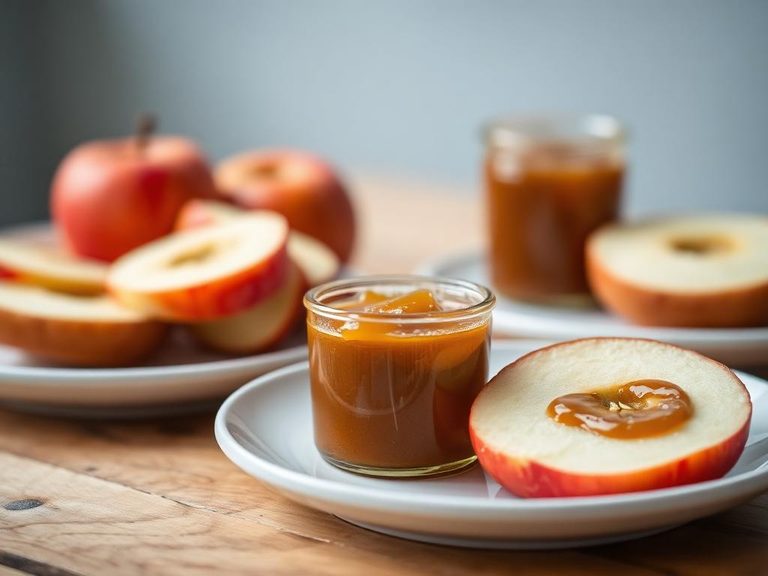

🌍 Where it's eaten
💡 Did you know?
Sulfuring is a traditional preservation method that not only maintains color but also helps retain vitamin C, which would otherwise degrade rapidly during drying.
Full nutrition (USDA data · scales with serving)
| Water | 3.0 g |
| Energy | 346 kcal |
| Energy | 1448 kj |
| Protein | 1.3 g |
| Total lipid (fat) | 0.58 g |
| Ash | 1.6 g |
| Carbohydrate, by difference | 93.5 g |
| Fiber, total dietary | 12.4 g |
| Total Sugars | 81.1 g |
| Calcium, Ca | 19.0 mg |
| Iron, Fe | 2.0 mg |
| Magnesium, Mg | 22.0 mg |
| Phosphorus, P | 55.0 mg |
| Potassium, K | 640 mg |
| Sodium, Na | 124 mg |
| Zinc, Zn | 0.29 mg |
| Copper, Cu | 0.27 mg |
| Manganese, Mn | 0.13 mg |
| Selenium, Se | 1.8 ug |
| Vitamin C, total ascorbic acid | 2.2 mg |
| Thiamin | 0.05 mg |
| Riboflavin | 0.13 mg |
| Niacin | 0.68 mg |
| Pantothenic acid | 0.43 mg |
| Vitamin B-6 | 0.28 mg |
| Folate, total | 1.0 ug |
| Folic acid | 0.00 ug |
| Folate, food | 1.0 ug |
| Folate, DFE | 1.0 ug |
| Choline, total | 23.1 mg |
| Vitamin B-12 | 0.00 ug |
| Vitamin B-12, added | 0.00 ug |
| Vitamin A, RAE | 4.0 ug |
| Retinol | 0.00 ug |
| Carotene, beta | 35.0 ug |
| Carotene, alpha | 0.00 ug |
| Cryptoxanthin, beta | 27.0 ug |
| Vitamin A, IU | 81.0 iu |
| Lycopene | 0.00 ug |
| Lutein + zeaxanthin | 25.0 ug |
| Vitamin E (alpha-tocopherol) | 0.75 mg |
| Vitamin E, added | 0.00 mg |
| Vitamin D (D2 + D3), International Units | 0.00 iu |
| Vitamin D (D2 + D3) | 0.00 ug |
| Vitamin K (phylloquinone) | 4.3 ug |
| Alcohol, ethyl | 0.00 g |
| Caffeine | 0.00 mg |
| Theobromine | 0.00 mg |
Fat & fatty acid profile (per 100g)
| Fatty acids, total saturated | 0.10 g |
| SFA 4:0 | 0.00 g |
| SFA 6:0 | 0.00 g |
| SFA 8:0 | 0.00 g |
| SFA 10:0 | 0.00 g |
| SFA 12:0 | 0.00 g |
| SFA 14:0 | 0.00 g |
| SFA 16:0 | 0.08 g |
| SFA 18:0 | 0.01 g |
| Fatty acids, total monounsaturated | 0.02 g |
| MUFA 16:1 | 0.00 g |
| MUFA 18:1 | 0.02 g |
| MUFA 20:1 | 0.00 g |
| MUFA 22:1 | 0.00 g |
| Fatty acids, total polyunsaturated | 0.17 g |
| PUFA 18:2 | 0.14 g |
| PUFA 18:3 | 0.03 g |
| PUFA 18:4 | 0.00 g |
| PUFA 20:4 | 0.00 g |
| PUFA 20:5 n-3 (EPA) | 0.00 g |
| PUFA 22:5 n-3 (DPA) | 0.00 g |
| PUFA 22:6 n-3 (DHA) | 0.00 g |
| Cholesterol | 0.00 mg |
Amino acid profile (per 100g)
| Tryptophan | 0.01 g |
| Threonine | 0.05 g |
| Isoleucine | 0.05 g |
| Leucine | 0.08 g |
| Lysine | 0.08 g |
| Methionine | 0.01 g |
| Cystine | 0.02 g |
| Phenylalanine | 0.04 g |
| Tyrosine | 0.03 g |
| Valine | 0.06 g |
| Arginine | 0.04 g |
| Histidine | 0.02 g |
| Alanine | 0.05 g |
| Aspartic acid | 0.23 g |
| Glutamic acid | 0.14 g |
| Glycine | 0.05 g |
| Proline | 0.04 g |
| Serine | 0.05 g |
FAQ
How do they differ from regular dried apples?
Low-moisture, sulfured dried apples are dried further, resulting in a harder, chewier texture and longer shelf life compared to softer, non-sulfured varieties.
Can I rehydrate them?
Yes, soaking in hot water for 15-30 minutes will soften them for use in cooked dishes like stews or pies, though they won't fully regain fresh apple texture.
Are they healthy?
They are a concentrated source of fiber and nutrients, but also of sugar. Enjoy in small portions as part of a balanced diet, not as a substitute for fresh fruit.
Nutrient density (calculated · NRF9.3)
Nutrient Rich Foods index: beneficial nutrients (protein, fiber, vitamins, minerals) minus saturated fat, added sugar & sodium, per 100 kcal.
NRF9.3 index — Fulgoni, Keast & Drewnowski, 2009. Computed from USDA nutrients.
Weight-loss friendliness (composite index)
Energy density 3.46 kcal/g · 2% calories from protein · 12.4 g fiber · 81.1 g sugar per 100 g.
Composite of energy density (Rolls et al., 1999), protein & fiber satiety, minus sugar. A calculated heuristic — ranks satiety-per-calorie, not a clinical measure.
Dietary load (calculated from USDA values)
Potential renal acid load. Positive = acid-forming, negative = alkaline-forming.
Sodium-to-potassium ratio: 0.19 (lower is better — aim for ≤ 1)
Sodium:potassium per WHO potassium guidance. Computed from USDA nutrients.