

Potato flour
Whole food · Vegetables and Vegetable Products

Photo: Wikipedia
Potato flour is a fine, creamy-white powder made from dehydrated, ground potatoes, offering a mild, earthy potato flavor and a dense, starchy texture. It's a gluten-free powerhouse, packing over 83g of carbs per 100g, making it an excellent thickener and binder in cooking. Its high starch content gives it a unique ability to create moist, tender results in baked goods and sauces.
Calorie split: 8% protein · 92% carbs · 1% fat
↓ Full nutrition💚 Why it's loved
People love potato flour for its unparalleled ability to create rich, velvety textures in sauces and gravies without a gritty mouthfeel. Its mild flavor allows it to blend seamlessly into both savory dishes and sweet baked goods, making it a versatile staple in gluten-free kitchens.
⚠️ Watch-outs & how to enjoy it better
Its extremely high carbohydrate content can cause significant blood-sugar spikes, making it a poor choice for low-carb diets or individuals managing diabetes. To counteract this, use it sparingly as a thickener rather than a primary flour, and pair it with protein and healthy fats in a meal to slow glucose absorption.
Key benefits
- Excellent gluten-free thickener for soups, stews, and gravies.
- Adds moisture and density to gluten-free baked goods.
- High in complex carbohydrates for energy.
- Contains dietary fiber for digestive health.
- Naturally free of common allergens like wheat, nuts, and dairy.
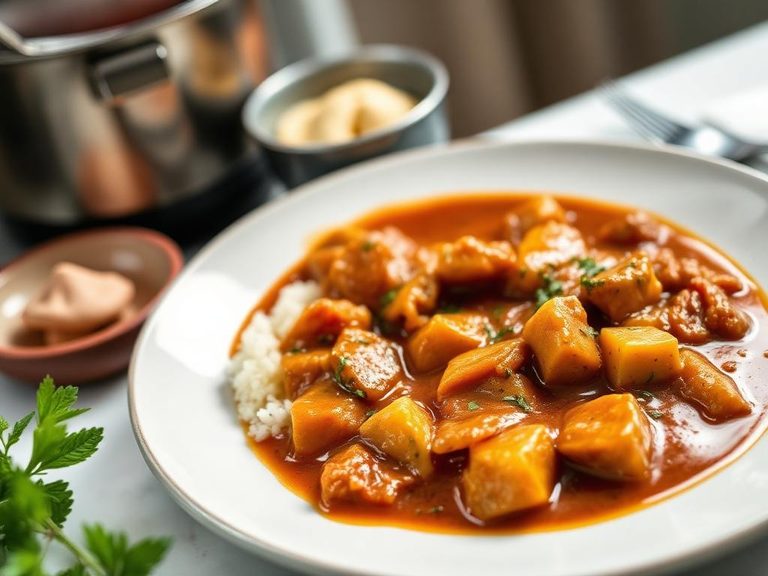
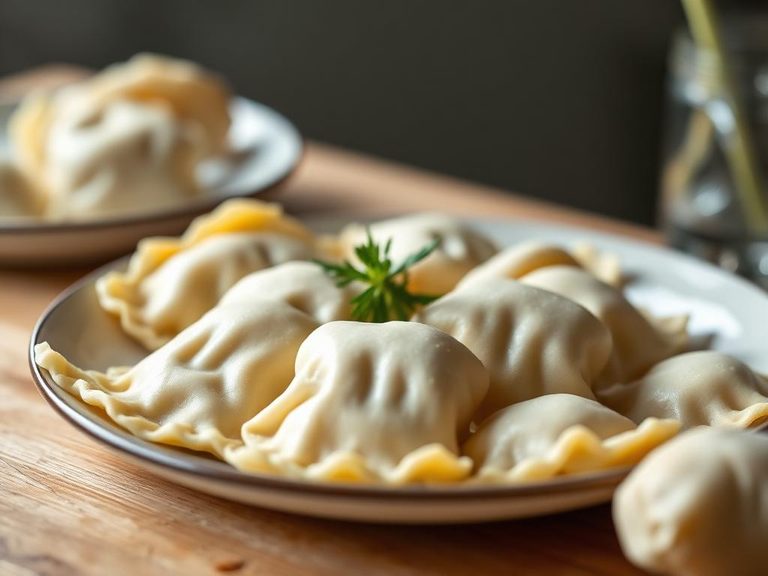
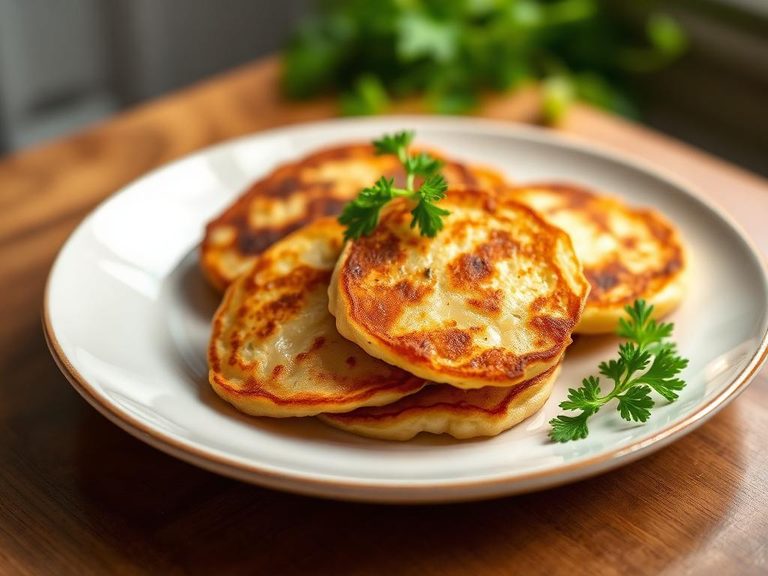
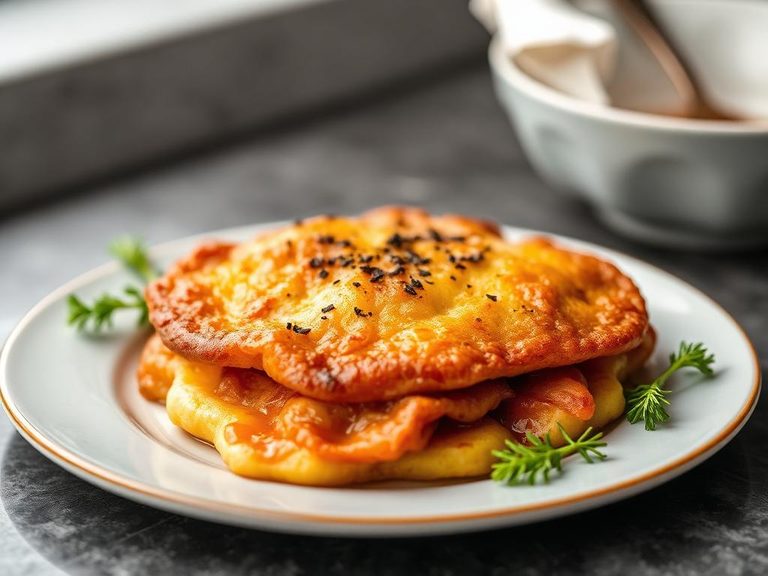
🍽️ Popular dishes
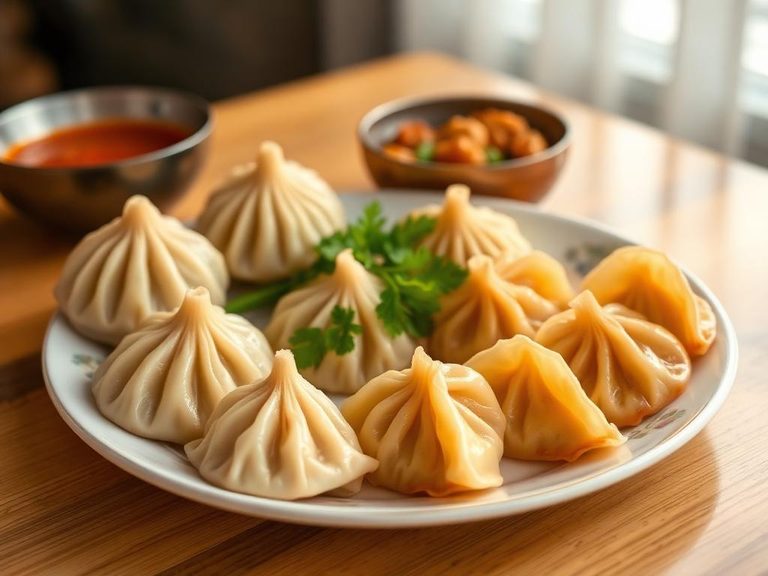
🌍 Where it's eaten
💡 Did you know?
Unlike potato starch, which is just the extracted starch, potato flour is made from the entire dehydrated potato, giving it more fiber and a stronger potato flavor.
Full nutrition (USDA data · scales with serving)
| Water | 6.5 g |
| Energy | 357 kcal |
| Energy | 1493 kj |
| Protein | 6.9 g |
| Total lipid (fat) | 0.34 g |
| Ash | 3.1 g |
| Carbohydrate, by difference | 83.1 g |
| Fiber, total dietary | 5.9 g |
| Total Sugars | 3.5 g |
| Calcium, Ca | 65.0 mg |
| Iron, Fe | 1.4 mg |
| Magnesium, Mg | 65.0 mg |
| Phosphorus, P | 168 mg |
| Potassium, K | 1001 mg |
| Sodium, Na | 55.0 mg |
| Zinc, Zn | 0.54 mg |
| Copper, Cu | 0.20 mg |
| Manganese, Mn | 0.31 mg |
| Selenium, Se | 1.1 ug |
| Vitamin C, total ascorbic acid | 3.8 mg |
| Thiamin | 0.23 mg |
| Riboflavin | 0.05 mg |
| Niacin | 3.5 mg |
| Pantothenic acid | 0.47 mg |
| Vitamin B-6 | 0.77 mg |
| Folate, total | 25.0 ug |
| Folic acid | 0.00 ug |
| Folate, food | 25.0 ug |
| Folate, DFE | 25.0 ug |
| Choline, total | 39.5 mg |
| Vitamin B-12 | 0.00 ug |
| Vitamin B-12, added | 0.00 ug |
| Vitamin A, RAE | 0.00 ug |
| Retinol | 0.00 ug |
| Carotene, beta | 0.00 ug |
| Carotene, alpha | 0.00 ug |
| Cryptoxanthin, beta | 0.00 ug |
| Vitamin A, IU | 0.00 iu |
| Lycopene | 0.00 ug |
| Lutein + zeaxanthin | 0.00 ug |
| Vitamin E (alpha-tocopherol) | 0.25 mg |
| Vitamin E, added | 0.00 mg |
| Vitamin D (D2 + D3), International Units | 0.00 iu |
| Vitamin D (D2 + D3) | 0.00 ug |
| Vitamin K (phylloquinone) | 0.00 ug |
| Alcohol, ethyl | 0.00 g |
| Caffeine | 0.00 mg |
| Theobromine | 0.00 mg |
Fat & fatty acid profile (per 100g)
| Fatty acids, total saturated | 0.09 g |
| SFA 4:0 | 0.00 g |
| SFA 6:0 | 0.00 g |
| SFA 8:0 | 0.00 g |
| SFA 10:0 | 0.00 g |
| SFA 12:0 | 0.01 g |
| SFA 14:0 | 0.00 g |
| SFA 16:0 | 0.06 g |
| SFA 18:0 | 0.01 g |
| Fatty acids, total monounsaturated | 0.01 g |
| MUFA 16:1 | 0.00 g |
| MUFA 18:1 | 0.00 g |
| MUFA 20:1 | 0.00 g |
| MUFA 22:1 | 0.00 g |
| Fatty acids, total polyunsaturated | 0.15 g |
| PUFA 18:2 | 0.11 g |
| PUFA 18:3 | 0.04 g |
| PUFA 18:4 | 0.00 g |
| PUFA 20:4 | 0.00 g |
| PUFA 20:5 n-3 (EPA) | 0.00 g |
| PUFA 22:5 n-3 (DPA) | 0.00 g |
| PUFA 22:6 n-3 (DHA) | 0.00 g |
| Fatty acids, total trans | 0.00 g |
| Cholesterol | 0.00 mg |
Amino acid profile (per 100g)
| Tryptophan | 0.12 g |
| Threonine | 0.28 g |
| Isoleucine | 0.30 g |
| Leucine | 0.42 g |
| Lysine | 0.41 g |
| Methionine | 0.11 g |
| Cystine | 0.07 g |
| Phenylalanine | 0.32 g |
| Tyrosine | 0.22 g |
| Valine | 0.36 g |
| Arginine | 0.37 g |
| Histidine | 0.17 g |
| Alanine | 0.33 g |
| Aspartic acid | 1.2 g |
| Glutamic acid | 0.93 g |
| Glycine | 0.26 g |
| Proline | 0.27 g |
| Serine | 0.23 g |
FAQ
What's the difference between potato flour and potato starch?
Potato flour is made from whole, cooked, dried, and ground potatoes, retaining fiber and flavor. Potato starch is just the extracted starch granules, making it a pure, neutral-flavored thickener with no fiber.
Can I use potato flour as a 1:1 substitute for wheat flour in baking?
No. Potato flour is very absorbent and dense. It's typically used in small amounts (5-15% of the total flour blend) in gluten-free baking to add moisture and structure, not as the main flour.
How do I use potato flour to thicken a sauce without lumps?
Always make a slurry first. Whisk potato flour into a small amount of cold water or broth until smooth before stirring it into the hot liquid. This prevents clumping.
Nutrient density (calculated · NRF9.3)
Nutrient Rich Foods index: beneficial nutrients (protein, fiber, vitamins, minerals) minus saturated fat, added sugar & sodium, per 100 kcal.
NRF9.3 index — Fulgoni, Keast & Drewnowski, 2009. Computed from USDA nutrients.
Weight-loss friendliness (composite index)
Energy density 3.57 kcal/g · 8% calories from protein · 5.9 g fiber · 3.5 g sugar per 100 g.
Composite of energy density (Rolls et al., 1999), protein & fiber satiety, minus sugar. A calculated heuristic — ranks satiety-per-calorie, not a clinical measure.
Dietary load (calculated from USDA values)
Potential renal acid load. Positive = acid-forming, negative = alkaline-forming.
Sodium-to-potassium ratio: 0.05 (lower is better — aim for ≤ 1)
Sodium:potassium per WHO potassium guidance. Computed from USDA nutrients.