

Yogurt, vanilla or lemon flavor, nonfat milk, sweetened with low-calorie sweetener, fortified with vitamin D
Whole food · Dairy and Egg Products
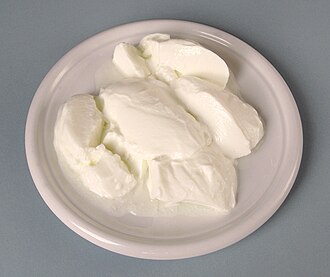
Photo: Wikipedia
This is a light, tangy, and refreshing low-fat yogurt, typically with a smooth, pourable or spoonable texture depending on brand. It offers a bright burst of vanilla or lemon flavor without the heaviness of cream, making it a clean, protein-rich snack. Fortified with vitamin D, it's a smart choice for bone health support.
Calorie split: 33% protein · 64% carbs · 3% fat
↓ Full nutrition💚 Why it's loved
People love it for its bright, clean flavors—vanilla is comforting and classic, while lemon is zesty and invigorating—without the guilt of full-fat versions. It's incredibly versatile, serving as a quick breakfast, a smoothie base, a healthy dessert, or a tangy sauce for savory dishes.
⚠️ Watch-outs & how to enjoy it better
The low-fat, sweetened profile can lead to faster blood sugar spikes compared to full-fat, unsweetened yogurt, which may not be ideal for some diabetics. The added low-calorie sweeteners may cause digestive discomfort in sensitive individuals. Tip: Pair it with a source of fiber (like berries or oats) and a little healthy fat (like nuts or seeds) to slow sugar absorption and increase satiety.
Key benefits
- High in protein for muscle maintenance and satiety.
- Very low in fat, making it a light calorie source.
- Fortified with vitamin D for bone and immune health.
- Contains live cultures (probiotics) for gut health.
- Low in calories, suitable for calorie-conscious diets.
🍽️ Popular dishes
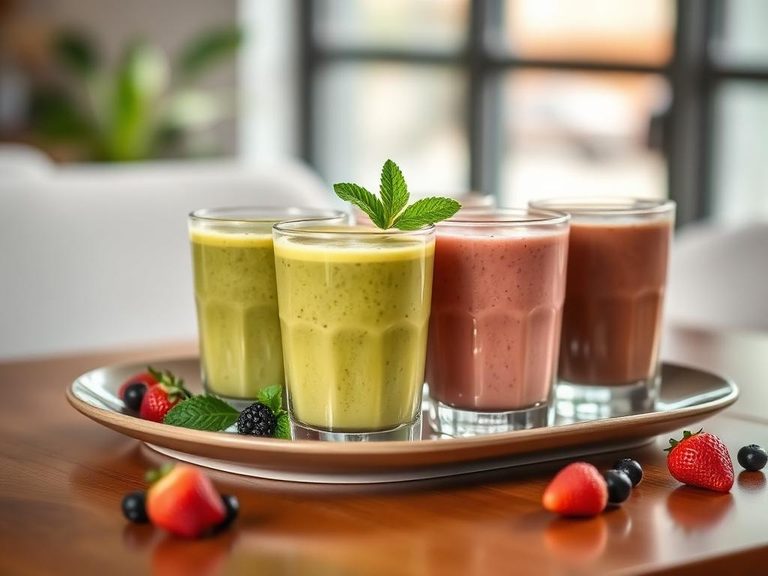
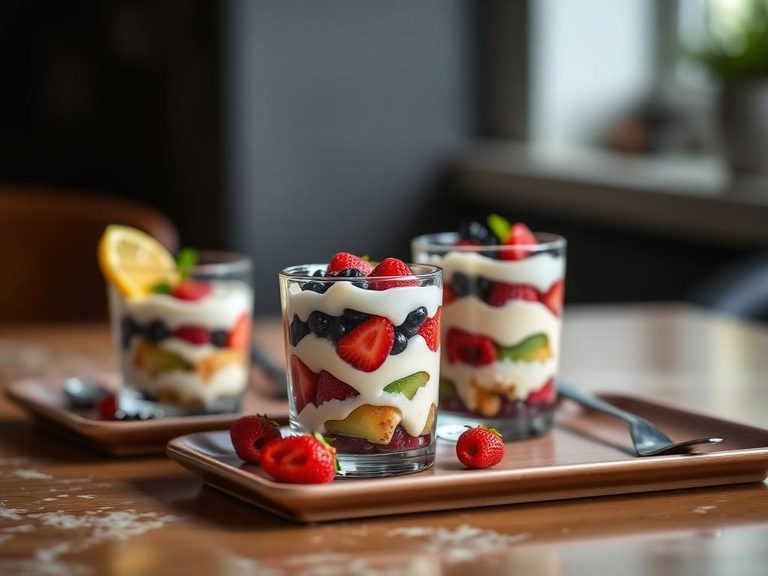
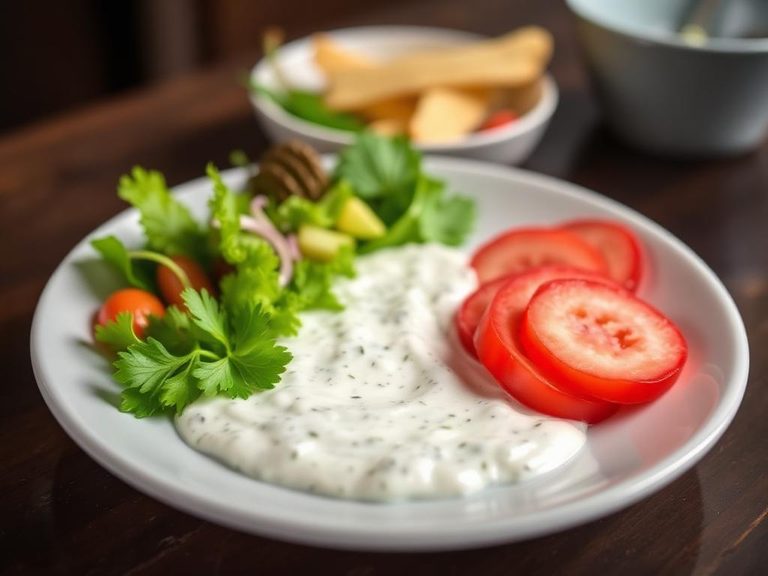
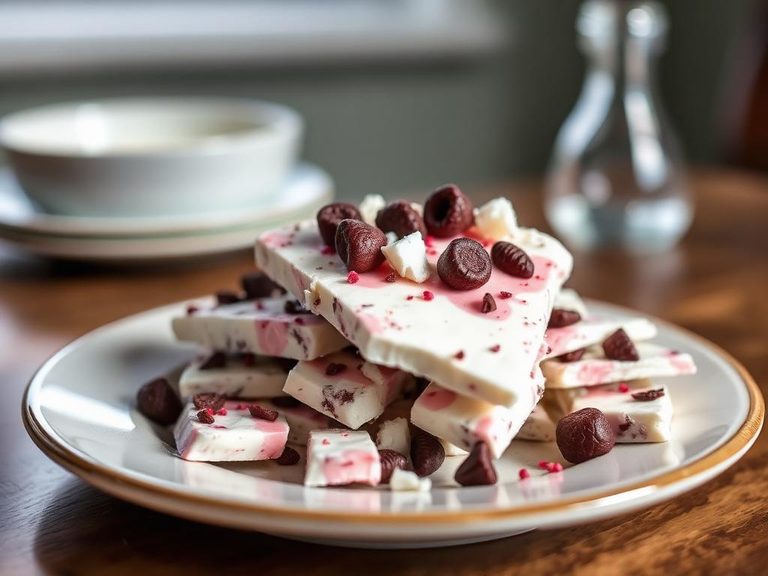

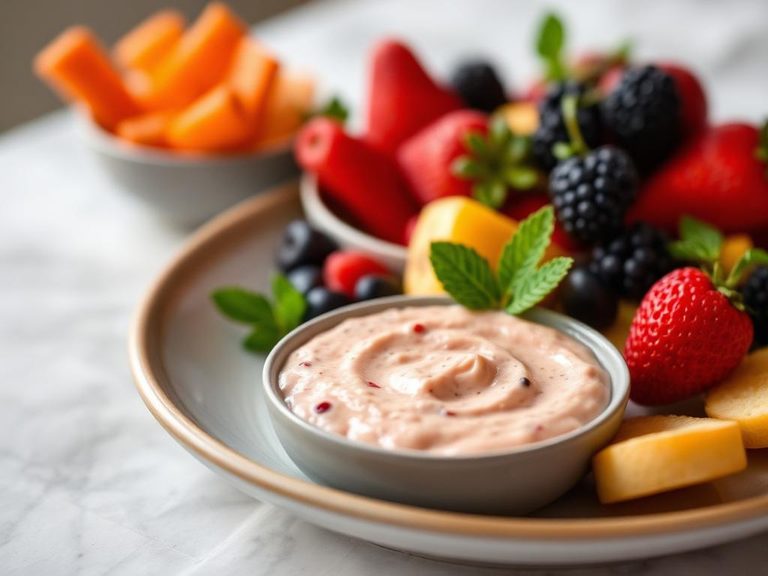
🌍 Where it's eaten
💡 Did you know?
The specific combination of vanilla or lemon flavoring with a vitamin D fortification is a hallmark of modern, health-focused commercial yogurt lines, designed to mimic the nutritional benefits of sunlight exposure in a convenient, edible form.
Full nutrition (USDA data · scales with serving)
| Water | 87.4 g |
| Energy | 43.0 kcal |
| Energy | 180 kj |
| Protein | 3.9 g |
| Total lipid (fat) | 0.18 g |
| Ash | 1.0 g |
| Carbohydrate, by difference | 7.5 g |
| Fiber, total dietary | 0.00 g |
| Total Sugars | 7.5 g |
| Calcium, Ca | 143 mg |
| Iron, Fe | 0.12 mg |
| Magnesium, Mg | 13.0 mg |
| Phosphorus, P | 109 mg |
| Potassium, K | 177 mg |
| Sodium, Na | 59.0 mg |
| Zinc, Zn | 0.67 mg |
| Copper, Cu | 0.08 mg |
| Selenium, Se | 3.1 ug |
| Fluoride, F | 12.0 ug |
| Vitamin C, total ascorbic acid | 1.1 mg |
| Thiamin | 0.03 mg |
| Riboflavin | 0.16 mg |
| Niacin | 0.09 mg |
| Vitamin B-6 | 0.04 mg |
| Folate, total | 8.0 ug |
| Folic acid | 0.00 ug |
| Folate, food | 8.0 ug |
| Folate, DFE | 8.0 ug |
| Choline, total | 15.2 mg |
| Vitamin B-12 | 0.43 ug |
| Vitamin B-12, added | 0.00 ug |
| Vitamin A, RAE | 2.0 ug |
| Retinol | 2.0 ug |
| Carotene, beta | 0.00 ug |
| Carotene, alpha | 0.00 ug |
| Cryptoxanthin, beta | 0.00 ug |
| Vitamin A, IU | 6.0 iu |
| Lycopene | 0.00 ug |
| Lutein + zeaxanthin | 0.00 ug |
| Vitamin E (alpha-tocopherol) | 0.00 mg |
| Vitamin E, added | 0.00 mg |
| Vitamin D (D2 + D3), International Units | 47.0 iu |
| Vitamin D (D2 + D3) | 1.2 ug |
| Vitamin D3 (cholecalciferol) | 1.2 ug |
| Vitamin K (phylloquinone) | 0.00 ug |
| Alcohol, ethyl | 0.00 g |
| Caffeine | 0.00 mg |
| Theobromine | 0.00 mg |
Fat & fatty acid profile (per 100g)
| Fatty acids, total saturated | 0.12 g |
| SFA 4:0 | 0.01 g |
| SFA 6:0 | 0.01 g |
| SFA 8:0 | 0.00 g |
| SFA 10:0 | 0.01 g |
| SFA 12:0 | 0.01 g |
| SFA 14:0 | 0.02 g |
| SFA 16:0 | 0.05 g |
| SFA 18:0 | 0.02 g |
| Fatty acids, total monounsaturated | 0.05 g |
| MUFA 16:1 | 0.00 g |
| MUFA 18:1 | 0.04 g |
| MUFA 20:1 | 0.00 g |
| MUFA 22:1 | 0.00 g |
| Fatty acids, total polyunsaturated | 0.01 g |
| PUFA 18:2 | 0.00 g |
| PUFA 18:3 | 0.00 g |
| PUFA 18:4 | 0.00 g |
| PUFA 20:4 | 0.00 g |
| PUFA 20:5 n-3 (EPA) | 0.00 g |
| PUFA 22:5 n-3 (DPA) | 0.00 g |
| PUFA 22:6 n-3 (DHA) | 0.00 g |
| Cholesterol | 2.0 mg |
Amino acid profile (per 100g)
Estimated from Yogurt, fruit variety, nonfat — USDA does not publish this profile for Yogurt.
| Tryptophan | 0.03 g |
| Threonine | 0.20 g |
| Isoleucine | 0.27 g |
| Leucine | 0.50 g |
| Lysine | 0.44 g |
| Methionine | 0.14 g |
| Cystine | 0.04 g |
| Phenylalanine | 0.27 g |
| Tyrosine | 0.25 g |
| Valine | 0.41 g |
| Arginine | 0.15 g |
| Histidine | 0.12 g |
| Alanine | 0.21 g |
| Aspartic acid | 0.39 g |
| Glutamic acid | 0.97 g |
| Glycine | 0.12 g |
| Proline | 0.58 g |
| Serine | 0.30 g |
FAQ
Is this yogurt good for weight loss?
It can be, due to its high protein and low-calorie count, which helps with fullness. However, the added sugar means it's not as optimal as plain, non-fat Greek yogurt.
Why is it fortified with vitamin D?
Vitamin D is added because it's not naturally abundant in milk, and it's crucial for calcium absorption. Fortification helps people meet their daily needs, especially in regions with limited sunlight.
Can I use this in baking?
Yes, it works well in muffins, cakes, and pancakes to add moisture and a slight tang. The low fat content means you may need to adjust other fats in the recipe.
Nutrient density (calculated · NRF9.3)
Nutrient Rich Foods index: beneficial nutrients (protein, fiber, vitamins, minerals) minus saturated fat, added sugar & sodium, per 100 kcal.
NRF9.3 index — Fulgoni, Keast & Drewnowski, 2009. Computed from USDA nutrients.
Weight-loss friendliness (composite index)
Energy density 0.43 kcal/g · 36% calories from protein · 0.0 g fiber · 7.5 g sugar per 100 g.
Composite of energy density (Rolls et al., 1999), protein & fiber satiety, minus sugar. A calculated heuristic — ranks satiety-per-calorie, not a clinical measure.
Dietary load (calculated from USDA values)
Potential renal acid load. Positive = acid-forming, negative = alkaline-forming.
Sodium-to-potassium ratio: 0.33 (lower is better — aim for ≤ 1)
Sodium:potassium per WHO potassium guidance. Computed from USDA nutrients.