

Yogurt, vanilla, non-fat
Whole food · Dairy and Egg Products
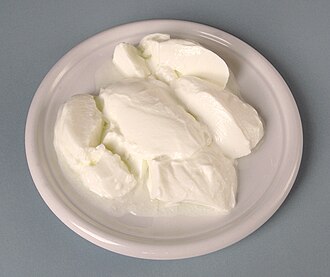
Photo: Wikipedia
Non-fat vanilla yogurt is a smooth, creamy dairy product with a sweet, fragrant vanilla flavor. It's a light yet satisfying snack, notable for its high protein content relative to its low calorie count. The texture is typically thick and spoonable, similar to a light custard.
Calorie split: 15% protein · 85% carbs · 0% fat
↓ Full nutrition💚 Why it's loved
People love it for its perfect balance of sweet vanilla flavor and tangy yogurt base, making it a dessert-like treat without the guilt. Its versatility shines in smoothies, as a topping, or simply enjoyed straight from the container.
⚠️ Watch-outs & how to enjoy it better
The primary downside is its added sugar content (5.88g per 100g), which can contribute to blood-sugar spikes if consumed in large amounts. To counteract this, pair it with a source of healthy fat or extra protein (like nuts or seeds) to slow sugar absorption, and practice portion control by sticking to a single serving.
Key benefits
- Excellent source of protein for muscle maintenance.
- Low in calories, supporting weight management goals.
- Provides calcium for bone health.
- Contains probiotics for gut health.
- A convenient, no-prep snack option.
🍽️ Popular dishes
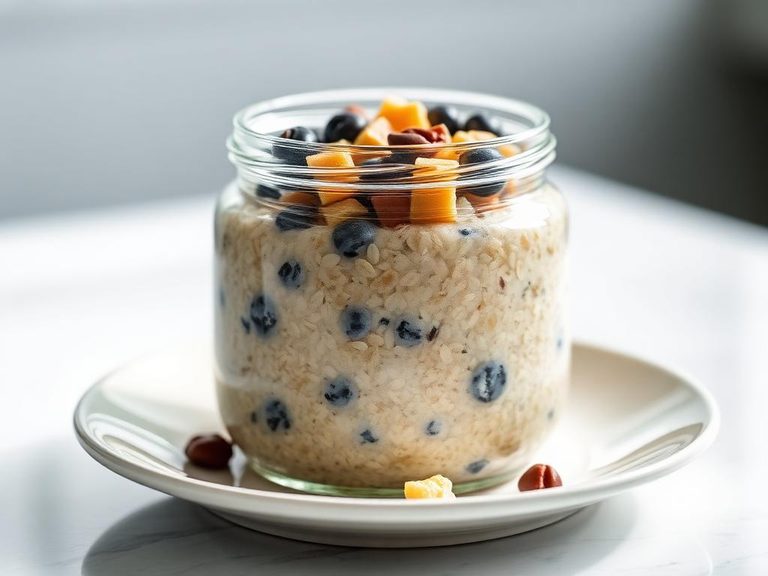
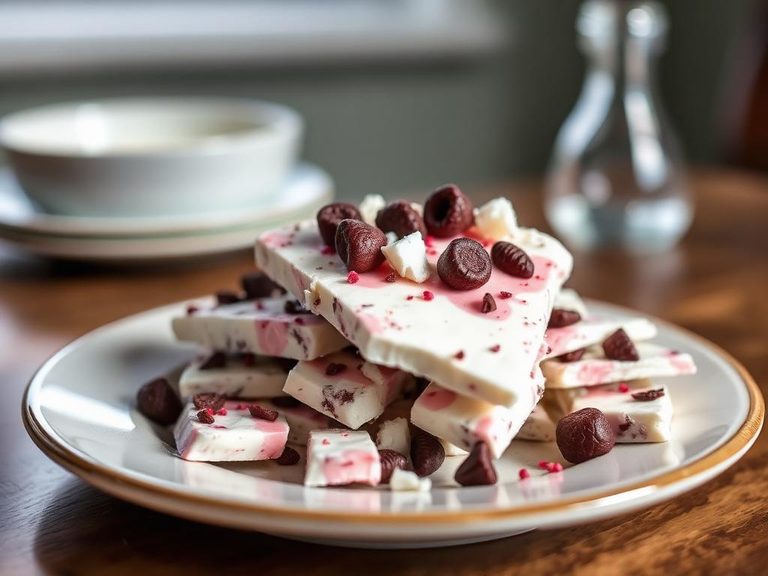
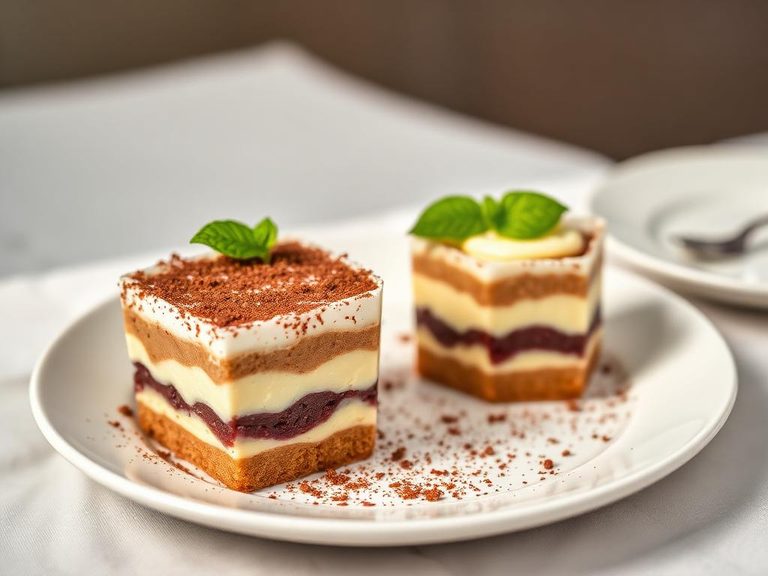
🌍 Where it's eaten
💡 Did you know?
The vanilla flavor in most commercial yogurts comes from vanillin, which is often synthesized from a compound found in wood pulp, not directly from vanilla beans.
Full nutrition (USDA data · scales with serving)
| Water | 79.0 g |
| Energy | 78.0 kcal |
| Energy | 328 kj |
| Protein | 2.9 g |
| Total lipid (fat) | 0.00 g |
| Ash | 1.0 g |
| Carbohydrate, by difference | 17.0 g |
| Fiber, total dietary | 0.00 g |
| Total Sugars | 5.9 g |
| Calcium, Ca | 118 mg |
| Iron, Fe | 0.00 mg |
| Magnesium, Mg | 16.0 mg |
| Phosphorus, P | 88.0 mg |
| Potassium, K | 141 mg |
| Sodium, Na | 47.0 mg |
| Zinc, Zn | 0.83 mg |
| Copper, Cu | 0.01 mg |
| Manganese, Mn | 0.00 mg |
| Selenium, Se | 4.9 ug |
| Vitamin C, total ascorbic acid | 0.00 mg |
| Thiamin | 0.04 mg |
| Riboflavin | 0.20 mg |
| Niacin | 0.11 mg |
| Pantothenic acid | 0.55 mg |
| Vitamin B-6 | 0.04 mg |
| Folate, total | 11.0 ug |
| Folic acid | 0.00 ug |
| Folate, food | 11.0 ug |
| Folate, DFE | 11.0 ug |
| Choline, total | 15.6 mg |
| Vitamin B-12 | 0.53 ug |
| Vitamin B-12, added | 0.00 ug |
| Vitamin A, RAE | 61.0 ug |
| Retinol | 61.0 ug |
| Carotene, beta | 0.00 ug |
| Carotene, alpha | 0.00 ug |
| Cryptoxanthin, beta | 0.00 ug |
| Vitamin A, IU | 204 iu |
| Lycopene | 0.00 ug |
| Lutein + zeaxanthin | 0.00 ug |
| Vitamin E (alpha-tocopherol) | 0.01 mg |
| Vitamin E, added | 0.00 mg |
| Vitamin D (D2 + D3), International Units | 35.0 iu |
| Vitamin D (D2 + D3) | 0.90 ug |
| Vitamin K (phylloquinone) | 0.00 ug |
| Alcohol, ethyl | 0.00 g |
| Caffeine | 0.00 mg |
| Theobromine | 0.00 mg |
Fat & fatty acid profile (per 100g)
| Fatty acids, total saturated | 0.00 g |
| SFA 4:0 | 0.00 g |
| SFA 6:0 | 0.00 g |
| SFA 8:0 | 0.00 g |
| SFA 10:0 | 0.00 g |
| SFA 12:0 | 0.00 g |
| SFA 14:0 | 0.00 g |
| SFA 16:0 | 0.00 g |
| SFA 18:0 | 0.00 g |
| Fatty acids, total monounsaturated | 0.00 g |
| MUFA 16:1 | 0.00 g |
| MUFA 18:1 | 0.00 g |
| MUFA 20:1 | 0.00 g |
| MUFA 22:1 | 0.00 g |
| Fatty acids, total polyunsaturated | 0.00 g |
| PUFA 18:2 | 0.00 g |
| PUFA 18:3 | 0.00 g |
| PUFA 18:4 | 0.00 g |
| PUFA 20:4 | 0.00 g |
| PUFA 20:5 n-3 (EPA) | 0.00 g |
| PUFA 22:5 n-3 (DPA) | 0.00 g |
| PUFA 22:6 n-3 (DHA) | 0.00 g |
| Cholesterol | 3.0 mg |
Amino acid profile (per 100g)
| Tryptophan | 0.03 g |
| Threonine | 0.20 g |
| Isoleucine | 0.27 g |
| Leucine | 0.50 g |
| Lysine | 0.44 g |
| Methionine | 0.14 g |
| Cystine | 0.04 g |
| Phenylalanine | 0.27 g |
| Tyrosine | 0.25 g |
| Valine | 0.41 g |
| Arginine | 0.15 g |
| Histidine | 0.12 g |
| Alanine | 0.21 g |
| Aspartic acid | 0.39 g |
| Glutamic acid | 0.96 g |
| Glycine | 0.12 g |
| Proline | 0.58 g |
| Serine | 0.30 g |
FAQ
Is non-fat vanilla yogurt as healthy as plain yogurt?
Plain yogurt is generally lower in sugar and calories, making it a more neutral base for cooking or adding your own toppings. Non-fat vanilla yogurt is still a good source of protein and calcium but contains added sugars for flavor.
Can I use this yogurt in baking?
Yes, it's an excellent substitute for oil or butter in many muffin, cake, and pancake recipes, adding moisture and protein while reducing fat content. It can also make baked goods more tender.
How does the protein content compare to other yogurts?
At 2.94g per 100g, it's a good source. Greek yogurt typically has more (around 5-10g per 100g), while some non-dairy alternatives may have less. Always check the label for specific brands.
Nutrient density (calculated · NRF9.3)
Nutrient Rich Foods index: beneficial nutrients (protein, fiber, vitamins, minerals) minus saturated fat, added sugar & sodium, per 100 kcal.
NRF9.3 index — Fulgoni, Keast & Drewnowski, 2009. Computed from USDA nutrients.
Weight-loss friendliness (composite index)
Energy density 0.78 kcal/g · 15% calories from protein · 0.0 g fiber · 5.9 g sugar per 100 g.
Composite of energy density (Rolls et al., 1999), protein & fiber satiety, minus sugar. A calculated heuristic — ranks satiety-per-calorie, not a clinical measure.
Dietary load (calculated from USDA values)
Potential renal acid load. Positive = acid-forming, negative = alkaline-forming.
Sodium-to-potassium ratio: 0.33 (lower is better — aim for ≤ 1)
Sodium:potassium per WHO potassium guidance. Computed from USDA nutrients.