

Syrups, corn, light
Whole food · Sweets

Photo: Wikipedia
Light corn syrup is a clear, viscous liquid sweetener made by treating cornstarch with acids or enzymes to break down some of its starches into sugars. It has a mild, clean sweetness—less intense than honey or maple syrup—and a smooth, pourable texture that resists crystallization. Nutritionally, it is almost pure carbohydrate, providing 76.79g of carbs and 76.77g of sugar per 100g, with negligible protein, fat, or fiber.
Calorie split: 0% protein · 99% carbs · 1% fat
↓ Full nutrition💚 Why it's loved
People love it for its ability to create smooth, non-grainy textures in confections like fudge and fondant, and for its reliable performance in baking. Its mild sweetness and liquid form make it a versatile tool for both home cooks and industrial food producers.
⚠️ Watch-outs & how to enjoy it better
It is a concentrated source of added sugar with no nutritional benefit beyond calories, which can contribute to blood-sugar spikes and is a concern for those managing diabetes or watching caloric intake. To counteract this, use it sparingly, pair it with foods containing protein, fat, or fiber to slow sugar absorption, and consider it an occasional ingredient rather than a daily staple.
Key benefits
- Provides quick energy from simple sugars.
- Helps prevent sugar crystallization in baked goods and candies.
- Adds moisture and improves texture in soft cookies and cakes.
- Neutral flavor doesn't overpower other ingredients.
- Cost-effective and shelf-stable sweetener.
🍽️ Popular dishes

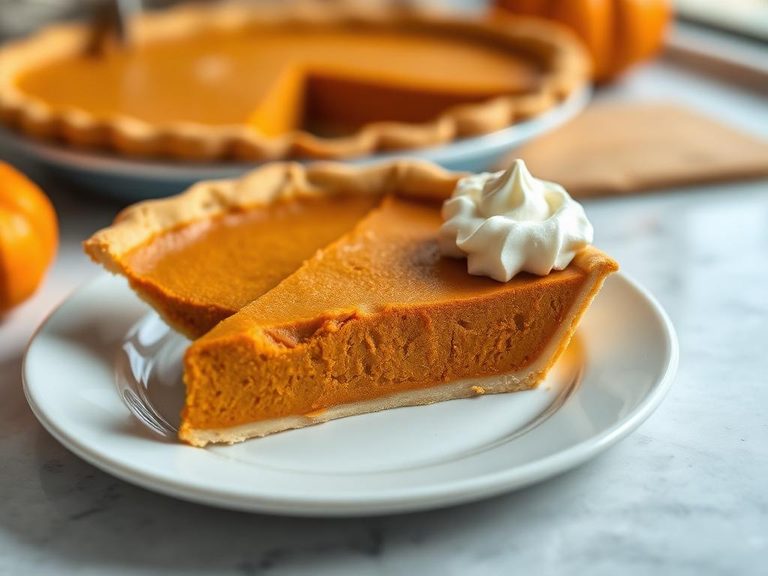
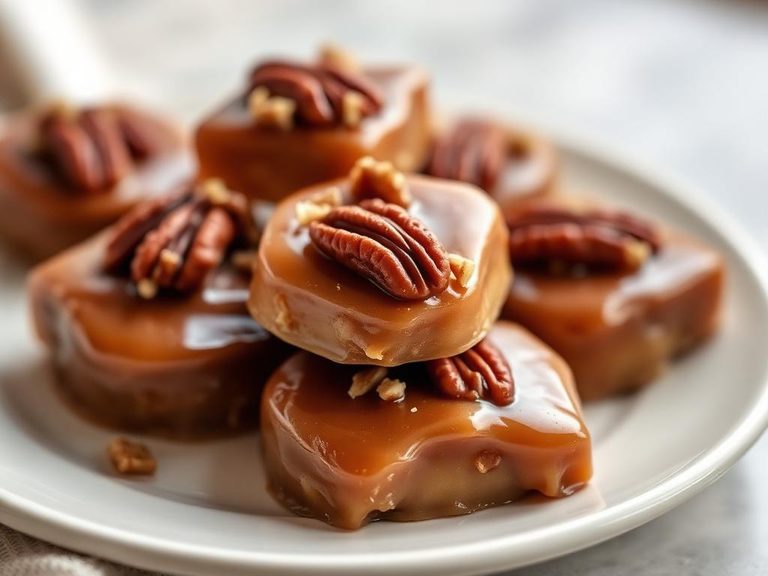

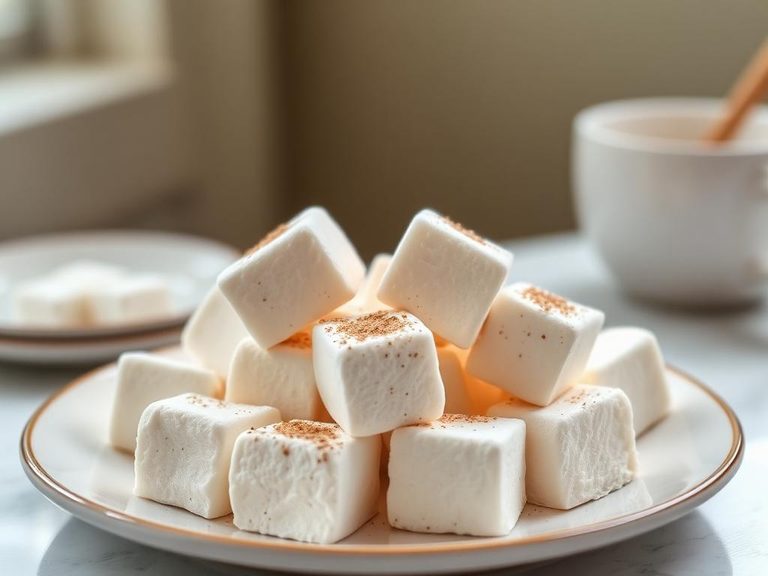
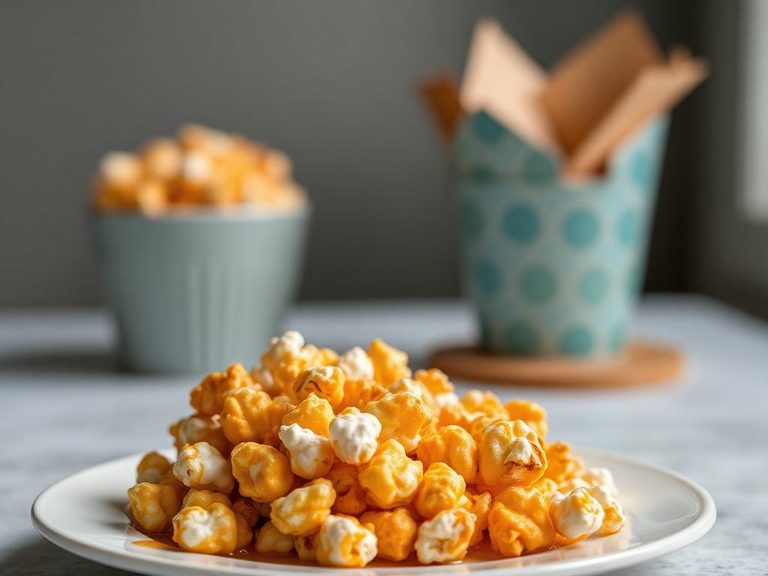
🌍 Where it's eaten
💡 Did you know?
Despite its name, 'light' refers to its color and flavor being milder than dark corn syrup, not to a lower calorie or sugar content.
Full nutrition (USDA data · scales with serving)
| Water | 22.8 g |
| Energy | 283 kcal |
| Energy | 1182 kj |
| Protein | 0.00 g |
| Total lipid (fat) | 0.20 g |
| Ash | 0.20 g |
| Carbohydrate, by difference | 76.8 g |
| Fiber, total dietary | 0.00 g |
| Total Sugars | 76.8 g |
| Calcium, Ca | 13.0 mg |
| Iron, Fe | 0.00 mg |
| Magnesium, Mg | 1.0 mg |
| Phosphorus, P | 0.00 mg |
| Potassium, K | 1.0 mg |
| Sodium, Na | 62.0 mg |
| Zinc, Zn | 0.44 mg |
| Copper, Cu | 0.00 mg |
| Manganese, Mn | 0.00 mg |
| Selenium, Se | 0.70 ug |
| Vitamin C, total ascorbic acid | 0.00 mg |
| Thiamin | 0.06 mg |
| Riboflavin | 0.00 mg |
| Niacin | 0.00 mg |
| Pantothenic acid | 0.00 mg |
| Vitamin B-6 | 0.00 mg |
| Folate, total | 0.00 ug |
| Folic acid | 0.00 ug |
| Folate, food | 0.00 ug |
| Folate, DFE | 0.00 ug |
| Choline, total | 0.00 mg |
| Vitamin B-12 | 0.00 ug |
| Vitamin B-12, added | 0.00 ug |
| Vitamin A, RAE | 0.00 ug |
| Retinol | 0.00 ug |
| Carotene, beta | 0.00 ug |
| Carotene, alpha | 0.00 ug |
| Cryptoxanthin, beta | 0.00 ug |
| Vitamin A, IU | 0.00 iu |
| Lycopene | 0.00 ug |
| Lutein + zeaxanthin | 0.00 ug |
| Vitamin E (alpha-tocopherol) | 0.00 mg |
| Vitamin E, added | 0.00 mg |
| Vitamin D (D2 + D3), International Units | 0.00 iu |
| Vitamin D (D2 + D3) | 0.00 ug |
| Vitamin K (phylloquinone) | 0.00 ug |
| Alcohol, ethyl | 0.00 g |
| Caffeine | 0.00 mg |
| Theobromine | 0.00 mg |
Fat & fatty acid profile (per 100g)
| Fatty acids, total saturated | 0.00 g |
| SFA 4:0 | 0.00 g |
| SFA 6:0 | 0.00 g |
| SFA 8:0 | 0.00 g |
| SFA 10:0 | 0.00 g |
| SFA 12:0 | 0.00 g |
| SFA 14:0 | 0.00 g |
| SFA 16:0 | 0.00 g |
| SFA 18:0 | 0.00 g |
| Fatty acids, total monounsaturated | 0.00 g |
| MUFA 16:1 | 0.00 g |
| MUFA 18:1 | 0.00 g |
| MUFA 20:1 | 0.00 g |
| MUFA 22:1 | 0.00 g |
| Fatty acids, total polyunsaturated | 0.00 g |
| PUFA 18:2 | 0.00 g |
| PUFA 18:3 | 0.00 g |
| PUFA 18:4 | 0.00 g |
| PUFA 20:4 | 0.00 g |
| PUFA 20:5 n-3 (EPA) | 0.00 g |
| PUFA 22:5 n-3 (DPA) | 0.00 g |
| PUFA 22:6 n-3 (DHA) | 0.00 g |
| Cholesterol | 0.00 mg |
Amino acid profile (per 100g)
Estimated from Syrups, malt — USDA does not publish this profile for Syrups.
| Tryptophan | 0.07 g |
| Threonine | 0.21 g |
| Isoleucine | 0.21 g |
| Leucine | 0.38 g |
| Lysine | 0.27 g |
| Methionine | 0.11 g |
| Cystine | 0.07 g |
| Phenylalanine | 0.26 g |
| Tyrosine | 0.17 g |
| Valine | 0.30 g |
| Arginine | 0.28 g |
| Histidine | 0.13 g |
| Alanine | 0.27 g |
| Aspartic acid | 0.56 g |
| Glutamic acid | 1.0 g |
| Glycine | 0.25 g |
| Proline | 0.46 g |
| Serine | 0.23 g |
FAQ
What is the difference between light corn syrup and dark corn syrup?
Light corn syrup is clear with a mild, neutral sweetness, while dark corn syrup has a more robust, caramel-like flavor and darker color due to the addition of molasses or refiners' syrup.
Can I substitute honey or maple syrup for corn syrup in recipes?
You can often substitute them 1:1 by volume for similar sweetness, but they have stronger flavors and different moisture contents, which may alter the taste, texture, and browning of the final product.
Is light corn syrup the same as high-fructose corn syrup (HFCS)?
No. Light corn syrup is primarily glucose, while HFCS has a portion of its glucose converted to fructose, making it sweeter. They are used in different applications.
Nutrient density (calculated · NRF9.3)
Nutrient Rich Foods index: beneficial nutrients (protein, fiber, vitamins, minerals) minus saturated fat, added sugar & sodium, per 100 kcal.
NRF9.3 index — Fulgoni, Keast & Drewnowski, 2009. Computed from USDA nutrients.
Weight-loss friendliness (composite index)
Energy density 2.83 kcal/g · 0% calories from protein · 0.0 g fiber · 76.8 g sugar per 100 g.
Composite of energy density (Rolls et al., 1999), protein & fiber satiety, minus sugar. A calculated heuristic — ranks satiety-per-calorie, not a clinical measure.
Dietary load (calculated from USDA values)
Potential renal acid load. Positive = acid-forming, negative = alkaline-forming.
Sodium-to-potassium ratio: 62.00 (lower is better — aim for ≤ 1)
Sodium:potassium per WHO potassium guidance. Computed from USDA nutrients.