

Syrup, fruit flavored
Whole food · Sweets
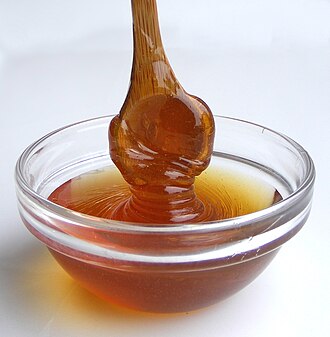
Photo: Wikipedia
Fruit-flavored syrup is a viscous, brightly colored liquid sweetener, typically made from sugar, water, and artificial or natural flavorings. It offers an intense burst of sweet, often tangy or berry-like flavor with a smooth, pourable texture. Nutritionally, it is almost pure carbohydrate, providing a quick source of energy with no protein, fat, or fiber.
Calorie split: 0% protein · 100% carbs · 0% fat
↓ Full nutrition💚 Why it's loved
People love it for its ability to instantly transform plain pancakes, waffles, or ice cream into a vibrant, sweet treat. Its versatility in drinks—from sodas to cocktails—and its nostalgic association with childhood favorites make it a beloved pantry staple.
⚠️ Watch-outs & how to enjoy it better
The primary downside is its extremely high sugar content, which can contribute to blood-sugar spikes and is a concern for those managing diabetes or calorie intake. To counteract this, practice strict portion control and always pair it with a source of protein or fat (like nuts or yogurt) to slow sugar absorption. Additionally, be mindful of artificial additives in some brands; opt for versions with natural flavorings if possible.
Key benefits
- Provides a quick source of energy from carbohydrates.
- Enhances the flavor and visual appeal of beverages and desserts.
- Offers a long shelf life and is convenient for storage.
- Available in a wide variety of fruit flavors for diverse culinary uses.
🍽️ Popular dishes


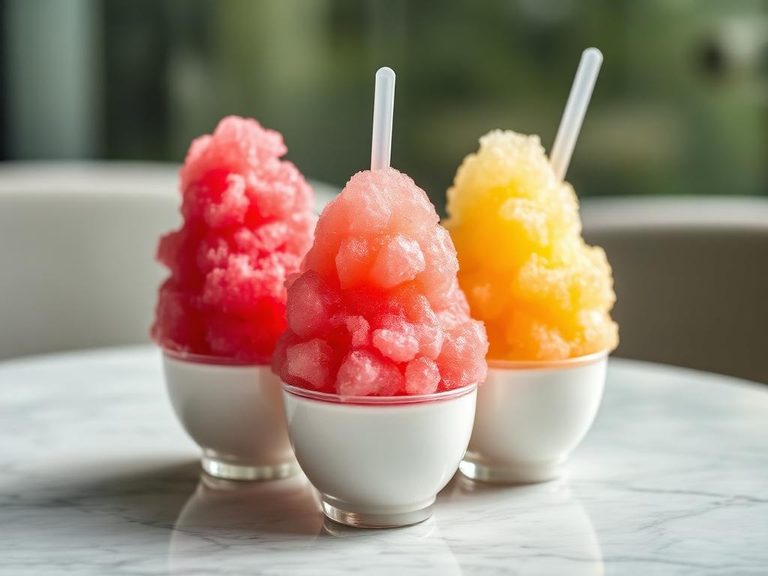
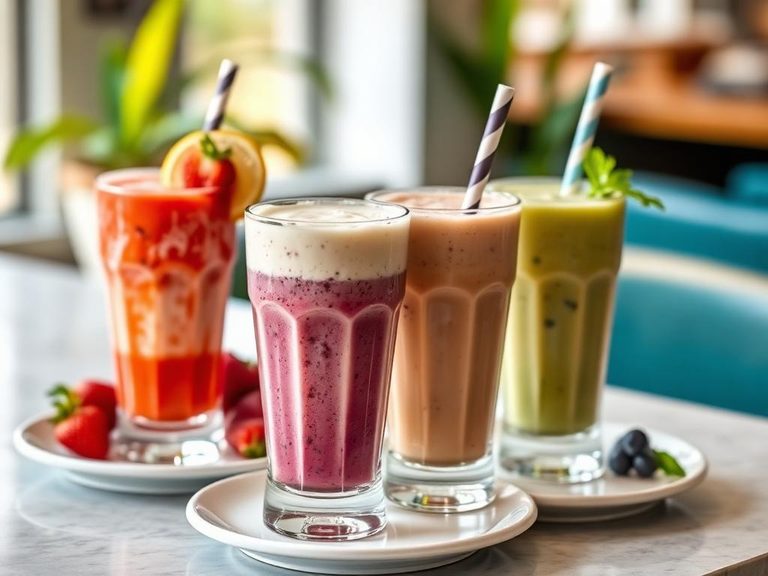

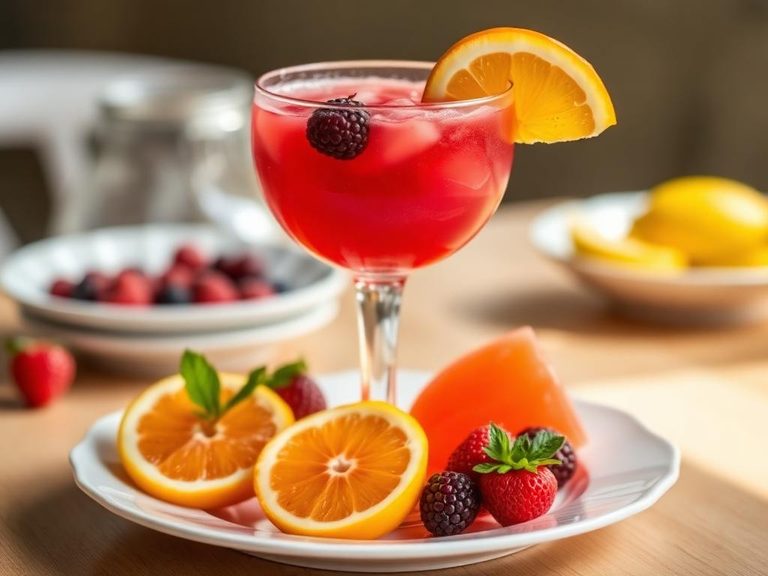
🌍 Where it's eaten
💡 Did you know?
The vibrant, unnatural colors of many fruit syrups, like electric blue raspberry or neon pink, were originally developed in the early 20th century using coal-tar dyes to make them stand out on store shelves and appeal to children.
Full nutrition (USDA data · scales with serving)
| Water | 34.8 g |
| Energy | 261 kcal |
| Energy | 1090 kj |
| Protein | 0.00 g |
| Total lipid (fat) | 0.02 g |
| Ash | 0.06 g |
| Carbohydrate, by difference | 65.1 g |
| Fiber, total dietary | 0.00 g |
| Total Sugars | 65.0 g |
| Calcium, Ca | 0.00 mg |
| Iron, Fe | 0.03 mg |
| Magnesium, Mg | 1.0 mg |
| Phosphorus, P | 0.00 mg |
| Potassium, K | 1.0 mg |
| Sodium, Na | 0.00 mg |
| Zinc, Zn | 0.06 mg |
| Copper, Cu | 0.01 mg |
| Manganese, Mn | 0.00 mg |
| Selenium, Se | 0.40 ug |
| Vitamin C, total ascorbic acid | 0.00 mg |
| Thiamin | 0.01 mg |
| Riboflavin | 0.01 mg |
| Niacin | 0.00 mg |
| Pantothenic acid | 0.00 mg |
| Vitamin B-6 | 0.00 mg |
| Folate, total | 0.00 ug |
| Folic acid | 0.00 ug |
| Folate, food | 0.00 ug |
| Folate, DFE | 0.00 ug |
| Choline, total | 0.00 mg |
| Vitamin B-12 | 0.00 ug |
| Vitamin B-12, added | 0.00 ug |
| Vitamin A, RAE | 0.00 ug |
| Retinol | 0.00 ug |
| Carotene, beta | 0.00 ug |
| Carotene, alpha | 0.00 ug |
| Cryptoxanthin, beta | 0.00 ug |
| Vitamin A, IU | 0.00 iu |
| Lycopene | 0.00 ug |
| Lutein + zeaxanthin | 0.00 ug |
| Vitamin E (alpha-tocopherol) | 0.00 mg |
| Vitamin E, added | 0.00 mg |
| Vitamin D (D2 + D3), International Units | 0.00 iu |
| Vitamin D (D2 + D3) | 0.00 ug |
| Vitamin K (phylloquinone) | 0.00 ug |
| Alcohol, ethyl | 0.00 g |
| Caffeine | 0.00 mg |
| Theobromine | 0.00 mg |
Fat & fatty acid profile (per 100g)
| Fatty acids, total saturated | 0.00 g |
| SFA 4:0 | 0.00 g |
| SFA 6:0 | 0.00 g |
| SFA 8:0 | 0.00 g |
| SFA 10:0 | 0.00 g |
| SFA 12:0 | 0.00 g |
| SFA 14:0 | 0.00 g |
| SFA 16:0 | 0.00 g |
| SFA 18:0 | 0.00 g |
| Fatty acids, total monounsaturated | 0.00 g |
| MUFA 16:1 | 0.00 g |
| MUFA 18:1 | 0.00 g |
| MUFA 20:1 | 0.00 g |
| MUFA 22:1 | 0.00 g |
| Fatty acids, total polyunsaturated | 0.00 g |
| PUFA 18:2 | 0.00 g |
| PUFA 18:3 | 0.00 g |
| PUFA 18:4 | 0.00 g |
| PUFA 20:4 | 0.00 g |
| PUFA 20:5 n-3 (EPA) | 0.00 g |
| PUFA 22:5 n-3 (DPA) | 0.00 g |
| PUFA 22:6 n-3 (DHA) | 0.00 g |
| Cholesterol | 0.00 mg |
Amino acid profile (per 100g)
Estimated from Fruit syrup — USDA does not publish this profile for Syrup.
| Tryptophan | 0.00 g |
| Threonine | 0.00 g |
| Isoleucine | 0.00 g |
| Leucine | 0.00 g |
| Lysine | 0.00 g |
| Methionine | 0.00 g |
| Cystine | 0.00 g |
| Phenylalanine | 0.00 g |
| Tyrosine | 0.00 g |
| Valine | 0.00 g |
| Arginine | 0.00 g |
| Histidine | 0.00 g |
| Alanine | 0.00 g |
| Aspartic acid | 0.00 g |
| Glutamic acid | 0.00 g |
| Glycine | 0.00 g |
| Proline | 0.00 g |
| Serine | 0.00 g |
FAQ
Is fruit-flavored syrup the same as fruit juice?
No. Syrup is primarily sugar and flavorings, while fruit juice is extracted from fruit and contains vitamins, minerals, and some fiber, though it is also high in sugar.
Can I use fruit syrup in baking?
Yes, it can add moisture and flavor to cakes, muffins, or glazes, but you may need to reduce other sugars in the recipe to avoid over-sweetening.
How should I store fruit-flavored syrup?
Once opened, most syrups should be refrigerated to maintain freshness and prevent mold growth, though some high-sugar versions are shelf-stable.
Nutrient density (calculated · NRF9.3)
Nutrient Rich Foods index: beneficial nutrients (protein, fiber, vitamins, minerals) minus saturated fat, added sugar & sodium, per 100 kcal.
NRF9.3 index — Fulgoni, Keast & Drewnowski, 2009. Computed from USDA nutrients.
Weight-loss friendliness (composite index)
Energy density 2.61 kcal/g · 0% calories from protein · 0.0 g fiber · 65.0 g sugar per 100 g.
Composite of energy density (Rolls et al., 1999), protein & fiber satiety, minus sugar. A calculated heuristic — ranks satiety-per-calorie, not a clinical measure.
Dietary load (calculated from USDA values)
Potential renal acid load. Positive = acid-forming, negative = alkaline-forming.
Sodium-to-potassium ratio: 0.00 (lower is better — aim for ≤ 1)
Sodium:potassium per WHO potassium guidance. Computed from USDA nutrients.