

Soybean, curd cheese
Whole food · Legumes and Legume Products

Photo: Wikipedia
Soybean curd cheese, often called tofu or bean curd, is a soft, custard-like food made from condensed soy milk pressed into solid white blocks. Its texture ranges from silky-smooth to firm and chewy, with a mild, subtly nutty flavor that readily absorbs seasonings and sauces. Nutritionally, it's a standout plant-based protein source, packing over 12 grams of protein per 100 grams with a complete amino acid profile.
Calorie split: 33% protein · 18% carbs · 48% fat
↓ Full nutrition💚 Why it's loved
People love it for its incredible culinary chameleon-like ability to take on the flavors of marinades, spices, and sauces while providing a satisfying, protein-rich texture. It's a cornerstone of many Asian cuisines, valued for its simplicity, affordability, and role in creating hearty, meat-free meals.
⚠️ Watch-outs & how to enjoy it better
Some may find its plain taste bland or its texture unappealing if not prepared well. It is a common soy allergen, and individuals with soy sensitivities must avoid it. To enhance flavor and texture, marinate it before cooking, press firm varieties to remove excess water, or choose smoked or seasoned versions from the store.
Key benefits
- Excellent source of complete plant-based protein
- Low in calories and saturated fat
- Contains all essential amino acids
- Good source of minerals like calcium and manganese
- Versatile base for both savory and sweet dishes
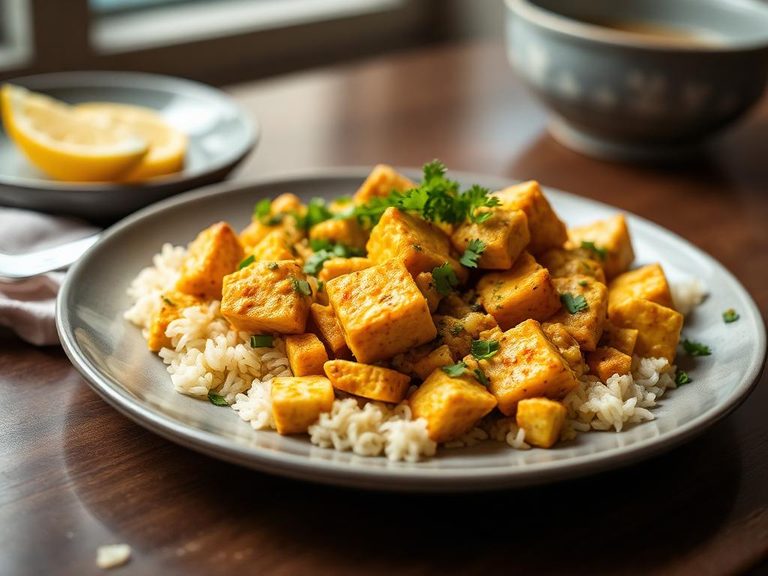
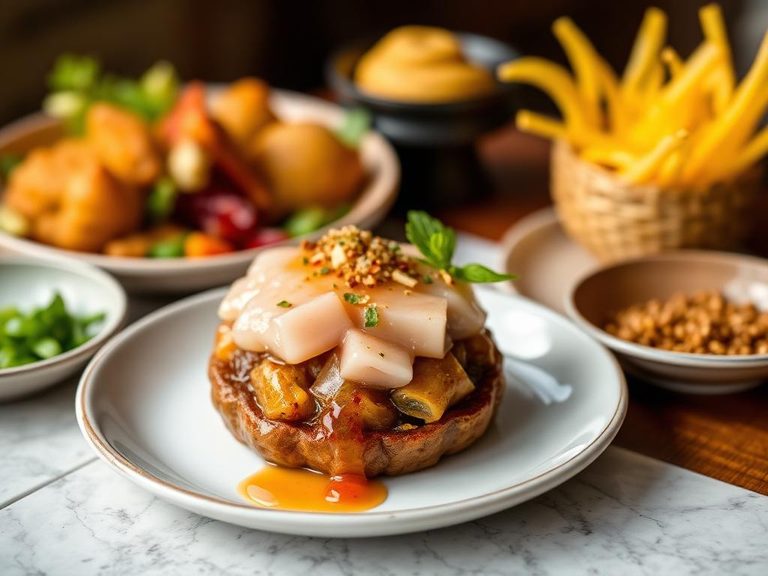
🍽️ Popular dishes
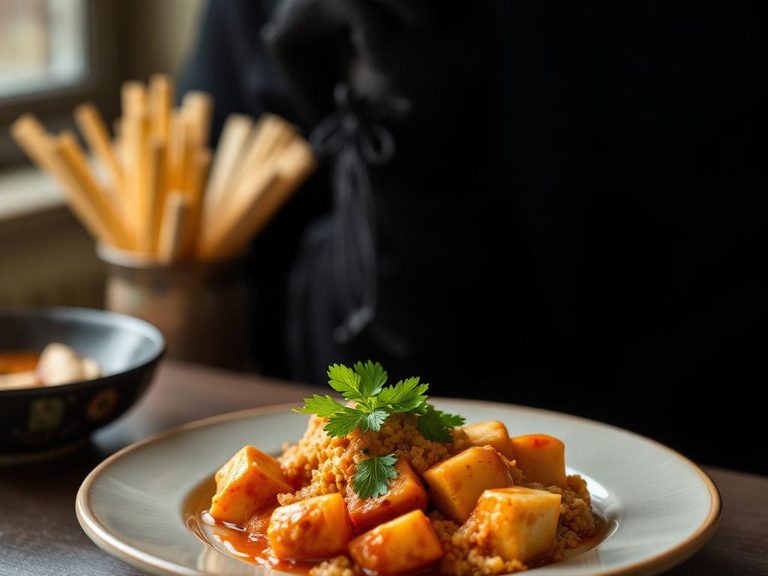
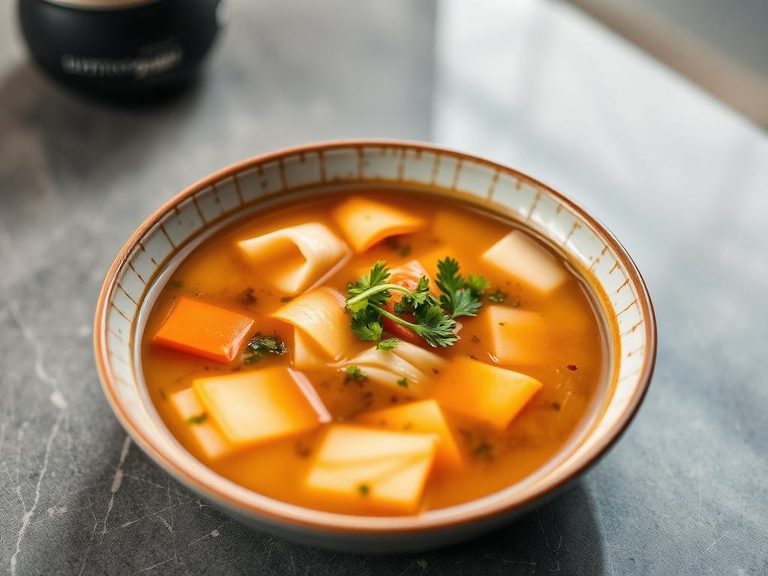
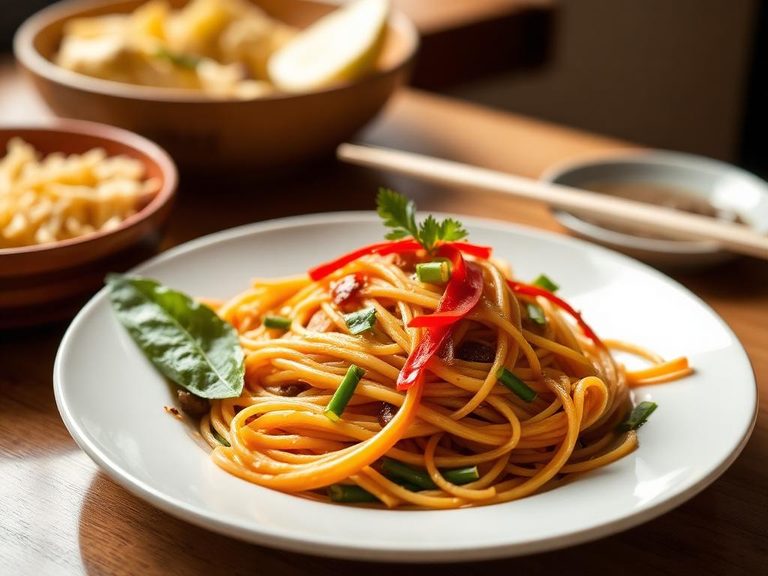
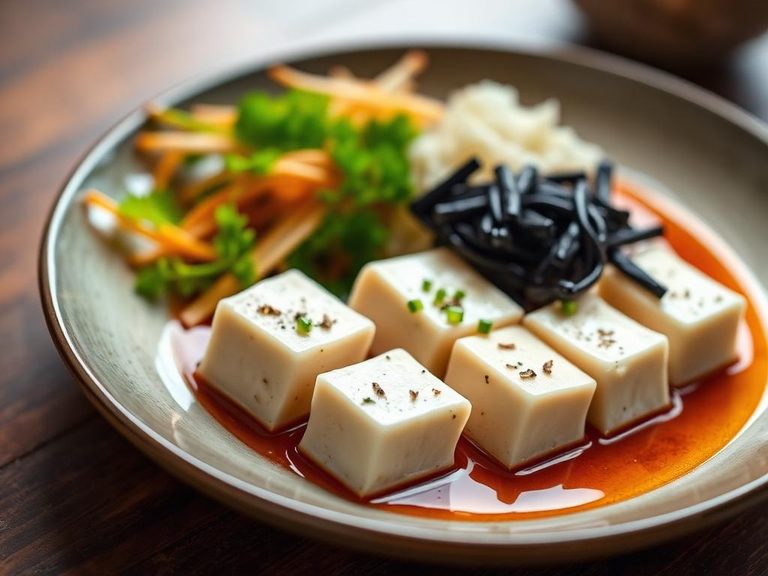
🌍 Where it's eaten
💡 Did you know?
Tofu was likely invented in China over 2,000 years ago, and a popular legend credits its discovery to a prince who accidentally curdled soy milk with nigari, a natural mineral salt from seawater.
Full nutrition (USDA data · scales with serving)
| Water | 70.9 g |
| Energy | 151 kcal |
| Energy | 630 kj |
| Protein | 12.5 g |
| Total lipid (fat) | 8.1 g |
| Ash | 1.6 g |
| Carbohydrate, by difference | 6.9 g |
| Fiber, total dietary | 0.00 g |
| Total Sugars | 1.6 g |
| Calcium, Ca | 188 mg |
| Iron, Fe | 5.6 mg |
| Magnesium, Mg | 228 mg |
| Phosphorus, P | 222 mg |
| Potassium, K | 199 mg |
| Sodium, Na | 20.0 mg |
| Zinc, Zn | 1.7 mg |
| Copper, Cu | 0.38 mg |
| Manganese, Mn | 0.89 mg |
| Selenium, Se | 16.8 ug |
| Vitamin C, total ascorbic acid | 0.00 mg |
| Thiamin | 0.00 mg |
| Riboflavin | 0.14 mg |
| Niacin | 0.50 mg |
| Pantothenic acid | 0.12 mg |
| Vitamin B-6 | 0.07 mg |
| Folate, total | 22.0 ug |
| Folic acid | 0.00 ug |
| Folate, food | 22.0 ug |
| Folate, DFE | 22.0 ug |
| Choline, total | 62.5 mg |
| Vitamin B-12 | 0.00 ug |
| Vitamin B-12, added | 0.00 ug |
| Vitamin A, RAE | 2.0 ug |
| Retinol | 0.00 ug |
| Carotene, beta | 25.0 ug |
| Carotene, alpha | 0.00 ug |
| Cryptoxanthin, beta | 0.00 ug |
| Vitamin A, IU | 42.0 iu |
| Lycopene | 0.00 ug |
| Lutein + zeaxanthin | 0.00 ug |
| Vitamin E (alpha-tocopherol) | 0.60 mg |
| Vitamin E, added | 0.00 mg |
| Vitamin D (D2 + D3), International Units | 0.00 iu |
| Vitamin D (D2 + D3) | 0.00 ug |
| Vitamin K (phylloquinone) | 4.6 ug |
| Alcohol, ethyl | 0.00 g |
| Caffeine | 0.00 mg |
| Theobromine | 0.00 mg |
Fat & fatty acid profile (per 100g)
| Fatty acids, total saturated | 1.2 g |
| SFA 4:0 | 0.00 g |
| SFA 6:0 | 0.00 g |
| SFA 8:0 | 0.00 g |
| SFA 10:0 | 0.00 g |
| SFA 12:0 | 0.00 g |
| SFA 14:0 | 0.02 g |
| SFA 16:0 | 0.86 g |
| SFA 18:0 | 0.29 g |
| Fatty acids, total monounsaturated | 1.8 g |
| MUFA 16:1 | 0.02 g |
| MUFA 18:1 | 1.8 g |
| MUFA 20:1 | 0.00 g |
| MUFA 22:1 | 0.00 g |
| Fatty acids, total polyunsaturated | 4.6 g |
| PUFA 18:2 | 4.0 g |
| PUFA 18:3 | 0.54 g |
| PUFA 18:4 | 0.00 g |
| PUFA 20:4 | 0.00 g |
| PUFA 20:5 n-3 (EPA) | 0.00 g |
| PUFA 22:5 n-3 (DPA) | 0.00 g |
| PUFA 22:6 n-3 (DHA) | 0.00 g |
| Fatty acids, total trans | 0.00 g |
| Cholesterol | 0.00 mg |
Amino acid profile (per 100g)
Estimated from Soybeans, mature seeds, roasted, no salt added — USDA does not publish this profile for Soybean.
| Tryptophan | 0.51 g |
| Threonine | 1.5 g |
| Isoleucine | 1.7 g |
| Leucine | 2.9 g |
| Lysine | 2.3 g |
| Methionine | 0.47 g |
| Cystine | 0.57 g |
| Phenylalanine | 1.8 g |
| Tyrosine | 1.3 g |
| Valine | 1.8 g |
| Arginine | 2.7 g |
| Histidine | 0.95 g |
| Alanine | 1.7 g |
| Aspartic acid | 4.4 g |
| Glutamic acid | 6.8 g |
| Glycine | 1.6 g |
| Proline | 2.1 g |
| Serine | 2.0 g |
FAQ
What is the difference between silken and firm tofu?
Silken tofu is soft and custard-like, blended into smoothies, dressings, or desserts. Firm tofu is pressed, holds its shape when cooked, and is ideal for frying, baking, or crumbling into dishes.
Does tofu need to be cooked?
No, tofu is safe to eat raw, but cooking improves its texture and flavor. Pressing and pan-frying, baking, or marinating are popular methods to enhance its taste and mouthfeel.
Is tofu a good source of protein for vegetarians?
Yes, tofu is an excellent source of complete protein, meaning it contains all nine essential amino acids. It's a staple in vegetarian and vegan diets for this reason.
Nutrient density (calculated · NRF9.3)
Nutrient Rich Foods index: beneficial nutrients (protein, fiber, vitamins, minerals) minus saturated fat, added sugar & sodium, per 100 kcal.
NRF9.3 index — Fulgoni, Keast & Drewnowski, 2009. Computed from USDA nutrients.
Weight-loss friendliness (composite index)
Energy density 1.51 kcal/g · 33% calories from protein · 0.0 g fiber · 1.6 g sugar per 100 g.
Composite of energy density (Rolls et al., 1999), protein & fiber satiety, minus sugar. A calculated heuristic — ranks satiety-per-calorie, not a clinical measure.
Dietary load (calculated from USDA values)
Potential renal acid load. Positive = acid-forming, negative = alkaline-forming.
Sodium-to-potassium ratio: 0.10 (lower is better — aim for ≤ 1)
Sodium:potassium per WHO potassium guidance. Computed from USDA nutrients.