

Soy protein isolate, potassium type
Whole food · Legumes and Legume Products

Photo: Wikipedia
Soy protein isolate, potassium type, is a highly refined, plant-based protein powder made from defatted soybeans, resulting in a fine, neutral-tasting powder with a smooth texture when mixed. It is a nutritional powerhouse, packing an impressive 88.32g of protein per 100g while being virtually fat-free and very low in carbohydrates. This specific potassium type is often chosen for its mineral profile, making it a popular ingredient in protein supplements and sports nutrition products.
Calorie split: 96% protein · 3% carbs · 1% fat
↓ Full nutrition💚 Why it's loved
People love it for its incredible versatility and neutral flavor, which allows it to be seamlessly blended into smoothies, baked goods, and savory dishes without altering the taste profile. Its clean, high-protein nutritional label is a major draw for fitness enthusiasts and those managing their macronutrient intake.
⚠️ Watch-outs & how to enjoy it better
Some may find the texture slightly chalky or gritty if not mixed thoroughly, and it can cause digestive discomfort like bloating in sensitive individuals if consumed in large amounts. As a common allergen, soy is not suitable for everyone. To counteract potential issues, start with a small portion to assess tolerance, blend it thoroughly with liquid, and pair it with fiber-rich foods like fruits or vegetables to aid digestion.
Key benefits
- Excellent source of complete plant-based protein
- Very low in fat and carbohydrates
- Typically cholesterol-free and low in saturated fat
- Can support muscle repair and satiety due to high protein content
- Often used as a hypoallergenic protein source for those avoiding dairy or gluten
🍽️ Popular dishes
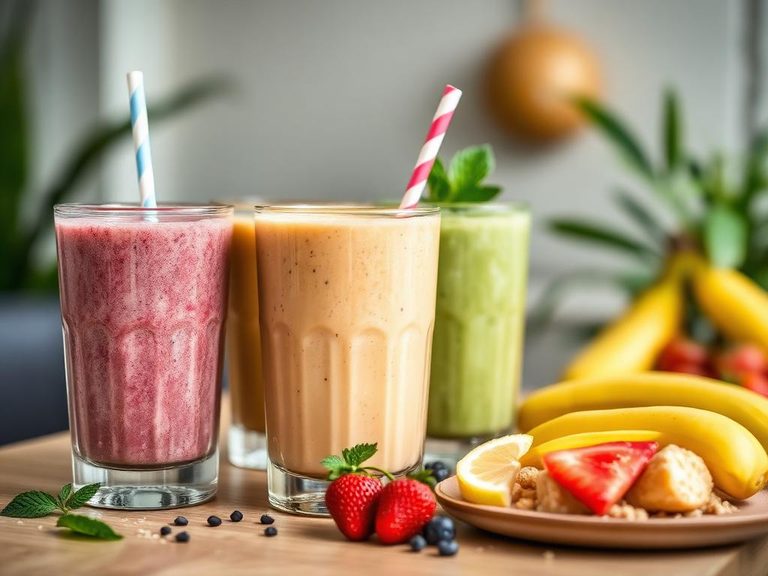
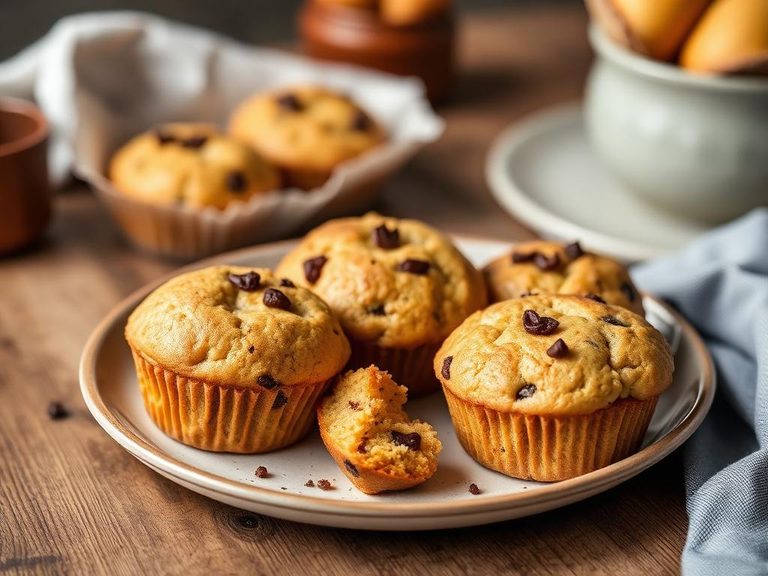
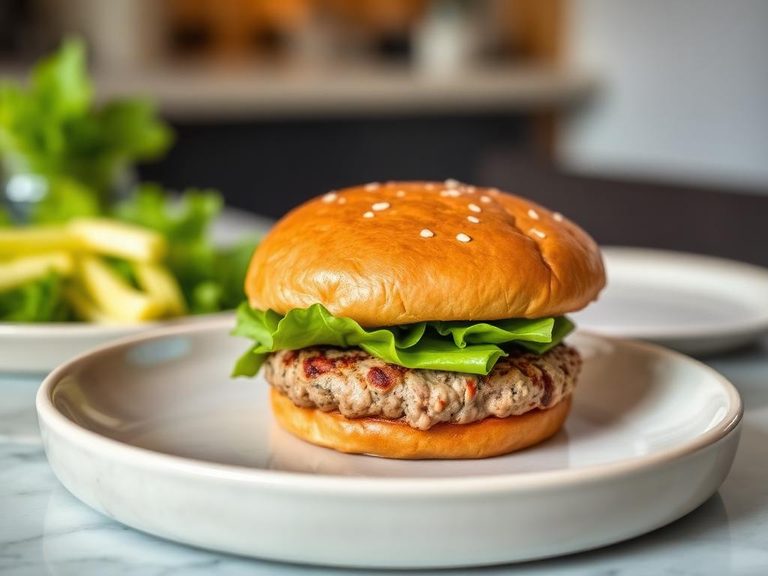
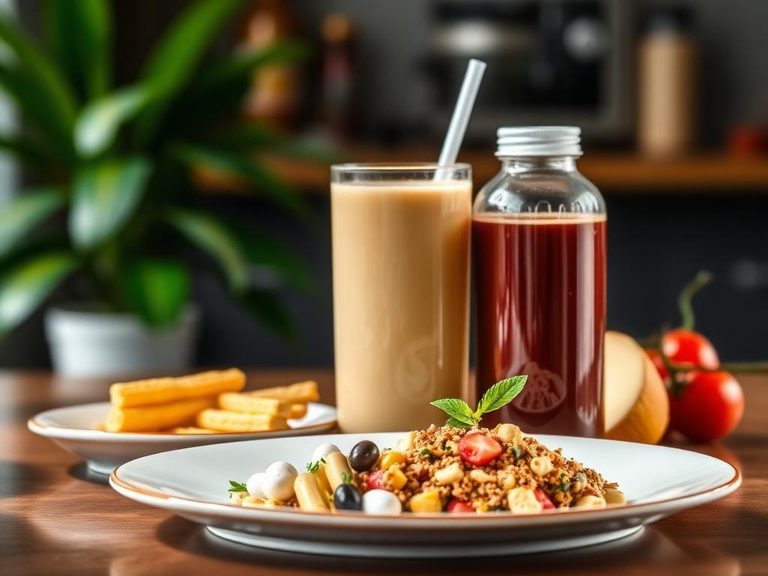
🌍 Where it's eaten
💡 Did you know?
The 'potassium type' designation often means it's processed to have a higher potassium content, which can be beneficial for electrolyte balance but also means it may not be suitable for individuals on potassium-restricted diets.
Full nutrition (USDA data · scales with serving)
| Water | 5.0 g |
| Energy | 321 kcal |
| Energy | 1345 kj |
| Protein | 88.3 g |
| Total lipid (fat) | 0.53 g |
| Ash | 3.6 g |
| Carbohydrate, by difference | 2.6 g |
| Fiber, total dietary | 0.00 g |
| Total Sugars | 0.00 g |
| Calcium, Ca | 178 mg |
| Iron, Fe | 14.5 mg |
| Magnesium, Mg | 39.0 mg |
| Phosphorus, P | 776 mg |
| Potassium, K | 1590 mg |
| Sodium, Na | 50.0 mg |
| Zinc, Zn | 4.0 mg |
| Copper, Cu | 1.6 mg |
| Manganese, Mn | 1.5 mg |
| Selenium, Se | 0.80 ug |
| Vitamin C, total ascorbic acid | 0.00 mg |
| Thiamin | 0.18 mg |
| Riboflavin | 0.10 mg |
| Niacin | 1.4 mg |
| Pantothenic acid | 0.06 mg |
| Vitamin B-6 | 0.10 mg |
| Folate, total | 176 ug |
| Folic acid | 0.00 ug |
| Folate, food | 176 ug |
| Folate, DFE | 176 ug |
| Choline, total | 191 mg |
| Vitamin B-12 | 0.00 ug |
| Vitamin B-12, added | 0.00 ug |
| Vitamin A, RAE | 0.00 ug |
| Retinol | 0.00 ug |
| Carotene, beta | 0.00 ug |
| Carotene, alpha | 0.00 ug |
| Cryptoxanthin, beta | 0.00 ug |
| Vitamin A, IU | 0.00 iu |
| Lycopene | 0.00 ug |
| Lutein + zeaxanthin | 0.00 ug |
| Vitamin E (alpha-tocopherol) | 0.00 mg |
| Vitamin E, added | 0.00 mg |
| Vitamin D (D2 + D3), International Units | 0.00 iu |
| Vitamin D (D2 + D3) | 0.00 ug |
| Vitamin K (phylloquinone) | 0.00 ug |
| Alcohol, ethyl | 0.00 g |
| Caffeine | 0.00 mg |
| Theobromine | 0.00 mg |
Fat & fatty acid profile (per 100g)
| Fatty acids, total saturated | 0.08 g |
| SFA 4:0 | 0.00 g |
| SFA 6:0 | 0.00 g |
| SFA 8:0 | 0.00 g |
| SFA 10:0 | 0.00 g |
| SFA 12:0 | 0.00 g |
| SFA 14:0 | 0.00 g |
| SFA 16:0 | 0.06 g |
| SFA 18:0 | 0.02 g |
| Fatty acids, total monounsaturated | 0.12 g |
| MUFA 16:1 | 0.00 g |
| MUFA 18:1 | 0.12 g |
| MUFA 20:1 | 0.00 g |
| MUFA 22:1 | 0.00 g |
| Fatty acids, total polyunsaturated | 0.30 g |
| PUFA 18:2 | 0.26 g |
| PUFA 18:3 | 0.04 g |
| PUFA 18:4 | 0.00 g |
| PUFA 20:4 | 0.00 g |
| PUFA 20:5 n-3 (EPA) | 0.00 g |
| PUFA 22:5 n-3 (DPA) | 0.00 g |
| PUFA 22:6 n-3 (DHA) | 0.00 g |
| Fatty acids, total trans | 0.00 g |
| Cholesterol | 0.00 mg |
Amino acid profile (per 100g)
| Tryptophan | 1.1 g |
| Threonine | 3.1 g |
| Isoleucine | 4.3 g |
| Leucine | 6.8 g |
| Lysine | 5.3 g |
| Methionine | 1.1 g |
| Cystine | 1.0 g |
| Phenylalanine | 4.6 g |
| Tyrosine | 3.2 g |
| Valine | 4.1 g |
| Arginine | 6.7 g |
| Histidine | 2.3 g |
| Alanine | 3.6 g |
| Aspartic acid | 10.2 g |
| Glutamic acid | 17.5 g |
| Glycine | 3.6 g |
| Proline | 5.0 g |
| Serine | 4.6 g |
FAQ
What is the difference between soy protein isolate and concentrate?
Soy protein isolate is more refined, containing at least 90% protein with most of the carbohydrates and fats removed, while concentrate typically has 70-80% protein and retains more of the soybean's natural nutrients and fiber.
Is soy protein isolate safe for daily consumption?
For most healthy adults, it is generally considered safe as part of a balanced diet. However, as with any food, moderation is key, and individuals with soy allergies or specific health conditions should consult a healthcare provider.
Does the high heat processing destroy nutrients?
The isolation process involves heat, which can reduce some naturally occurring vitamins and antioxidants in the soybean. However, the final product is intentionally fortified to be a rich source of protein, which remains stable through processing.
Nutrient density (calculated · NRF9.3)
Nutrient Rich Foods index: beneficial nutrients (protein, fiber, vitamins, minerals) minus saturated fat, added sugar & sodium, per 100 kcal.
NRF9.3 index — Fulgoni, Keast & Drewnowski, 2009. Computed from USDA nutrients.
Weight-loss friendliness (composite index)
Energy density 3.21 kcal/g · 110% calories from protein · 0.0 g fiber · 0.0 g sugar per 100 g.
Composite of energy density (Rolls et al., 1999), protein & fiber satiety, minus sugar. A calculated heuristic — ranks satiety-per-calorie, not a clinical measure.
Dietary load (calculated from USDA values)
Potential renal acid load. Positive = acid-forming, negative = alkaline-forming.
Sodium-to-potassium ratio: 0.03 (lower is better — aim for ≤ 1)
Sodium:potassium per WHO potassium guidance. Computed from USDA nutrients.