

Sour dressing, non-butterfat, cultured, filled cream-type
Whole food · Dairy and Egg Products

Photo: Wikipedia
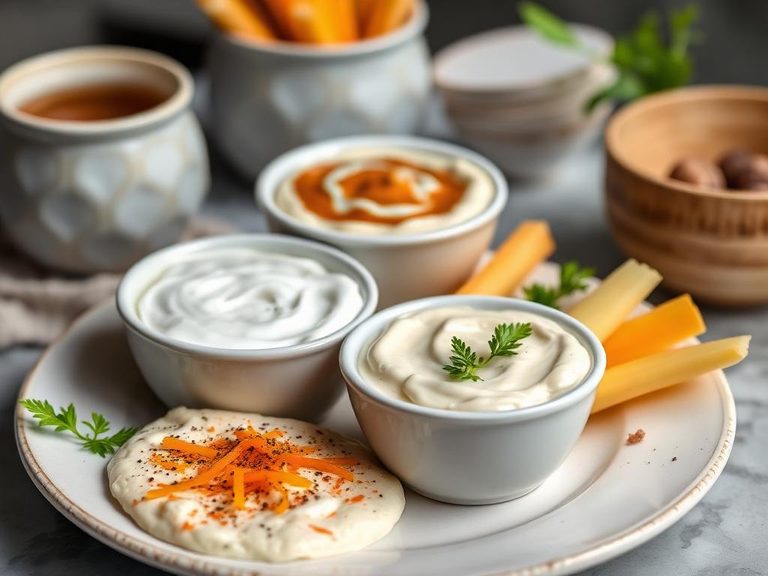
This is a tangy, cultured cream product made from non-butterfat ingredients, offering a rich, smooth texture with a pronounced sour flavor. It's essentially a filled cream-type sour dressing, similar to sour cream but made with vegetable oils instead of dairy fat. With 16.57g of fat per 100g, it's a high-fat condiment that provides a creamy mouthfeel without any dietary fiber.
Calorie split: 7% protein · 10% carbs · 82% fat
↓ Full nutrition💚 Why it's loved
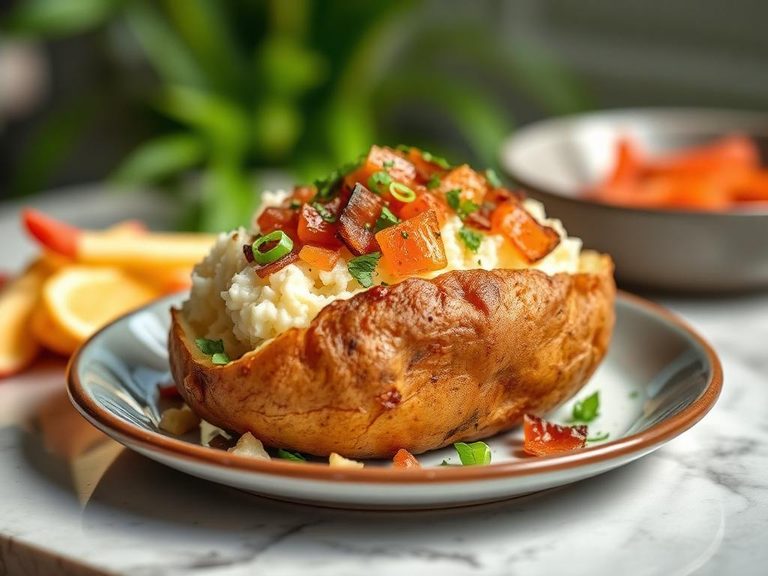
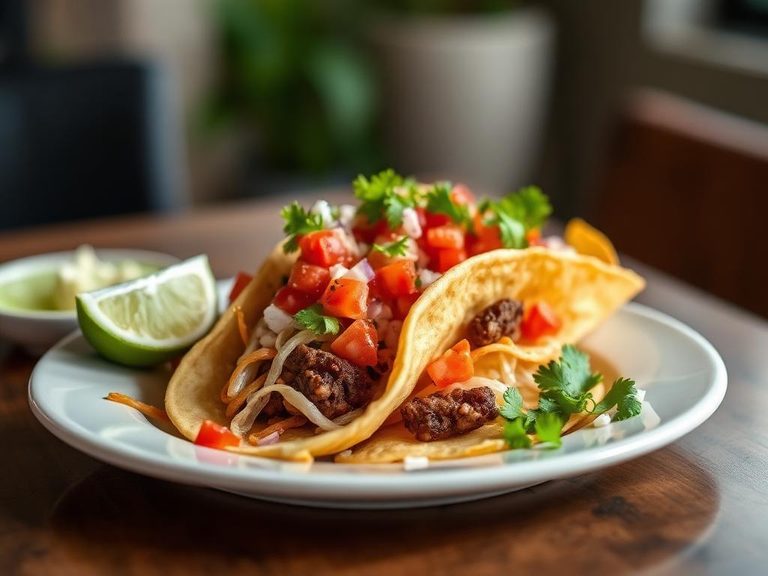
People love it for its rich, tangy flavor that adds depth and creaminess to everything from baked potatoes to tacos. Its versatility as a dairy-free substitute makes it a staple in many kitchens for adding a cool, sour contrast to spicy or savory dishes.
⚠️ Watch-outs & how to enjoy it better
The high fat content (16.57g per 100g) and lack of fiber mean it's calorie-dense and can contribute to blood sugar spikes if consumed in large amounts, especially when paired with high-carb foods. To counteract this, use it in moderation as a topping rather than a main ingredient, and pair it with protein-rich foods like grilled chicken or beans to balance the meal.
Key benefits
- Provides a creamy texture and tangy flavor to dishes
- Offers a dairy-free alternative for those avoiding butterfat
- Contains a small amount of protein (3.25g per 100g)
- Can add richness and moisture to baked goods and sauces
- Versatile for both savory and sweet applications
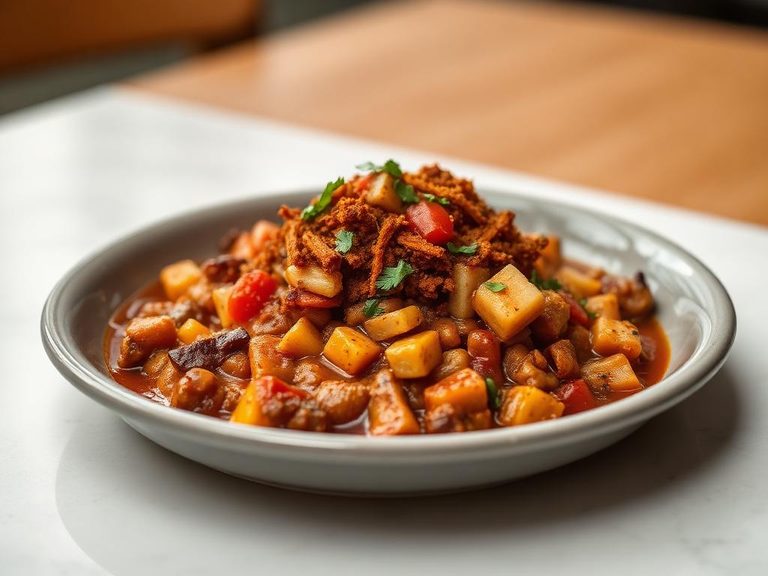
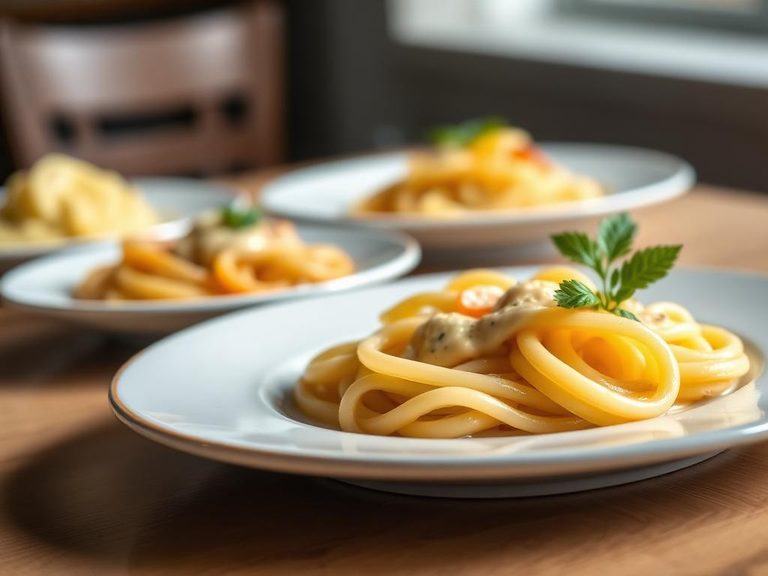
🍽️ Popular dishes
🌍 Where it's eaten
💡 Did you know?
This type of non-butterfat sour dressing often uses vegetable oils and stabilizers like gelatin or guar gum to mimic the thick, creamy texture of traditional sour cream, making it a common ingredient in processed foods and restaurant kitchens.
Full nutrition (USDA data · scales with serving)
| Water | 74.8 g |
| Energy | 178 kcal |
| Energy | 743 kj |
| Protein | 3.3 g |
| Total lipid (fat) | 16.6 g |
| Ash | 0.71 g |
| Carbohydrate, by difference | 4.7 g |
| Fiber, total dietary | 0.00 g |
| Total Sugars | 4.7 g |
| Calcium, Ca | 113 mg |
| Iron, Fe | 0.03 mg |
| Magnesium, Mg | 10.0 mg |
| Phosphorus, P | 87.0 mg |
| Potassium, K | 162 mg |
| Sodium, Na | 48.0 mg |
| Zinc, Zn | 0.37 mg |
| Copper, Cu | 0.01 mg |
| Manganese, Mn | 0.00 mg |
| Selenium, Se | 2.3 ug |
| Vitamin C, total ascorbic acid | 0.90 mg |
| Thiamin | 0.04 mg |
| Riboflavin | 0.16 mg |
| Niacin | 0.07 mg |
| Pantothenic acid | 0.40 mg |
| Vitamin B-6 | 0.02 mg |
| Folate, total | 12.0 ug |
| Folic acid | 0.00 ug |
| Folate, food | 12.0 ug |
| Folate, DFE | 12.0 ug |
| Choline, total | 14.9 mg |
| Vitamin B-12 | 0.33 ug |
| Vitamin B-12, added | 0.00 ug |
| Vitamin A, RAE | 3.0 ug |
| Retinol | 3.0 ug |
| Carotene, beta | 0.00 ug |
| Carotene, alpha | 0.00 ug |
| Cryptoxanthin, beta | 0.00 ug |
| Vitamin A, IU | 10.0 iu |
| Lycopene | 0.00 ug |
| Lutein + zeaxanthin | 0.00 ug |
| Vitamin E (alpha-tocopherol) | 1.3 mg |
| Vitamin E, added | 0.00 mg |
| Vitamin D (D2 + D3), International Units | 0.00 iu |
| Vitamin D (D2 + D3) | 0.00 ug |
| Vitamin K (phylloquinone) | 4.1 ug |
| Alcohol, ethyl | 0.00 g |
| Caffeine | 0.00 mg |
| Theobromine | 0.00 mg |
Fat & fatty acid profile (per 100g)
| Fatty acids, total saturated | 13.3 g |
| SFA 4:0 | 0.00 g |
| SFA 6:0 | 0.00 g |
| SFA 8:0 | 0.32 g |
| SFA 10:0 | 0.82 g |
| SFA 12:0 | 2.3 g |
| SFA 14:0 | 2.8 g |
| SFA 16:0 | 2.8 g |
| SFA 18:0 | 4.3 g |
| Fatty acids, total monounsaturated | 2.0 g |
| MUFA 16:1 | 0.09 g |
| MUFA 18:1 | 1.9 g |
| MUFA 20:1 | 0.00 g |
| MUFA 22:1 | 0.00 g |
| Fatty acids, total polyunsaturated | 0.47 g |
| PUFA 18:2 | 0.47 g |
| PUFA 18:3 | 0.00 g |
| PUFA 18:4 | 0.00 g |
| PUFA 20:4 | 0.00 g |
| PUFA 20:5 n-3 (EPA) | 0.00 g |
| PUFA 22:5 n-3 (DPA) | 0.00 g |
| PUFA 22:6 n-3 (DHA) | 0.00 g |
| Cholesterol | 5.0 mg |
| Phytosterols | 15.0 mg |
Amino acid profile (per 100g)
| Tryptophan | 0.04 g |
| Threonine | 0.15 g |
| Isoleucine | 0.20 g |
| Leucine | 0.32 g |
| Lysine | 0.26 g |
| Methionine | 0.08 g |
| Cystine | 0.03 g |
| Phenylalanine | 0.16 g |
| Tyrosine | 0.16 g |
| Valine | 0.22 g |
| Arginine | 0.12 g |
| Histidine | 0.09 g |
| Alanine | 0.11 g |
| Aspartic acid | 0.25 g |
| Glutamic acid | 0.68 g |
| Glycine | 0.07 g |
| Proline | 0.32 g |
| Serine | 0.18 g |
FAQ
Is this the same as sour cream?
No, it's a non-butterfat alternative. While it has a similar tangy taste and creamy texture, it's made with vegetable oils instead of dairy fat, making it suitable for those avoiding butterfat or dairy.
Can I use it in baking?
Yes, it can be used in baking to add moisture and a slight tang, similar to sour cream. It works well in cakes, muffins, and quick breads, but may alter the texture slightly due to its different fat composition.
Is it high in calories?
At 178 kcal per 100g, it is relatively calorie-dense due to its high fat content. Using it sparingly as a condiment rather than a main ingredient can help manage calorie intake.
Nutrient density (calculated · NRF9.3)
Nutrient Rich Foods index: beneficial nutrients (protein, fiber, vitamins, minerals) minus saturated fat, added sugar & sodium, per 100 kcal.
NRF9.3 index — Fulgoni, Keast & Drewnowski, 2009. Computed from USDA nutrients.
Weight-loss friendliness (composite index)
Energy density 1.78 kcal/g · 7% calories from protein · 0.0 g fiber · 4.7 g sugar per 100 g.
Composite of energy density (Rolls et al., 1999), protein & fiber satiety, minus sugar. A calculated heuristic — ranks satiety-per-calorie, not a clinical measure.
Dietary load (calculated from USDA values)
Potential renal acid load. Positive = acid-forming, negative = alkaline-forming.
Sodium-to-potassium ratio: 0.30 (lower is better — aim for ≤ 1)
Sodium:potassium per WHO potassium guidance. Computed from USDA nutrients.