

Sour cream, light
Whole food · Dairy and Egg Products
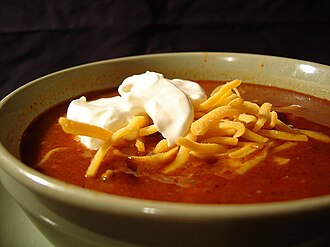
Photo: Wikipedia
Light sour cream is a cultured dairy product with a tangy, mellow flavor and a smooth, pourable consistency. It offers a significant reduction in fat and calories compared to regular sour cream, while retaining its signature creamy texture. This makes it a popular choice for adding richness and a cool, acidic note to a wide variety of dishes without the full caloric load.
Calorie split: 10% protein · 21% carbs · 69% fat
↓ Full nutrition💚 Why it's loved
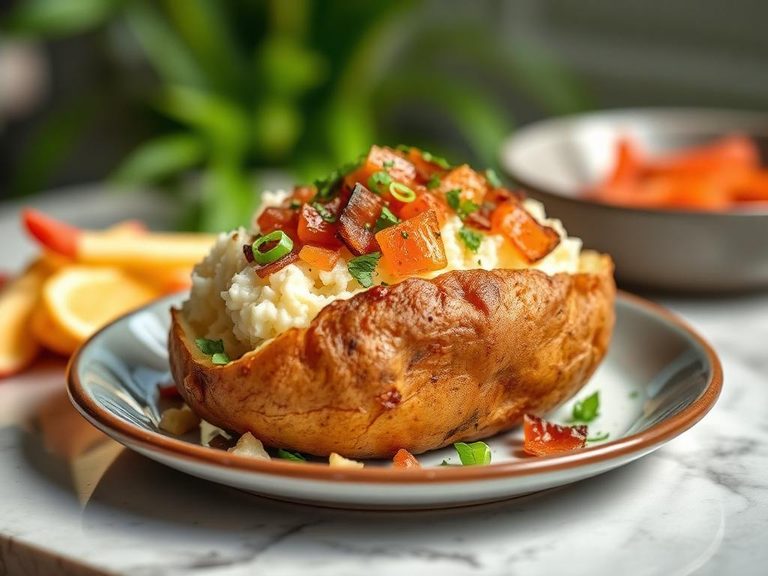
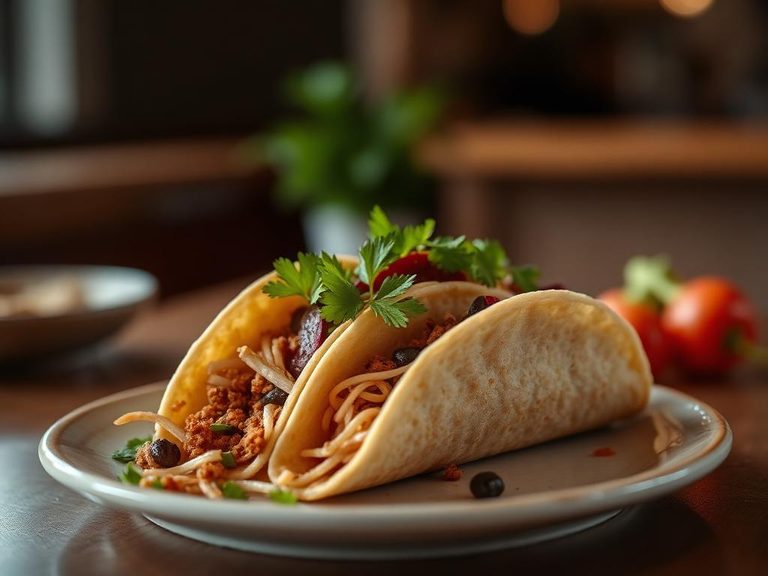
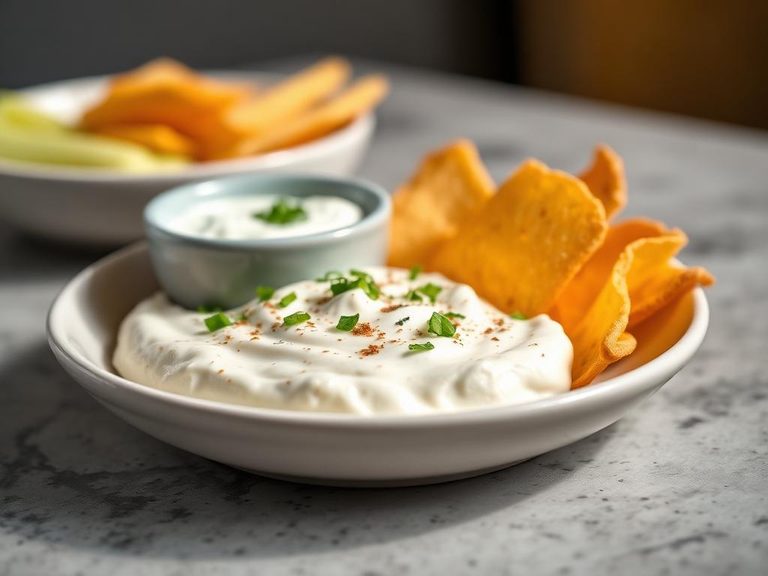
People love light sour cream for its ability to add a cool, tangy creaminess to dishes like tacos, baked potatoes, and soups without the heaviness of full-fat versions. Its versatility makes it a staple in many kitchens, serving as a base for dips, a topping for savory meals, and a tangy addition to baked goods.
⚠️ Watch-outs & how to enjoy it better
While lower in fat, light sour cream can still contain added sugars and sodium, which may be a concern for those monitoring their intake. For individuals with lactose intolerance or a dairy allergy, it can cause digestive discomfort; to mitigate this, choose lactose-free versions or pair it with foods that aid digestion, like ginger or fennel.
Key benefits
- Lower in fat and calories than regular sour cream
- Provides a source of calcium and protein
- Adds tangy flavor and creamy texture to dishes
- Can help balance spicy or rich foods
- Versatile ingredient for both cooking and garnishing
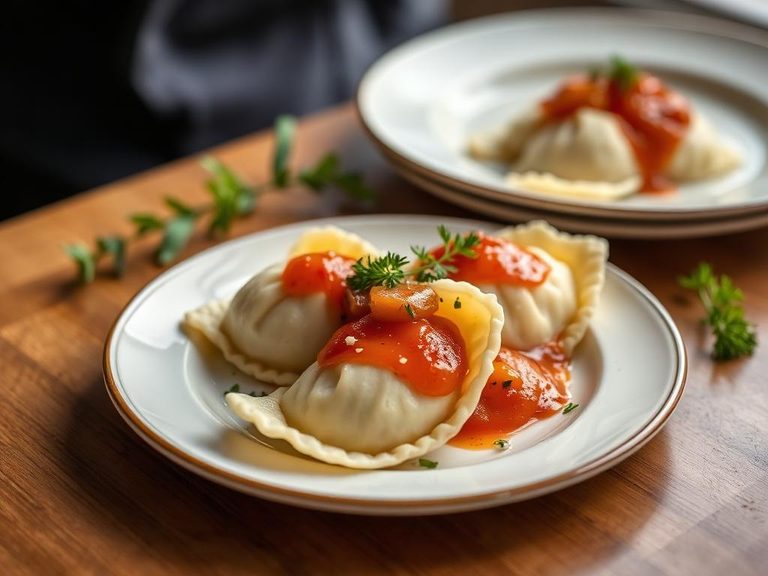
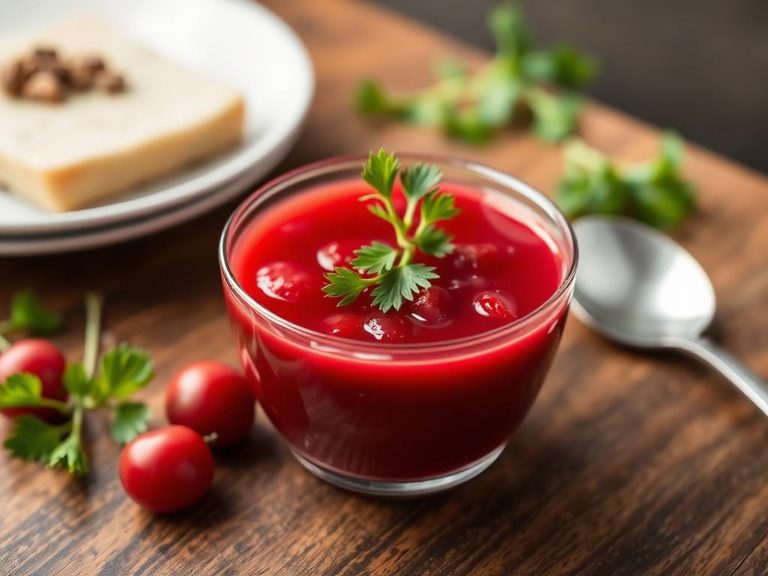
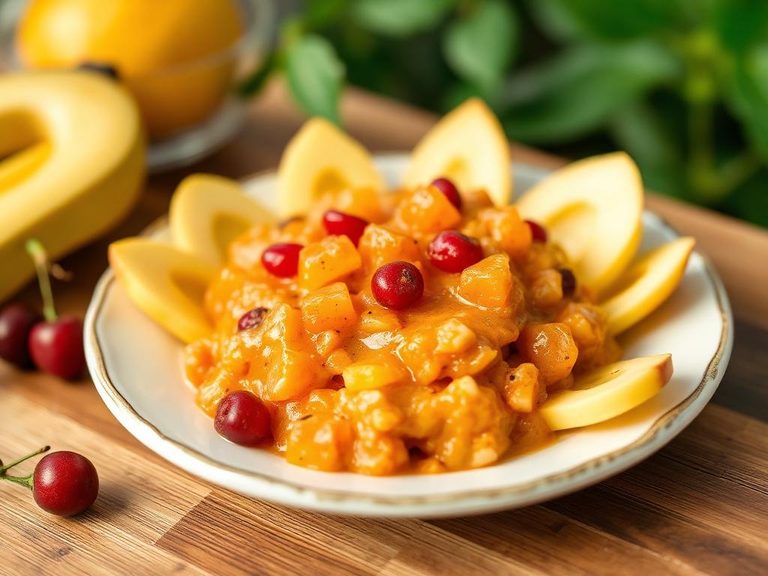
🍽️ Popular dishes
🌍 Where it's eaten
💡 Did you know?
The tangy flavor of sour cream comes from the bacterial culture Lactococcus lactis, which converts lactose into lactic acid, naturally preserving the cream and giving it its distinctive sour taste.
Full nutrition (USDA data · scales with serving)
| Water | 78.1 g |
| Energy | 136 kcal |
| Energy | 569 kj |
| Protein | 3.5 g |
| Total lipid (fat) | 10.6 g |
| Ash | 0.70 g |
| Carbohydrate, by difference | 7.1 g |
| Fiber, total dietary | 0.00 g |
| Total Sugars | 0.22 g |
| Calcium, Ca | 141 mg |
| Iron, Fe | 0.07 mg |
| Magnesium, Mg | 10.0 mg |
| Phosphorus, P | 71.0 mg |
| Potassium, K | 212 mg |
| Sodium, Na | 83.0 mg |
| Zinc, Zn | 0.50 mg |
| Copper, Cu | 0.02 mg |
| Selenium, Se | 3.1 ug |
| Vitamin C, total ascorbic acid | 0.90 mg |
| Thiamin | 0.04 mg |
| Riboflavin | 0.12 mg |
| Niacin | 0.07 mg |
| Vitamin B-6 | 0.02 mg |
| Folate, total | 11.0 ug |
| Folic acid | 0.00 ug |
| Folate, food | 11.0 ug |
| Folate, DFE | 11.0 ug |
| Choline, total | 19.2 mg |
| Vitamin B-12 | 0.42 ug |
| Vitamin B-12, added | 0.00 ug |
| Vitamin A, RAE | 90.0 ug |
| Retinol | 88.0 ug |
| Carotene, beta | 21.0 ug |
| Carotene, alpha | 0.00 ug |
| Cryptoxanthin, beta | 0.00 ug |
| Vitamin A, IU | 328 iu |
| Lycopene | 0.00 ug |
| Lutein + zeaxanthin | 0.00 ug |
| Vitamin E (alpha-tocopherol) | 0.30 mg |
| Vitamin E, added | 0.00 mg |
| Vitamin D (D2 + D3), International Units | 8.0 iu |
| Vitamin D (D2 + D3) | 0.20 ug |
| Vitamin D3 (cholecalciferol) | 0.20 ug |
| Vitamin K (phylloquinone) | 0.50 ug |
| Alcohol, ethyl | 0.00 g |
| Caffeine | 0.00 mg |
| Theobromine | 0.00 mg |
Fat & fatty acid profile (per 100g)
| Fatty acids, total saturated | 6.6 g |
| SFA 4:0 | 0.34 g |
| SFA 6:0 | 0.20 g |
| SFA 8:0 | 0.11 g |
| SFA 10:0 | 0.26 g |
| SFA 12:0 | 0.30 g |
| SFA 14:0 | 1.1 g |
| SFA 16:0 | 2.8 g |
| SFA 18:0 | 1.3 g |
| Fatty acids, total monounsaturated | 3.1 g |
| MUFA 16:1 | 0.24 g |
| MUFA 18:1 | 2.7 g |
| MUFA 20:1 | 0.00 g |
| MUFA 22:1 | 0.00 g |
| Fatty acids, total polyunsaturated | 0.40 g |
| PUFA 18:2 | 0.24 g |
| PUFA 18:3 | 0.16 g |
| PUFA 18:4 | 0.00 g |
| PUFA 20:4 | 0.00 g |
| PUFA 20:5 n-3 (EPA) | 0.00 g |
| PUFA 22:5 n-3 (DPA) | 0.00 g |
| PUFA 22:6 n-3 (DHA) | 0.00 g |
| Cholesterol | 35.0 mg |
Amino acid profile (per 100g)
Estimated from Sour cream, imitation, cultured — USDA does not publish this profile for Sour cream.
| Tryptophan | 0.03 g |
| Threonine | 0.10 g |
| Isoleucine | 0.15 g |
| Leucine | 0.24 g |
| Lysine | 0.19 g |
| Methionine | 0.07 g |
| Cystine | 0.01 g |
| Phenylalanine | 0.13 g |
| Tyrosine | 0.14 g |
| Valine | 0.17 g |
| Arginine | 0.10 g |
| Histidine | 0.07 g |
| Alanine | 0.07 g |
| Aspartic acid | 0.17 g |
| Glutamic acid | 0.55 g |
| Glycine | 0.05 g |
| Proline | 0.27 g |
| Serine | 0.15 g |
FAQ
What is the difference between light sour cream and regular sour cream?
Light sour cream has a reduced fat content, typically around 5-8% compared to regular sour cream's 18-20%, which also lowers its calorie count. It often has a slightly thinner consistency but retains the same tangy flavor profile.
Can I use light sour cream in baking?
Yes, light sour cream can be used in baking, especially in recipes like cakes, muffins, and pancakes, where it adds moisture and a slight tang. However, it may result in a slightly less rich texture compared to full-fat sour cream.
Is light sour cream suitable for a low-carb diet?
Light sour cream is relatively low in carbohydrates, with about 7.1g per 100g, making it generally suitable for low-carb diets. However, always check the label for added sugars or thickeners that might increase the carb content.
How long does light sour cream last after opening?
Once opened, light sour cream should be consumed within 7-10 days if stored properly in the refrigerator at or below 40°F (4°C). Always check for signs of spoilage like off smells, mold, or separation before using.
Nutrient density (calculated · NRF9.3)
Nutrient Rich Foods index: beneficial nutrients (protein, fiber, vitamins, minerals) minus saturated fat, added sugar & sodium, per 100 kcal.
NRF9.3 index — Fulgoni, Keast & Drewnowski, 2009. Computed from USDA nutrients.
Weight-loss friendliness (composite index)
Energy density 1.36 kcal/g · 10% calories from protein · 0.0 g fiber · 0.2 g sugar per 100 g.
Composite of energy density (Rolls et al., 1999), protein & fiber satiety, minus sugar. A calculated heuristic — ranks satiety-per-calorie, not a clinical measure.
Dietary load (calculated from USDA values)
Potential renal acid load. Positive = acid-forming, negative = alkaline-forming.
Sodium-to-potassium ratio: 0.39 (lower is better — aim for ≤ 1)
Sodium:potassium per WHO potassium guidance. Computed from USDA nutrients.