

Pumpkin, cooked, boiled, drained, without salt
Whole food · Vegetables and Vegetable Products

Photo: Wikipedia
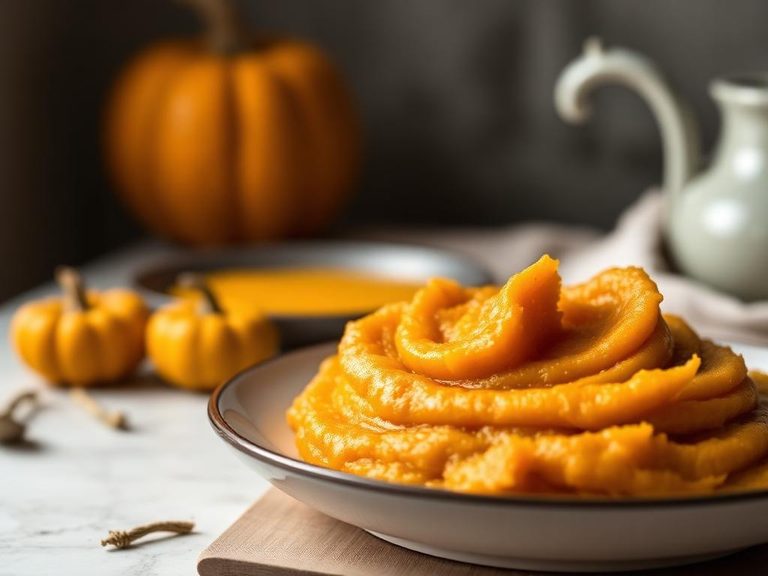
Boiled and drained pumpkin is a soft, tender vegetable with a subtly sweet, earthy flavor and a smooth, almost creamy texture when cooked. It's remarkably low in calories, providing just 20 kcal per 100g, with its carbohydrate content coming primarily from natural sugars and beneficial fiber. This simple preparation highlights its pure, mild taste, making it a versatile base for both savory and sweet dishes.
Calorie split: 12% protein · 85% carbs · 3% fat
↓ Full nutrition💚 Why it's loved
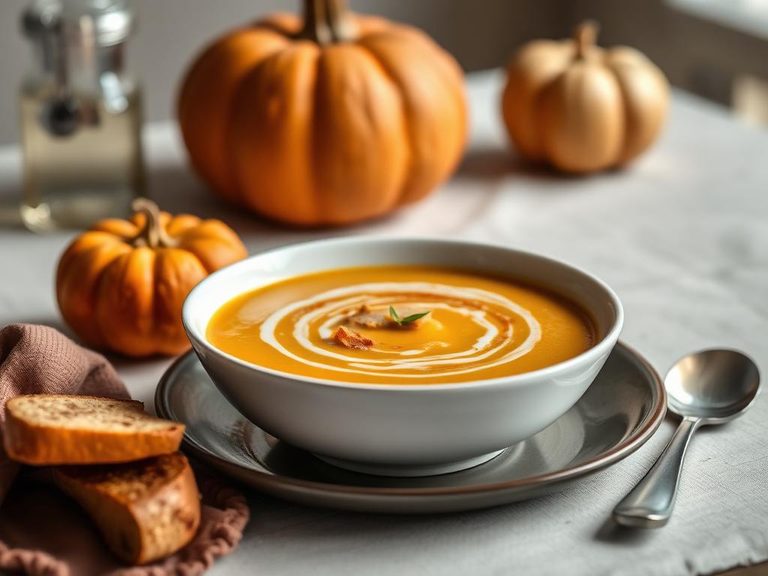
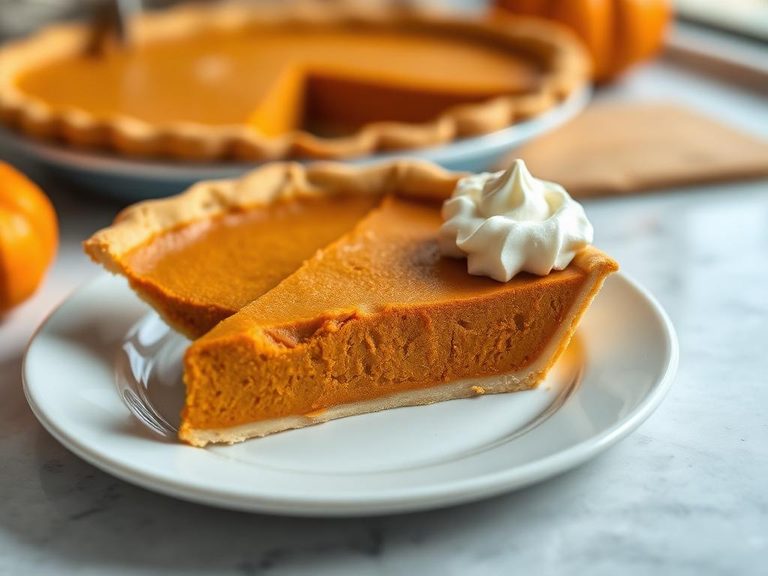
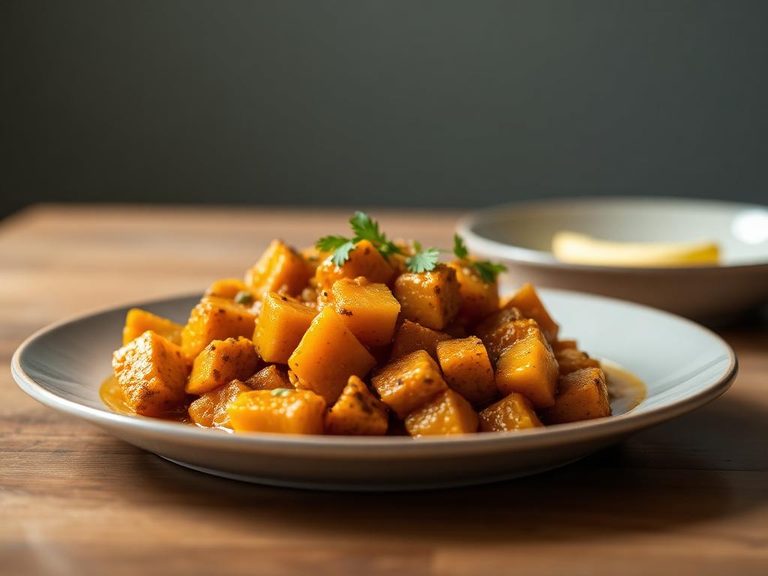
People love its gentle, comforting sweetness and melt-in-the-mouth texture that readily absorbs other flavors. Its incredible versatility allows it to be seamlessly incorporated into soups, curries, pies, or even simple side dishes, making it a beloved staple across many cultures.
⚠️ Watch-outs & how to enjoy it better
Its mild flavor can be perceived as bland or watery by some, and its soft texture may not appeal to those who prefer a crunch. For individuals monitoring carbohydrate intake or blood sugar, the natural sugars (2.08g per 100g) mean portion control is key. To counteract potential blandness, pair it with bold spices like cumin, cinnamon, or chili, or roast it first to caramelize and concentrate its flavor.
Key benefits
- Excellent source of beta-carotene, which the body converts to Vitamin A.
- Very low in calories and fat, suitable for weight management diets.
- Provides dietary fiber to support digestive health.
- Naturally free of sodium, cholesterol, and common allergens.
- Contains potassium, which supports healthy blood pressure levels.
🍽️ Popular dishes
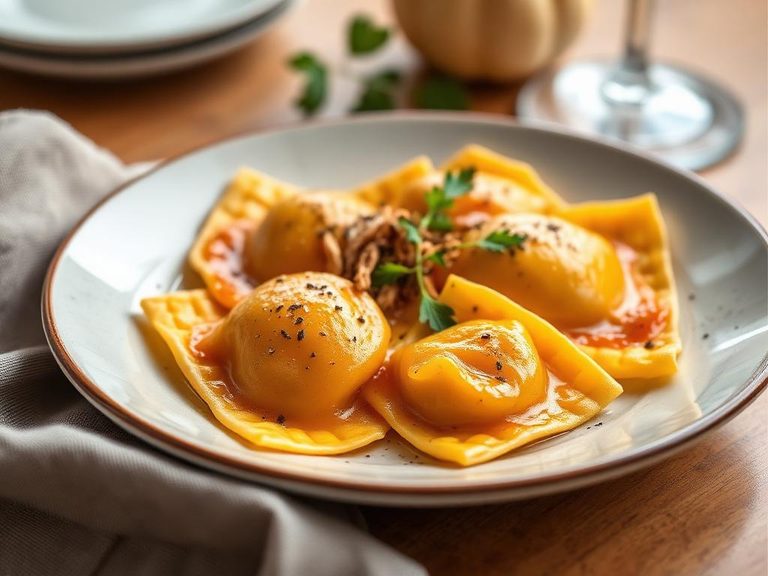
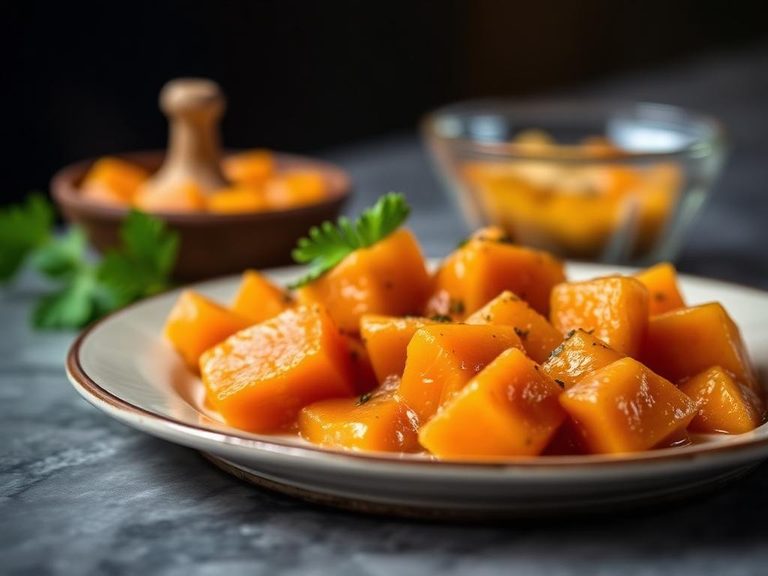
🌍 Where it's eaten
💡 Did you know?
Pumpkins are 90% water, which explains why boiled pumpkin can become quite soft and why draining is a common step to avoid watery dishes.
Full nutrition (USDA data · scales with serving)
| Water | 93.7 g |
| Energy | 20.0 kcal |
| Energy | 83.0 kj |
| Protein | 0.72 g |
| Total lipid (fat) | 0.07 g |
| Ash | 0.62 g |
| Carbohydrate, by difference | 4.9 g |
| Fiber, total dietary | 1.1 g |
| Total Sugars | 2.1 g |
| Calcium, Ca | 15.0 mg |
| Iron, Fe | 0.57 mg |
| Magnesium, Mg | 9.0 mg |
| Phosphorus, P | 30.0 mg |
| Potassium, K | 230 mg |
| Sodium, Na | 1.0 mg |
| Zinc, Zn | 0.23 mg |
| Copper, Cu | 0.09 mg |
| Manganese, Mn | 0.09 mg |
| Selenium, Se | 0.20 ug |
| Vitamin C, total ascorbic acid | 4.7 mg |
| Thiamin | 0.03 mg |
| Riboflavin | 0.08 mg |
| Niacin | 0.41 mg |
| Pantothenic acid | 0.20 mg |
| Vitamin B-6 | 0.04 mg |
| Folate, total | 9.0 ug |
| Folic acid | 0.00 ug |
| Folate, food | 9.0 ug |
| Folate, DFE | 9.0 ug |
| Choline, total | 6.2 mg |
| Vitamin B-12 | 0.00 ug |
| Vitamin B-12, added | 0.00 ug |
| Vitamin A, RAE | 288 ug |
| Retinol | 0.00 ug |
| Carotene, beta | 2096 ug |
| Carotene, alpha | 2715 ug |
| Cryptoxanthin, beta | 0.00 ug |
| Vitamin A, IU | 5755 iu |
| Lycopene | 0.00 ug |
| Lutein + zeaxanthin | 1014 ug |
| Vitamin E (alpha-tocopherol) | 0.80 mg |
| Vitamin E, added | 0.00 mg |
| Vitamin D (D2 + D3), International Units | 0.00 iu |
| Vitamin D (D2 + D3) | 0.00 ug |
| Vitamin K (phylloquinone) | 0.80 ug |
| Alcohol, ethyl | 0.00 g |
| Caffeine | 0.00 mg |
| Theobromine | 0.00 mg |
Fat & fatty acid profile (per 100g)
| Fatty acids, total saturated | 0.04 g |
| SFA 4:0 | 0.00 g |
| SFA 6:0 | 0.00 g |
| SFA 8:0 | 0.00 g |
| SFA 10:0 | 0.00 g |
| SFA 12:0 | 0.00 g |
| SFA 14:0 | 0.01 g |
| SFA 16:0 | 0.03 g |
| SFA 18:0 | 0.00 g |
| Fatty acids, total monounsaturated | 0.01 g |
| MUFA 16:1 | 0.01 g |
| MUFA 18:1 | 0.01 g |
| MUFA 20:1 | 0.00 g |
| MUFA 22:1 | 0.00 g |
| Fatty acids, total polyunsaturated | 0.00 g |
| PUFA 18:2 | 0.00 g |
| PUFA 18:3 | 0.00 g |
| PUFA 18:4 | 0.00 g |
| PUFA 20:4 | 0.00 g |
| PUFA 20:5 n-3 (EPA) | 0.00 g |
| PUFA 22:5 n-3 (DPA) | 0.00 g |
| PUFA 22:6 n-3 (DHA) | 0.00 g |
| Fatty acids, total trans | 0.00 g |
| Cholesterol | 0.00 mg |
Amino acid profile (per 100g)
| Tryptophan | 0.01 g |
| Threonine | 0.02 g |
| Isoleucine | 0.02 g |
| Leucine | 0.03 g |
| Lysine | 0.04 g |
| Methionine | 0.01 g |
| Cystine | 0.00 g |
| Phenylalanine | 0.02 g |
| Tyrosine | 0.03 g |
| Valine | 0.03 g |
| Arginine | 0.04 g |
| Histidine | 0.01 g |
| Alanine | 0.02 g |
| Aspartic acid | 0.07 g |
| Glutamic acid | 0.13 g |
| Glycine | 0.02 g |
| Proline | 0.02 g |
| Serine | 0.03 g |
FAQ
Is boiled pumpkin healthier than roasted pumpkin?
Both methods are healthy. Boiling preserves water-soluble vitamins but can leach some into the cooking water. Roasting uses no added water, concentrates flavor through caramelization, and may slightly increase the bioavailability of fat-soluble vitamins like beta-carotene if a small amount of oil is used.
Why should I drain the pumpkin after boiling?
Draining removes excess water that can make dishes like purées, pies, or soups too thin or watery. It helps achieve a thicker, more concentrated consistency and flavor.
Can I use the nutrient-rich cooking water?
Yes! The water will contain some leached nutrients. You can cool it and use it as a base for soups, stews, or to cook grains like rice or quinoa for added flavor and nutrition.
Nutrient density (calculated · NRF9.3)
Nutrient Rich Foods index: beneficial nutrients (protein, fiber, vitamins, minerals) minus saturated fat, added sugar & sodium, per 100 kcal.
NRF9.3 index — Fulgoni, Keast & Drewnowski, 2009. Computed from USDA nutrients.
Weight-loss friendliness (composite index)
Energy density 0.20 kcal/g · 14% calories from protein · 1.1 g fiber · 2.1 g sugar per 100 g.
Composite of energy density (Rolls et al., 1999), protein & fiber satiety, minus sugar. A calculated heuristic — ranks satiety-per-calorie, not a clinical measure.
Dietary load (calculated from USDA values)
Potential renal acid load. Positive = acid-forming, negative = alkaline-forming.
Sodium-to-potassium ratio: 0.00 (lower is better — aim for ≤ 1)
Sodium:potassium per WHO potassium guidance. Computed from USDA nutrients.