

Pigeonpeas, immature seeds, cooked, boiled, drained, without salt
Whole food · Vegetables and Vegetable Products

Photo: Wikipedia
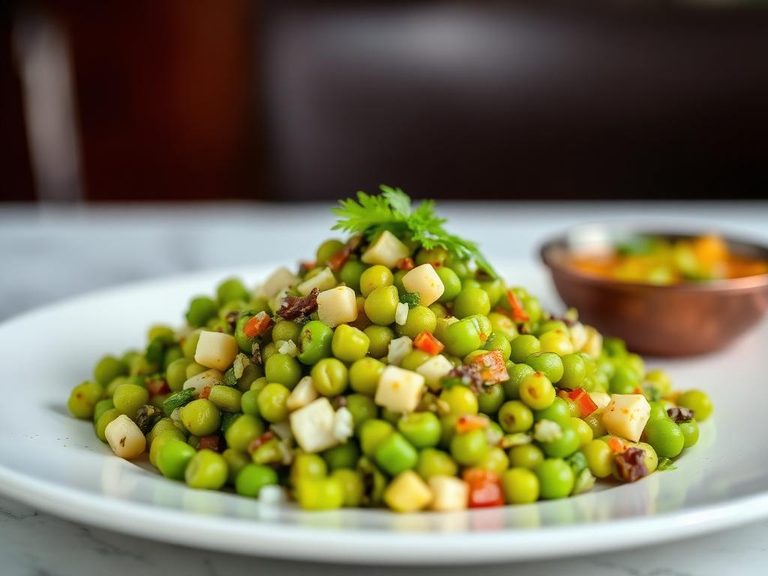
Immature pigeonpeas, often called green pigeonpeas or toor dal in their fresh state, are tender, slightly nutty legumes with a creamy texture when boiled. Packed with plant-based protein and fiber, they offer a satisfying, earthy flavor that complements a variety of dishes. Their mild sweetness and soft bite make them a staple in many cuisines, especially when cooked without added salt.
Calorie split: 21% protein · 68% carbs · 11% fat
↓ Full nutrition💚 Why it's loved
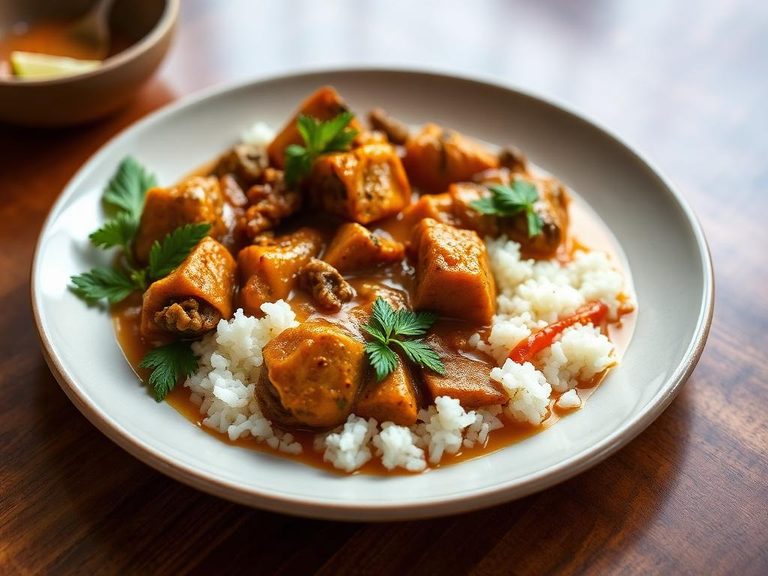
People love pigeonpeas for their mild, slightly sweet flavor and versatile texture, which absorbs spices beautifully in curries and stews. They are a cultural cornerstone in Indian, Caribbean, and African cuisines, often symbolizing comfort and nourishment in traditional meals.
⚠️ Watch-outs & how to enjoy it better
Some may find the taste too bland or the texture slightly mushy if overcooked, and they can cause digestive discomfort like bloating due to their fiber and oligosaccharide content. To counteract this, pair them with protein-rich foods like yogurt or lean meat, or soak them before cooking to reduce gas-producing compounds. For blood sugar management, combine with non-starchy vegetables and healthy fats to slow carbohydrate absorption.
Key benefits
- Rich in plant-based protein (5.96g per 100g) for muscle maintenance.
- High in dietary fiber (4.2g per 100g) supporting digestive health.
- Low in fat (1.36g per 100g) and naturally cholesterol-free.
- Good source of complex carbohydrates (19.49g per 100g) for sustained energy.
- Contains essential minerals like iron and potassium, though in moderate amounts.
🍽️ Popular dishes
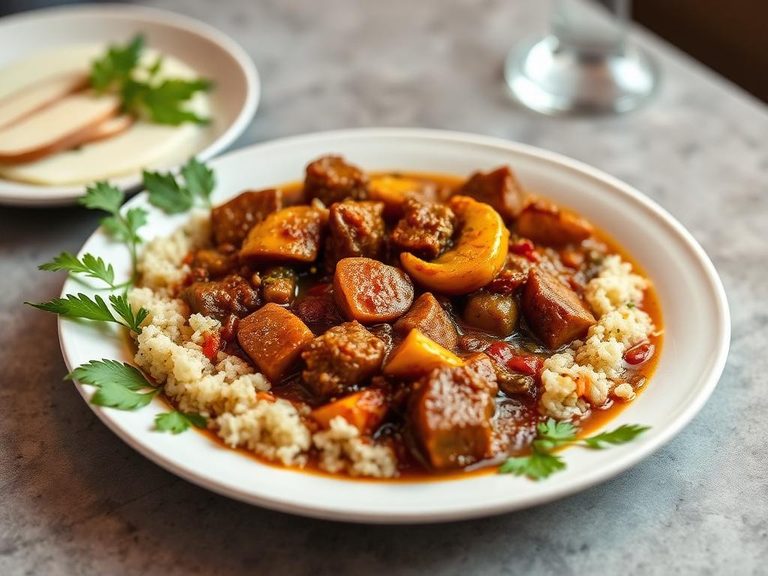
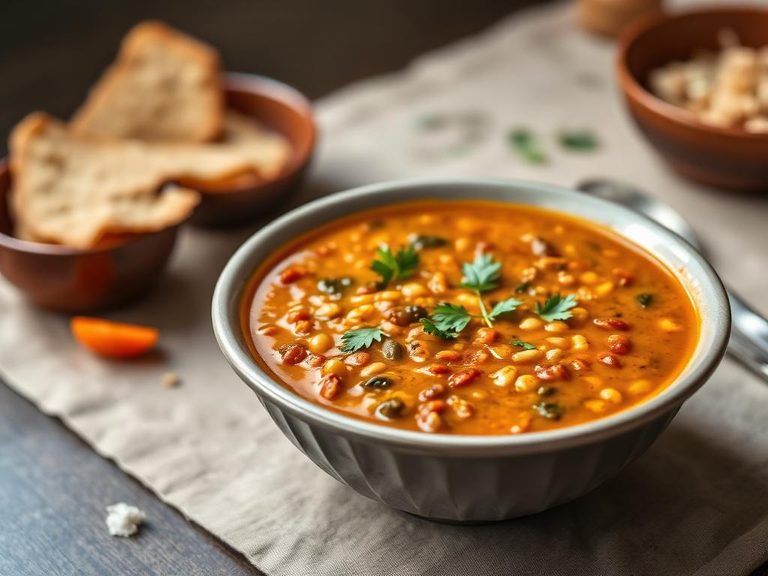
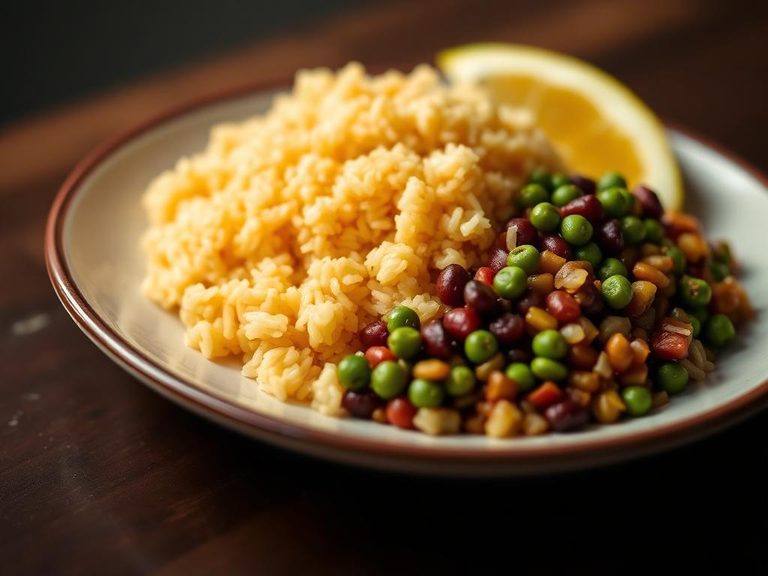
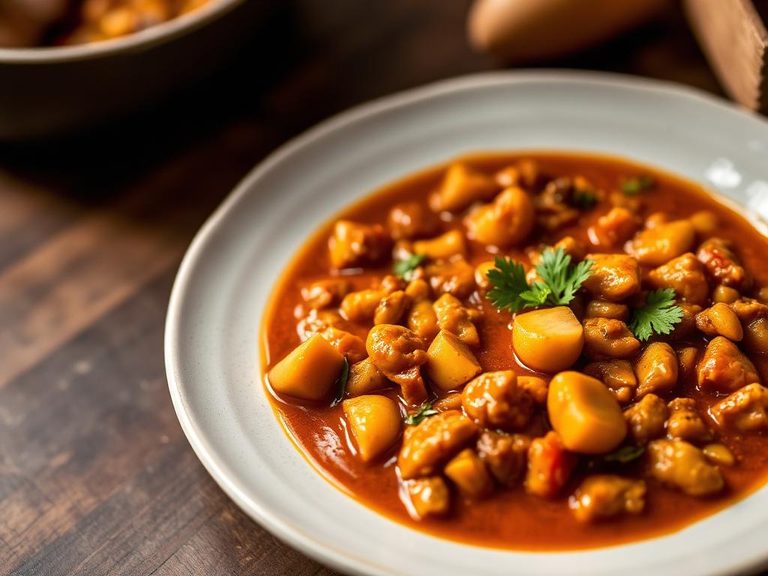
🌍 Where it's eaten
💡 Did you know?
Pigeonpeas are one of the oldest cultivated legumes, with evidence of their use dating back over 3,500 years in India, and they are a key crop in tropical regions for their ability to fix nitrogen in the soil, improving fertility for other plants.
Full nutrition (USDA data · scales with serving)
| Water | 71.8 g |
| Energy | 111 kcal |
| Energy | 464 kj |
| Protein | 6.0 g |
| Total lipid (fat) | 1.4 g |
| Ash | 1.4 g |
| Carbohydrate, by difference | 19.5 g |
| Fiber, total dietary | 4.2 g |
| Total Sugars | 2.5 g |
| Calcium, Ca | 41.0 mg |
| Iron, Fe | 1.6 mg |
| Magnesium, Mg | 40.0 mg |
| Phosphorus, P | 118 mg |
| Potassium, K | 456 mg |
| Sodium, Na | 5.0 mg |
| Zinc, Zn | 0.82 mg |
| Copper, Cu | 0.10 mg |
| Manganese, Mn | 0.45 mg |
| Selenium, Se | 1.2 ug |
| Vitamin C, total ascorbic acid | 28.1 mg |
| Thiamin | 0.35 mg |
| Riboflavin | 0.17 mg |
| Niacin | 2.2 mg |
| Pantothenic acid | 0.63 mg |
| Vitamin B-6 | 0.05 mg |
| Folate, total | 100 ug |
| Folic acid | 0.00 ug |
| Folate, food | 100 ug |
| Folate, DFE | 100 ug |
| Choline, total | 37.9 mg |
| Vitamin B-12 | 0.00 ug |
| Vitamin B-12, added | 0.00 ug |
| Vitamin A, RAE | 2.0 ug |
| Retinol | 0.00 ug |
| Carotene, beta | 30.0 ug |
| Carotene, alpha | 0.00 ug |
| Cryptoxanthin, beta | 0.00 ug |
| Vitamin A, IU | 50.0 iu |
| Lycopene | 0.00 ug |
| Lutein + zeaxanthin | 141 ug |
| Vitamin E (alpha-tocopherol) | 0.32 mg |
| Vitamin E, added | 0.00 mg |
| Vitamin D (D2 + D3), International Units | 0.00 iu |
| Vitamin D (D2 + D3) | 0.00 ug |
| Vitamin K (phylloquinone) | 19.8 ug |
| Alcohol, ethyl | 0.00 g |
| Caffeine | 0.00 mg |
| Theobromine | 0.00 mg |
Fat & fatty acid profile (per 100g)
| Fatty acids, total saturated | 0.36 g |
| SFA 4:0 | 0.00 g |
| SFA 6:0 | 0.00 g |
| SFA 8:0 | 0.00 g |
| SFA 10:0 | 0.00 g |
| SFA 12:0 | 0.00 g |
| SFA 14:0 | 0.00 g |
| SFA 16:0 | 0.08 g |
| SFA 18:0 | 0.01 g |
| Fatty acids, total monounsaturated | 0.01 g |
| MUFA 16:1 | 0.00 g |
| MUFA 18:1 | 0.01 g |
| MUFA 20:1 | 0.00 g |
| MUFA 22:1 | 0.00 g |
| Fatty acids, total polyunsaturated | 0.90 g |
| PUFA 18:2 | 0.86 g |
| PUFA 18:3 | 0.04 g |
| PUFA 18:4 | 0.00 g |
| PUFA 20:4 | 0.00 g |
| PUFA 20:5 n-3 (EPA) | 0.00 g |
| PUFA 22:5 n-3 (DPA) | 0.00 g |
| PUFA 22:6 n-3 (DHA) | 0.00 g |
| Fatty acids, total trans | 0.00 g |
| Cholesterol | 0.00 mg |
Amino acid profile (per 100g)
Estimated from Restaurant, Latino, Arroz con grandules (rice and pigeonpeas) — USDA does not publish this profile for Pigeonpeas.
| Tryptophan | 0.05 g |
| Threonine | 0.11 g |
| Isoleucine | 0.13 g |
| Leucine | 0.26 g |
| Lysine | 0.12 g |
| Methionine | 0.07 g |
| Cystine | 0.06 g |
| Phenylalanine | 0.17 g |
| Tyrosine | 0.10 g |
| Valine | 0.18 g |
| Arginine | 0.25 g |
| Histidine | 0.09 g |
| Alanine | 0.17 g |
| Aspartic acid | 0.31 g |
| Glutamic acid | 0.84 g |
| Glycine | 0.14 g |
| Proline | 0.11 g |
| Serine | 0.16 g |
FAQ
Are pigeonpeas the same as toor dal?
Yes, pigeonpeas are often called toor dal or arhar dal in Indian cuisine, especially when split and dried. Immature seeds are used fresh or cooked, while dried versions are common in lentil dishes.
Can I eat pigeonpeas raw?
While immature pigeonpeas can be eaten raw in salads, they are typically cooked to improve digestibility and texture. Cooking also enhances nutrient absorption and reduces anti-nutrients like phytic acid.
How do I store cooked pigeonpeas?
Store cooked pigeonpeas in an airtight container in the refrigerator for up to 3-4 days. For longer storage, freeze them in portions for up to 3 months, ensuring they are fully cooled before freezing.
Nutrient density (calculated · NRF9.3)
Nutrient Rich Foods index: beneficial nutrients (protein, fiber, vitamins, minerals) minus saturated fat, added sugar & sodium, per 100 kcal.
NRF9.3 index — Fulgoni, Keast & Drewnowski, 2009. Computed from USDA nutrients.
Weight-loss friendliness (composite index)
Energy density 1.11 kcal/g · 21% calories from protein · 4.2 g fiber · 2.5 g sugar per 100 g.
Composite of energy density (Rolls et al., 1999), protein & fiber satiety, minus sugar. A calculated heuristic — ranks satiety-per-calorie, not a clinical measure.
Dietary load (calculated from USDA values)
Potential renal acid load. Positive = acid-forming, negative = alkaline-forming.
Sodium-to-potassium ratio: 0.01 (lower is better — aim for ≤ 1)
Sodium:potassium per WHO potassium guidance. Computed from USDA nutrients.