

Peppers, hot chili, green, canned, pods, excluding seeds, solids and liquids
Whole food · Vegetables and Vegetable Products

Photo: Wikipedia
These are vibrant green chili pods, typically jalapeños or serranos, preserved in a tangy brine. They deliver a crisp, snappy texture with a bright, acidic kick and a moderate, lingering heat. Nutritionally, they are a very low-calorie, high-fiber way to add intense flavor and capsaicin to a dish.
Calorie split: 14% protein · 82% carbs · 4% fat
↓ Full nutrition💚 Why it's loved
People love them for their instant, punchy heat and vinegary tang that can wake up any dish. They are a pantry staple for adding a spicy, acidic note to everything from tacos to pizza with zero prep.
⚠️ Watch-outs & how to enjoy it better
The high sodium content from the brine can be a concern for those monitoring salt intake. The capsaicin can also irritate sensitive digestive systems or exacerbate conditions like acid reflux. To mitigate, rinse the pods under water to reduce sodium, or use them sparingly and pair with cooling ingredients like yogurt, avocado, or cheese.
Key benefits
- Excellent source of vitamin C and vitamin A
- Contains capsaicin, a compound linked to metabolic benefits
- High in fiber for digestive health
- Very low in calories and fat
- Adds flavor without added sugar or fat
🍽️ Popular dishes
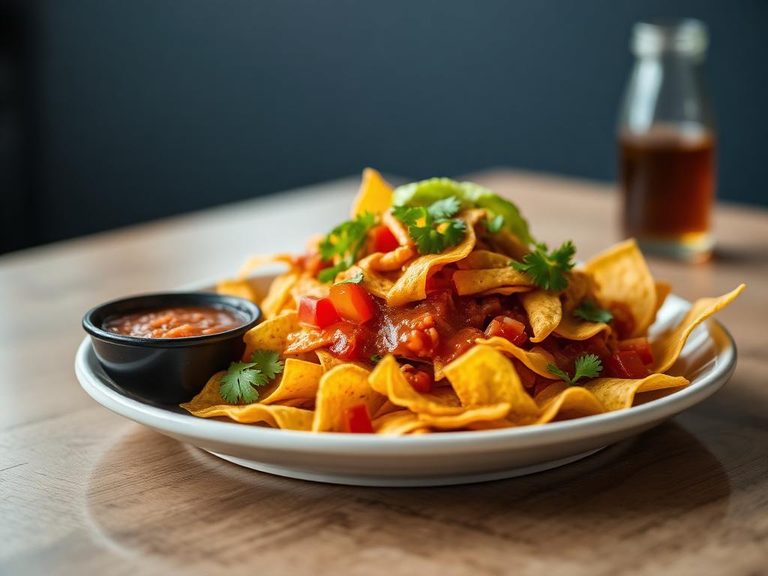

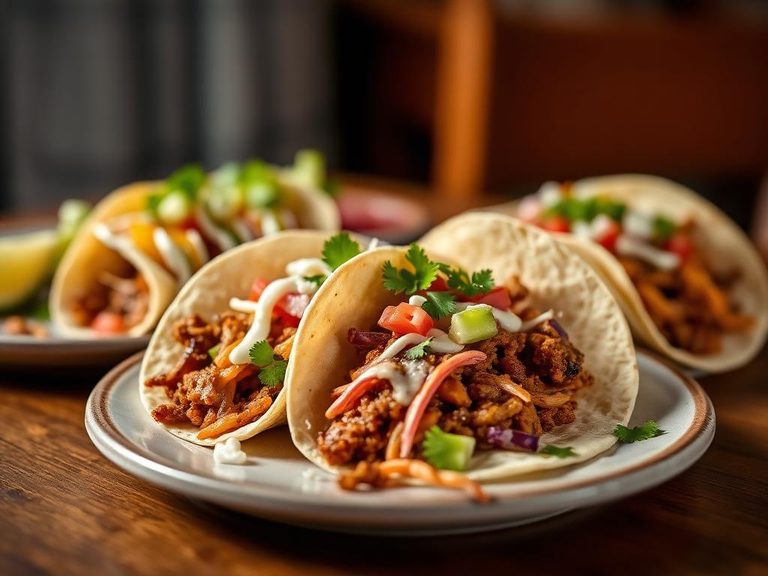

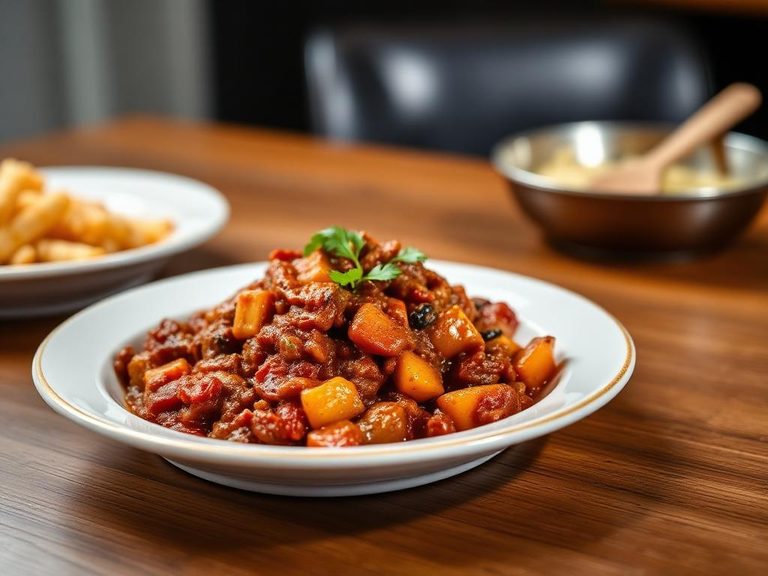
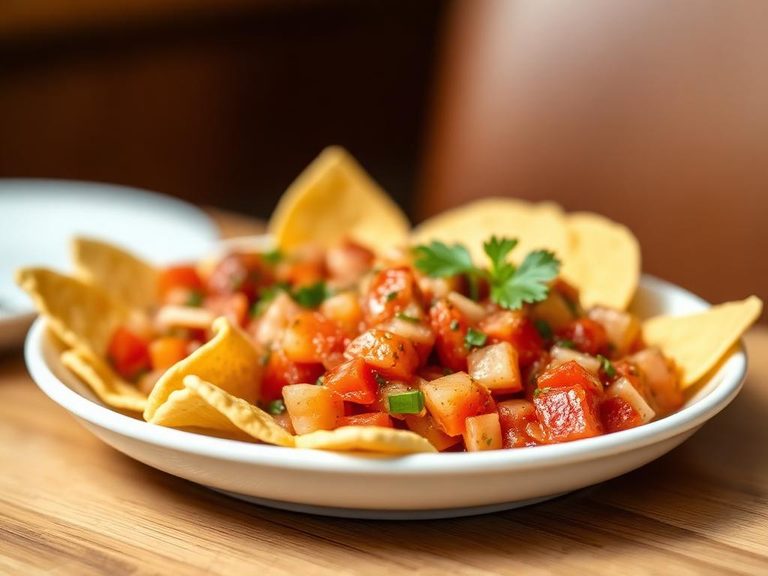
🌍 Where it's eaten
💡 Did you know?
The 'heat' in these peppers is measured on the Scoville scale; a typical canned green jalapeño ranges from 2,500 to 8,000 Scoville Heat Units (SHU), which is milder than a habanero but significantly hotter than a bell pepper.
Full nutrition (USDA data · scales with serving)
| Water | 92.5 g |
| Energy | 21.0 kcal |
| Energy | 88.0 kj |
| Protein | 0.90 g |
| Total lipid (fat) | 0.10 g |
| Ash | 1.4 g |
| Carbohydrate, by difference | 5.1 g |
| Fiber, total dietary | 1.3 g |
| Total Sugars | 3.1 g |
| Calcium, Ca | 7.0 mg |
| Iron, Fe | 0.50 mg |
| Magnesium, Mg | 14.0 mg |
| Phosphorus, P | 17.0 mg |
| Potassium, K | 187 mg |
| Sodium, Na | 1173 mg |
| Zinc, Zn | 0.17 mg |
| Copper, Cu | 0.10 mg |
| Manganese, Mn | 0.14 mg |
| Selenium, Se | 0.30 ug |
| Vitamin C, total ascorbic acid | 68.0 mg |
| Thiamin | 0.02 mg |
| Riboflavin | 0.05 mg |
| Niacin | 0.80 mg |
| Pantothenic acid | 0.03 mg |
| Vitamin B-6 | 0.15 mg |
| Folate, total | 10.0 ug |
| Folic acid | 0.00 ug |
| Folate, food | 10.0 ug |
| Folate, DFE | 10.0 ug |
| Choline, total | 6.8 mg |
| Vitamin B-12 | 0.00 ug |
| Vitamin B-12, added | 0.00 ug |
| Vitamin A, RAE | 36.0 ug |
| Retinol | 0.00 ug |
| Carotene, beta | 410 ug |
| Carotene, alpha | 14.0 ug |
| Cryptoxanthin, beta | 30.0 ug |
| Vitamin A, IU | 721 iu |
| Lycopene | 0.00 ug |
| Lutein + zeaxanthin | 444 ug |
| Vitamin E (alpha-tocopherol) | 0.69 mg |
| Vitamin E, added | 0.00 mg |
| Vitamin D (D2 + D3), International Units | 0.00 iu |
| Vitamin D (D2 + D3) | 0.00 ug |
| Vitamin K (phylloquinone) | 8.7 ug |
| Alcohol, ethyl | 0.00 g |
| Caffeine | 0.00 mg |
| Theobromine | 0.00 mg |
Fat & fatty acid profile (per 100g)
| Fatty acids, total saturated | 0.01 g |
| SFA 4:0 | 0.00 g |
| SFA 6:0 | 0.00 g |
| SFA 8:0 | 0.00 g |
| SFA 10:0 | 0.00 g |
| SFA 12:0 | 0.00 g |
| SFA 14:0 | 0.00 g |
| SFA 16:0 | 0.01 g |
| SFA 18:0 | 0.00 g |
| Fatty acids, total monounsaturated | 0.01 g |
| MUFA 16:1 | 0.00 g |
| MUFA 18:1 | 0.01 g |
| MUFA 20:1 | 0.00 g |
| MUFA 22:1 | 0.00 g |
| Fatty acids, total polyunsaturated | 0.06 g |
| PUFA 18:2 | 0.05 g |
| PUFA 18:3 | 0.00 g |
| PUFA 18:4 | 0.00 g |
| PUFA 20:4 | 0.00 g |
| PUFA 20:5 n-3 (EPA) | 0.00 g |
| PUFA 22:5 n-3 (DPA) | 0.00 g |
| PUFA 22:6 n-3 (DHA) | 0.00 g |
| Fatty acids, total trans | 0.00 g |
| Cholesterol | 0.00 mg |
Amino acid profile (per 100g)
| Tryptophan | 0.01 g |
| Threonine | 0.03 g |
| Isoleucine | 0.03 g |
| Leucine | 0.05 g |
| Lysine | 0.04 g |
| Methionine | 0.01 g |
| Cystine | 0.02 g |
| Phenylalanine | 0.03 g |
| Tyrosine | 0.02 g |
| Valine | 0.04 g |
| Arginine | 0.04 g |
| Histidine | 0.02 g |
| Alanine | 0.04 g |
| Aspartic acid | 0.13 g |
| Glutamic acid | 0.12 g |
| Glycine | 0.03 g |
| Proline | 0.04 g |
| Serine | 0.04 g |
FAQ
Are canned hot chilies as nutritious as fresh?
Canning can reduce some heat-sensitive vitamins like vitamin C, but they retain most of their fiber, minerals, and capsaicin. The main nutritional difference is the added sodium from the brine.
How can I control the spiciness when cooking with them?
Remove the seeds and inner white membrane (the pith), as this is where most of the capsaicin is concentrated. Rinsing them also helps mellow the heat.
What's the best way to store leftovers from the can?
Transfer unused chilies and their brine to an airtight container and refrigerate. They will keep well for up to a week.
Nutrient density (calculated · NRF9.3)
Nutrient Rich Foods index: beneficial nutrients (protein, fiber, vitamins, minerals) minus saturated fat, added sugar & sodium, per 100 kcal.
NRF9.3 index — Fulgoni, Keast & Drewnowski, 2009. Computed from USDA nutrients.
Weight-loss friendliness (composite index)
Energy density 0.21 kcal/g · 17% calories from protein · 1.3 g fiber · 3.1 g sugar per 100 g.
Composite of energy density (Rolls et al., 1999), protein & fiber satiety, minus sugar. A calculated heuristic — ranks satiety-per-calorie, not a clinical measure.
Dietary load (calculated from USDA values)
Potential renal acid load. Positive = acid-forming, negative = alkaline-forming.
Sodium-to-potassium ratio: 6.27 (lower is better — aim for ≤ 1)
Sodium:potassium per WHO potassium guidance. Computed from USDA nutrients.