

Oil, walnut
Whole food · Fats and Oils

Photo: Wikipedia
Walnut oil is a rich, golden-hued oil cold-pressed from the kernels of walnuts, prized for its delicate, nutty aroma and smooth, buttery texture. It is a pure fat source, delivering 884 calories per 100g with zero protein or carbohydrates. Its nutritional highlight is its exceptionally high content of polyunsaturated fats, particularly alpha-linolenic acid (ALA), a plant-based omega-3 fatty acid.
Calorie split: 0% protein · 0% carbs · 100% fat
↓ Full nutrition💚 Why it's loved
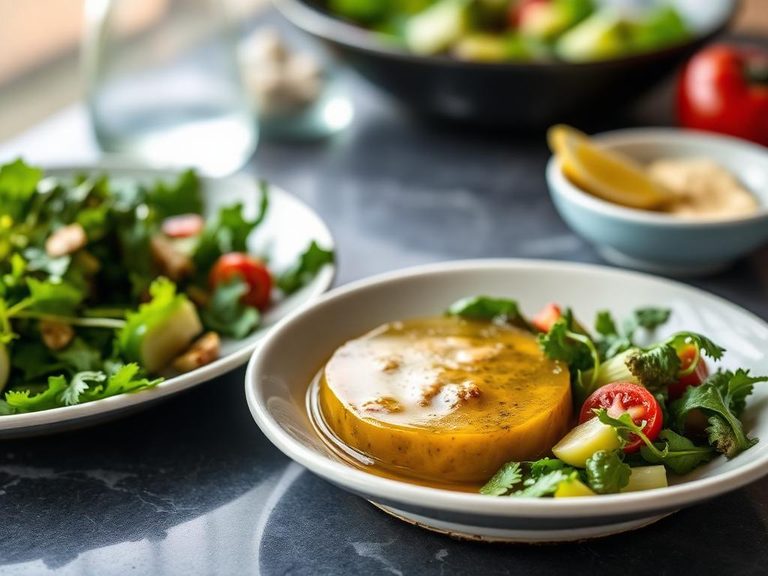
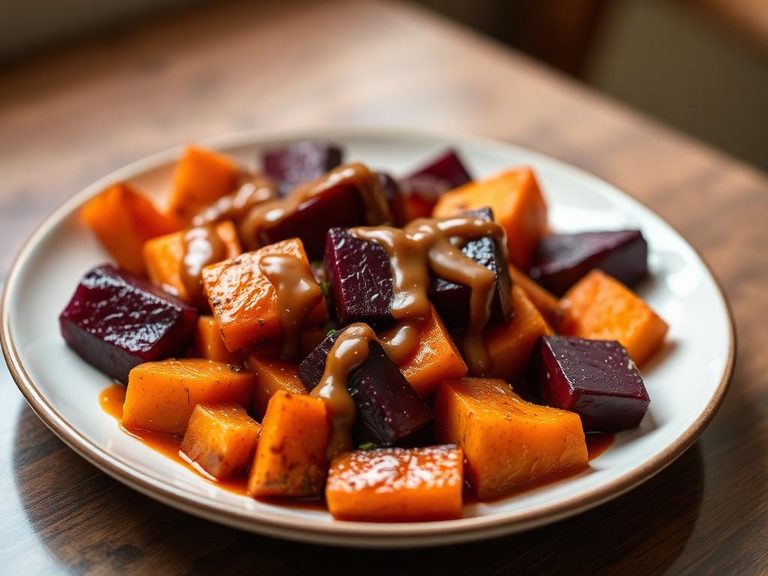
People love walnut oil for its intense, toasted nut flavor that can elevate a simple dish. It's a versatile finishing oil, beloved in salad dressings, drizzled over roasted vegetables, or stirred into pasta.
⚠️ Watch-outs & how to enjoy it better
It has a low smoke point (around 160°C/320°F) and can become bitter if overheated, making it unsuitable for high-heat cooking like frying. Those with tree nut allergies must avoid it completely. To counteract the low smoke point, always use it as a finishing oil or in cold preparations.
Key benefits
- Excellent source of alpha-linolenic acid (ALA), an essential omega-3 fatty acid.
- Rich in antioxidants, including polyphenols and vitamin E.
- May support heart health by improving cholesterol profiles.
- Contains anti-inflammatory compounds.
- Adds rich flavor without needing animal fats.
🍽️ Popular dishes




🌍 Where it's eaten
💡 Did you know?
Ancient Romans used walnut oil not just for food, but also as a base for perfumes and as a lubricant for machinery.
Full nutrition (USDA data · scales with serving)
| Water | 0.00 g |
| Energy | 884 kcal |
| Energy | 3699 kj |
| Protein | 0.00 g |
| Total lipid (fat) | 100 g |
| Ash | 0.00 g |
| Carbohydrate, by difference | 0.00 g |
| Fiber, total dietary | 0.00 g |
| Total Sugars | 0.00 g |
| Calcium, Ca | 0.00 mg |
| Iron, Fe | 0.00 mg |
| Magnesium, Mg | 0.00 mg |
| Phosphorus, P | 0.00 mg |
| Potassium, K | 0.00 mg |
| Sodium, Na | 0.00 mg |
| Zinc, Zn | 0.00 mg |
| Copper, Cu | 0.00 mg |
| Selenium, Se | 0.00 ug |
| Vitamin C, total ascorbic acid | 0.00 mg |
| Thiamin | 0.00 mg |
| Riboflavin | 0.00 mg |
| Niacin | 0.00 mg |
| Pantothenic acid | 0.00 mg |
| Vitamin B-6 | 0.00 mg |
| Folate, total | 0.00 ug |
| Folic acid | 0.00 ug |
| Folate, food | 0.00 ug |
| Folate, DFE | 0.00 ug |
| Choline, total | 0.40 mg |
| Betaine | 0.00 mg |
| Vitamin B-12 | 0.00 ug |
| Vitamin B-12, added | 0.00 ug |
| Vitamin A, RAE | 0.00 ug |
| Retinol | 0.00 ug |
| Carotene, beta | 0.00 ug |
| Carotene, alpha | 0.00 ug |
| Cryptoxanthin, beta | 0.00 ug |
| Vitamin A, IU | 0.00 iu |
| Lycopene | 0.00 ug |
| Lutein + zeaxanthin | 0.00 ug |
| Vitamin E (alpha-tocopherol) | 0.40 mg |
| Vitamin E, added | 0.00 mg |
| Vitamin D (D2 + D3), International Units | 0.00 iu |
| Vitamin D (D2 + D3) | 0.00 ug |
| Vitamin K (phylloquinone) | 15.0 ug |
| Alcohol, ethyl | 0.00 g |
| Caffeine | 0.00 mg |
| Theobromine | 0.00 mg |
Fat & fatty acid profile (per 100g)
| Fatty acids, total saturated | 9.1 g |
| SFA 4:0 | 0.00 g |
| SFA 6:0 | 0.00 g |
| SFA 8:0 | 0.00 g |
| SFA 10:0 | 0.00 g |
| SFA 12:0 | 0.00 g |
| SFA 14:0 | 0.00 g |
| SFA 16:0 | 7.0 g |
| SFA 18:0 | 2.0 g |
| Fatty acids, total monounsaturated | 22.8 g |
| MUFA 16:1 | 0.10 g |
| MUFA 18:1 | 22.2 g |
| MUFA 20:1 | 0.40 g |
| MUFA 22:1 | 0.00 g |
| Fatty acids, total polyunsaturated | 63.3 g |
| PUFA 18:2 | 52.9 g |
| PUFA 18:3 | 10.4 g |
| PUFA 18:4 | 0.00 g |
| PUFA 20:4 | 0.00 g |
| PUFA 20:5 n-3 (EPA) | 0.00 g |
| PUFA 22:5 n-3 (DPA) | 0.00 g |
| PUFA 22:6 n-3 (DHA) | 0.00 g |
| Cholesterol | 0.00 mg |
| Phytosterols | 176 mg |
Amino acid profile (per 100g)
| Tryptophan | 0.00 g |
| Threonine | 0.00 g |
| Isoleucine | 0.00 g |
| Leucine | 0.00 g |
| Lysine | 0.00 g |
| Methionine | 0.00 g |
| Cystine | 0.00 g |
| Phenylalanine | 0.00 g |
| Tyrosine | 0.00 g |
| Valine | 0.00 g |
| Arginine | 0.00 g |
| Histidine | 0.00 g |
| Alanine | 0.00 g |
| Aspartic acid | 0.00 g |
| Glutamic acid | 0.00 g |
| Glycine | 0.00 g |
| Proline | 0.00 g |
| Serine | 0.00 g |
FAQ
What's the difference between walnut oil and toasted walnut oil?
Regular walnut oil is made from raw walnuts and has a mild, nutty flavor. Toasted walnut oil is made from roasted walnuts, giving it a much deeper, more intense, and aromatic flavor.
Can I bake with walnut oil?
Yes, it's excellent in baking, especially in cakes, muffins, and quick breads where you want a pronounced nutty flavor. It can replace other neutral oils in many recipes.
How should I store walnut oil?
Store it in a cool, dark place, and once opened, keep it tightly sealed in the refrigerator to prevent it from going rancid. It has a shorter shelf life than more stable oils.
Nutrient density (calculated · NRF9.3)
Nutrient Rich Foods index: beneficial nutrients (protein, fiber, vitamins, minerals) minus saturated fat, added sugar & sodium, per 100 kcal.
NRF9.3 index — Fulgoni, Keast & Drewnowski, 2009. Computed from USDA nutrients.
Weight-loss friendliness (composite index)
Energy density 8.84 kcal/g · 0% calories from protein · 0.0 g fiber · 0.0 g sugar per 100 g.
Composite of energy density (Rolls et al., 1999), protein & fiber satiety, minus sugar. A calculated heuristic — ranks satiety-per-calorie, not a clinical measure.
Dietary load (calculated from USDA values)
Potential renal acid load. Positive = acid-forming, negative = alkaline-forming.
Sodium:potassium per WHO potassium guidance. Computed from USDA nutrients.