

In Chinese cold noodle dishes
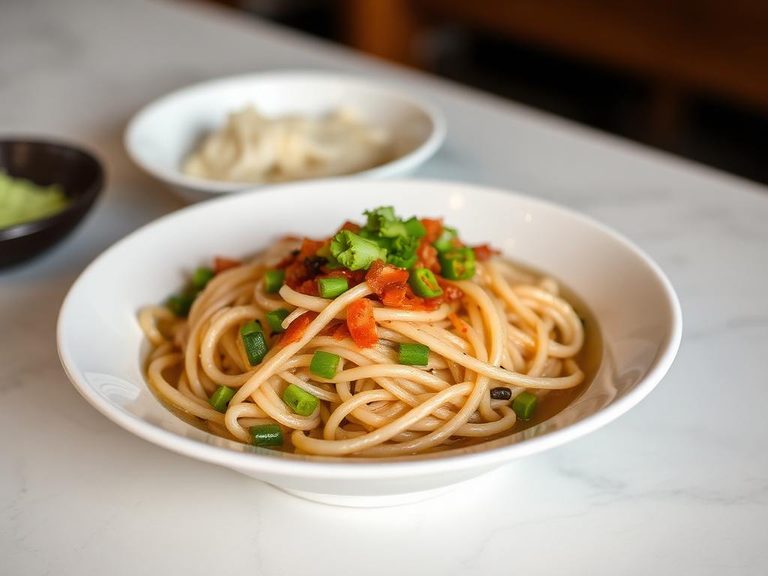
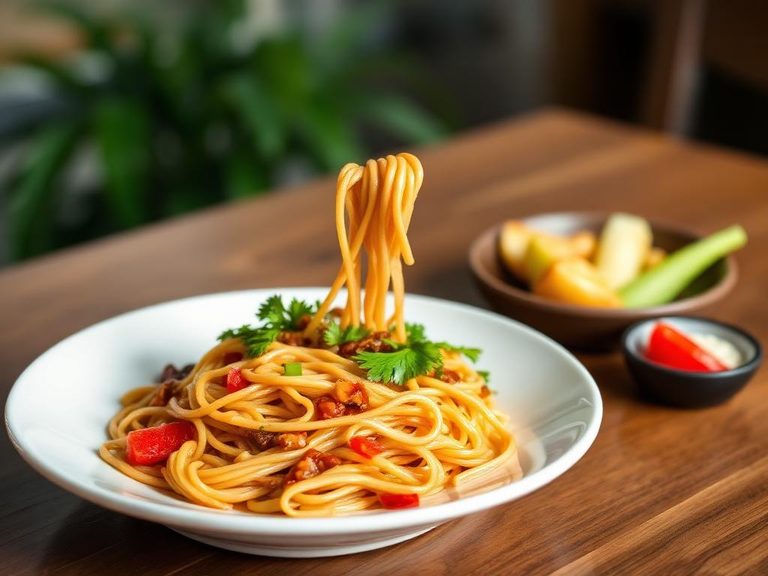
Chinese cold noodle dishes are a refreshing and versatile category of meals, typically featuring chilled wheat, rice, or mung bean noodles tossed in a savory, tangy, or spicy sauce. Common ingredients include fresh vegetables like cucumber and bean sprouts, protein sources such as shredded chicken or tofu, and aromatic garnishes like cilantro and crushed peanuts. These dishes are popular across China, especially during hot summer months, with regional variations like Sichuan's spicy 'liangfen' or Beijing's 'zhajiang mian' served cold.
🍽️ Nutrition at a glance
Cold noodle dishes are generally high in carbohydrates from the noodles, with moderate protein if meat or tofu is included, and low to moderate fat depending on the sauce and toppings. They provide key nutrients like B vitamins from the noodles, fiber from vegetables, and electrolytes from the sauce, with a typical serving ranging from 300 to 500 calories.
Nutrition breakdown
| Calories | 380 kcal |
| Protein | 12 g |
| Carbs | 60 g |
| Fat | 8 g |
| Fiber | 4 g |
| Sugar | 6 g |
| Sodium | 800 mg |
| Potassium | 250 mg |
| Iron | 2 mg |
| Calcium | 40 mg |
| Vitamin C | 10 mg |
| Vitamin B6 | 0.3 mg |
| Magnesium | 30 mg |
| Phosphorus | 100 mg |
| Zinc | 1.5 mg |
Per 1 typical serving (300 g) · estimated, varies by recipe
💡 What's interesting
Culturally, cold noodles are a staple of Chinese summer street food, symbolizing relief from heat and often associated with communal eating. Nutritionally, their high water content and vegetable additions make them hydrating and light, while the fermented or vinegar-based sauces can aid digestion.
🍽️ Related dishes
AI estimate may be inaccurate · Terms