

Oil, sunflower, high oleic (70% and over)
Whole food · Fats and Oils
High oleic sunflower oil is a refined, golden-hued cooking oil prized for its exceptionally high concentration of monounsaturated fats (oleic acid), making it a stable, neutral-tasting fat for high-heat cooking. Its light, clean flavor doesn't overpower dishes, and its high smoke point (around 232°C / 450°F) makes it ideal for frying and sautéing. Nutritionally, it's a pure fat source, providing 884 kcal per 100g, with virtually no protein, carbohydrates, or fiber.
Calorie split: 0% protein · 0% carbs · 100% fat
↓ Full nutrition💚 Why it's loved
People love it for its remarkable versatility and clean profile; it's the go-to oil for achieving crispy textures in fried foods without adding a distinct taste. Its stability also makes it a reliable choice for both home cooks and food manufacturers seeking a consistent, long-lasting fat.
⚠️ Watch-outs & how to enjoy it better
As a pure fat, it is extremely calorie-dense, and excessive consumption can contribute to weight gain if not portion-controlled. It's also a refined oil, lacking the polyphenols found in less processed oils like extra virgin olive oil. To counteract, use it sparingly, measure it with a spoon instead of pouring freely, and balance it with whole-food fats like avocado or nuts in your diet.
Key benefits
- High in heart-healthy monounsaturated fats (oleic acid)
- Very high smoke point, ideal for frying and searing
- Neutral flavor that doesn't alter the taste of food
- Long shelf life and good oxidative stability
- Contains vitamin E, a natural antioxidant
🍽️ Popular dishes
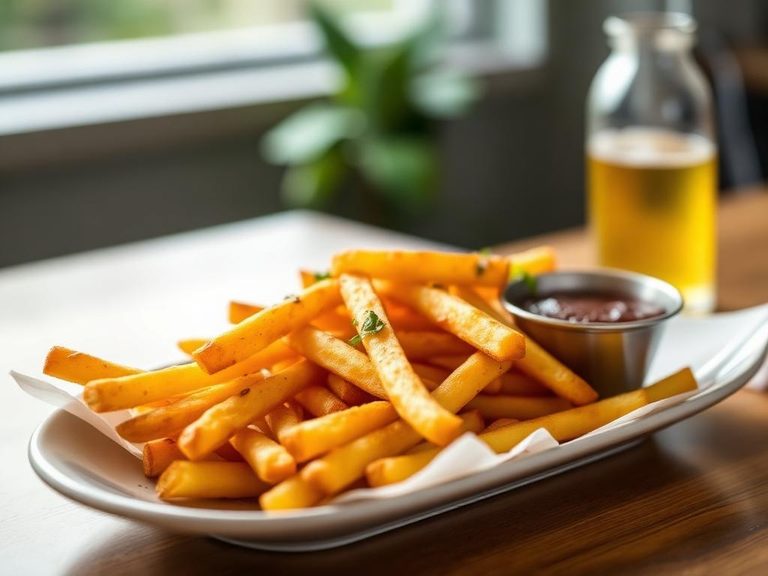

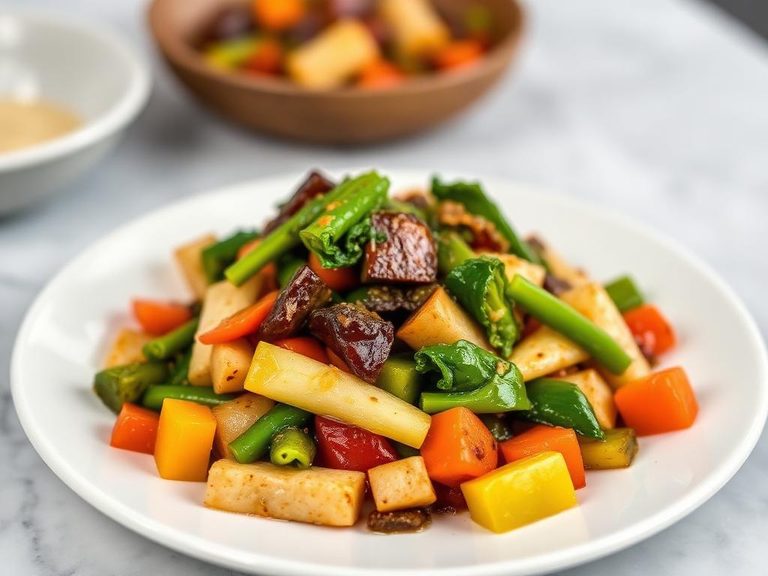


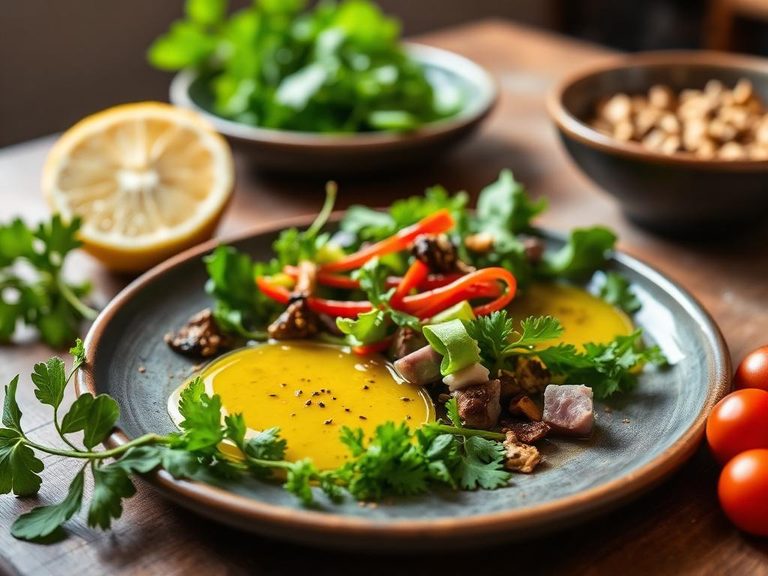
🌍 Where it's eaten
💡 Did you know?
High oleic sunflower oil is a product of plant breeding, not genetic modification; scientists selected sunflower varieties with naturally higher oleic acid content to create a more stable, healthier oil profile.
Full nutrition (USDA data · scales with serving)
| Water | 0.00 g |
| Energy | 884 kcal |
| Energy | 3699 kj |
| Protein | 0.00 g |
| Total lipid (fat) | 100 g |
| Ash | 0.00 g |
| Carbohydrate, by difference | 0.00 g |
| Fiber, total dietary | 0.00 g |
| Total Sugars | 0.00 g |
| Calcium, Ca | 0.00 mg |
| Iron, Fe | 0.00 mg |
| Magnesium, Mg | 0.00 mg |
| Phosphorus, P | 0.00 mg |
| Potassium, K | 0.00 mg |
| Sodium, Na | 0.00 mg |
| Zinc, Zn | 0.00 mg |
| Copper, Cu | 0.00 mg |
| Manganese, Mn | 0.00 mg |
| Selenium, Se | 0.00 ug |
| Vitamin C, total ascorbic acid | 0.00 mg |
| Thiamin | 0.00 mg |
| Riboflavin | 0.00 mg |
| Niacin | 0.00 mg |
| Pantothenic acid | 0.00 mg |
| Vitamin B-6 | 0.00 mg |
| Folate, total | 0.00 ug |
| Folic acid | 0.00 ug |
| Folate, food | 0.00 ug |
| Folate, DFE | 0.00 ug |
| Choline, total | 0.20 mg |
| Vitamin B-12 | 0.00 ug |
| Vitamin B-12, added | 0.00 ug |
| Vitamin A, RAE | 0.00 ug |
| Retinol | 0.00 ug |
| Carotene, beta | 0.00 ug |
| Carotene, alpha | 0.00 ug |
| Cryptoxanthin, beta | 0.00 ug |
| Vitamin A, IU | 0.00 iu |
| Lycopene | 0.00 ug |
| Lutein + zeaxanthin | 0.00 ug |
| Vitamin E (alpha-tocopherol) | 41.1 mg |
| Vitamin E, added | 0.00 mg |
| Vitamin D (D2 + D3), International Units | 0.00 iu |
| Vitamin D (D2 + D3) | 0.00 ug |
| Vitamin K (phylloquinone) | 5.4 ug |
| Alcohol, ethyl | 0.00 g |
| Caffeine | 0.00 mg |
| Theobromine | 0.00 mg |
Fat & fatty acid profile (per 100g)
| Fatty acids, total saturated | 9.9 g |
| SFA 4:0 | 0.00 g |
| SFA 6:0 | 0.00 g |
| SFA 8:0 | 0.00 g |
| SFA 10:0 | 0.00 g |
| SFA 12:0 | 0.00 g |
| SFA 14:0 | 0.06 g |
| SFA 15:0 | 0.80 g |
| SFA 16:0 | 3.7 g |
| SFA 18:0 | 4.3 g |
| SFA 22:0 | 1.0 g |
| Fatty acids, total monounsaturated | 83.7 g |
| MUFA 16:1 | 0.10 g |
| MUFA 18:1 | 82.6 g |
| MUFA 20:1 | 0.96 g |
| MUFA 22:1 | 0.00 g |
| Fatty acids, total polyunsaturated | 3.8 g |
| PUFA 18:2 | 3.6 g |
| PUFA 18:3 | 0.19 g |
| PUFA 18:4 | 0.00 g |
| PUFA 20:4 | 0.00 g |
| PUFA 20:5 n-3 (EPA) | 0.00 g |
| PUFA 22:5 n-3 (DPA) | 0.00 g |
| PUFA 22:6 n-3 (DHA) | 0.00 g |
| Cholesterol | 0.00 mg |
Amino acid profile (per 100g)
Estimated from Oil, safflower, salad or cooking, high oleic (primary safflower oil of commerce) — USDA does not publish this profile for Oil.
| Tryptophan | 0.00 g |
| Threonine | 0.00 g |
| Isoleucine | 0.00 g |
| Leucine | 0.00 g |
| Lysine | 0.00 g |
| Methionine | 0.00 g |
| Cystine | 0.00 g |
| Phenylalanine | 0.00 g |
| Tyrosine | 0.00 g |
| Valine | 0.00 g |
| Arginine | 0.00 g |
| Histidine | 0.00 g |
| Alanine | 0.00 g |
| Aspartic acid | 0.00 g |
| Glutamic acid | 0.00 g |
| Glycine | 0.00 g |
| Proline | 0.00 g |
| Serine | 0.00 g |
FAQ
What is the difference between regular and high oleic sunflower oil?
High oleic sunflower oil contains 70% or more oleic acid (a monounsaturated fat), while regular sunflower oil is higher in linoleic acid (a polyunsaturated fat). This makes the high oleic version more stable at high temperatures and gives it a longer shelf life.
Can I use high oleic sunflower oil for deep frying?
Yes, it's excellent for deep frying due to its high smoke point and stability, which means it resists breaking down and producing harmful compounds at high heat.
Is high oleic sunflower oil healthy?
It's a source of monounsaturated fats, which are considered heart-healthy when used in moderation as part of a balanced diet. However, it's still a calorie-dense fat and should be used sparingly.
Nutrient density (calculated · NRF9.3)
Nutrient Rich Foods index: beneficial nutrients (protein, fiber, vitamins, minerals) minus saturated fat, added sugar & sodium, per 100 kcal.
NRF9.3 index — Fulgoni, Keast & Drewnowski, 2009. Computed from USDA nutrients.
Weight-loss friendliness (composite index)
Energy density 8.84 kcal/g · 0% calories from protein · 0.0 g fiber · 0.0 g sugar per 100 g.
Composite of energy density (Rolls et al., 1999), protein & fiber satiety, minus sugar. A calculated heuristic — ranks satiety-per-calorie, not a clinical measure.
Dietary load (calculated from USDA values)
Potential renal acid load. Positive = acid-forming, negative = alkaline-forming.
Sodium:potassium per WHO potassium guidance. Computed from USDA nutrients.