

Oil, soybean lecithin
Whole food · Fats and Oils

Photo: Wikipedia
Soybean lecithin is a yellowish-brown, viscous oil extracted from soybeans, known for its smooth, slightly oily texture and mild, nutty flavor. It's a concentrated source of pure fat, providing 763 kcal per 100g, and is prized in food science as a powerful natural emulsifier.
Calorie split: 0% protein · 0% carbs · 100% fat
↓ Full nutrition💚 Why it's loved
People love it for its unparalleled ability to create smooth, stable sauces, dressings, and baked goods without separation. It's a versatile kitchen staple for both professional chefs and home bakers seeking perfect texture.
⚠️ Watch-outs & how to enjoy it better
As a highly concentrated fat, overuse can lead to excessive calorie intake. Some individuals may have a soy allergy, and it can have a slightly bitter aftertaste if used in large quantities. Counter this by using it sparingly as a functional ingredient (e.g., 1/4 to 1/2 tsp per cup of dressing) and always check labels if you have a soy sensitivity.
Key benefits
- Natural emulsifier that blends oil and water-based ingredients.
- Rich in phosphatidylcholine, a key component of cell membranes.
- Helps improve texture and extend shelf life in processed foods.
- Can reduce the need for artificial additives in home cooking.
🍽️ Popular dishes
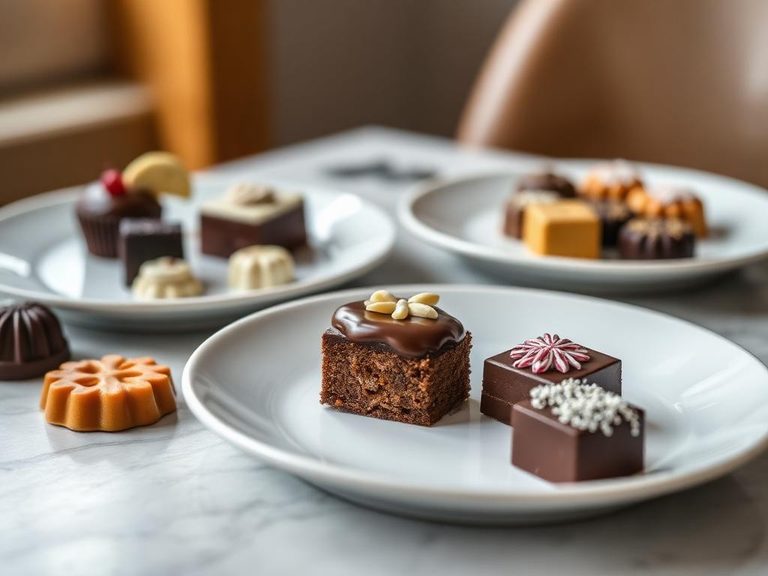
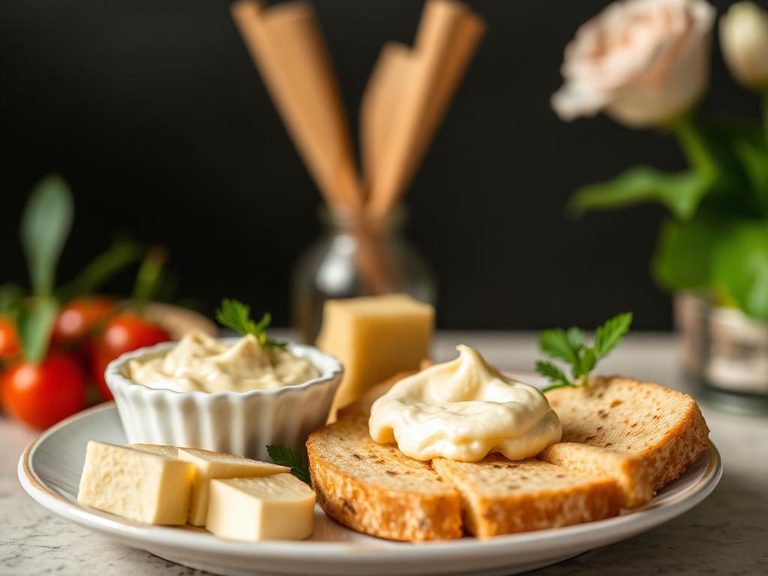
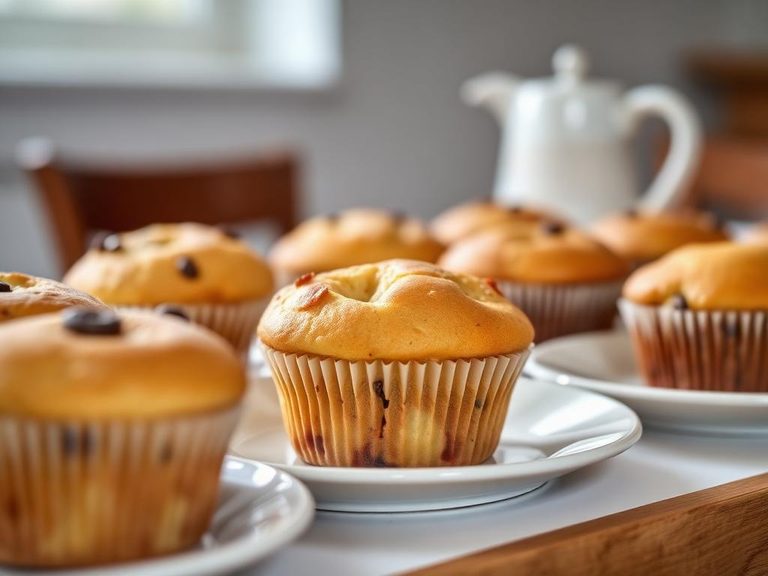
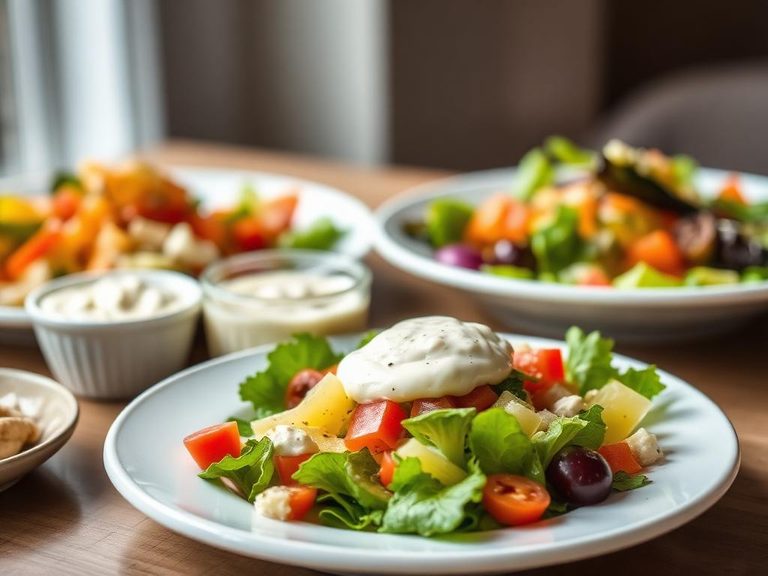
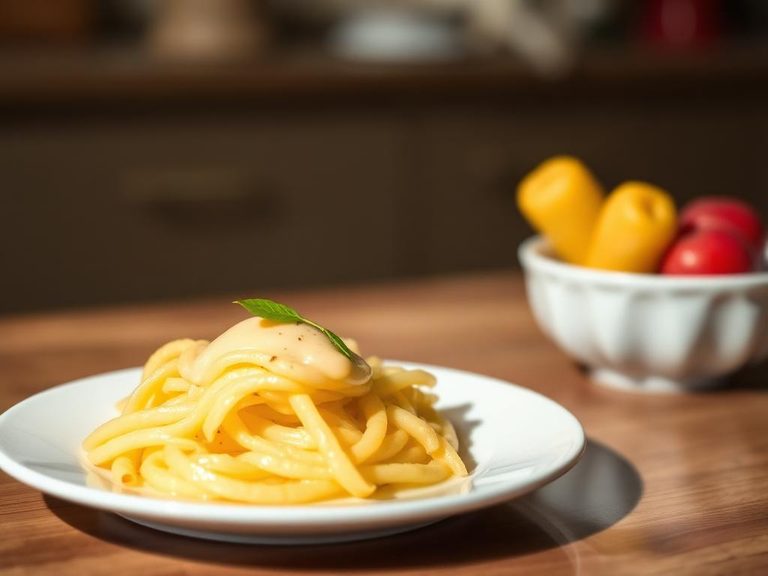
🌍 Where it's eaten
💡 Did you know?
Lecithin gets its name from the Greek word 'lekithos,' meaning egg yolk, as it was first isolated from eggs in 1845.
Full nutrition (USDA data · scales with serving)
| Water | 0.00 g |
| Energy | 763 kcal |
| Energy | 3192 kj |
| Protein | 0.00 g |
| Total lipid (fat) | 100 g |
| Ash | 0.00 g |
| Carbohydrate, by difference | 0.00 g |
| Fiber, total dietary | 0.00 g |
| Total Sugars | 0.00 g |
| Calcium, Ca | 0.00 mg |
| Iron, Fe | 0.00 mg |
| Magnesium, Mg | 0.00 mg |
| Phosphorus, P | 0.00 mg |
| Potassium, K | 0.00 mg |
| Sodium, Na | 0.00 mg |
| Zinc, Zn | 0.00 mg |
| Copper, Cu | 0.00 mg |
| Manganese, Mn | 0.00 mg |
| Selenium, Se | 0.00 ug |
| Vitamin C, total ascorbic acid | 0.00 mg |
| Thiamin | 0.00 mg |
| Riboflavin | 0.00 mg |
| Niacin | 0.00 mg |
| Pantothenic acid | 0.00 mg |
| Vitamin B-6 | 0.00 mg |
| Folate, total | 0.00 ug |
| Folic acid | 0.00 ug |
| Folate, food | 0.00 ug |
| Folate, DFE | 0.00 ug |
| Choline, total | 350 mg |
| Vitamin B-12 | 0.00 ug |
| Vitamin B-12, added | 0.00 ug |
| Vitamin A, RAE | 0.00 ug |
| Retinol | 0.00 ug |
| Carotene, beta | 0.00 ug |
| Carotene, alpha | 0.00 ug |
| Cryptoxanthin, beta | 0.00 ug |
| Vitamin A, IU | 0.00 iu |
| Lycopene | 0.00 ug |
| Lutein + zeaxanthin | 0.00 ug |
| Vitamin E (alpha-tocopherol) | 8.2 mg |
| Vitamin E, added | 0.00 mg |
| Vitamin D (D2 + D3), International Units | 0.00 iu |
| Vitamin D (D2 + D3) | 0.00 ug |
| Vitamin K (phylloquinone) | 184 ug |
| Alcohol, ethyl | 0.00 g |
| Caffeine | 0.00 mg |
| Theobromine | 0.00 mg |
Fat & fatty acid profile (per 100g)
| Fatty acids, total saturated | 15.0 g |
| SFA 4:0 | 0.00 g |
| SFA 6:0 | 0.00 g |
| SFA 8:0 | 0.00 g |
| SFA 10:0 | 0.00 g |
| SFA 12:0 | 0.00 g |
| SFA 14:0 | 0.10 g |
| SFA 16:0 | 12.0 g |
| SFA 18:0 | 2.9 g |
| Fatty acids, total monounsaturated | 11.0 g |
| MUFA 16:1 | 0.40 g |
| MUFA 18:1 | 10.6 g |
| MUFA 20:1 | 0.00 g |
| MUFA 22:1 | 0.00 g |
| Fatty acids, total polyunsaturated | 45.3 g |
| PUFA 18:2 | 40.2 g |
| PUFA 18:3 | 5.1 g |
| PUFA 18:4 | 0.00 g |
| PUFA 20:4 | 0.00 g |
| PUFA 20:5 n-3 (EPA) | 0.00 g |
| PUFA 22:5 n-3 (DPA) | 0.00 g |
| PUFA 22:6 n-3 (DHA) | 0.00 g |
| Cholesterol | 0.00 mg |
Amino acid profile (per 100g)
Estimated from Oil, safflower, salad or cooking, high oleic (primary safflower oil of commerce) — USDA does not publish this profile for Oil.
| Tryptophan | 0.00 g |
| Threonine | 0.00 g |
| Isoleucine | 0.00 g |
| Leucine | 0.00 g |
| Lysine | 0.00 g |
| Methionine | 0.00 g |
| Cystine | 0.00 g |
| Phenylalanine | 0.00 g |
| Tyrosine | 0.00 g |
| Valine | 0.00 g |
| Arginine | 0.00 g |
| Histidine | 0.00 g |
| Alanine | 0.00 g |
| Aspartic acid | 0.00 g |
| Glutamic acid | 0.00 g |
| Glycine | 0.00 g |
| Proline | 0.00 g |
| Serine | 0.00 g |
FAQ
What is the difference between soybean lecithin and sunflower lecithin?
Both are emulsifiers, but soy lecithin is more common and cheaper. Sunflower lecithin is often chosen by those avoiding soy for allergen or GMO concerns, though it can be more expensive.
Can I use soybean lecithin in raw or no-bake recipes?
Yes, it's excellent for raw desserts, energy balls, and no-bake cheesecakes to improve texture and prevent ingredient separation.
Is soybean lecithin gluten-free?
Pure soy lecithin is naturally gluten-free, but always check the product label for potential cross-contamination warnings if you have celiac disease.
Nutrient density (calculated · NRF9.3)
Nutrient Rich Foods index: beneficial nutrients (protein, fiber, vitamins, minerals) minus saturated fat, added sugar & sodium, per 100 kcal.
NRF9.3 index — Fulgoni, Keast & Drewnowski, 2009. Computed from USDA nutrients.
Weight-loss friendliness (composite index)
Energy density 7.63 kcal/g · 0% calories from protein · 0.0 g fiber · 0.0 g sugar per 100 g.
Composite of energy density (Rolls et al., 1999), protein & fiber satiety, minus sugar. A calculated heuristic — ranks satiety-per-calorie, not a clinical measure.
Dietary load (calculated from USDA values)
Potential renal acid load. Positive = acid-forming, negative = alkaline-forming.
Sodium:potassium per WHO potassium guidance. Computed from USDA nutrients.