Margarine and spreads
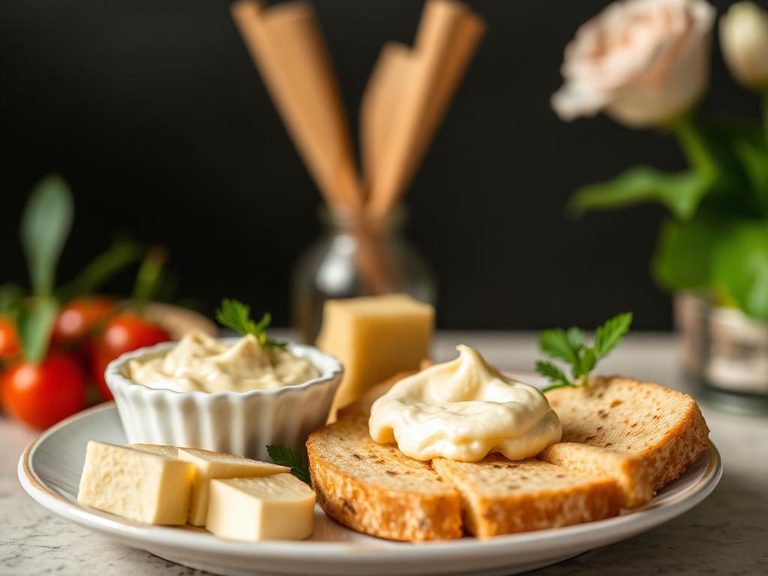
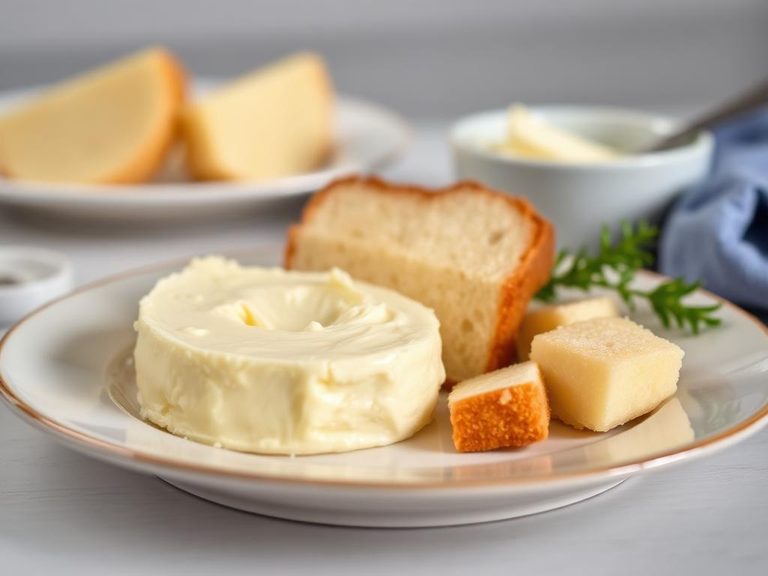
Margarine and spreads are butter alternatives made from vegetable oils, often blended with water, salt, and emulsifiers. They originated in the 19th century as a cheaper, longer-lasting substitute for dairy butter and are now a global pantry staple.
🍽️ Nutrition at a glance
These spreads are primarily a source of fat, often containing less saturated fat than butter, and are typically calorie-dense. Many are fortified with vitamins like A and D, and some offer plant-based sterols that can help manage cholesterol.
Nutrition breakdown
| Calories | 100 kcal |
| Protein | 0 g |
| Carbs | 0 g |
| Fat | 11 g |
| Fiber | 0 g |
| Sugar | 0 g |
| Sodium | 100 mg |
| Vitamin A | 100 mcg RAE |
| Vitamin D | 2 mcg |
| Vitamin E | 2 mg |
| Saturated Fat | 2.5 g |
| Monounsaturated Fat | 4 g |
| Polyunsaturated Fat | 3.5 g |
| Trans Fat | 0 g |
| Cholesterol | 0 mg |
Per 1 tablespoon (14 g) · estimated, varies by recipe
💡 What's interesting
Margarine's invention was the result of a prize offered by Napoleon III to create a butter substitute for his armies and the working class. Nutritionally, the shift from partially hydrogenated oils (high in trans fats) to newer formulations using interesterification or blending has significantly changed its health profile.