

Oil, safflower
Whole food · Fats and Oils

Photo: Wikipedia
Safflower oil is a light, neutral-flavored cooking oil extracted from the seeds of the safflower plant. It is prized for its high smoke point and clean taste, making it a versatile kitchen staple. Nutritionally, it is a pure fat source, predominantly composed of heart-healthy polyunsaturated and monounsaturated fatty acids.
💚 Why it's loved
People love safflower oil for its incredibly neutral taste, which allows the flavors of other ingredients to shine through. Its versatility in everything from salad dressings to high-heat cooking makes it a reliable, all-purpose oil in many kitchens.
⚠️ Watch-outs & how to enjoy it better
Some nutritionists caution about its high omega-6 fatty acid content, which, in excess relative to omega-3s, may promote inflammation. To counteract this, balance your diet with omega-3-rich foods like fatty fish, flaxseeds, or walnuts, and use safflower oil as one part of a varied fat intake.
Key benefits
- High in polyunsaturated fats, including omega-6 fatty acids.
- Good source of vitamin E, a natural antioxidant.
- Neutral flavor profile doesn't overpower other ingredients.
- High smoke point suitable for frying and sautéing.
- Naturally free of cholesterol and trans fats.
🍽️ Popular dishes
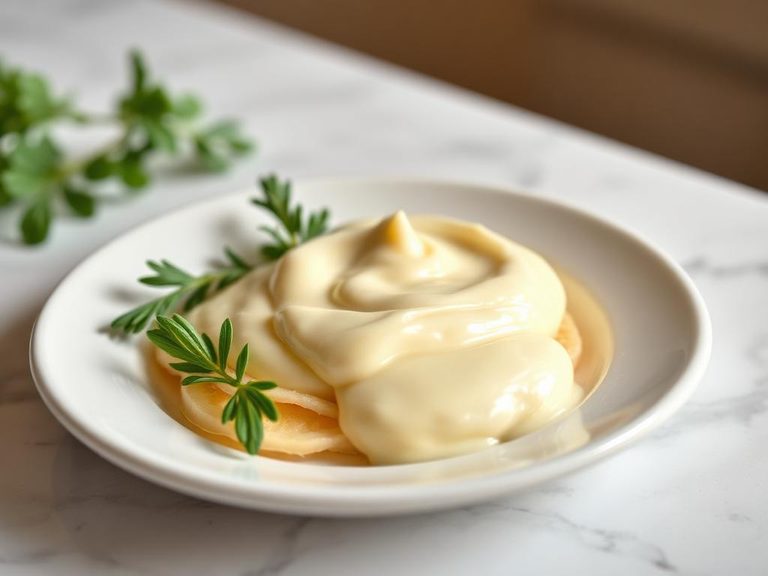

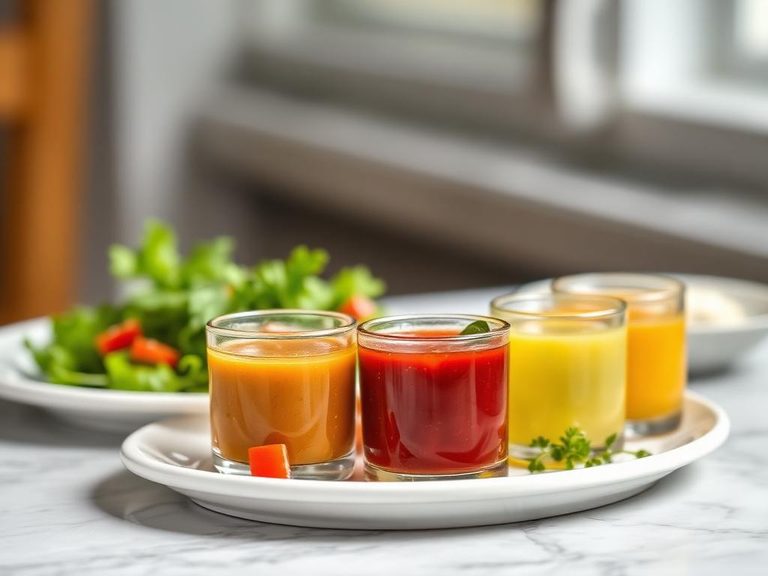
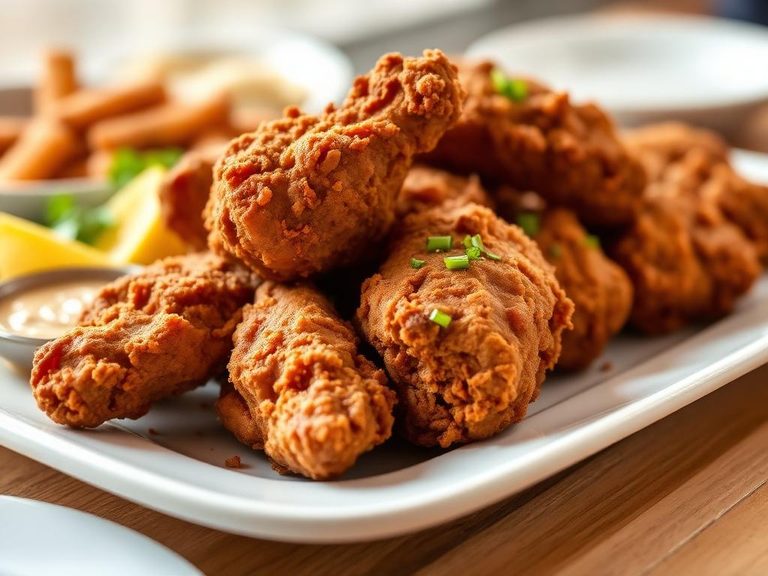
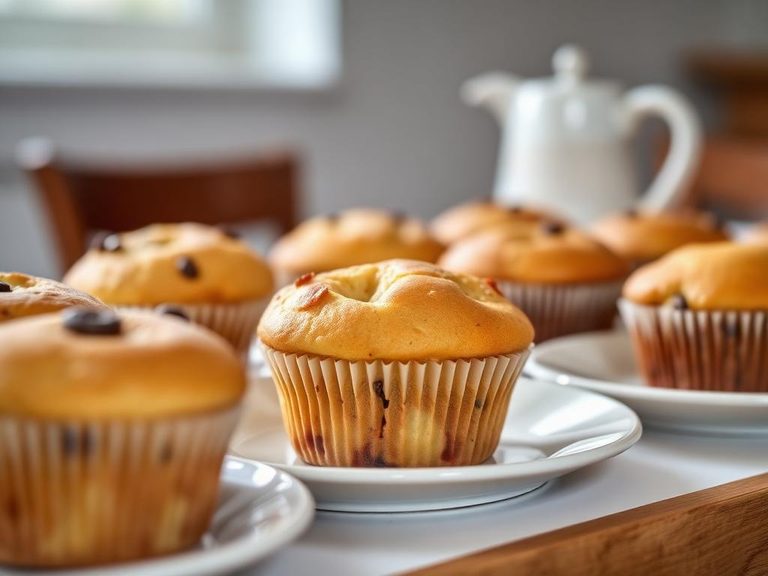
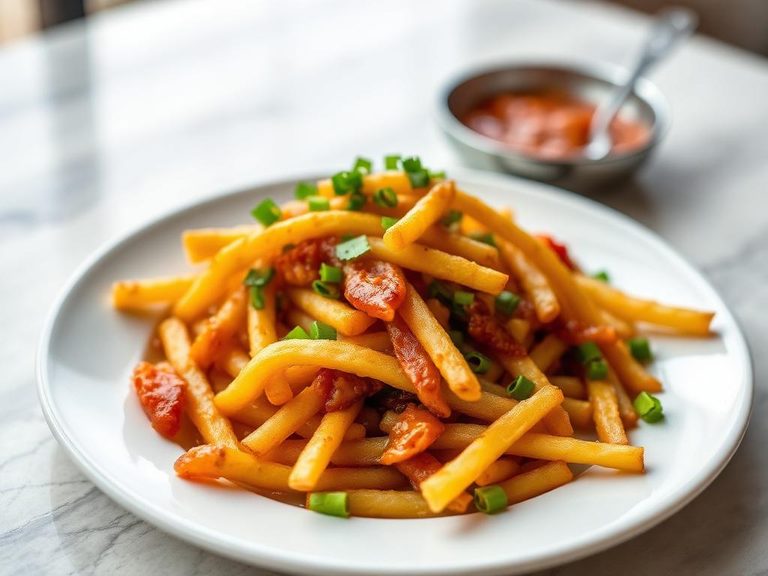
🌍 Where it's eaten
💡 Did you know?
Safflower was once more valuable than saffron, as its vibrant yellow-orange petals were used as a cheaper substitute for the expensive spice to color and flavor foods.
Full nutrition (USDA data · scales with serving)
| Total fat (NLEA) | 93.2 g |
| Vitamin E (alpha-tocopherol) | 46.0 mg |
| Tocopherol, beta | 1.2 mg |
| Tocopherol, gamma | 3.5 mg |
| Tocopherol, delta | 0.66 mg |
| Tocotrienol, alpha | 0.00 mg |
| Tocotrienol, beta | 0.00 mg |
| Tocotrienol, gamma | 0.00 mg |
| Tocotrienol, delta | 0.00 mg |
| Vitamin K (phylloquinone) | 5.3 ug |
| Vitamin K (Dihydrophylloquinone) | 0.00 ug |
| Vitamin K (Menaquinone-4) | 0.00 ug |
| Stigmastadiene | 0.00 mg |
| Delta-7-Stigmastenol | 50.8 mg |
Fat & fatty acid profile (per 100g)
| Fatty acids, total saturated | 7.7 g |
| SFA 4:0 | 0.00 g |
| SFA 5:0 | 0.00 g |
| SFA 6:0 | 0.00 g |
| SFA 7:0 | 0.00 g |
| SFA 8:0 | 0.00 g |
| SFA 9:0 | 0.00 g |
| SFA 10:0 | 0.00 g |
| SFA 11:0 | 0.00 g |
| SFA 12:0 | 0.00 g |
| SFA 14:0 | 0.07 g |
| SFA 15:0 | 0.02 g |
| SFA 16:0 | 4.7 g |
| SFA 17:0 | 0.03 g |
| SFA 18:0 | 2.0 g |
| SFA 20:0 | 0.40 g |
| SFA 21:0 | 0.01 g |
| SFA 22:0 | 0.31 g |
| SFA 23:0 | 0.00 g |
| SFA 24:0 | 0.19 g |
| Fatty acids, total monounsaturated | 71.6 g |
| MUFA 12:1 | 0.00 g |
| MUFA 14:1 c | 0.00 g |
| MUFA 15:1 | 0.00 g |
| MUFA 16:1 c | 0.09 g |
| MUFA 17:1 | 0.04 g |
| MUFA 17:1 c | 0.04 g |
| MUFA 18:1 c | 71.0 g |
| MUFA 20:1 c | 0.32 g |
| MUFA 22:1 c | 0.01 g |
| MUFA 22:1 n-9 | 0.01 g |
| MUFA 22:1 n-11 | 0.00 g |
| MUFA 24:1 c | 0.17 g |
| Fatty acids, total polyunsaturated | 13.8 g |
| PUFA 18:2 c | 13.6 g |
| PUFA 18:2 n-6 c,c | 13.6 g |
| PUFA 18:2 CLAs | 0.02 g |
| PUFA 18:3 c | 0.15 g |
| PUFA 18:3 n-3 c,c,c (ALA) | 0.15 g |
| PUFA 18:3 n-6 c,c,c | 0.00 g |
| PUFA 18:4 | 0.00 g |
| PUFA 20:2 c | 0.00 g |
| PUFA 20:2 n-6 c,c | 0.00 g |
| PUFA 20:3 c | 0.00 g |
| PUFA 20:3 n-3 | 0.00 g |
| PUFA 20:3 n-6 | 0.00 g |
| PUFA 20:3 n-9 | 0.00 g |
| PUFA 22:3 | 0.01 g |
| PUFA 20:4 | 0.00 g |
| PUFA 20:4c | 0.00 g |
| PUFA 20:5c | 0.00 g |
| PUFA 20:5 n-3 (EPA) | 0.00 g |
| PUFA 22:2 | 0.01 g |
| PUFA 22:5 c | 0.00 g |
| PUFA 22:4 | 0.00 g |
| PUFA 22:5 n-3 (DPA) | 0.00 g |
| PUFA 22:6 c | 0.00 g |
| PUFA 22:6 n-3 (DHA) | 0.00 g |
| Fatty acids, total trans | 0.13 g |
| Fatty acids, total trans-monoenoic | 0.04 g |
| TFA 14:1 t | 0.00 g |
| TFA 16:1 t | 0.00 g |
| TFA 18:1 t | 0.04 g |
| TFA 20:1 t | 0.00 g |
| TFA 22:1 t | 0.00 g |
| TFA 18:2 t not further defined | 0.09 g |
| TFA 18:2 t | 0.09 g |
| Fatty acids, total trans-polyenoic | 0.00 g |
| TFA 18:3 t | 0.00 g |
| Stigmasterol | 16.9 mg |
| Campesterol | 35.5 mg |
| Brassicasterol | 0.00 mg |
| Beta-sitosterol | 148 mg |
| Campestanol | 1.1 mg |
| Beta-sitostanol | 11.8 mg |
| Delta-5-avenasterol | 14.0 mg |
Amino acid profile (per 100g)
Estimated from Oil, safflower, salad or cooking, high oleic (primary safflower oil of commerce) — USDA does not publish this profile for Oil.
| Tryptophan | 0.00 g |
| Threonine | 0.00 g |
| Isoleucine | 0.00 g |
| Leucine | 0.00 g |
| Lysine | 0.00 g |
| Methionine | 0.00 g |
| Cystine | 0.00 g |
| Phenylalanine | 0.00 g |
| Tyrosine | 0.00 g |
| Valine | 0.00 g |
| Arginine | 0.00 g |
| Histidine | 0.00 g |
| Alanine | 0.00 g |
| Aspartic acid | 0.00 g |
| Glutamic acid | 0.00 g |
| Glycine | 0.00 g |
| Proline | 0.00 g |
| Serine | 0.00 g |
FAQ
Is safflower oil the same as saffron?
No, they are completely different. Safflower oil comes from the seeds of the safflower plant, while saffron is a spice made from the dried stigmas of the crocus flower.
What is the difference between high-oleic and linoleic safflower oil?
High-oleic safflower oil is bred to be high in monounsaturated fats (like olive oil) and is more stable for high-heat cooking. Linoleic safflower oil is high in polyunsaturated fats and is better suited for dressings and low-heat uses.
Can I use safflower oil for deep frying?
Yes, especially high-oleic safflower oil. It has a high smoke point (around 450°F or 232°C) and a clean flavor, making it a good choice for deep frying.