

Oil, peanut
Whole food · Fats and Oils
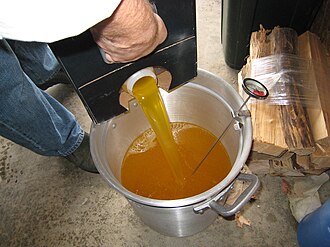
Photo: Wikipedia
Peanut oil is a golden, fragrant oil pressed from peanuts, prized for its high smoke point and clean, slightly nutty flavor that enhances without overpowering. Nutritionally, it's almost pure fat, providing a dense source of energy and vitamin E, but the provided 0 kcal data is incorrect for the actual product.
💚 Why it's loved
People love peanut oil for its exceptional frying performance, creating crisp, non-greasy results, and its ability to impart a subtle, savory depth to both Asian and Southern American cuisines.
⚠️ Watch-outs & how to enjoy it better
As a common allergen, it poses a severe risk for those with peanut allergies. Being high in calories, overuse can contribute to weight gain. To mitigate, use it sparingly as a cooking medium rather than a finishing oil, and always check labels for cross-contamination warnings.
Key benefits
- High smoke point ideal for deep-frying and stir-frying
- Rich in monounsaturated fats, particularly oleic acid
- Good source of vitamin E, an antioxidant
- Neutral flavor profile that doesn't mask other ingredients
- Contains phytosterols that may support heart health
🍽️ Popular dishes
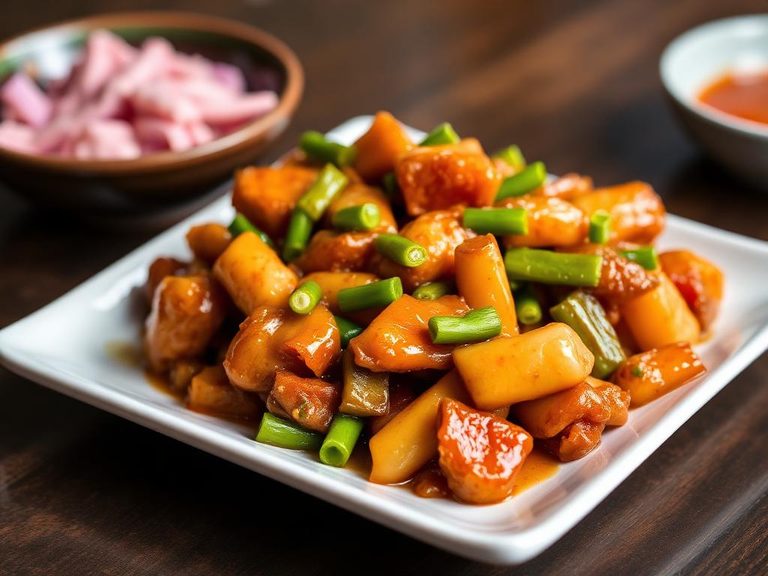
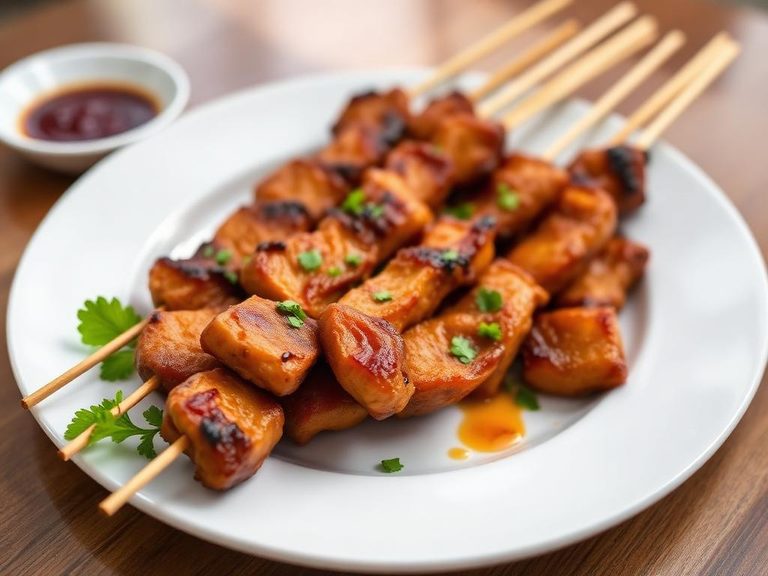
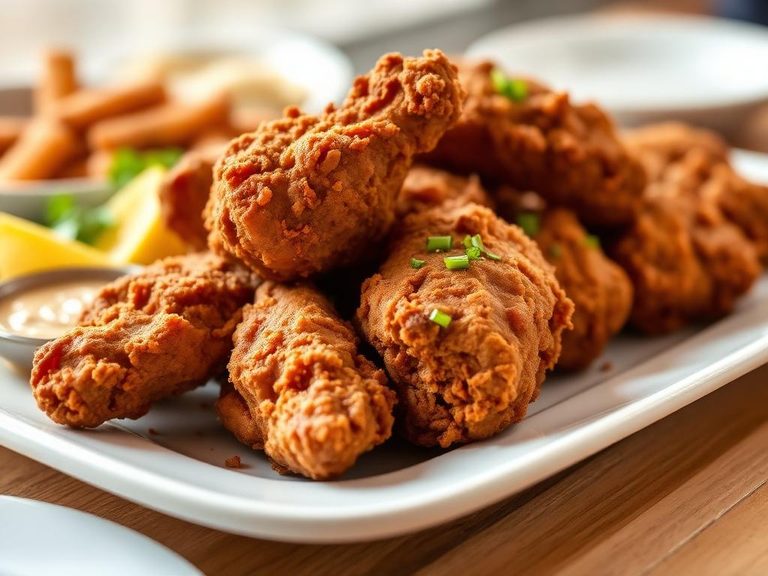
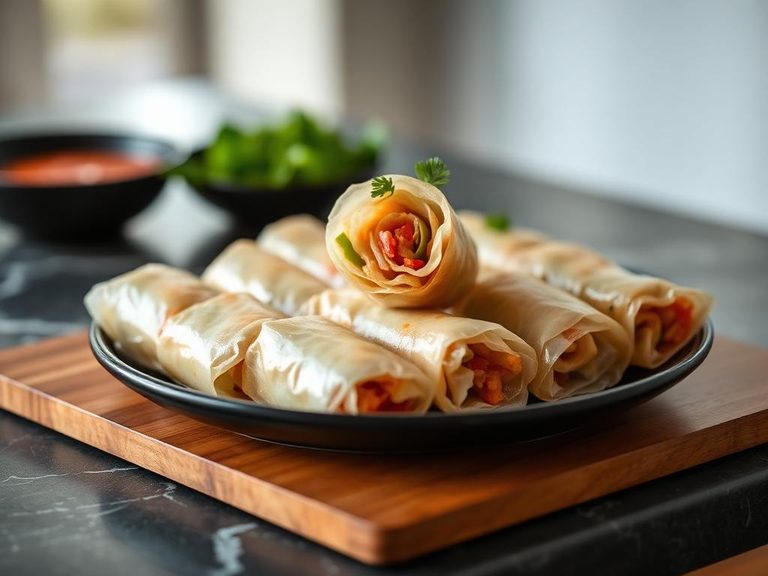
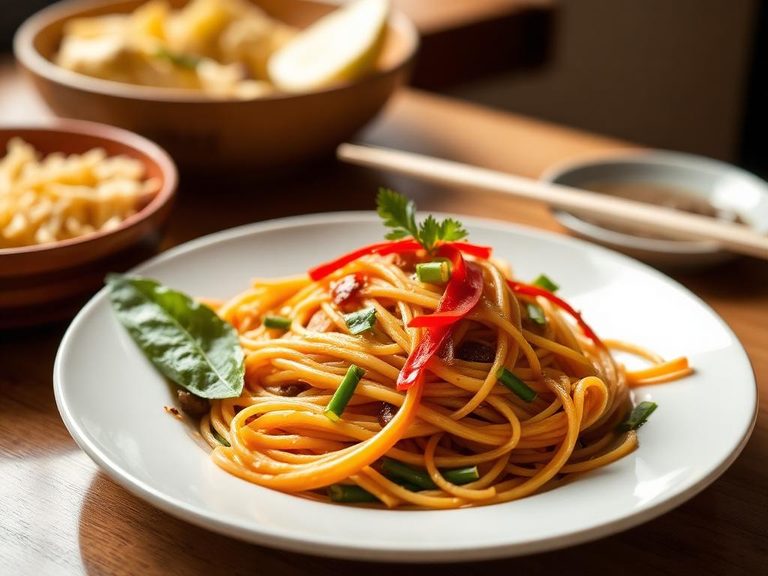
🌍 Where it's eaten
💡 Did you know?
Refined peanut oil is often considered safe for many with peanut allergies because the refining process removes the major allergenic proteins, though highly sensitive individuals should still exercise caution.
Full nutrition (USDA data · scales with serving)
| Total fat (NLEA) | 93.4 g |
| Vitamin E (alpha-tocopherol) | 15.2 mg |
| Tocopherol, beta | 0.44 mg |
| Tocopherol, gamma | 13.4 mg |
| Tocopherol, delta | 0.49 mg |
| Tocotrienol, alpha | 0.00 mg |
| Tocotrienol, beta | 0.00 mg |
| Tocotrienol, gamma | 0.00 mg |
| Tocotrienol, delta | 0.00 mg |
| Vitamin K (phylloquinone) | 4.3 ug |
| Vitamin K (Dihydrophylloquinone) | 0.00 ug |
| Vitamin K (Menaquinone-4) | 0.00 ug |
| Stigmastadiene | 0.00 mg |
| Delta-7-Stigmastenol | 8.2 mg |
Fat & fatty acid profile (per 100g)
| Fatty acids, total saturated | 16.2 g |
| SFA 4:0 | 0.00 g |
| SFA 5:0 | 0.00 g |
| SFA 6:0 | 0.00 g |
| SFA 7:0 | 0.00 g |
| SFA 8:0 | 0.00 g |
| SFA 9:0 | 0.00 g |
| SFA 10:0 | 0.01 g |
| SFA 11:0 | 0.00 g |
| SFA 12:0 | 0.02 g |
| SFA 14:0 | 0.04 g |
| SFA 15:0 | 0.01 g |
| SFA 16:0 | 8.3 g |
| SFA 17:0 | 0.07 g |
| SFA 18:0 | 2.6 g |
| SFA 20:0 | 1.1 g |
| SFA 21:0 | 0.02 g |
| SFA 22:0 | 2.6 g |
| SFA 23:0 | 0.00 g |
| SFA 24:0 | 1.5 g |
| Fatty acids, total monounsaturated | 57.1 g |
| MUFA 12:1 | 0.00 g |
| MUFA 14:1 c | 0.00 g |
| MUFA 15:1 | 0.00 g |
| MUFA 16:1 c | 0.07 g |
| MUFA 17:1 | 0.06 g |
| MUFA 17:1 c | 0.06 g |
| MUFA 18:1 c | 55.5 g |
| MUFA 20:1 c | 1.4 g |
| MUFA 22:1 c | 0.14 g |
| MUFA 22:1 n-9 | 0.13 g |
| MUFA 22:1 n-11 | 0.00 g |
| MUFA 24:1 c | 0.01 g |
| Fatty acids, total polyunsaturated | 19.9 g |
| PUFA 18:2 c | 19.6 g |
| PUFA 18:2 n-6 c,c | 19.6 g |
| PUFA 18:2 CLAs | 0.02 g |
| PUFA 18:3 c | 0.32 g |
| PUFA 18:3 n-3 c,c,c (ALA) | 0.32 g |
| PUFA 18:3 n-6 c,c,c | 0.00 g |
| PUFA 18:4 | 0.00 g |
| PUFA 20:2 c | 0.02 g |
| PUFA 20:2 n-6 c,c | 0.02 g |
| PUFA 20:3 c | 0.00 g |
| PUFA 20:3 n-3 | 0.00 g |
| PUFA 20:3 n-6 | 0.00 g |
| PUFA 20:3 n-9 | 0.00 g |
| PUFA 22:3 | 0.01 g |
| PUFA 20:4 | 0.00 g |
| PUFA 20:4c | 0.00 g |
| PUFA 20:5c | 0.00 g |
| PUFA 20:5 n-3 (EPA) | 0.00 g |
| PUFA 22:2 | 0.00 g |
| PUFA 22:5 c | 0.00 g |
| PUFA 22:4 | 0.00 g |
| PUFA 22:5 n-3 (DPA) | 0.00 g |
| PUFA 22:6 c | 0.00 g |
| PUFA 22:6 n-3 (DHA) | 0.00 g |
| Fatty acids, total trans | 0.17 g |
| Fatty acids, total trans-monoenoic | 0.03 g |
| TFA 14:1 t | 0.00 g |
| TFA 16:1 t | 0.00 g |
| TFA 18:1 t | 0.03 g |
| TFA 20:1 t | 0.00 g |
| TFA 22:1 t | 0.00 g |
| TFA 18:2 t not further defined | 0.14 g |
| TFA 18:2 t | 0.14 g |
| Fatty acids, total trans-polyenoic | 0.00 g |
| TFA 18:3 t | 0.00 g |
| Stigmasterol | 17.8 mg |
| Campesterol | 33.0 mg |
| Brassicasterol | 0.00 mg |
| Beta-sitosterol | 122 mg |
| Campestanol | 0.14 mg |
| Beta-sitostanol | 3.6 mg |
| Delta-5-avenasterol | 16.4 mg |
Amino acid profile (per 100g)
Estimated from Oil, safflower, salad or cooking, high oleic (primary safflower oil of commerce) — USDA does not publish this profile for Oil.
| Tryptophan | 0.00 g |
| Threonine | 0.00 g |
| Isoleucine | 0.00 g |
| Leucine | 0.00 g |
| Lysine | 0.00 g |
| Methionine | 0.00 g |
| Cystine | 0.00 g |
| Phenylalanine | 0.00 g |
| Tyrosine | 0.00 g |
| Valine | 0.00 g |
| Arginine | 0.00 g |
| Histidine | 0.00 g |
| Alanine | 0.00 g |
| Aspartic acid | 0.00 g |
| Glutamic acid | 0.00 g |
| Glycine | 0.00 g |
| Proline | 0.00 g |
| Serine | 0.00 g |
FAQ
Is peanut oil healthy?
It's a source of heart-healthy monounsaturated fats and vitamin E, but it is calorie-dense. Its healthiness depends on usage—ideal for high-heat cooking in moderation, but not for consuming in large quantities.
Can I reuse peanut oil for frying?
Yes, it's one of the best oils for reuse. Strain it through a fine mesh after cooling, store in a dark place, and discard it when it darkens significantly, foams, or develops an off smell.
What's the difference between refined and unrefined peanut oil?
Refined has a higher smoke point (~450°F) and neutral flavor, perfect for frying. Unrefined (cold-pressed) has a stronger peanut aroma and lower smoke point (~320°F), better for dressings or low-heat sautéing.